DAMP & MOULD SPECIALIST
Damp and Mould Specialist Fulham
The stain runs across the old wall and the newer finish. The builder needs to know what is affected on each side before one repair specification is applied to the whole junction.
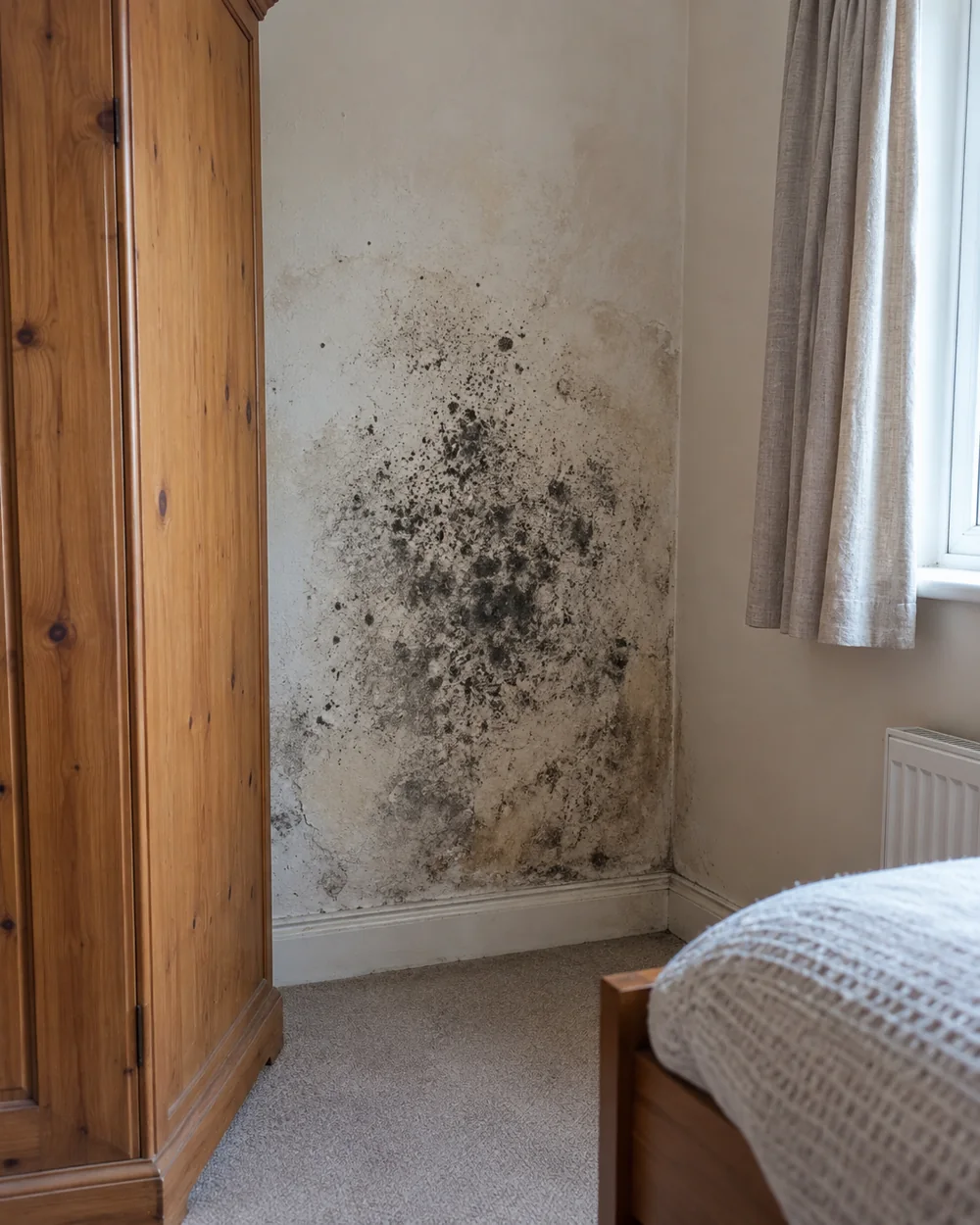
Show the boundary as well as the darkest patch
If damp crosses a change of finish at your Fulham extension, photograph the complete junction. Include the original wall, newer lining and nearby ceiling or doorway. Describe the materials only if they are known; different-looking paint does not reveal every hidden layer. Record where the mark began and how it spread across the boundary.
A moisture assessment across the material transition can compare the surfaces in their construction context. Explain whether the immediate decision is plaster repair, replacement lining or redecoration. That gives the inspection a specific purpose before a contractor treats both sides as one identical surface.
Find out what was installed at the connection
Plans and photographs taken during building work may show the original structure and added layers. Keep them with the date and position. They can help define an access question, while the present condition still needs examining. Tell us about later repairs, including a new panel or trim covering part of the original junction.
Ask earlier contractors what they actually repaired. Filling a visible line, renewing sealant and addressing a water-entry detail are different tasks. A record saying the junction was repaired may leave the scope unclear. Identify which source was confirmed, which surface was renewed and any area that remained inaccessible.
Compare changes on both materials
Note whether one face remains wet while the other only shows staining, and whether paint or plaster has changed condition. Photograph the same boundary after relevant weather or ordinary use. An old stain can persist while a new wet area develops. Keeping those signs separate helps the inspection avoid one broad description of the whole extension as damp.
Accessible measurements need interpretation with the tested materials. A reading on a new lining and one on the old wall may not have the same meaning. The findings should explain those differences and identify any backing still unseen. Do not select a repair from whichever reading happens to be the highest.
Identify the moisture task before the finish task
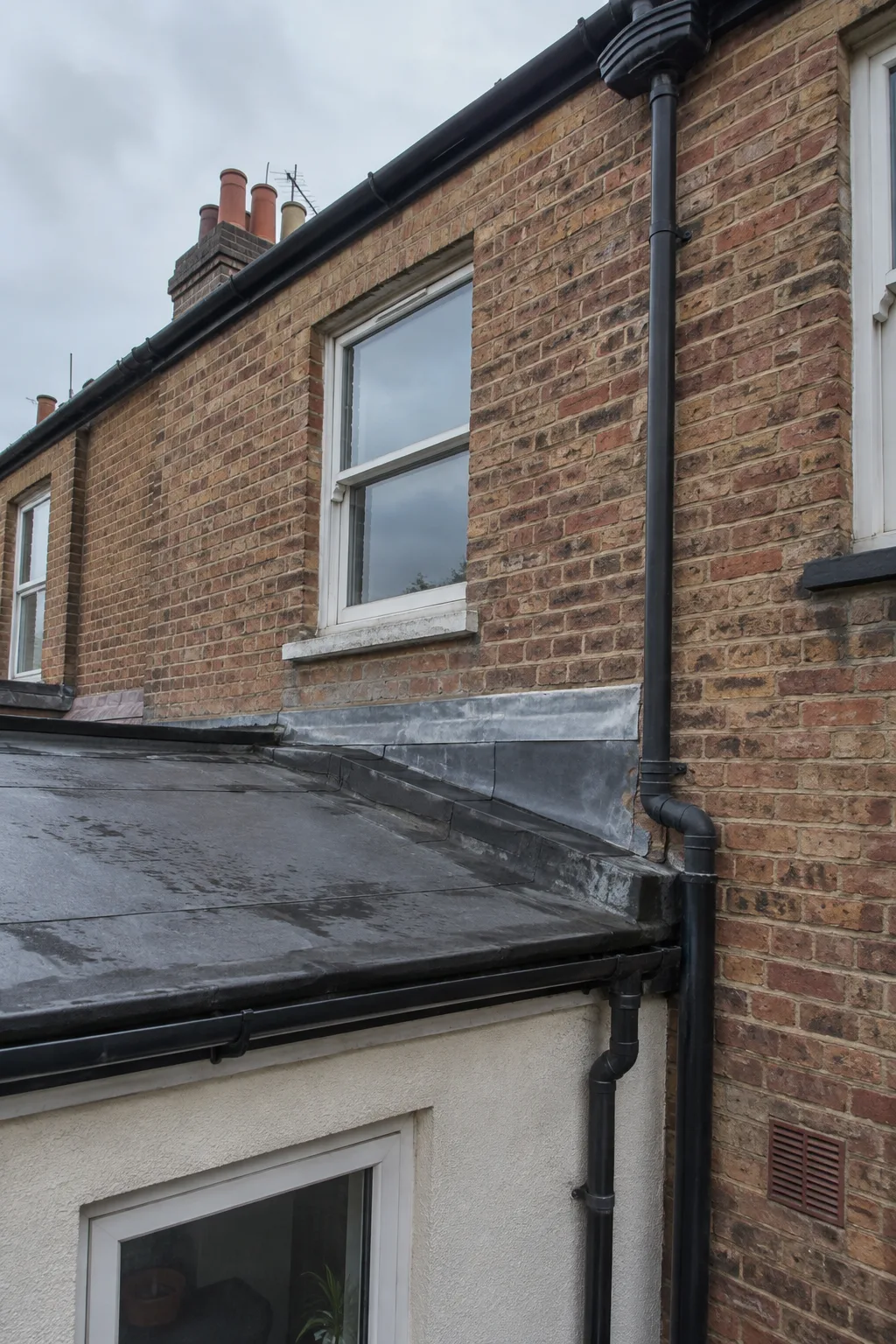
Rain-related changes may justify checks of the relevant external connection. Water can travel before appearing at the internal boundary. A closer outside view may be needed to examine a concealed or high-level detail. The surface stain directs the enquiry without proving that the construction line itself is the entry point.
If accessible plumbing sits near the affected area, investigating a concealed connection may raise a separate question. Share known routes from the construction records. Any proposed opening should identify the fitting or layer it would help assess, with the appropriate contractor and permissions agreed.
Keep scattered growth distinct from a defined stain
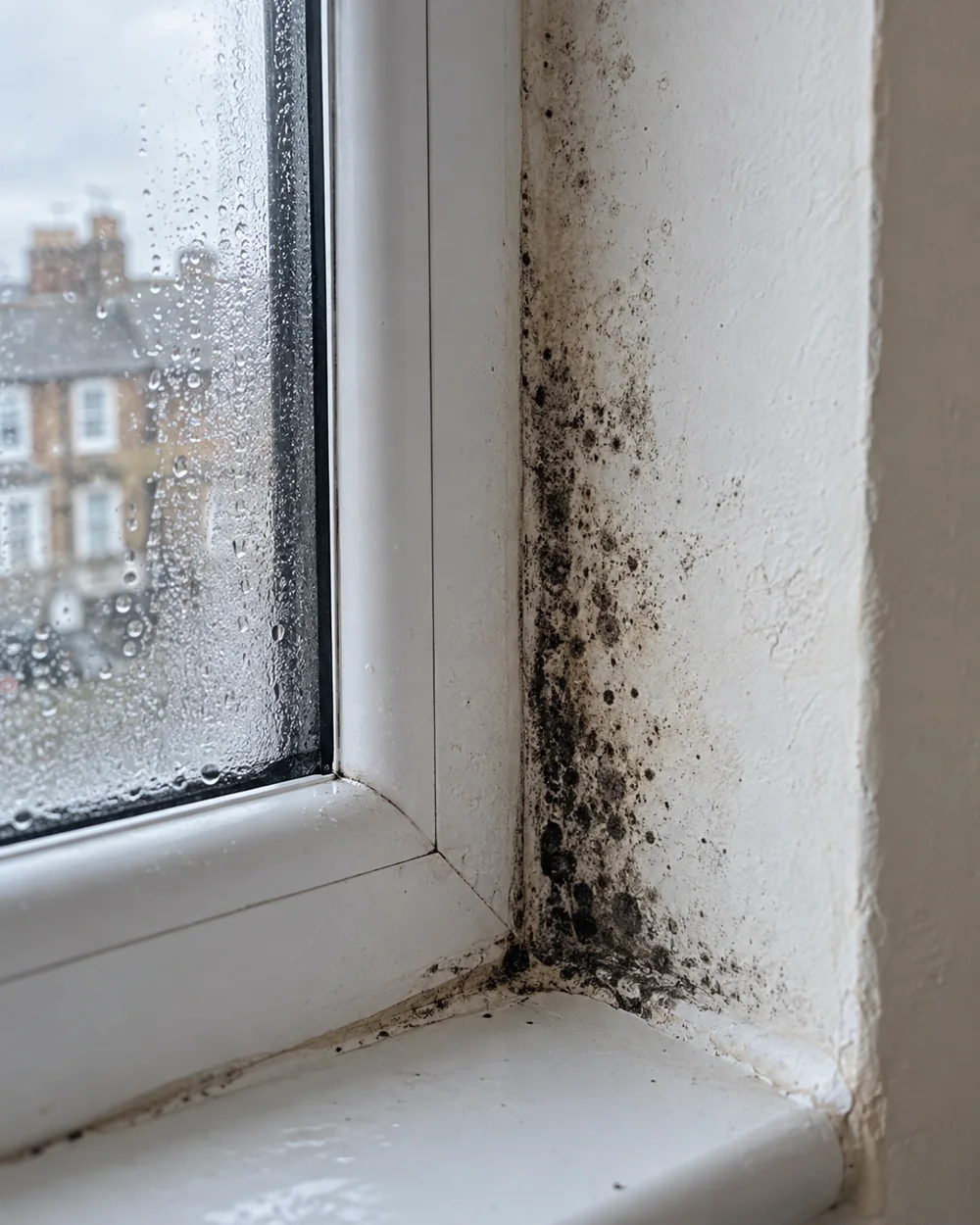
The connected rooms may have different heating and air movement. Mould scattered on a cooler corner can coexist with a separate stain crossing the finish boundary. A review of the adjoining rooms’ moisture conditions helps assess that contribution where the evidence supports it.
Tell us about cooking, laundry and the normal doorway arrangement. The recommendations should connect those observations to the particular growth pattern. A ventilation change addresses indoor conditions; it does not confirm a concealed wall layer or external joint is sound. Record which task is intended to address each finding.
Give the builder findings organised by surface
Treatment of growth at the junction should identify the affected materials and extent. The original plaster, lining face and concealed backing may need different consideration. Ask which finish can be retained, which needs another material assessment and what should be reviewed after source work.
Keep photographs of any newly exposed area before reinstatement. Share the inspection limits and completed repair records with the person preparing the finishes. A useful work sequence connects the source check, material decision and decoration on each side. It avoids covering the whole transition with one cosmetic response while a particular layer remains unexamined.
PROPERTY & MOISTURE CHECKS
QUESTIONS BEFORE A VISIT
Useful questions
Does damage crossing two finishes mean both need the same repair?
Not automatically. The materials, condition and moisture evidence need comparison. One surface may require a different preparation or further assessment from the other.
Can the paint boundary show the hidden construction joint?
It provides visible context but does not reveal every concealed layer. Construction records and an appropriate view may be needed to clarify the arrangement.
Why compare readings on the old wall and new lining?
They help map the concern, with interpretation tied to each material. The numbers should not be treated as directly equivalent without that context.
Should the builder open both sides of the junction?
Agree the investigation question first. Targeted access should show the relevant layer or route, with the scope and reinstatement clearly arranged.
What information is useful before the finishes are repaired?
The source findings, material-specific observations, any unseen backing and repair records. Keep these with labelled photographs so each proposed surface task has a clear purpose.
Nearby areas
Inspect the material transition before repairing the finish
Call about your Fulham extension with photographs of both sides of the junction and any construction records. We can discuss the assessment the repair decision needs.