DAMP & MOULD SPECIALIST
Damp and Mould Specialist Putney
If water collects below a bedroom rooflight, record where the first drop appears. We assess the opening, surrounding finish and timing before treating the whole roof as the source.
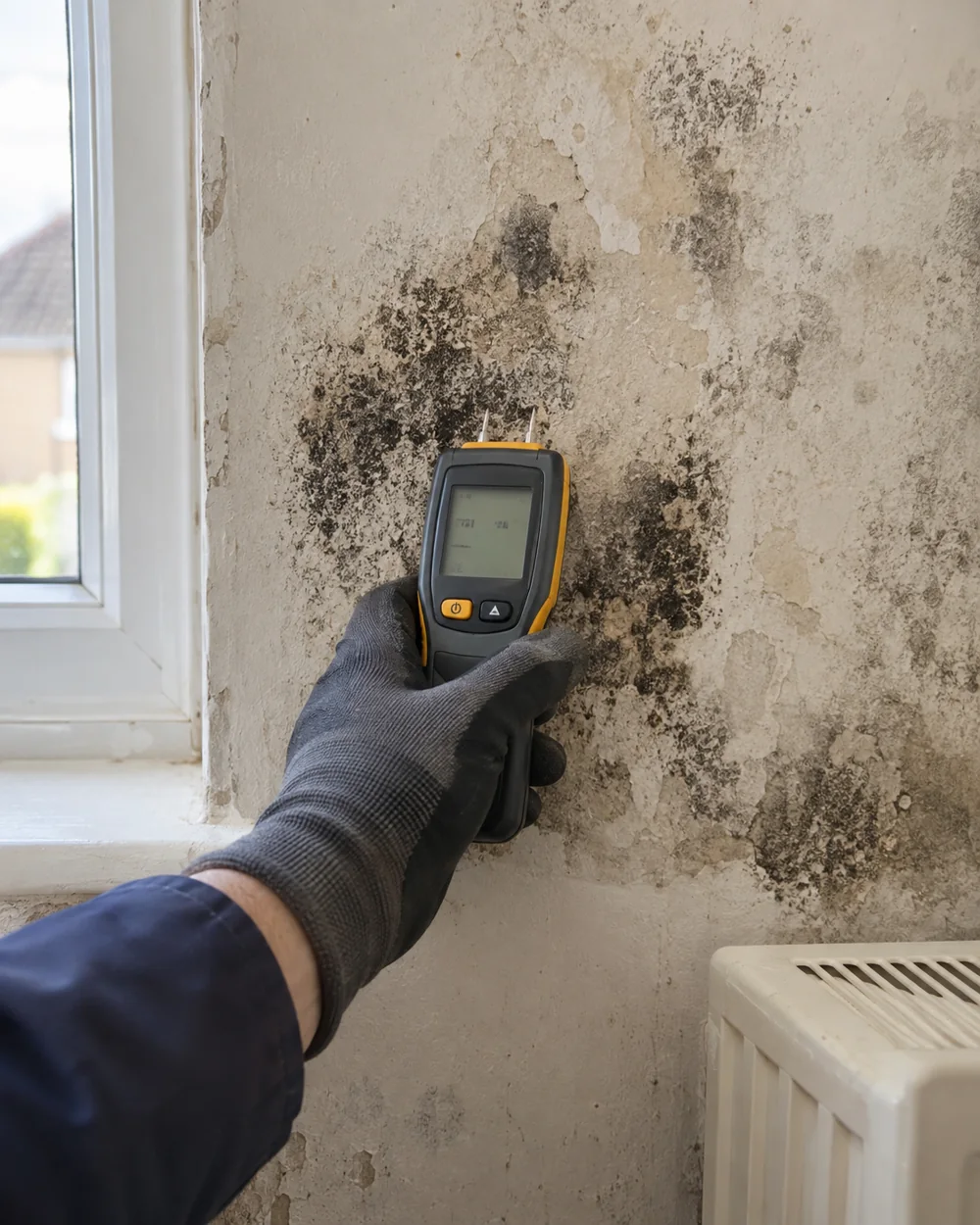
Locate the first wet surface at the rooflight
If a rooflight in your Putney bedroom leaves water on the sill or surrounding lining, the useful starting point is the opening itself. Water running down the glass, damp at a frame joint and a stain beside the ceiling junction can look similar after the surface has been wiped. Describe where moisture was first visible and where it collected afterwards. That sequence helps us choose the checks; it cannot identify a failed component on its own.
Photograph the whole rooflight and the first wet position from a safe room-side view. Note whether it was closed, partly open or recently operated. Keep normal rainfall and cold-night observations separate. There is no need to climb onto the roof or deliberately hose the window to prepare evidence.
Glass droplets and a wet joint need separate records
A broad film on the glass may develop under different conditions from a local patch at one corner of the frame. Note whether the glass clears later while the lining remains marked. Include the sill, frame corners and ceiling edge in photographs. Water may run to a lower point before it becomes noticeable, so the puddle position is not necessarily the starting point.
Checking the rooflight glazing and surrounding cold surfaces helps interpret condensation-related wetting. We also assess the local stain and accessible junctions. Keep any mould hidden by ordinary fittings in the record, but avoid treating all the bedroom slope as affected because one opening is wet.
Describe the opening and its recent work
Tell us the rooflight type if known, how it normally opens and whether any frame, glazing or surrounding finish was replaced. Operating instructions and installation photographs may identify relevant details without disturbing the unit. Record a repair to a particular seal separately from replacement of the whole window. Those tasks provide different evidence about what was examined.
If wetting follows operation of the opening, describe that timing accurately. A room-side observation can raise a fitting question without establishing the external condition. Any further window check should name the junction or component of interest and explain what closer access would add. Leave unfamiliar mechanisms and roof-side access to appropriate arrangements.
Use the weather record to target outside checks
A patch that changes during rain deserves consideration of the opening and nearby external construction. An enquiry into water entry around the rooflight can connect accessible indoor signs with available outside observations. Wind direction or a delayed stain may provide context, while confirmation still depends on inspecting the relevant detail.
An indoor assessment cannot certify every roof layer. If closer access is needed, the findings should define the remaining question for the contractor. This may concern one local junction rather than the entire roof covering. Equally, a visible external defect does not explain glass condensation automatically; both observations should retain their own place in the plan.
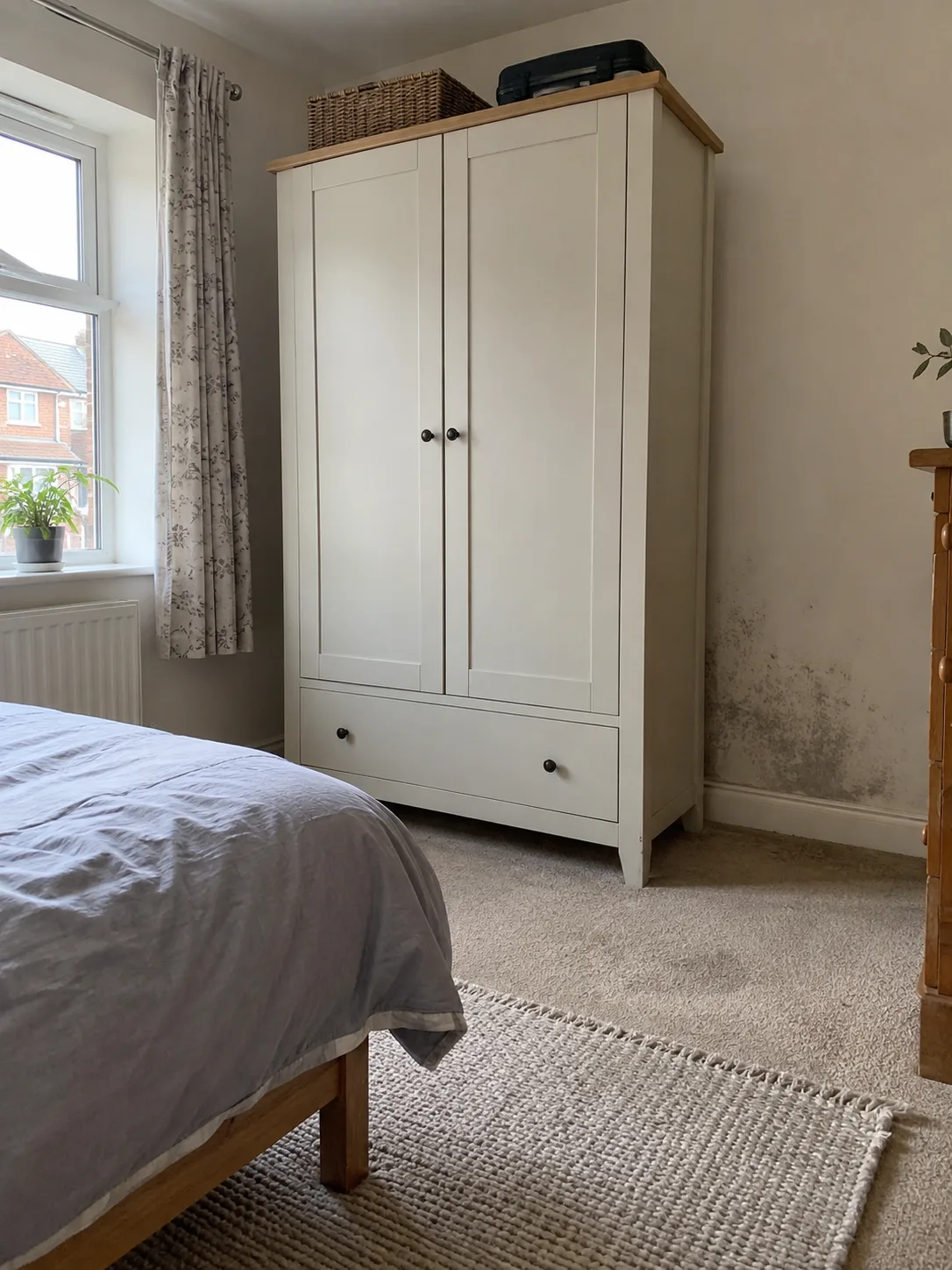
Check bedroom moisture when droplets form overnight
For wetting that appears on cold mornings, describe the normal heating, ventilation and connection to other rooms. A rooflight may be a colder exposed surface within an otherwise comfortable bedroom. The room history matters, including any change to extraction elsewhere in the home. Avoid unusually airing or heating the room solely for the appointment.
A review of the bedroom conditions around the rooflight can help explain repeated glass wetting. Measurements and temperature patterns need interpretation with the actual materials. They cannot prove a hidden insulation defect or exclude another local water route. Recommendations should identify the surface and moisture mechanism they are intended to address.
Inspect the lining before another stain-blocking coat
A focused assessment of the rooflight-side damage compares accessible moisture and finish condition with the timeline. Keep earlier photographs if a coating has hidden the original outline. A damp measurement at the lower corner helps locate concern but does not name a leaking seal. Explain any fixed trim that limits direct examination.
Where mould is present, treatment can be planned for the affected material alongside any supported source work. Before decoration, consider damaged paint and plaster, and identify any concealed margin still needing a view. Keep the repair record specific: which junction was worked on, which surfaces were treated and what remained inaccessible. Review the same opening positions during ordinary use afterwards.

PROPERTY & MOISTURE CHECKS
QUESTIONS BEFORE A VISIT
Useful questions
Does water on the rooflight sill mean the roof leaks?
The sill may collect condensation runoff or water from a local junction. Record where wetting begins and compare the timing before choosing a roof repair.
Should I open the window to reproduce the drip?
Describe normal operation and existing observations. Deliberate testing or dismantling should follow an agreed investigation plan with suitable access.
Why photograph the wet glass as well as the frame?
It helps separate broadly distributed droplets from a local wet joint. Both may occur at the same opening and require different checks.
Will replacing a seal cure rooflight mould?
Only if that detail addresses the relevant source. Repeated condensation and the affected finish still need consideration before selecting the work.
Can the room-side visit check all the flashing?
It may identify a reason for closer external examination. The report should specify which roof-side details could not be assessed from the available view.
Nearby areas
Find where the rooflight water starts
Call about your Putney rooflight with the first wet position, normal opening use and any rain-related changes. We can discuss the checks before repair or decoration.