DAMP & MOULD SPECIALIST
Damp and Mould Specialist Barnes
Damage near a skirting board can have several causes. We examine the accessible evidence before applying a label or recommending work to the wall.
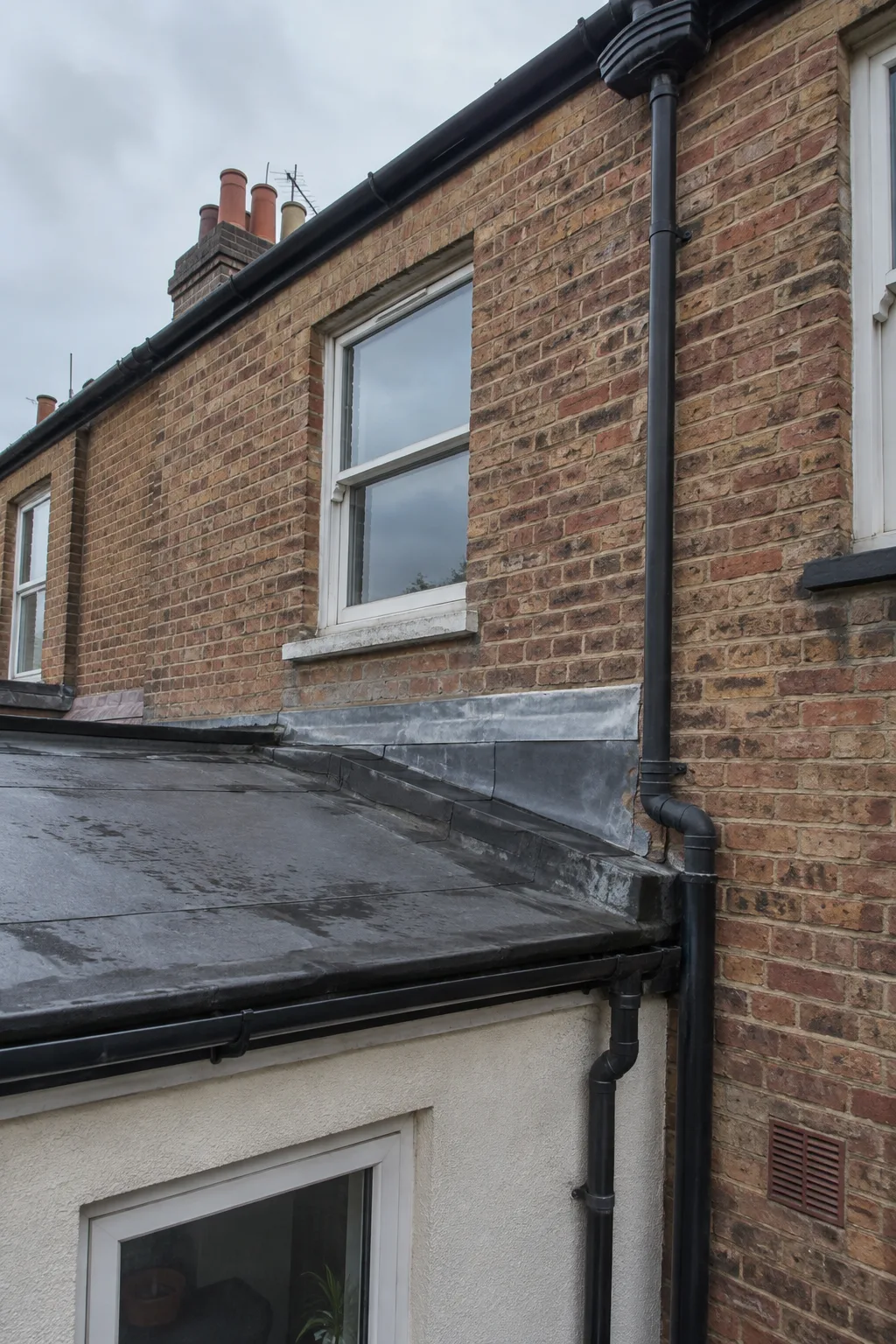
The height of the mark is only one clue
If paint or plaster is deteriorating near the floor in your Barnes property, describe the shape and spread of the damage. Is it a continuous band, a small patch near a pipe or mould behind a cabinet? Low-level damage may prompt several lines of investigation. Describe the damage beside the skirting with any plumbing, floor or weather-related observations, so the treatment decision follows investigation of the moisture route.
Photograph the affected wall and the floor junction before stripping or decorating. Note whether the marks change after rain, whether they have spread and whether adjacent rooms show similar signs. Mention previous wall treatments and floor work. A recently replaced skirting or painted strip can conceal history while leaving the underlying condition unchanged.
Compare materials and nearby surfaces
For damp diagnosis at low wall level, we compare readings across the affected band and nearby clear material. The wall, finish and visible damage influence interpretation; salts or coatings can complicate a result. Ask how those observations support the proposed cause and which relevant area remains concealed. A measurement on the exposed face cannot establish every condition behind a lining.
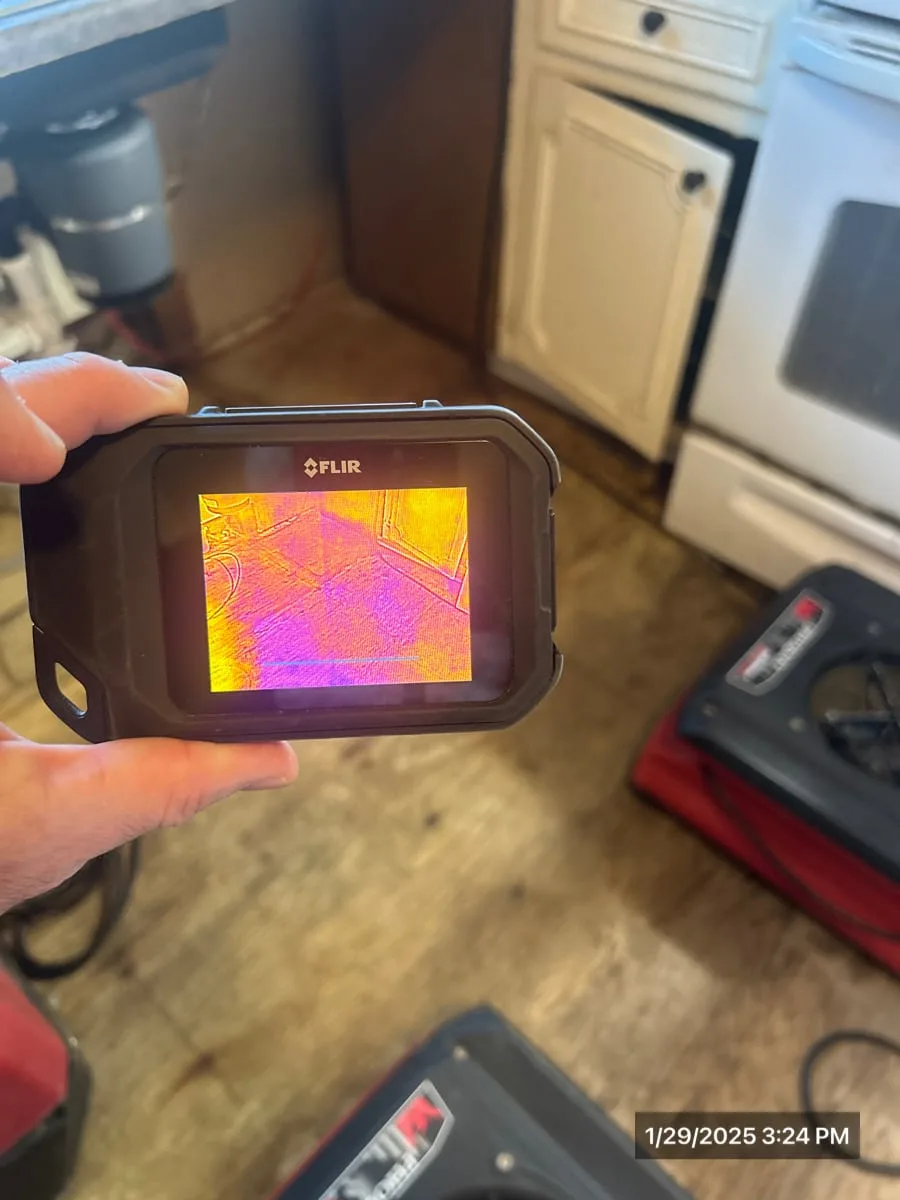
The floor and adjacent fittings may be relevant as well as the wall. Share knowledge of concealed heating or plumbing routes. Where the pattern suggests water from a service, hidden-source checks may help narrow the concern. If the suspected fitting is concealed, we explain which part needs checking and discuss suitable access before any wall or floor is opened.
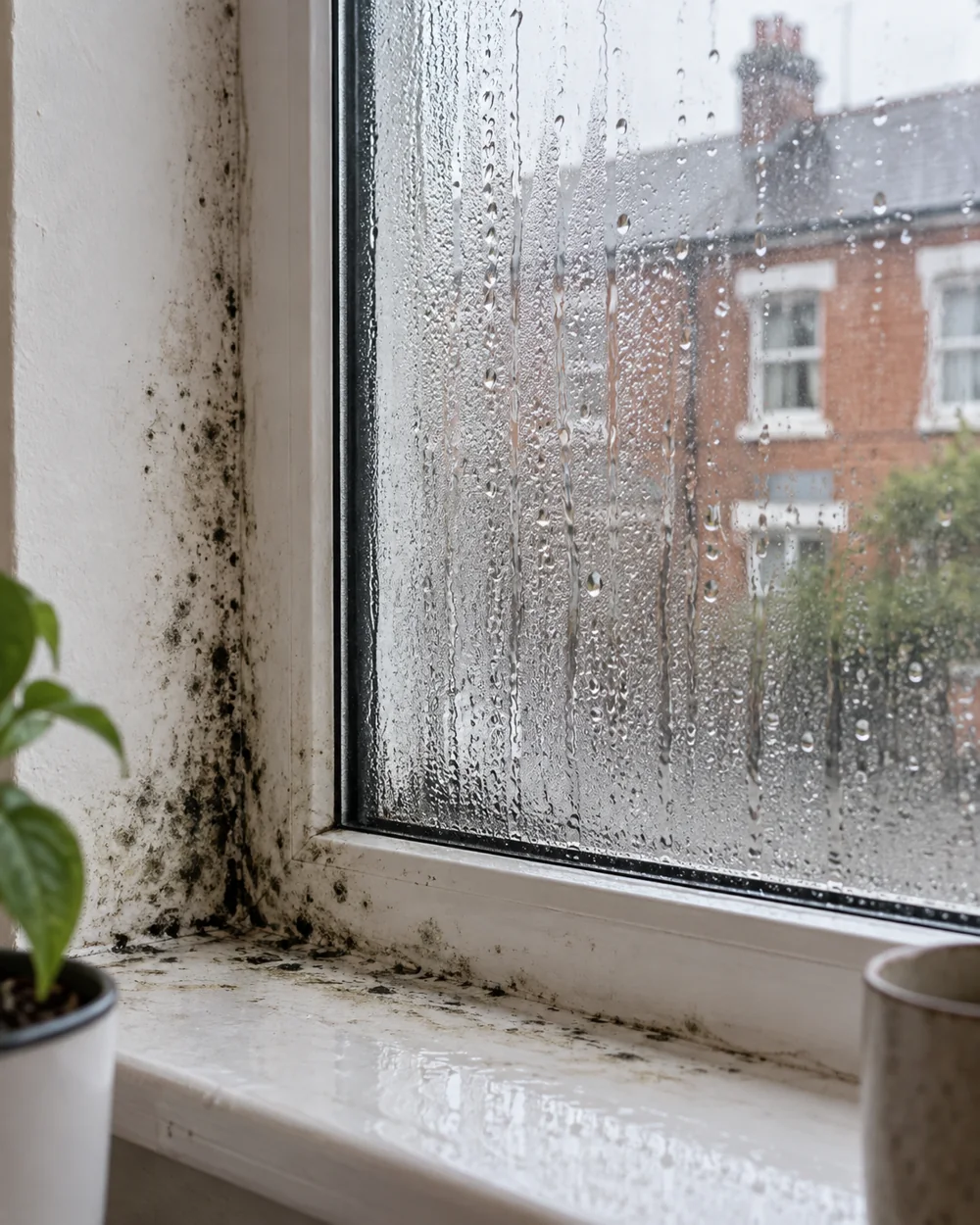
Consider what sits on the other side
Where access permits, inspection of external water routes may consider visible drainage concerns, openings and conditions next to the affected wall. Raised external surfaces or repeated wetting deserve attention where they exist, but they should not be asserted without inspection. The repair decision needs a reasonable connection between the observed feature and the inside damage.
Rain-related changes can help guide those checks. Keep dated photographs through wet and dry periods if you can. If a previously repaired external feature made no difference, share the work description. Compare the repair record with those photographs to assess retained moisture, changes in the stain and any route that still needs investigation.
Mould behind furniture may be a separate symptom
A low patch with mould can involve restricted airflow and a cool surface. A review of room condensation conditions considers that possibility without ignoring other wetting routes. Furniture, heating and household moisture all contribute useful context. If there is plaster damage along one part and scattered mould elsewhere, the assessment should consider whether they represent overlapping issues.
Ask what the proposed treatment is meant to solve
Before commissioning work, ask for the evidence supporting the cause and the limits of the inspection. A mould-affected finish may need appropriate surface treatment, while renewed wetting needs its own response. Repairs, drying and decoration should be discussed in an order that fits the findings. Do not let the wish for a tidy skirting line replace a clear explanation of the source.
Keep the earlier repairs in the picture
Older invoices or photographs may identify what was previously treated. Terms such as ‘damp work’ are too broad to explain the original approach, so gather the actual scope where possible. If no records exist, say that plainly. Current visible evidence still matters, and a historic treatment should not be assumed to have resolved every later moisture problem.
Once agreed work has been completed, compare the same wall under ordinary use and relevant weather. Fresh decoration can hide the boundary of a stain, so assess the surface before finishing. Record whether new damage develops above, beside or below the original area. A changing pattern may be important when deciding whether further investigation is needed.
PROPERTY & MOISTURE CHECKS
QUESTIONS BEFORE A VISIT
Useful questions
Does a low wall stain prove rising moisture?
No. Several water routes and condensation can produce low-level damage. Describe the shape, affected material and nearby fittings as well as its height, so the investigation can compare the plausible sources.
Can one moisture reading decide the treatment?
It should be considered with other observations and the material being tested. A single result cannot explain the full route or history of wetting.
Should I remove the skirting before inspection?
Discuss access first and photograph the original damage. If an opening is useful, we explain the concealed question it would answer and agree the relevant location before preparation begins.
Do previous damp works rule out another source?
No. The earlier scope may concern a different issue, and new water routes can develop. Share records so their relevance to the current damage can be assessed.
What if mould is only behind a cabinet?
Restricted air movement may be relevant, but it does not rule out water entering the wall. Record the layout and let the assessment consider both possibilities.
Nearby areas
Get the low wall damage explained
Call with details of the Barnes wall, its changes and any previous work. We can discuss an investigation before treatment is chosen.