DAMP & MOULD SPECIALIST
Damp and Mould Specialist Roehampton
An empty house can look ready for occupation while a damp room still needs attention. Use the period before moving back in to identify the affected materials and organise the checks that belong in the repair plan.
Start with what the empty house shows now
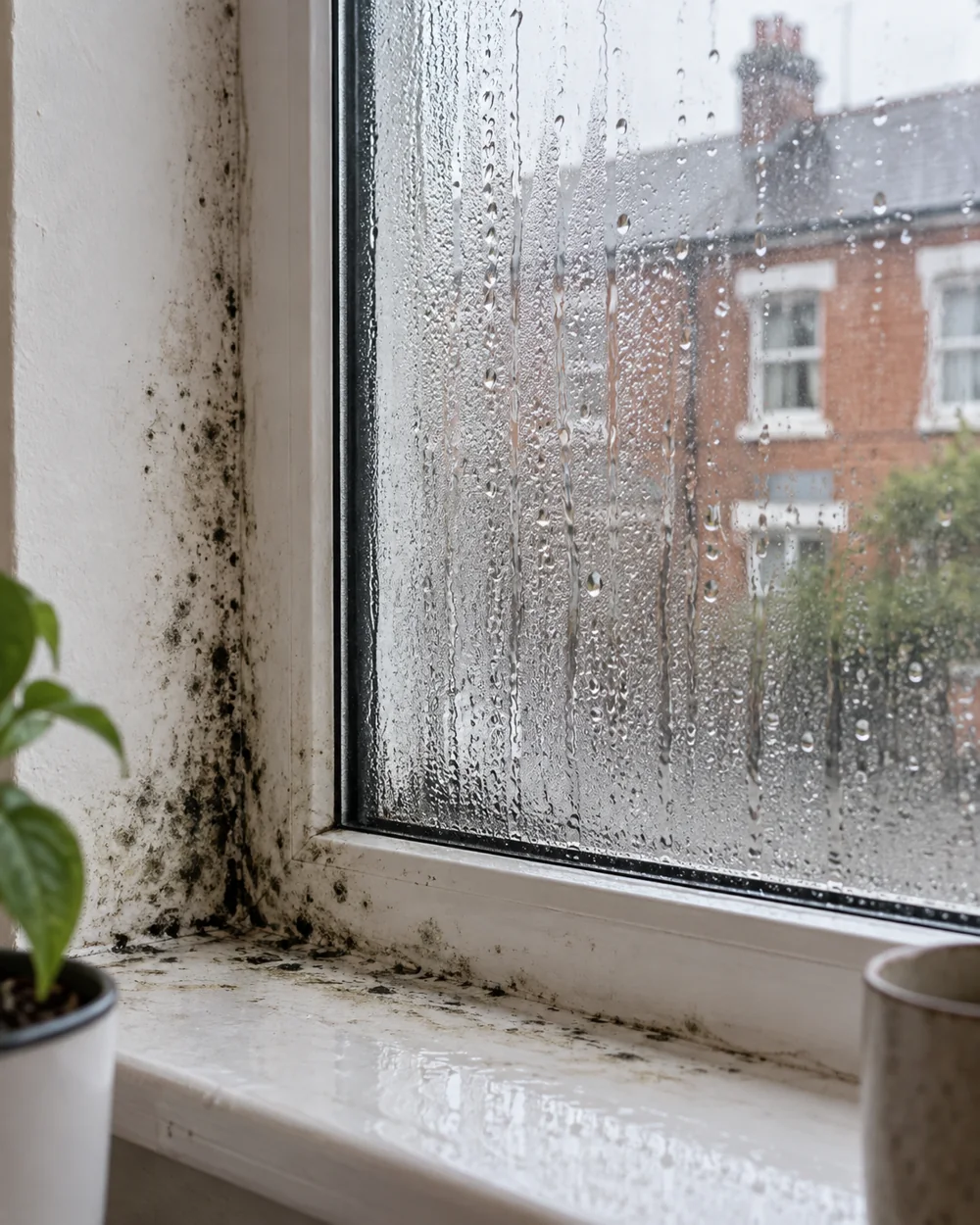
If you are bringing a long-vacant Roehampton home back into use, walk through the accessible rooms and record the damp concerns you can see. Keep a room list: ceiling stains, peeling finishes, wet reveals or mould beside fixed furniture. Include clear photographs of the surrounding layout. This gives the assessment a practical purpose before moving belongings into the spaces that need attention.
A damp investigation before reoccupation can help organise those concerns into source questions and material decisions. Tell us which rooms you need to use first and what refurbishment is planned. The findings can then inform the work sequence, with any unconfirmed water route clearly identified before furniture, wall finishes or new fittings restrict access.
Use the vacant rooms to plan useful access
An empty room can expose wall faces and junctions usually hidden by storage. Make those accessible areas available and keep damaged finishes visible where practical. Fixed cupboards, linings and locked service spaces may still conceal the important location. Explain what can be opened appropriately and who is arranging the refurbishment, so any further access has an agreed purpose.
If contractors will already expose a wall or ceiling, tell the inspector which stage of work is planned. Photographs and observations taken at that stage may answer a specific concealed-source question. Coordinate the work before the area closes again. A clear record of what was examined helps the next contractor understand the difference between completed checks and a location still awaiting investigation.
Look at water sources that remained during vacancy
Absence of occupants does not exclude water entering the building. Rainwater, an unnoticed plumbing problem or remaining moisture from an earlier event may affect the rooms. Share what is known about utility arrangements and maintenance during vacancy, with gaps left explicit. The room list and damage pattern help decide which sources warrant attention without assuming that an empty house only needs airing.
Where damage relates to rainfall or an accessible outside feature, checks of possible external water routes can compare the inside evidence with the building. A separate patch near known services may call for investigation of a concealed water source. Confirm which plumbing areas were actually checked during any earlier work and which still require a suitable contractor’s examination.
The move back in will change the room conditions
Heating, bathing, cooking and the return of furniture can change indoor moisture and air movement. Explain the intended room use and ventilation arrangements when discussing the findings. A review of ventilation for renewed occupation can consider accessible provision and colder surfaces. The assessment should identify practical measures that fit the home as it will be used, alongside any building-source repairs.
Be clear about the limits of an empty-house observation. A room seen before daily use begins cannot demonstrate its behaviour under every later occupied condition. Keep a baseline photograph of the affected surfaces and note the changes actually made. Once the rooms are in use, any new wetting or growth can be compared with that record and the completed work.
Arrange the visible repair around the source findings
If mould is present, treatment of the affected surfaces can be planned with their material condition and the source work. Distinguish growth removal from repair of damaged plaster, paint or joinery. Ask which preparation belongs to each task and who will complete it. Cleaning an empty room does not establish the condition of a concealed wall or plumbing route.
Before decoration or furniture delivery, review the findings with the person coordinating the work. Record the repairs completed, the areas checked and any question still open. The assessment is useful when it turns a general concern about a vacant house into decisions for particular rooms. It should explain the available evidence without claiming that one visit proves every hidden part of the property is free of moisture.
PROPERTY & MOISTURE CHECKS
QUESTIONS BEFORE A VISIT
Useful questions
Can a home have an active damp source while nobody lives there?
Yes. Outside water and plumbing can still be relevant, and materials may retain moisture from an earlier event. Describe the utility and maintenance history available so the inspection can consider those sources alongside the visible pattern.
Which rooms should I include before moving back in?
Discuss all visible moisture concerns and the rooms you intend to use first. A labelled room list and contextual photographs help agree a useful scope and identify access needed before furniture returns.
Is vacancy proof that mould is unrelated to condensation?
No. Surface temperature, existing moisture and air exchange can still matter. The assessment needs to consider the building and indoor conditions, with occupation changes included in the plan.
Can the inspector use access created by refurbishment?
Explain the planned work beforehand. A particular opening may help answer a concealed-source question, with permission, timing and appropriate contractor arrangements agreed before materials are disturbed.
What should I keep for the first period of living there again?
Keep room photographs, source findings and records of completed repairs and treatment. If a surface becomes wet or mould appears, that baseline helps relate the new observation to what was addressed before reoccupation.
Nearby areas
Put the damp questions into the move-back plan
Call with the Roehampton address, the rooms affected and your refurbishment stage. We can discuss a damp assessment that helps coordinate source checks and surface work before the home is occupied again.