DAMP & MOULD SPECIALIST
Damp and Mould Specialist Richmond
A conservatory reopened after a closed period can show a different moisture pattern from the occupied house. We examine the condition found on return and what changes when the connecting doors open.
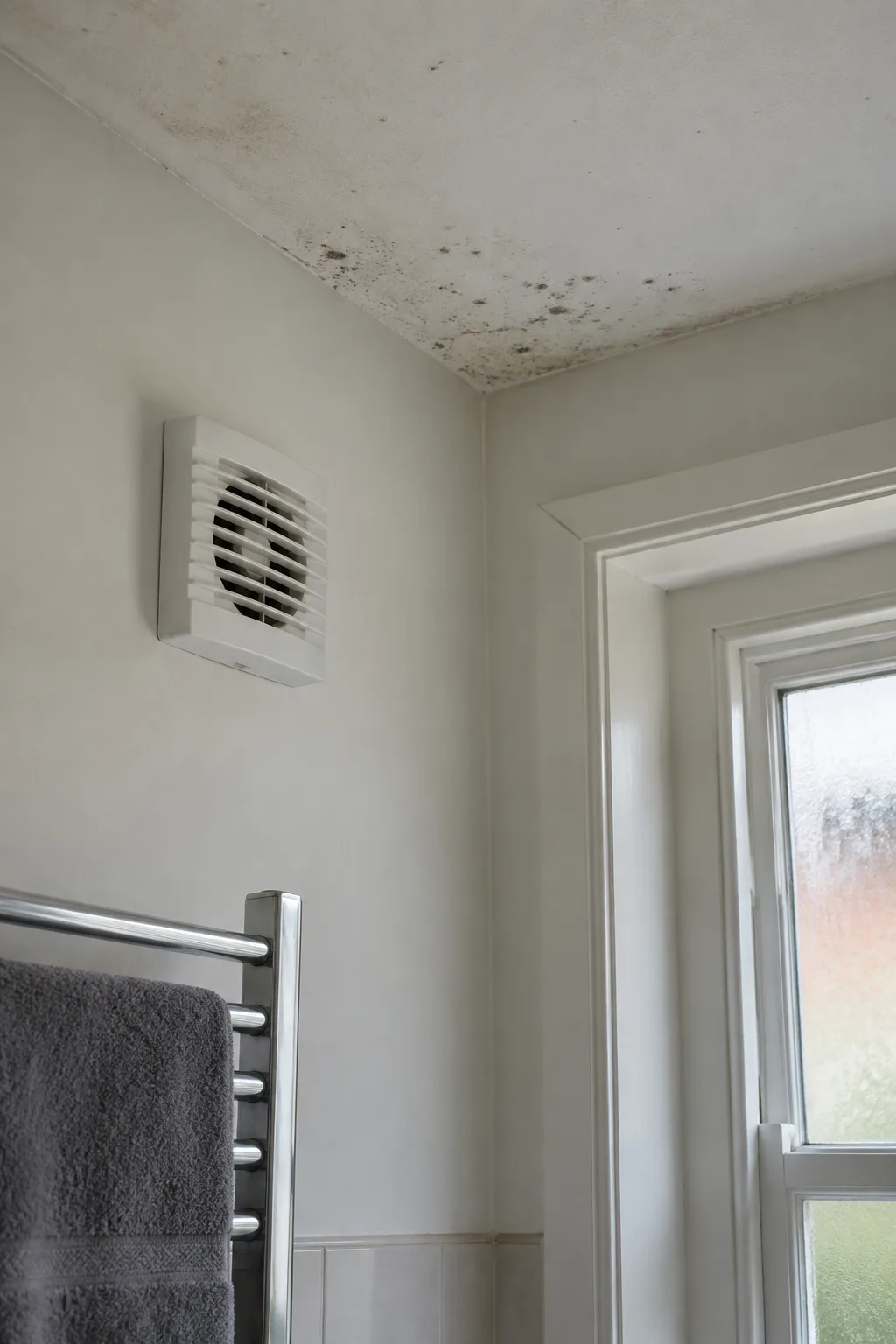
Record the room as it was when reopened
If your Richmond conservatory has stood closed or been used only for storage and you find damp on reopening it, preserve that first view. Photograph the glass, connecting doorway and affected contents before rearranging the space. Note how long it was separated from the house, what heating or ventilation remained available and whether anyone checked it during that period.
A musty smell or marked wall deserves investigation, but cannot show whether the moisture arrived throughout the closure or during a particular event. Include known rainwater problems and nearby fittings. The room’s glazed construction and closed door give us useful context alongside those possible sources.
Distinguish evidence from before and after the doors open
Opening the connecting doors changes how the conservatory and house share air. The conditions you see later that day may differ from those found at first entry. Note when you aired, heated or cleared the room, keeping the original photographs. That simple sequence helps interpret observations during a visit without expecting the room to be kept closed deliberately.
A review of moisture movement when the conservatory is reopened can compare the doorway and connected rooms. Describe whether the space will return to daily use or stay partly separated. Recommendations need to fit that intended arrangement, with no blanket instruction to keep every connecting door permanently open.
Map stored items and local wetting separately
Boxes, blinds or furniture may have hidden the first signs during closure. Record which surface was covered and whether contents were visibly damp. A clear patch after storage is moved does not establish the state of the concealed wall behind it. Likewise, glass droplets and a rain-sensitive stain beside the roof connection can coexist.
Inspecting the conservatory after its closed period helps connect accessible damage with that history. We compare relevant readings with materials and explain any view still missing. State whether the room was recently cleaned or redecorated, so the current appearance is read accurately.
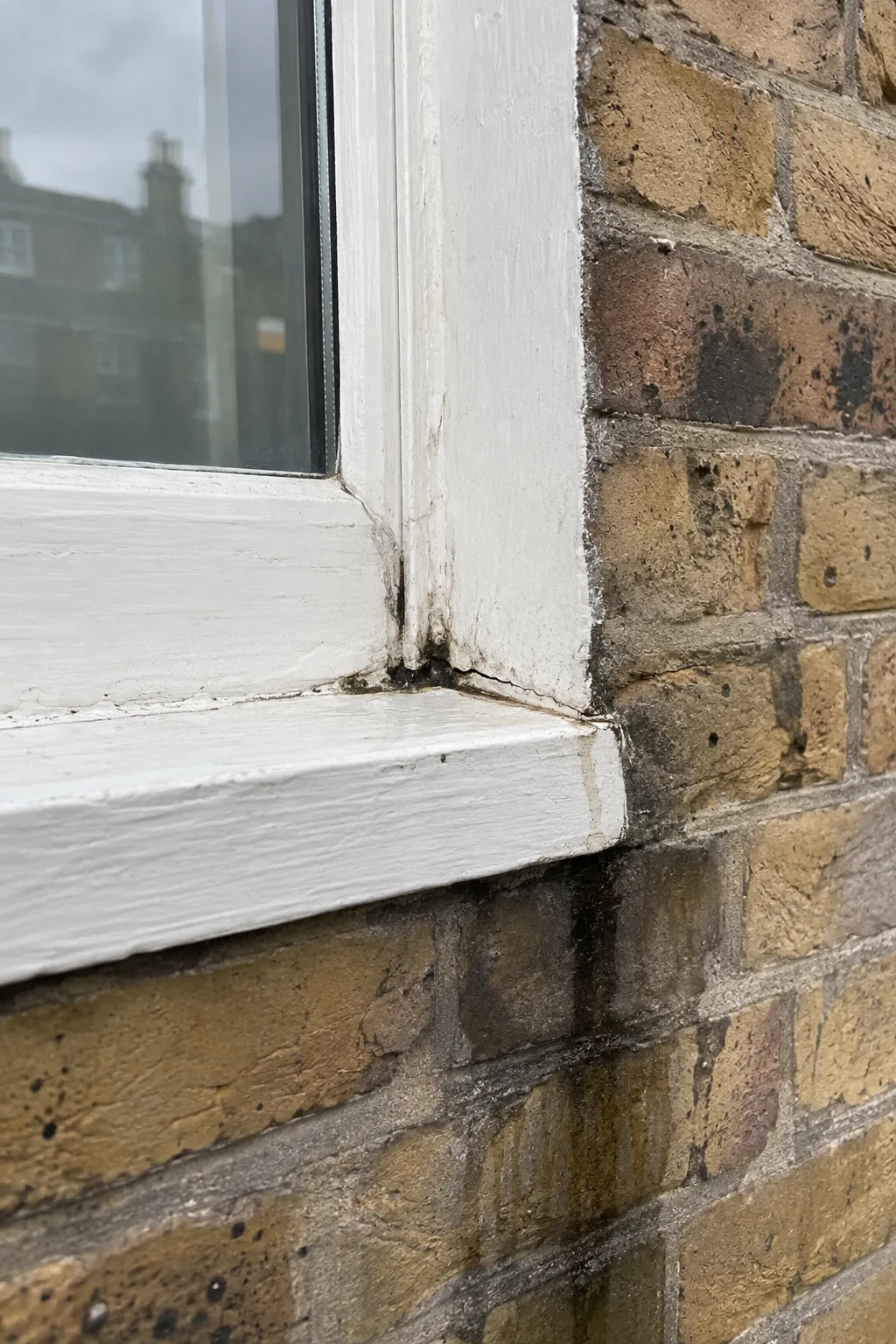
For damage linked to rain, checking the accessible conservatory entry details has a different purpose from reviewing indoor airflow. Earlier repairs and installation information can help target that enquiry. The decision about treatment or replacement should follow the affected positions and supported source findings, including any construction detail that requires closer access.
Examine the finishes and the adjoining construction
We assess accessible staining, mould and moisture patterns, taking account of the different materials around the connection. Metal, plaster and timber do not provide identical evidence. A reading or temperature difference at one point needs interpretation with the surface and the room history, not a direct leap to a repair recommendation.
For unclear damage, a targeted damp investigation can set out what is supported and what further checks may be necessary. Recently applied paint, fixed trims or concealed roof details can limit the explanation, and those limits should be recorded.
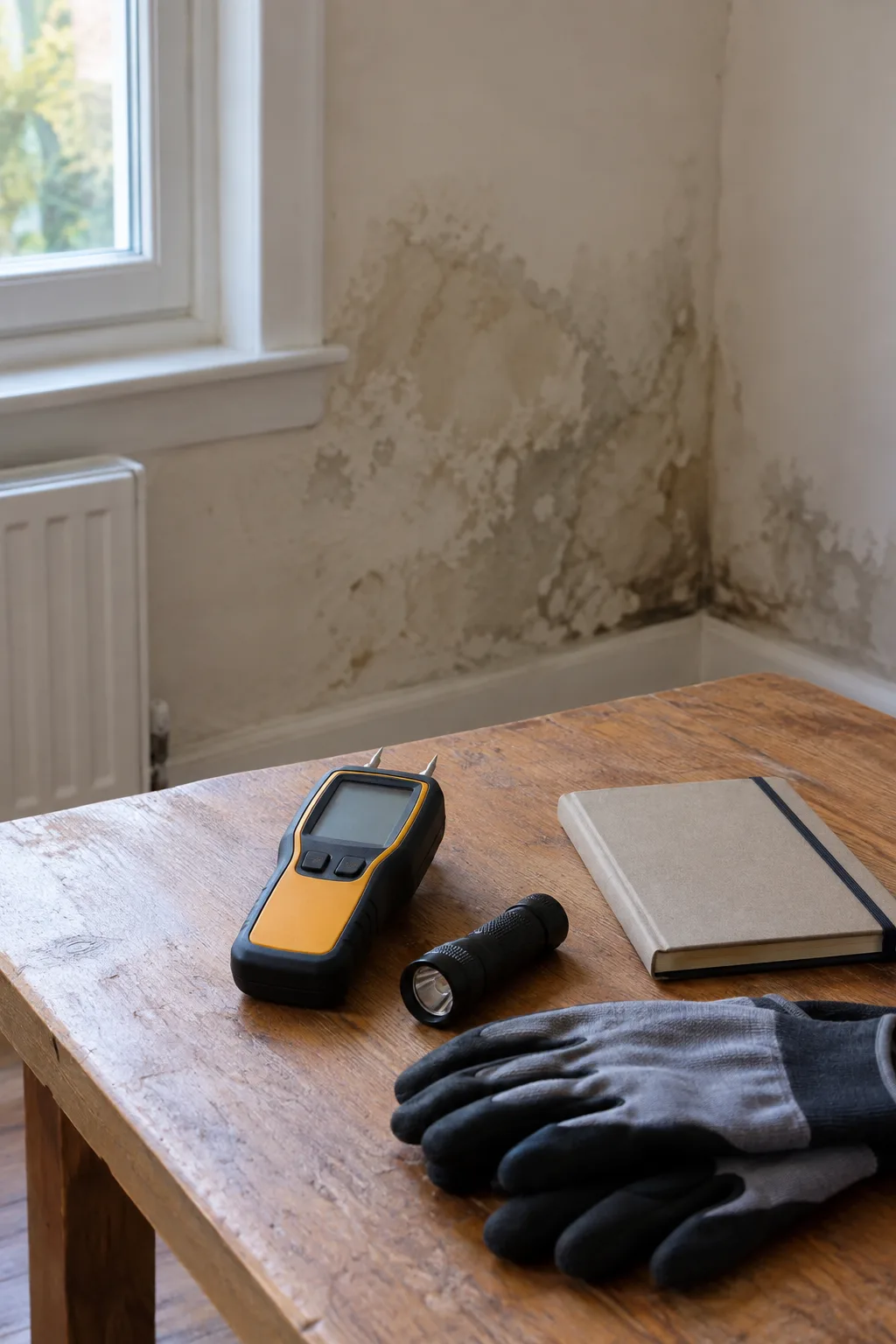
Address the affected material as well as the moisture
Mould removal on the adjoining surfaces can be planned according to the extent and material condition. Treatment of visible growth does not resolve a leaking connection. After an external repair, assess the adjoining plaster and paint before choosing the preparation and decoration work they need.
Ask which areas need reassessing after source work and what access should be retained. Do not cover an affected junction with a wider trim simply to hide the mark. A clear view helps check whether the moisture pattern is changing and supports a useful record if another contractor later reviews the connection.
Avoid replacing more than the evidence supports
A full conservatory replacement is a substantial decision. Damp near it should first be investigated in relation to the actual symptoms and accessible details. Gather installation information, earlier repair records and dated photographs. The assessment can identify questions for the installer or another contractor without pretending that an indoor visit proves every concealed component sound or defective.
PROPERTY & MOISTURE CHECKS
QUESTIONS BEFORE A VISIT
Useful questions
Should I photograph before airing the conservatory?
If practical, photograph the condition found when reopening it, then record any airing, heating or clearing. You do not need to keep it closed to preserve evidence.
Can opening the house doors change the observations?
Yes. The spaces begin exchanging air under different conditions. Record that change so later observations can be interpreted with the earlier closed period.
Does stored-item mould prove the roof leaked?
No. It identifies affected materials and positions. Indoor moisture, local enclosure and outside water sources still need assessing.
What if the conservatory will stay mostly unused?
Explain that intended use. Advice should fit its normal separation, ventilation provision and any supported source repair.
Should the whole conservatory be replaced after a closed winter?
That decision needs evidence about the affected construction. A focused assessment can identify local work or further checks before a broad replacement is considered.
Nearby areas
Assess the room before putting it back into use
Call about your Richmond conservatory with the closed-period dates and the condition found on reopening. We can discuss the doorway, materials and useful source checks.