DAMP & MOULD SPECIALIST
Damp and Mould Specialist Isleworth
A ceiling patch that stays damp while the bathroom is unused needs its own investigation. We examine the affected finish and discuss access to the construction or fittings above it.
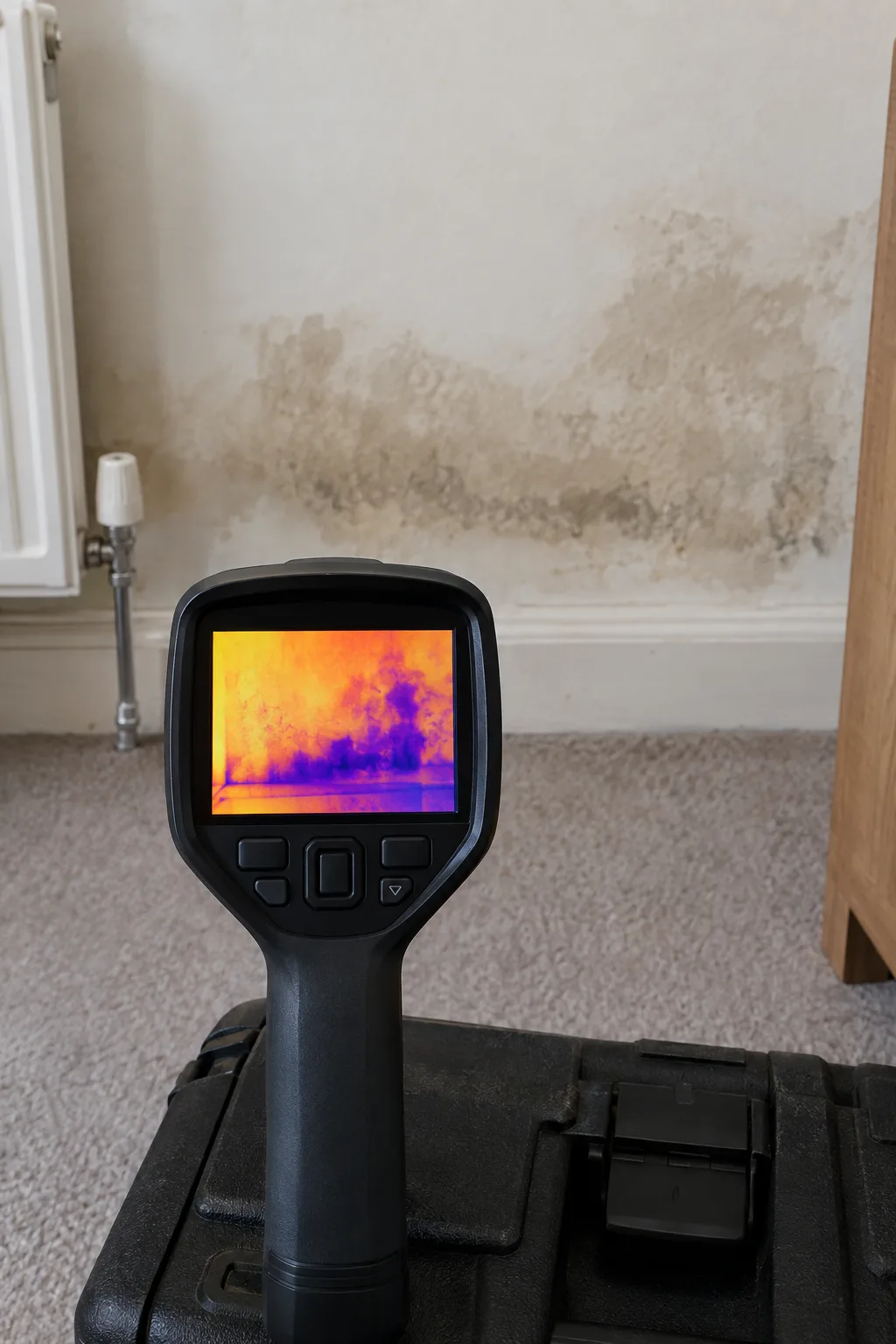
Steam clears, but one ceiling patch remains
If the general bathroom moisture now clears but a patch of your Isleworth ceiling remains damp, describe that difference when enquiring. An improvement in steam removal is useful evidence about room conditions. It does not explain a separate patch that stays wet between showers or through a period of non-use. The next inspection should focus on that remaining area and the possible routes above it.
Photograph the full ceiling and the patch from the same positions on different occasions. Include its edge, nearby fittings and any change in the finish. Note when the bathroom was last used and what happened elsewhere in the home. A short record of actual observations helps define the investigation; you do not need to produce a diary of every household activity.
Explain what is above the affected position
A check for a concealed water source starts with the accessible evidence and what is known about the space above. A loft, an upstairs bathroom, another flat and a sealed ceiling void offer different routes and access limitations. Tell us which applies, if you know, and who can arrange access to that space.
Include recent work to fittings above the bathroom, even if the ceiling looked better immediately afterwards. An intermittent source may not be active at the visit. Repair notes and photographs can explain which connection was examined and what remains unconfirmed. Where another household controls access, agree what can be checked initially and which observation depends on a further appointment.
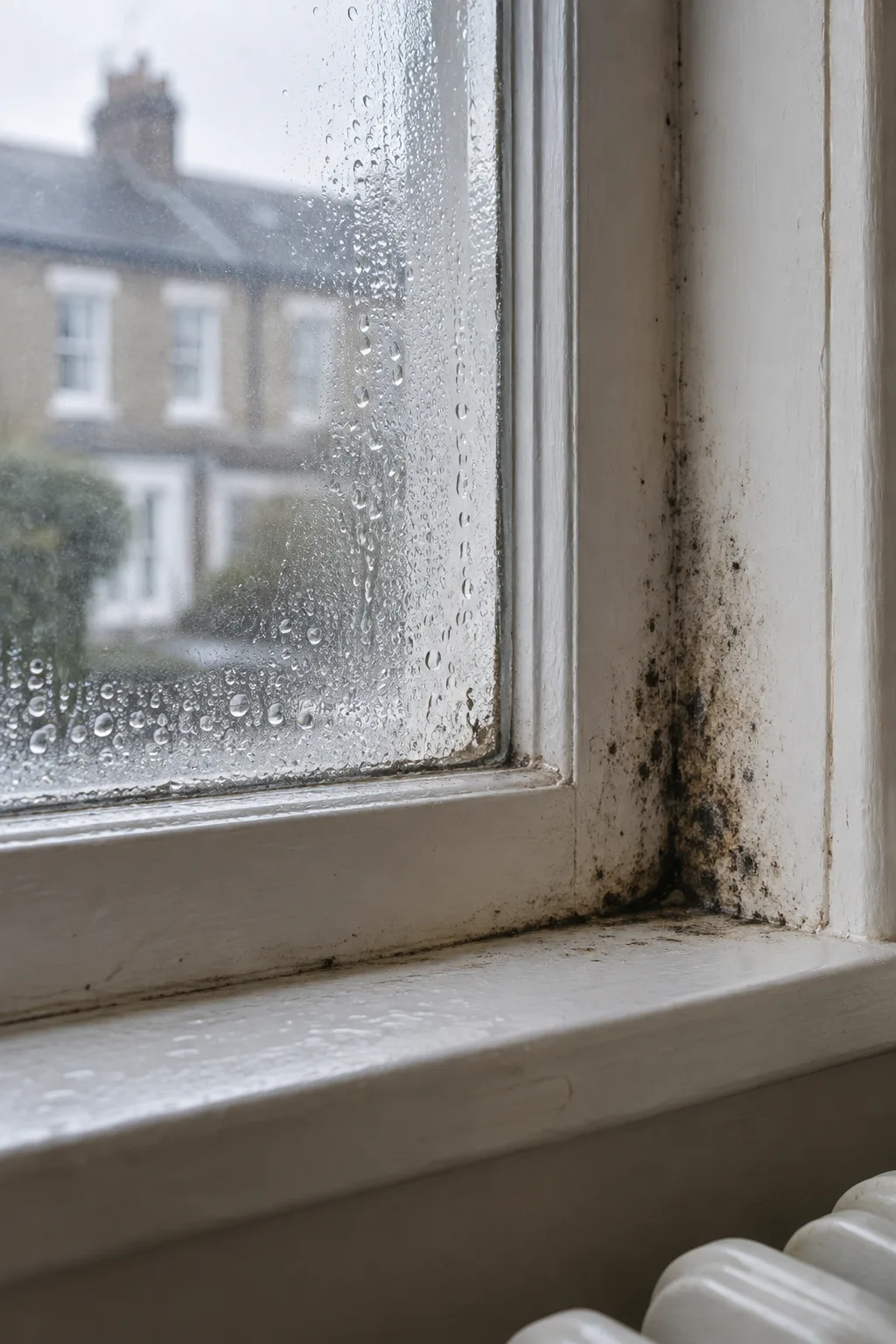
Assess the damaged finish as well as the stain
Our assessment of the ceiling moisture pattern considers the material, its condition and available comparison surfaces. Flaking paint, softened board and an old stain are different observations. We explain what accessible readings support and which question requires a closer view. A reading through a coating cannot reveal every concealed layer or identify the complete source by itself.
Describe any previous filling, repainting or replacement of the affected section. Those changes can obscure the earlier boundary and introduce different materials into the same ceiling. Share photographs from before the repair if available. Keep a note of the work actually carried out so the inspection can compare the remaining damage with the original report.
Keep the wider bathroom conditions in view
A bathroom moisture assessment can compare the persistent patch with ordinary wetting elsewhere in the room. Tell us which surfaces now clear after bathing and which stay damp. That contrast helps give the room conditions their proper place without letting a general bathroom explanation replace investigation of the defined ceiling area.
Explain any changes that improved steam clearance, including an alteration to controls or your normal opening routine. Their dates help interpret the remaining issue. There may still be more than one contributor, particularly if scattered growth appears away from the patch. Separate those observations in the enquiry so the proposed scope covers both the local damage and relevant room conditions.
Agree the ceiling work after the source checks
Discuss mould treatment of the ceiling surface alongside the findings about wetting and material condition. Accessible sound paint may be treated differently from a damaged section requiring closer assessment or repair. Repainting a persistent patch can hide useful evidence while leaving its source unanswered. Ask which work can proceed and what depends on confirming the overhead route.
If a planned opening is needed, agree its location, purpose and who will carry out the work. We should be clear about the question it is intended to answer and the surfaces included in the initial visit. A ceiling inspection from below has limits where the relevant fitting or construction detail cannot be reached. The findings should make those limits understandable before decorative work is arranged.
Review the remaining patch through normal non-use
After an identified repair, compare the original patch during ordinary bathroom use and during the usual gaps between uses. Keep the dates of source work, treatment and decoration separately. A cleaner appearance shows the surface has changed; observation of the original wetting pattern helps discuss what remains. If a new patch appears in another position, include it rather than treating it as the same repaired area.
For the initial appointment, describe the ceiling height, accessible floor area and any fixed cabinet directly below the damage. These details help plan the visible checks. Explain access to the overhead room independently: a clear bathroom floor does not mean the space above is available. An agreed scope should identify both arrangements so the visit answers the questions it can actually examine.
PROPERTY & MOISTURE CHECKS
QUESTIONS BEFORE A VISIT
Useful questions
Why investigate a ceiling patch if shower steam now clears?
The improvement describes general room moisture. A defined patch remaining wet during non-use may have another contribution, so its position, material and possible overhead source need separate consideration.
Do you need access to the flat above at the first visit?
Tell us who controls that access before booking. Some checks can begin from your bathroom, but a particular concealed source may require an agreed visit above. The scope should explain that limitation.
Should I repaint the stain before arranging the inspection?
Keep photographs and the visible boundary available. Discuss the persistent wetting first so a fresh coating does not obscure evidence needed to plan source checks or material repairs.
What if the upstairs fitting looks dry today?
Explain when the patch changes and supply available repair records. A dry appearance on one occasion does not settle an intermittent source; the findings should identify any further check needed.
Can a repaired ceiling section still need investigation?
Yes, if it remains damp or develops a new boundary. Give the date and extent of the replacement so the remaining surface can be compared with the work actually completed.
Nearby areas
Investigate the patch that remains between showers
Call about the Isleworth ceiling, the room or void above it and any previous repair. We can discuss the accessible assessment before another coat of paint is planned.