DAMP & MOULD SPECIALIST
Damp and Mould Specialist Southall
A utility room can send moisture into the rest of the home or conceal a leaking connection. We investigate both the affected surfaces and how the space is used.
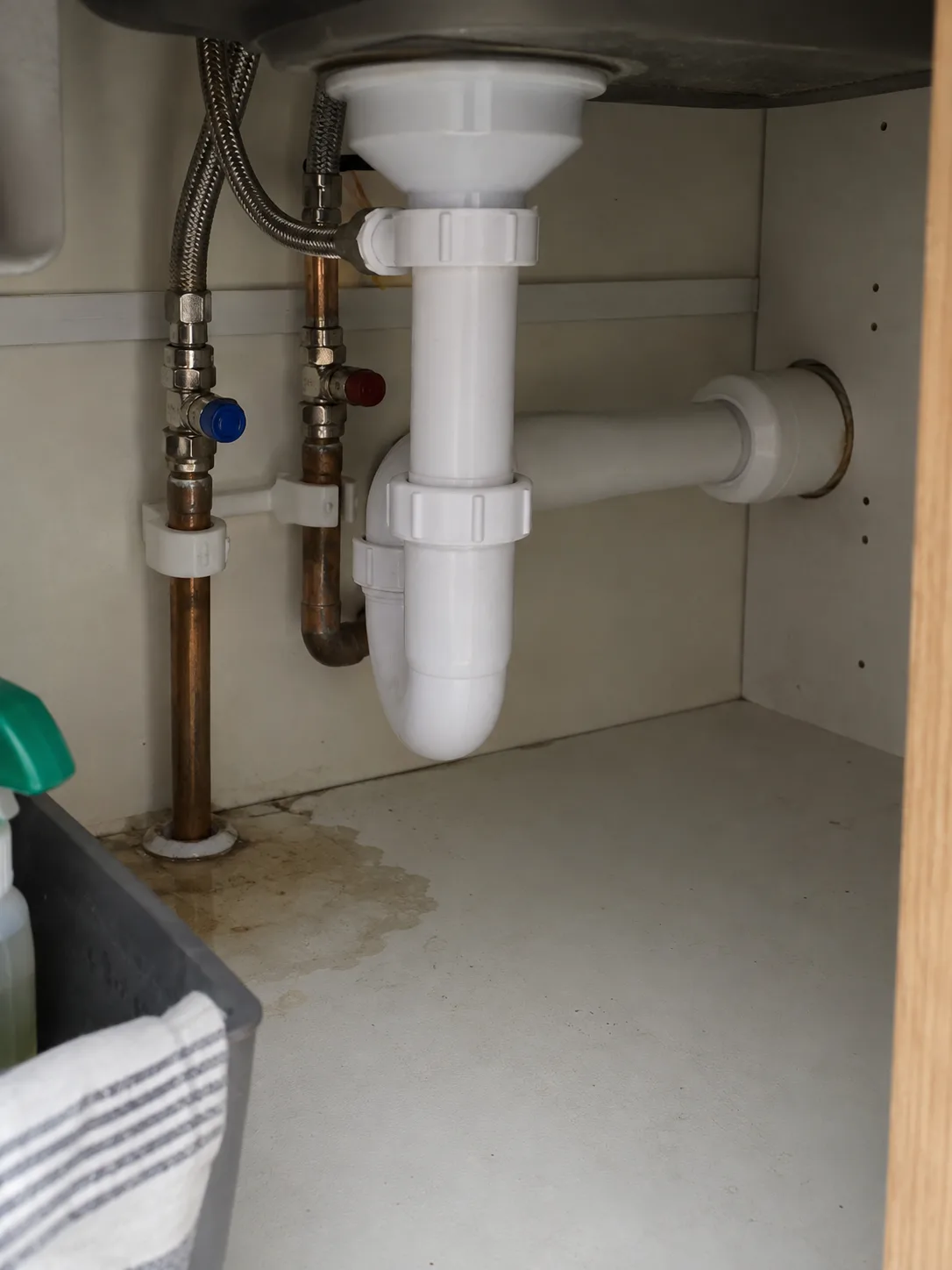
The small room doing a lot of work
If your Southall home has a utility room containing laundry appliances, a sink and drying clothes, several sources of moisture may occupy a small space. The important property question is how that moisture leaves the room. A closed door can limit air movement, while a concealed appliance hose can release water without an obvious puddle. Those are different problems and should not be answered with the same treatment.
Tell us which appliances are present and whether the room was added or adapted later. Note any extract vent and where it leads, if known. The inspection can begin with accessible observations, but a machine tightly fitted under a worktop or boxed-in pipework may limit what can be confirmed.
If a dryer discharges through an accessible route, note where that route is intended to end and whether it was changed when the utility was fitted. Different appliance arrangements handle moisture differently, so accurate equipment information matters. Do not reconnect or reroute a discharge on a guess. Share the installation instructions with whoever examines the appliance-related question after the initial moisture assessment.
Track wetting through the laundry cycle
Record whether damp appears during washing, drying or at times when the appliances are not running. A wet cupboard base after a cycle deserves different checks from mould on the ceiling during cold weather. Also look at the wall outside the utility doorway. Moist air may travel to a cooler neighbouring space even if the utility wall itself appears clear.
For staining near connections, checking a possible concealed appliance leak may help narrow the source. Include the hidden connection in the access discussion where the timing or moisture pattern points towards the appliance route.
Extraction and drying habits belong in the same assessment
We consider the ventilation arrangement alongside ordinary use. Laundry releases moisture in different ways depending on the appliance and whether clothes are dried in the room. The aim is to understand the conditions, not to blame the household for using a utility space. An extraction route, an outside opening and the supply of replacement air all influence moisture removal.
A review of airflow through the utility room helps explain why nearby surfaces remain wet. If equipment or ducting is concealed, record which part could not be checked and whether the wetting pattern justifies a closer ventilation enquiry.
Map the moisture before replacing finishes
Accessible readings, visible damage and the timing of the problem guide the inspection. Materials around appliances may vary, so measurements need interpretation. A moisture reading at the cupboard base cannot by itself distinguish splashing, a leak and moisture from the adjoining structure. We compare locations and ask about past appliance or plumbing work.
Assessing moisture around sinks and wet-room fittings is relevant where the utility includes a washing area. The wider room arrangement still matters, particularly if symptoms have spread into a hall or bedroom.
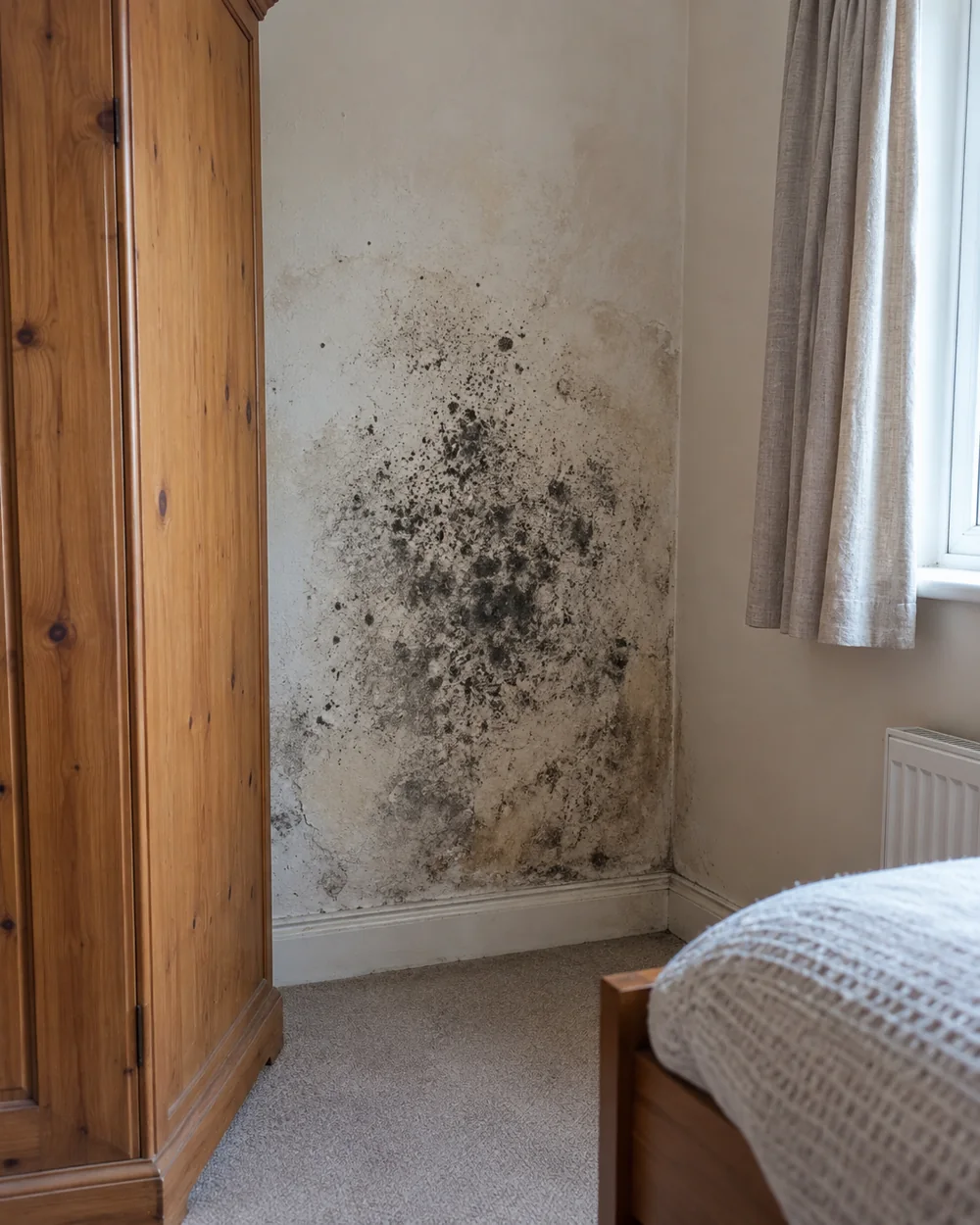
Treat affected surfaces and correct repeated wetting
Mould treatment for the utility and adjoining room can be planned after considering the growth and material condition. A plumbing connection needs repair; an inadequate moisture-removal arrangement needs its own response. Neither should be replaced by simply repainting the visible wall.
After the source work, check areas that will be hidden when appliances or cupboards return to position. A clean front edge does not confirm the backing surface is ready for reinstatement. Keep records of the actual repair and any advice about ventilation, so the household knows what changed and which signs to watch.
Prepare a useful account of the problem
Before calling, note the appliance types, wet locations and whether the damage follows a particular cycle. Photographs of accessible connections help, but do not move heavy equipment or disconnect supplies solely for an inspection. Tell us what access is realistic and who can authorise any further work. These details help focus the first assessment on the connections, room surfaces or ventilation route that best fit the recorded timing.
PROPERTY & MOISTURE CHECKS
QUESTIONS BEFORE A VISIT
Useful questions
Could laundry moisture affect the next room?
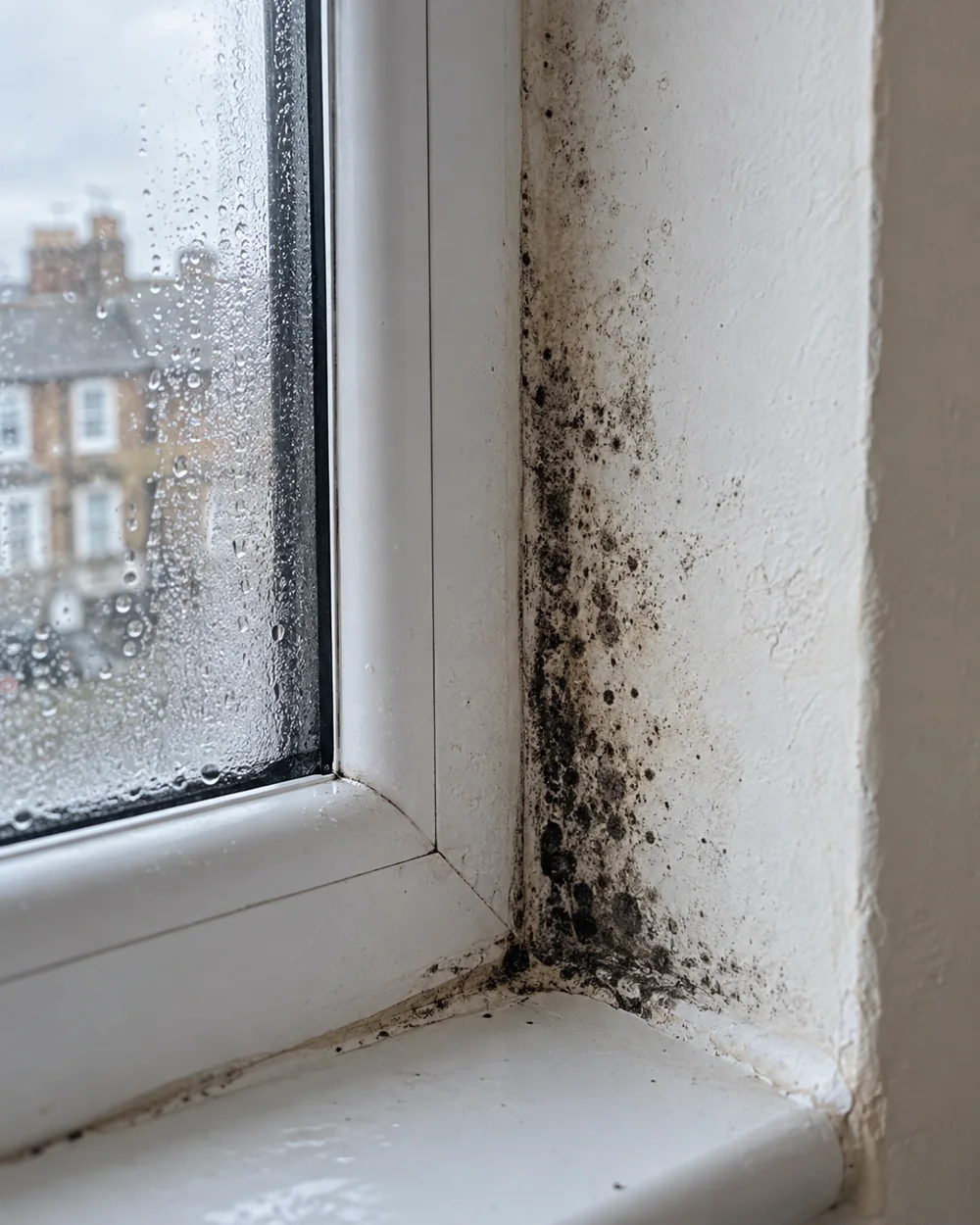
Yes. Damp air can leave through the doorway and settle on colder surfaces elsewhere. Separate water sources in that room still need consideration.
Does damp after a wash prove the machine is leaking?
It is a useful timing clue, but the accessible machine connections, sink and nearby surfaces need checking before attributing the source.
Should the utility appliances be disconnected to inspect the wall behind them?
Discuss the concealed wall and connection access first. Do not disconnect supplies for an initial visit; any necessary movement should be agreed and arranged with an appropriate person.
Would an air vent rule out condensation?
No. Check the air path and how the room becomes wet during use. The vent’s presence gives a feature to examine, while actual moisture removal needs assessment.
Can I cover the cupboard base with a new lining?
Wait until the source and material condition are understood. A new lining can hide ongoing moisture and make future assessment harder.
Nearby areas
Discuss the utility-room moisture
Call with your Southall address and explain which surfaces become wet during laundry use. We can help set out the checks.