DAMP & MOULD SPECIALIST
Damp and Mould Specialist Ealing
Moving a wardrobe can expose a wall you have not seen for years. Leave the newly found pattern visible and find out whether restricted airflow explains it or another water source is involved.
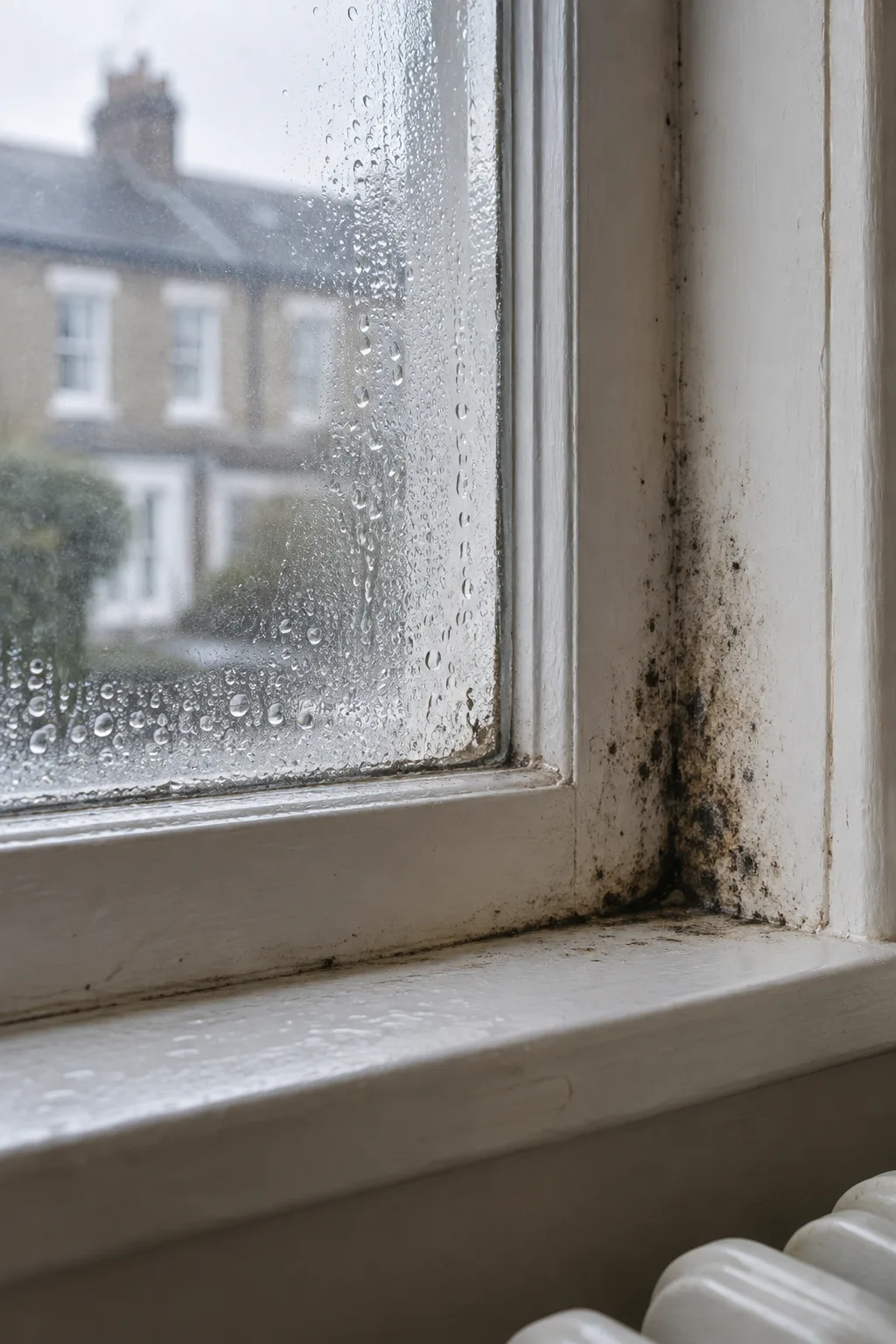
The furniture move has revealed evidence
At your Ealing property, photograph the exposed wall before cleaning and note where the wardrobe stood. Include the full height of the growth and nearby skirting, window or radiator. Marks confined to the furniture outline can be a clue to local conditions, but an outline is not proof that the furniture caused the moisture. The wall behind it still needs consideration.
A check of the cold wall behind furniture can assess the position and surface pattern. Tell us whether it is an external wall and whether a bathroom, pipe or outside opening lies nearby. The best starting point is the actual room arrangement, not a general assumption about bedrooms or housing in the area.
What a blocked corner can conceal
Large furniture can reduce circulation across a wall. A cold surface can then remain damp when room air carries moisture, even if the open wall looks unaffected. Bedroom ventilation and condensation checks can consider heating, room moisture and the air path beside the wardrobe. Ask how the wall temperature, moisture and circulation interact. Any furniture-layout recommendation should explain the affected area and its intended purpose.
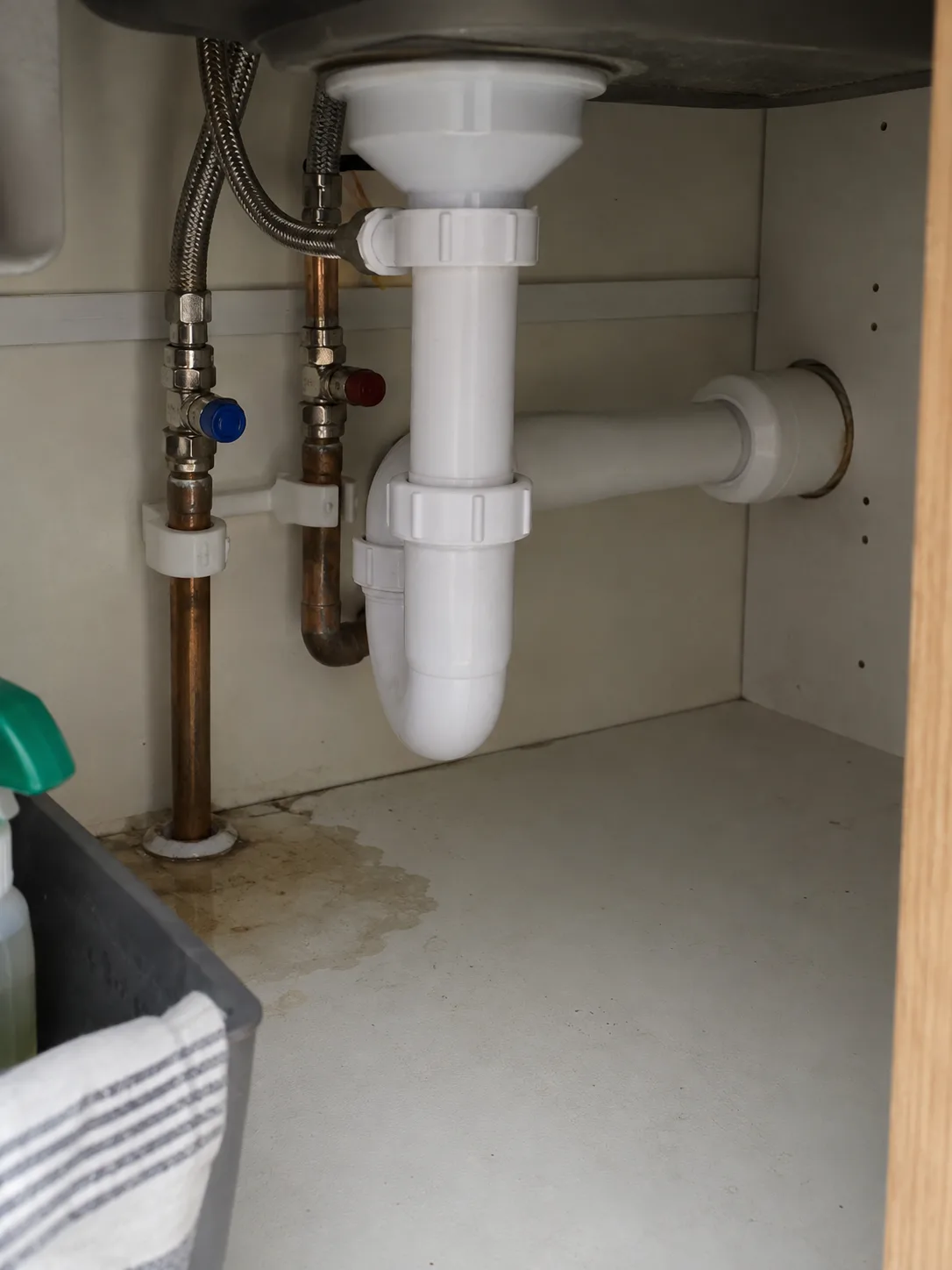
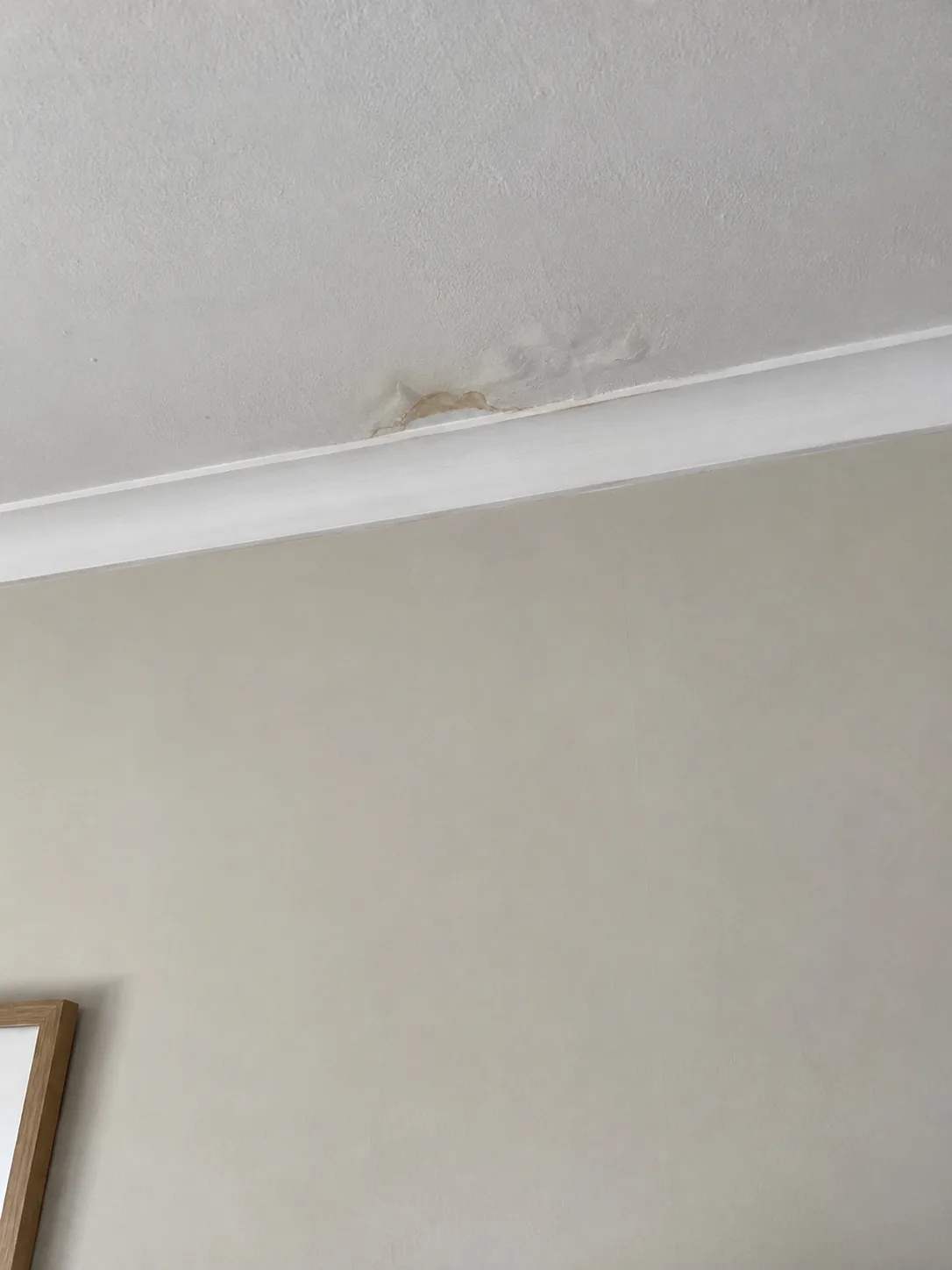
A leak or external water entry can also be hidden behind furniture. Look for staining beyond the mould outline, damaged plaster or changes near a pipe route. Report whether damage appears in the adjoining room. If these signs do not fit a surface-condensation explanation, investigation of the underlying damp can help establish which checks are needed next.
Moving the wardrobe is not the whole repair
Improved access makes the wall easier to assess. It does not prove moisture has stopped reaching it. Keep the room’s usual arrangements in mind: curtains, shut doors, heating periods and nearby moisture-producing activities. If those have changed since the discovery, tell the inspector. The visit needs to interpret both the original situation and the one now visible.
If you are replacing the wardrobe, delay covering the area until the moisture findings and material condition are understood. Swollen skirting, soft plaster or lifting paint may need separate attention. Do not scrape damaged surfaces merely to fit the new unit. The preparation plan should follow the assessment and explain what can remain, what needs treatment and what requires repair.
A cleaner cannot answer the source question
Treatment of the exposed wall mould addresses the affected surface within the agreed scope. It does not repair a plumbing fault or alter the wall’s temperature and airflow. Ask how any source-control work relates to the treatment. The objective is to avoid a clean wall disappearing behind new furniture while the original conditions remain unchanged.
Keep details of earlier products, especially if a cleaner or coating was applied when the wardrobe was last moved. They may affect appearance and help explain recurrence. A treatment recommendation should consider the material beneath the visible growth. Stains can persist after cleaning, while a freshly painted face can conceal ongoing wetting; neither appearance settles the moisture question alone.
Leave the visit with an arrangement you can use
Describe the furniture the bedroom needs and which items can realistically move. Discuss recommendations that fit the space and keep relevant wall areas accessible. We can compare the newly exposed surface with nearby materials and consider its moisture history. The findings should identify any concealed construction or adjoining area that still needs a view, so the refurnishing decision reflects the evidence actually obtained.
Before refurnishing, ask what should be checked after treatment or repair and how renewed growth would change the plan. Keep photographs of the wall while it is visible. They provide a useful reference if a later mark appears beside the new wardrobe. A practical sequence connects investigation, source measures, surface work and the way the room is used afterwards.
PROPERTY & MOISTURE CHECKS
QUESTIONS BEFORE A VISIT
Useful questions
Is the wardrobe definitely responsible?
No. Restricted circulation may contribute, but the wall could also be affected by a leak or outside water. Show the original growth outline and furniture position. They guide checks, with the wall condition and possible water sources assessed alongside them.
Should I put the wardrobe back before the visit?
Leave the wall accessible where practical and show the original position in photographs. That allows the surface to be seen while preserving information about the previous room arrangement.
Does mould only at the bottom mean a different damp type?
Position alone is insufficient. Material condition, adjoining construction and the moisture history need consideration before naming the cause or selecting a treatment.
Can new furniture stop the mould returning?
Replacing a unit does not automatically change the moisture conditions. The layout may need consideration alongside ventilation or repairs identified by the assessment.
What if the wall was cleaned years ago?
Mention that history and any products or coatings used. Repeated growth behind the same unit is useful evidence that the previous response did not resolve every contributing condition.
Nearby areas
Have the exposed wall checked before the next wardrobe
Call about the Ealing bedroom before fitting the next wardrobe. Describe the growth, original furniture position and any damage to the finish so we can discuss a focused assessment.