DAMP & MOULD SPECIALIST
Damp and Mould Specialist Hanwell
The cupboard is dry when somebody looks, then wet after an appliance cycle. Bring that intermittent pattern into the investigation before replacing the damaged cabinet material.
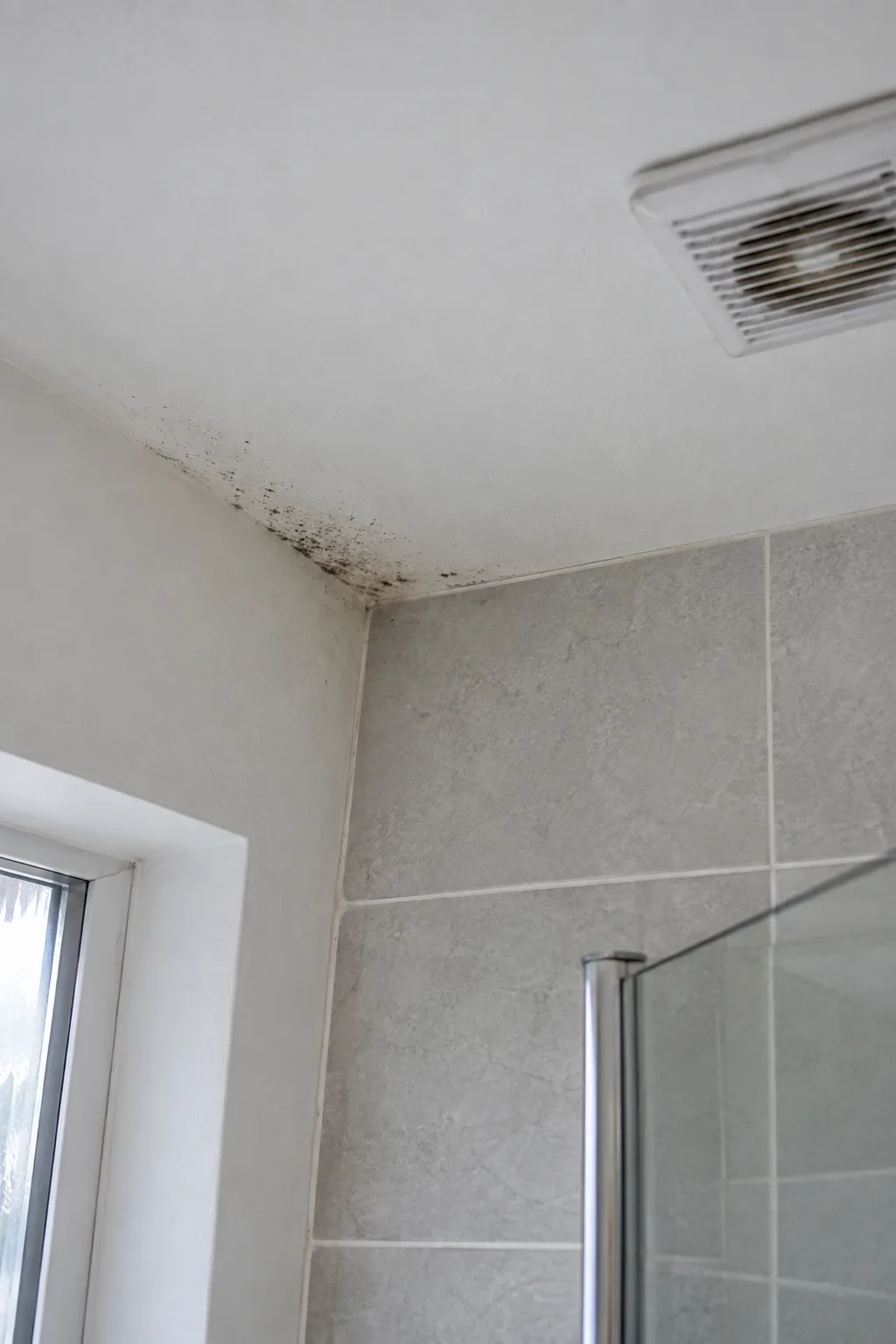
The wetting is not present all the time
If a kitchen cupboard at your Hanwell home becomes damp after dishwasher use, note where the first water or mark is visible. Include the cupboard base, rear wall and accessible connections in a photograph. Describe the timing you have observed without concluding which fitting leaks. Appliance operation, sink use and other kitchen activity can overlap, so the sequence needs careful interpretation.
A brief dry inspection does not reproduce every condition under which wetting occurs. Keep photographs from ordinary use and the dates of any recent appliance or plumbing work. There is no need to run extra cycles or deliberately create a leak for evidence. Explain the damage and accessible arrangement when booking so the visit can focus on the intermittent source question.
Keep appliance and sink observations distinct
Record sink use separately from the appliance cycle where you can describe the normal sequence. State what you actually saw: water near one fitting, a newly wet base or only a stain found later. That distinction helps the inspection connect observations with accessible routes. If the timing is uncertain, say so; a precise-looking account built from guesses makes the source harder to assess.
If an appliance engineer or plumber has already attended, request the actual scope and findings. A statement that the machine operates normally may not cover its surrounding supply or waste connections. Keep the service record with the cupboard photographs. It can show which components were checked and which concealed or external-to-appliance question still needs attention.
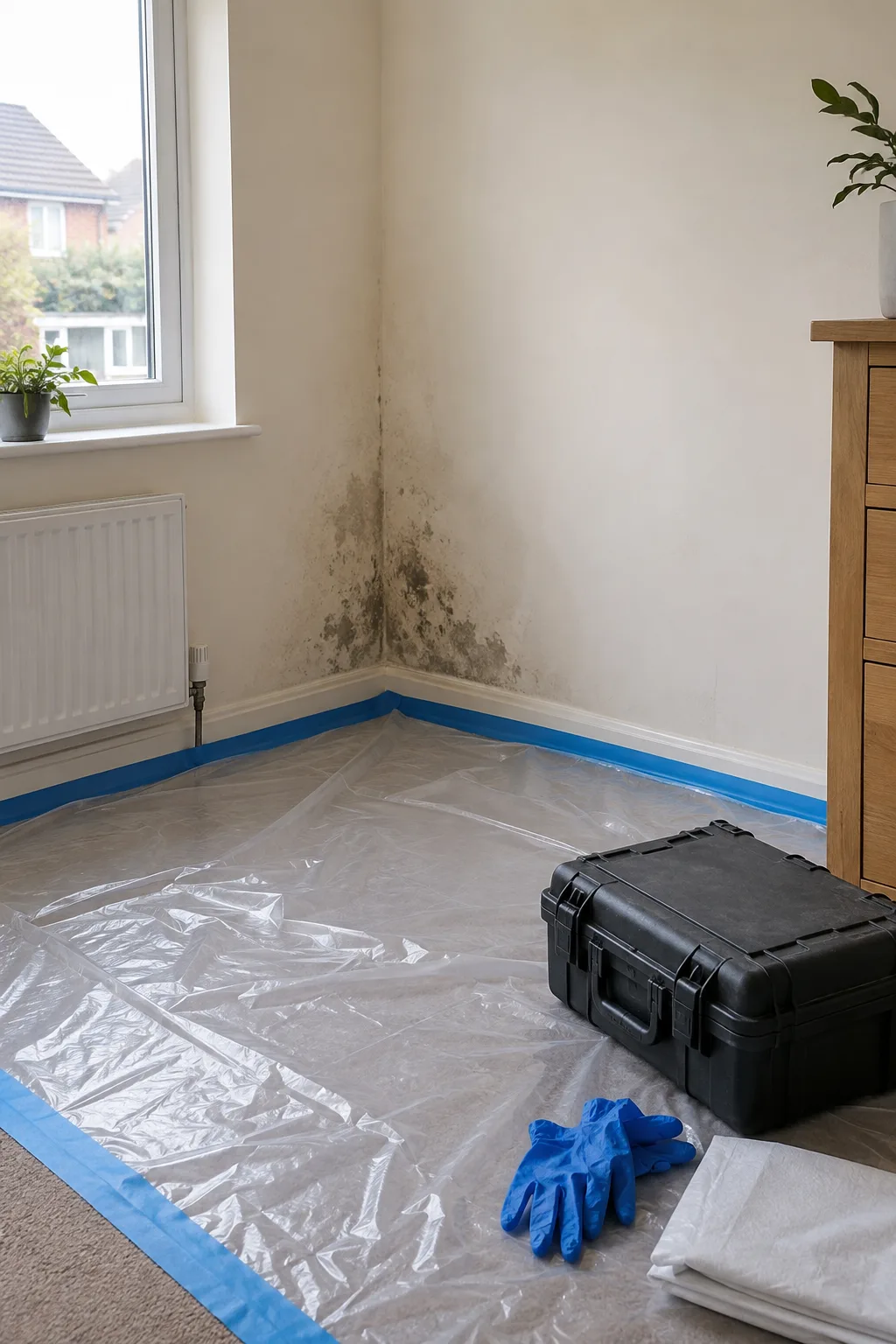
Inspect the accessible fittings and the moisture spread
Investigation of an intermittent kitchen water source can compare the reported sequence with visible connections and the damage pattern. Measurements help direct checks but do not identify every hidden joint through a fixed unit. Ask what can be confirmed during the visit and which specific connection requires another contractor or further access.
A moisture assessment of the cupboard and wall can consider how far the visible effect extends. A wet cabinet base and damp plaster behind it are separate material questions. Fresh panels, linings or finishes may conceal earlier evidence. Tell us if the current cupboard condition differs from the photographs because cleaning or repairs have already happened.
Keep the wider kitchen pattern in view
Kitchen moisture checks can consider accessible fitting areas alongside steam and room ventilation. A local water mark after an appliance cycle should remain distinct from a ceiling that becomes wet during cooking. Show both if they exist. One explanation should not be used for every sign merely because the kitchen contains several moisture-producing activities.
Where growth is concentrated on a cooler rear wall, assessment of the cupboard’s airflow conditions may also be relevant. Stored items and fixed cabinetry can restrict circulation. Photograph the usual storage arrangement before clearing inspection access. This adds context without proving that storage accounts for a fresh wet base or an intermittent water route.
Plan access around the fixed installation
Describe integrated appliances, removable panels and the surfaces that cannot currently be reached. Do not disconnect a machine or force a cabinet back away simply to prepare for a visit. If access is needed, agree the purpose and appropriate arrangements. A targeted check should answer the remaining connection or material question, with unseen parts recorded as limits.
If new cabinetry is already planned, share the inspection findings with the installer and repair contractor. Keep photographs while relevant areas are exposed. Confirm which source check is complete before the next unit closes the space again. This gives the installation stage a clear dependency and avoids treating replacement of a swollen board as evidence that the water route was repaired.
Review source work and surface treatment separately
Where mould is present, treatment of the affected kitchen surfaces can be discussed with material condition and extent. Cleaning growth, repairing a connection and replacing a damaged base have different purposes. Ask how those tasks should be ordered and what still depends on further inspection.
After agreed work, record the same cupboard surfaces during ordinary use. Keep the exact repair description and note any fresh change separately from old staining. If the symptom returns only during one activity, provide that sequence with the earlier findings. A useful follow-up builds on the known checks and targets the question that remains unresolved.

PROPERTY & MOISTURE CHECKS
QUESTIONS BEFORE A VISIT
Useful questions
Does wetting after a dishwasher cycle identify a leaking machine?
No. Timing directs investigation, but surrounding connections or another coinciding activity may be involved. Describe the observed water position and keep the appliance service scope available.
What if the cupboard is dry when the plumber arrives?
Share photographs and normal-use observations. Intermittent wetting may not occur during a short visit, so the findings should state what was checked and any source still unconfirmed.
Should I run repeated cycles to demonstrate the problem?
Use the evidence from ordinary operation and discuss the concern. Do not deliberately reproduce water damage; describe the sequence and arrange appropriate source attention where fresh water appears.
Does an appliance service cover the cupboard connections?
Check the actual work record. The engineer may have examined the machine while a surrounding supply, waste route or concealed fitting remained outside that visit’s scope.
When should the cupboard base be replaced?
Discuss source status and affected materials first. Replacement is a surface or cabinet repair decision, with any continuing wetting and relevant concealed checks addressed in the work plan.
Nearby areas
Bring the intermittent pattern into the next visit
Call about the Hanwell cupboard with the normal-use sequence, photographs and any appliance service record. We can discuss the checks needed before the damaged material is replaced.