DAMP & MOULD SPECIALIST
Damp and Mould Specialist Northolt
The windows have been replaced, but the ventilation arrangements are unclear. Identify what was installed and how the home now exchanges air before choosing the next response to mould.
Find out what the window work included
For a Northolt home with new windows and mould concerns, start with the installation information. Look for a description of any background ventilation supplied, its location and any operating guidance. If a small control is visible on the frame, photograph it and ask the installer what it does. The purpose is to establish the arrangement actually provided, with unknown details left as questions.
A review of the home’s ventilation provision can consider that information alongside room conditions. Explain which rooms are affected and what has changed in air movement or moisture since the work. The assessment needs the full picture: accessible vents, extraction, internal doors, heating and everyday moisture sources all help explain how the occupied home behaves.
Make a room-by-room control record
Note which openings have visible ventilation controls and whether their positions differ between rooms. Keep a photograph of the usual settings before changing anything. Do not remove covers or dismantle a frame to identify a concealed part. Available operating instructions and the installer’s description can help clarify intended use, while accessible observations help assess the present arrangement.
If you were given advice about the vents, bring it to the discussion. State anything you found difficult to operate or understand. Some rooms may rely on another air route, so absence of a familiar control does not settle whether the room’s ventilation is suitable. Ask what provision was included in each room and which component needs a closer check to answer the remaining question.
Background air and extraction have different roles
Moisture produced while cooking or bathing needs consideration alongside the room’s air exchange. A visible frame vent alone does not establish how the kitchen or bathroom clears moisture. A check of moisture conditions in those rooms can review accessible extraction and the reported pattern. The findings should explain how these observations relate to the bedroom or living-room concern.
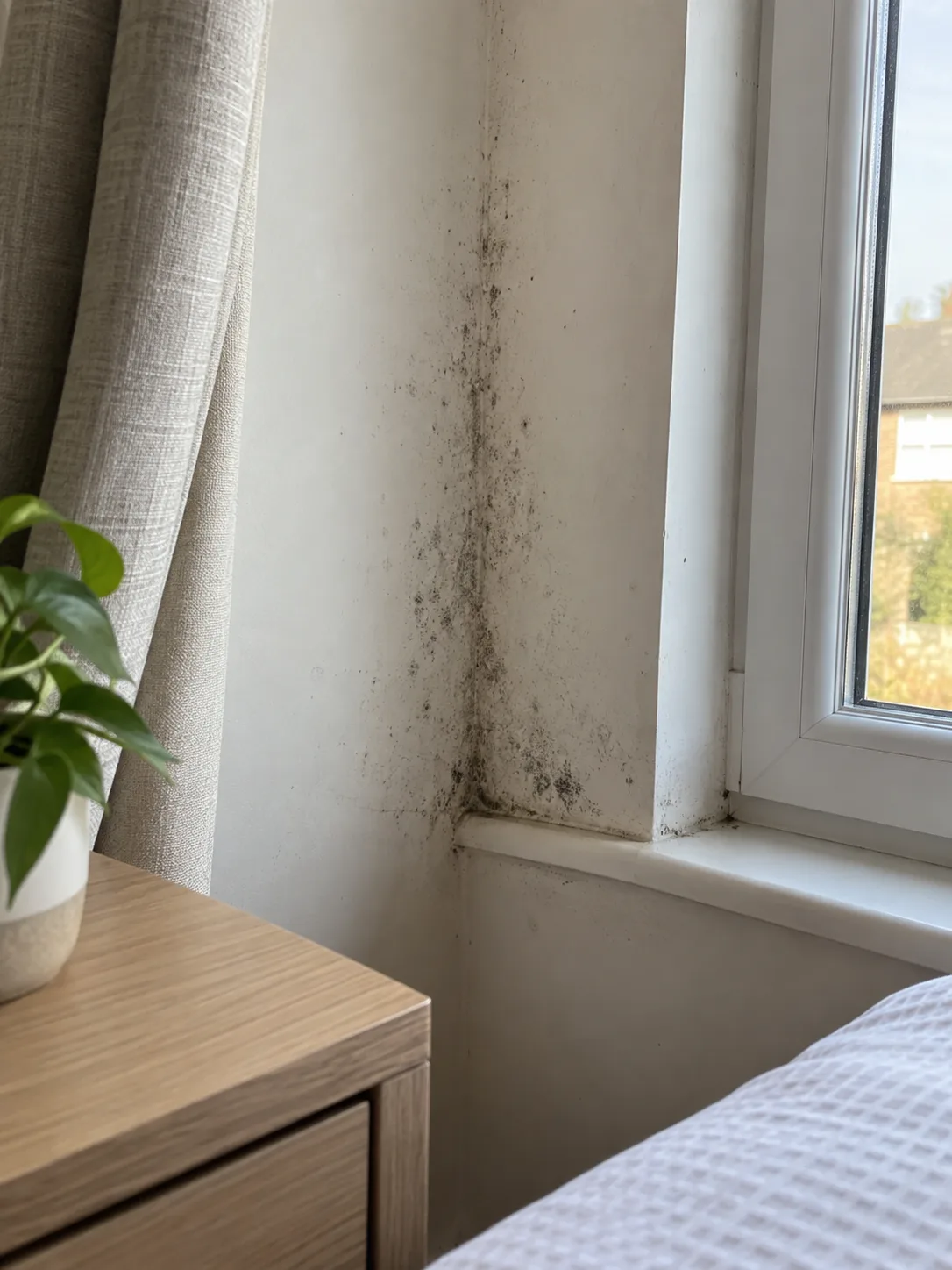
Describe where water settles and at what times. Glass wet overnight, growth behind furniture and a distinct wall stain provide different information. The inspector can compare the surfaces with heating and room use. Give a practical account of the home’s normal arrangement, including doors kept shut and occupied rooms, so recommendations can address conditions that exist between inspection visits.
Give isolated damp a separate source check
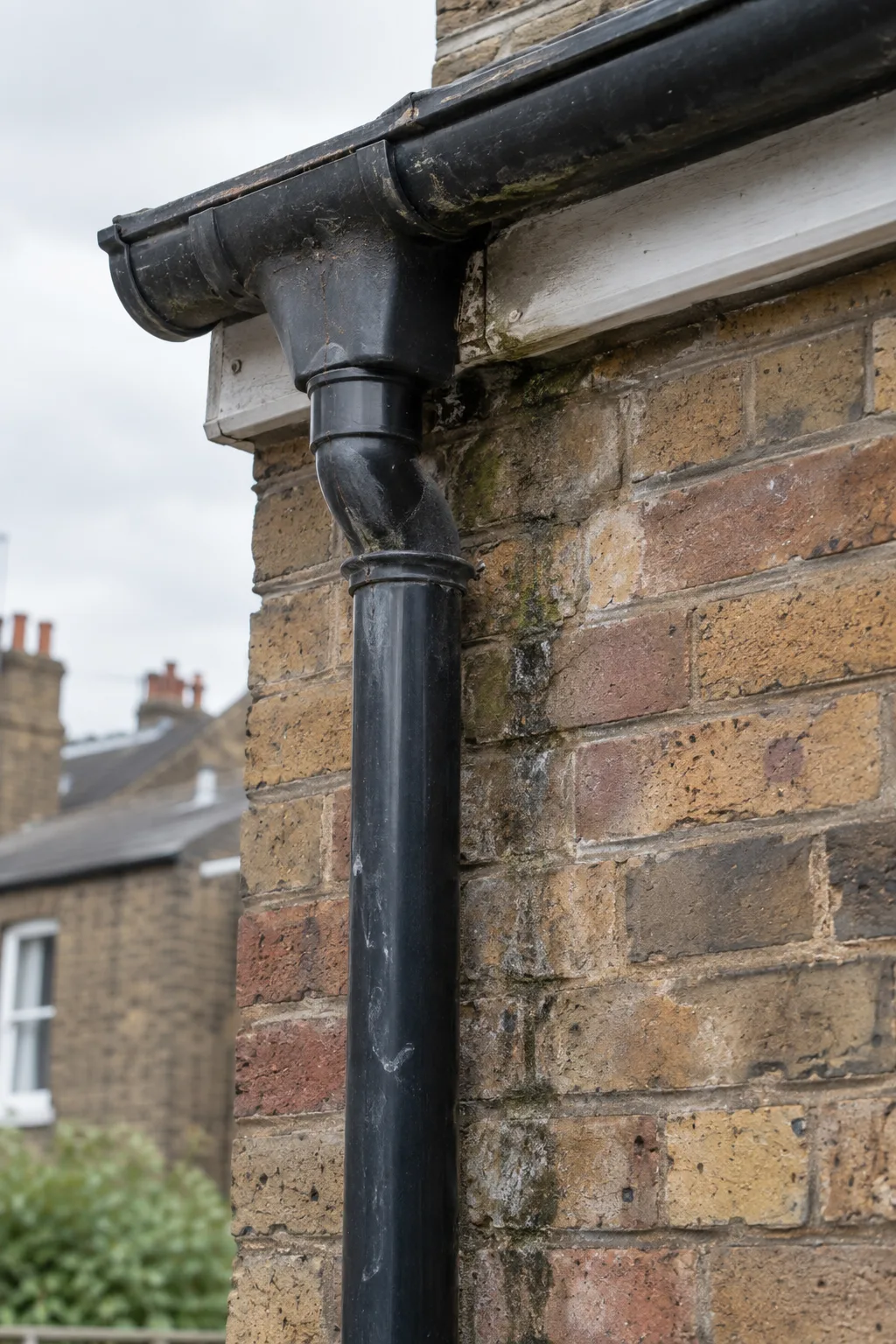
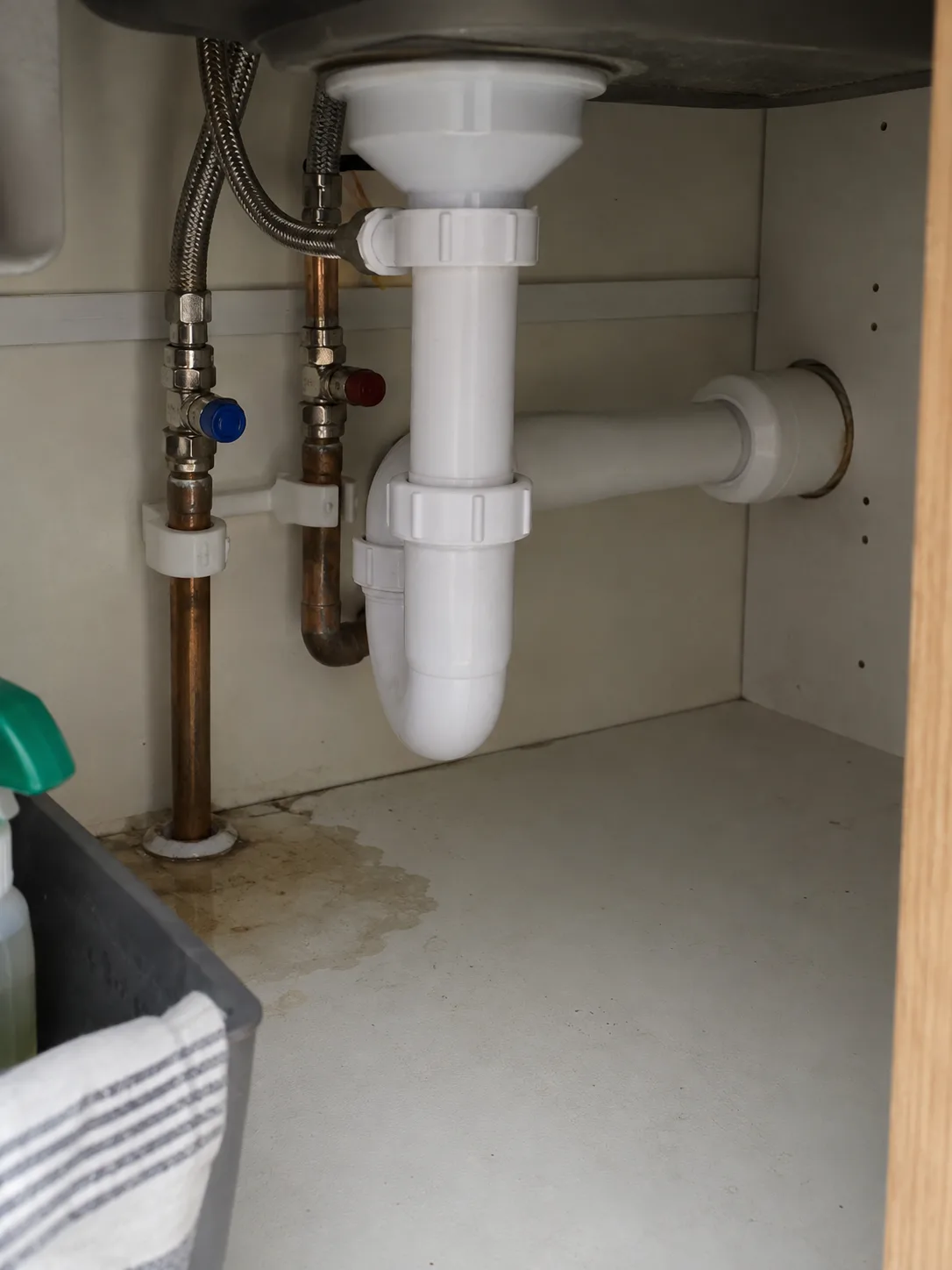
A patch that expands after rain or damage next to plumbing needs its own investigation, even while ventilation provision is being clarified. Assessment of a distinct damp patch can consider materials, readings and possible water routes. Tell us about fresh water, peeling finishes or an increasing area. Report active water escape promptly to the appropriate repair contact.
If window or building work has already been revisited, keep the observations and repair scope. Establish which checks addressed ventilation and which examined possible water entry. These are different questions. Photographs taken before cleaning or redecoration can preserve the original evidence, while notes about control changes explain any difference in the room’s current conditions.
Agree the room measures and surface work together
Mould treatment for the affected rooms can be considered after the surfaces and extent are assessed. Cleaning addresses visible growth within scope; ventilation provision and any building source need their own measures. Ask which recommendation follows from which finding and what the installer or another contractor needs to examine. This gives each part of the work a clear purpose.
Keep the installation record, assessment findings and agreed control guidance together. Discuss what to review after changes, including the same wet surfaces and any previously unexplained patch. A newly clear window or a clean wall provides one observation, with other materials and room conditions still relevant. If growth returns, the record helps identify what was completed and which ventilation or source question needs another look.
PROPERTY & MOISTURE CHECKS
QUESTIONS BEFORE A VISIT
Useful questions
How can I find out what the small frame control does?
Check the installation information and ask the installer to identify its purpose and operation. Photograph the accessible part; avoid dismantling the frame or assuming every small opening has the same function.
Does having a window vent mean bathroom extraction is adequate?
No. They are different parts of the moisture arrangement. The assessment should consider accessible extraction, air routes and room conditions together, with any system question beyond its scope stated clearly.
Should every room have the same control setting?
Use the guidance for the actual installed arrangement and discuss unclear advice with the appropriate contact. The moisture assessment can consider normal use and provision; it should not prescribe one setting without understanding the home.
What should I record before altering vent controls?
The visible controls and usual positions, affected rooms and wet surfaces. Those details help interpret changes and connect any later observations to what was actually adjusted.
Can unclear ventilation explain an expanding rain-related stain?
That stain needs a separate source enquiry. Ventilation and water entry can coexist, so the findings should distinguish the evidence and measures for each concern.
Nearby areas
Clarify the installed ventilation before choosing more work
Call about the Northolt property with your window installation information and the rooms affected. We can discuss a ventilation assessment and any separate moisture questions the symptoms raise.