DAMP & MOULD SPECIALIST
Damp and Mould Specialist Acton
A change to the windows can change how a room behaves. We examine recurring bedroom mould and the moisture conditions around the new installation.

What changed when the windows were replaced?
If mould appeared in your Acton bedroom after replacement windows were fitted, the timing is useful but does not settle the cause. A tighter installation may alter background airflow. A cold reveal may still collect moisture, and an external junction may need checking. We look at the new installation and the rest of the room together, including the airflow provision and the wall areas where moisture now collects.
Tell us whether ventilation openings were included, whether they are accessible and how the bedroom is normally used. Earlier photographs can show if the same corners were marked before installation. Keep the fitting records if available, because the intended ventilation arrangement and the actual accessible details may help explain the change.
Check if the replacement installation changed the width of the reveal or the position of the curtain. Those details can alter the accessible surface and its air movement, even where the opening size stayed the same. They should be described alongside the fitting date. Do not treat them as proof of cause; they give the inspection a more accurate account of what actually changed in the bedroom.
Separate glass droplets from wall damage
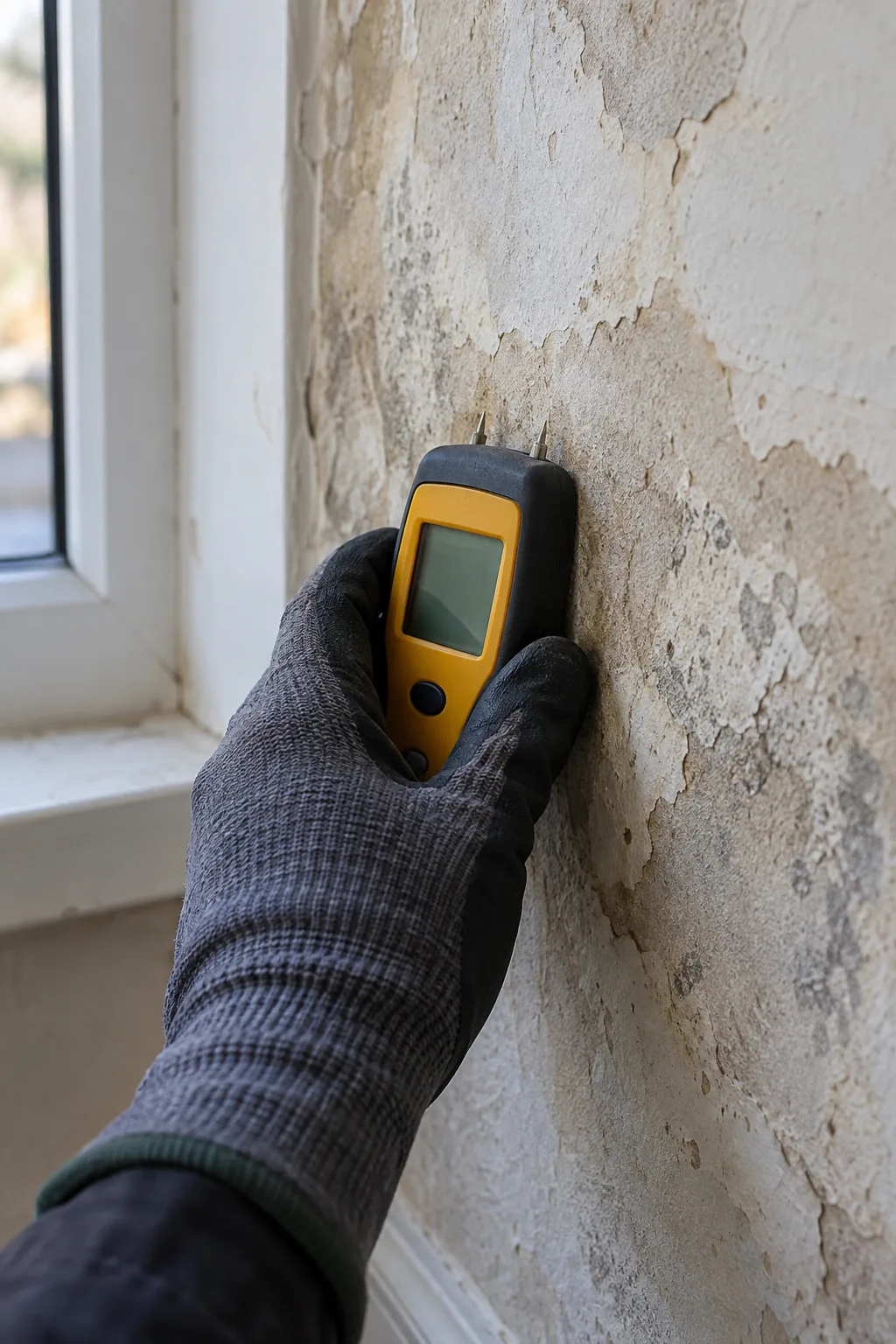
Condensation on glass is visible and easy to notice. Moisture at the wall edge may be less obvious until mould forms. Check the reveals, the junction with the sill and the nearby ceiling corner. Note whether water appears only on cold mornings or whether a particular wall patch changes after rain. A damp reveal and wet glass do not necessarily share the same source.
Our window and cold-surface assessment considers the precise position of growth. Curtains, blinds and furniture may restrict air movement near the installation, so their usual arrangement is relevant as well as the window itself.
Look at the room’s moisture balance
We ask about extraction elsewhere in the home, bedroom heating and activities that release moisture. The inspection should also consider external defects and accessible fittings. Indoor condensation is not a reason to ignore a leak, and the presence of a new window is not enough to blame its seals. Readings and observations need interpreting with the property history.
A review of background ventilation and moisture removal helps establish whether the room is repeatedly exposed to damp air. The recommendations should explain how the installed ventilation can work for this room and which part needs closer attention if repeated wetting continues.
A rain-related patch needs a separate check
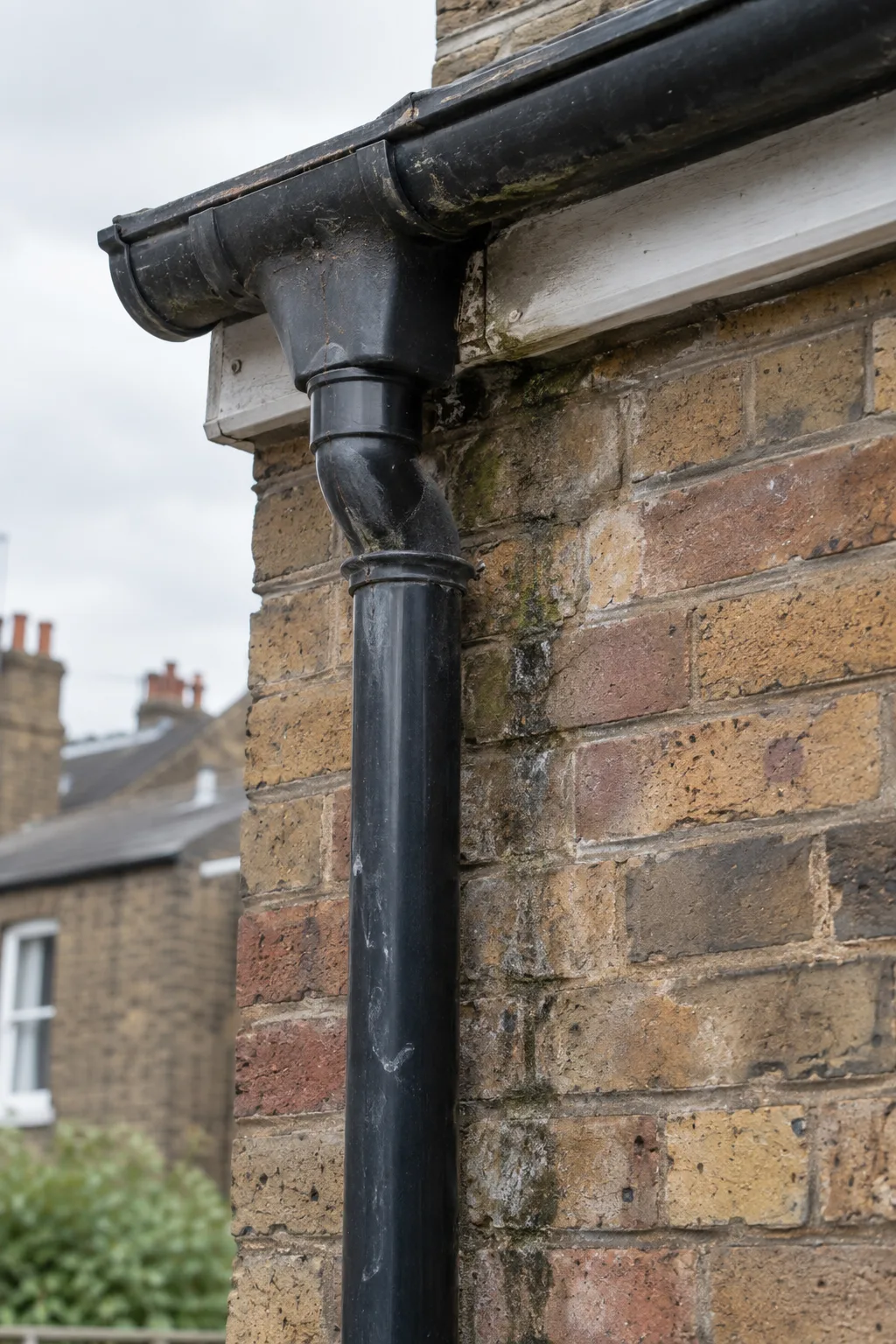
If staining is concentrated at one junction and worsens after wet weather, checking accessible entry points around the opening may be appropriate. Water can travel through the surrounding construction, so the indoor mark may not identify the precise failed detail. Access can limit what is seen outside, and any further inspection should be clearly described.
Do not apply fresh sealant to every joint before the assessment simply because the window is new. That can hide evidence without identifying the route. The installer may need the findings and photographs if an installation detail warrants closer examination.
Treat the growth with a plan for repeated wetting
Removal and treatment of bedroom mould should be considered alongside the cause. Wiping the reveal repeatedly may reduce the visible patch while leaving the same surface wet. A ventilation change can address one mechanism; a repair to an opening addresses another. Explain which work is intended to solve which finding.
Before redecoration, assess the condition of paint and plaster, including the window corners that are usually behind curtains. Keep the original photographs and check those exact points after the agreed work. A clear follow-up record is more useful than judging the whole room by whether it smells fresher.
Leave the evidence visible
Tell us what has already been cleaned and keep photographs taken before that work. Access to the reveals and ventilation controls is helpful, but there is no need to remove fitted blinds without discussion. If you rent, arrange inspection access and work authorisation through the appropriate person. The assessment can then explain the observations and any remaining limits before further alterations are considered.
PROPERTY & MOISTURE CHECKS
QUESTIONS BEFORE A VISIT
Useful questions
Can better-sealed windows change bedroom condensation?
They can change airflow, but the overall moisture conditions and ventilation provision need checking. The timing alone does not prove an installation fault.
Does water on the glass explain every damp reveal?
No. Condensation may contribute, while water entry at an external junction can produce separate damage around the same opening.
Should I ask the installer to reseal everything first?
Preserve the evidence and discuss the symptoms before choosing repairs. A targeted check is more useful than covering every accessible joint.
Are curtains relevant to the inspection?
Yes. Their normal position can affect airflow around colder surfaces. Let us know if the growth is hidden behind them.
What if the mould was there before the new windows?
Earlier photographs help distinguish a continuing problem from a change after installation. Include both periods so the inspection can compare the old and new arrangement.
Nearby areas
Discuss what changed in the bedroom
Call about your Acton property, the replacement windows and where moisture now appears. We can help plan the checks.