DAMP & MOULD SPECIALIST
Damp and Mould Specialist Chiswick
If a glazed kitchen extension gets wet after cooking, the useful starting point is where indoor moisture goes. We assess the connected rooms before another clean or equipment purchase.
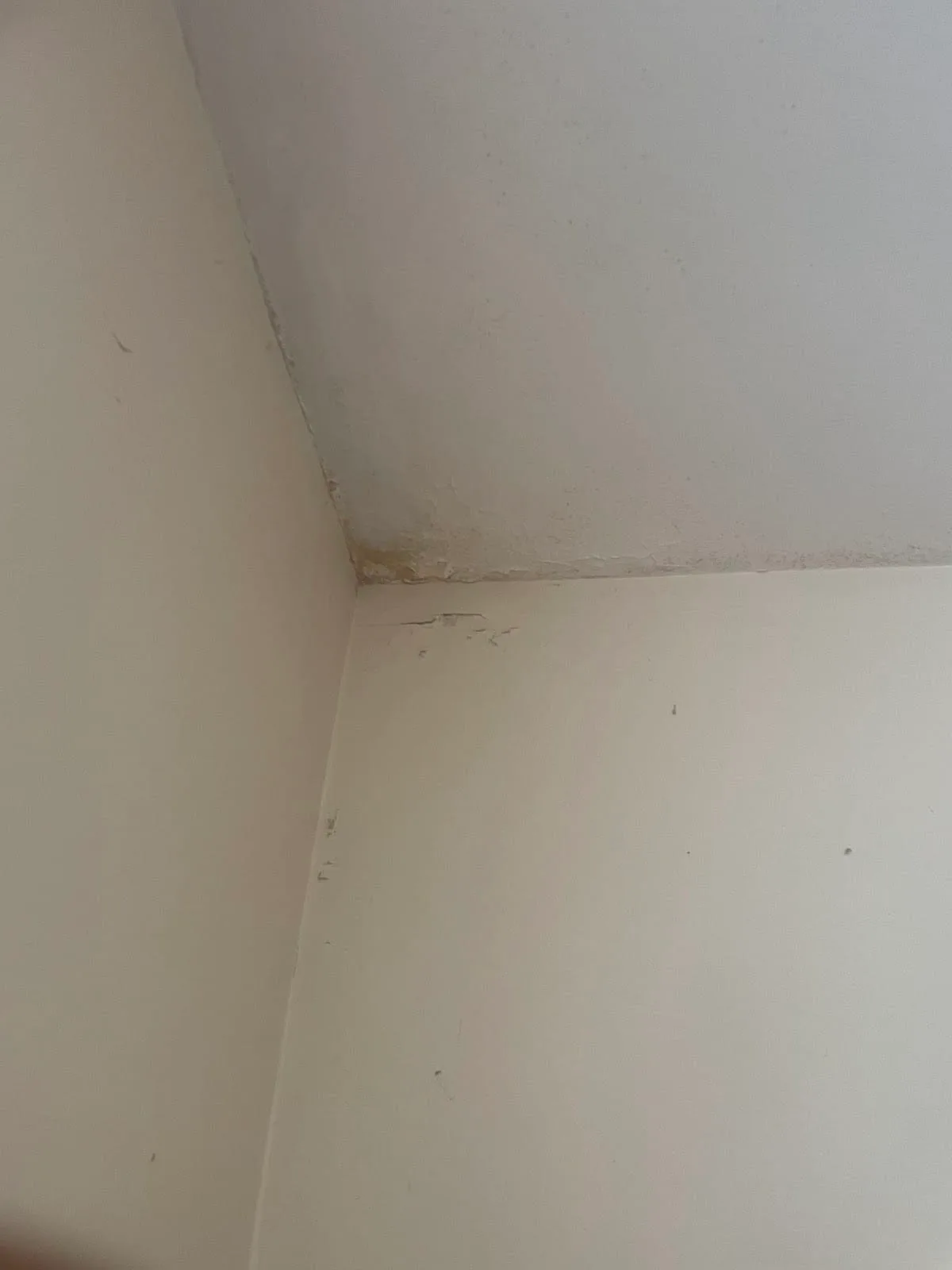
The glazing gets wet after the kitchen is used
If your Chiswick home has a glazed kitchen extension, record where moisture appears after ordinary cooking and how quickly each surface clears. Moisture may collect on glass, a reveal or a cooler corner away from the hob. The affected surface is where you notice the problem; it may not be where moisture enters the air. That distinction matters before deciding to reseal an opening or buy a different cleaning product.
Note how the extension connects to the original house. An open doorway, a long continuous room or doors that are normally shut create different air routes. Photograph the whole arrangement, including the hob, glazing and marks. A close-up of a black corner cannot show how moisture may be travelling through the living space.
Make a short record of use and clearance
On occasions when condensation appears, record the cooking activity, extractor use and which doors were open. Note where water appeared first and whether it cleared before the next use. Include washing dried in the room or steam arriving from another space. These are observations for the inspection, not an invitation to decide that cooking alone caused every mark.
Compare the extension with the adjoining room at the same time. Is glass wet in both spaces, or does the problem stop at one doorway? Does a wall corner remain damp after the glass clears? Those differences help direct a review of moisture movement and ventilation. A single humidity reading without that room context leaves useful questions unanswered.

Check what the cooking extraction actually does
Tell us which equipment is installed and provide its instructions if available. A hood operating above the hob and an arrangement removing moisture outside are not automatically the same thing. Do not infer the concealed route from the appliance’s appearance. Our kitchen moisture checks examine the visible extraction arrangement and identify any concealed equipment question that needs a separate closer assessment.
Replacement air and the route between rooms deserve consideration alongside extraction. Improving removal at the kitchen is a different task from treating growth at distant glazing. Ask which observed condition each proposed measure addresses. A louder appliance, an open door or a new decorative finish should not be treated as evidence that the room’s moisture balance has been resolved.
Separate glass condensation from a wet reveal
Our assessment of glazing surrounds and cooler surfaces follows the wetting across the exposed frame and reveal, including corners sheltered by furnishings. Curtains, blinds or furniture can create a recess with less air movement. Photograph their normal positions before rearranging them. The inspection needs the room as it is usually used, even if movable items are cleared to make access possible.
Water on glass after cooking does not explain every adjacent stain. A defined patch that persists through non-use, or changes after rain, needs a separate question. A focused investigation of persistent wall moisture may be appropriate. External or concealed-source checks become relevant if the evidence points that way; they should not replace assessment of the indoor pattern simply because the room is an extension.
Account for measures already tried
List changes made since the problem began: different extraction settings, moved blinds, an open connecting door or a portable device. Note what improved and what remained. Several simultaneous changes can make their effect difficult to interpret. Describe the result of each change so the inspection can build on what improved and concentrate on the symptoms that remain.
Treat growth with a plan for the room’s normal use
Discuss treatment of the affected mould alongside moisture measures supported by the assessment. A sound reveal and deteriorated plaster may need different attention. Surface cleaning needs supporting moisture measures where the assessment identifies restricted extraction or air carrying steam towards the glazing. Agree what should happen before new decoration covers the area.
Review the cooking pattern again after work
After agreed measures, compare the same cooking and room-use pattern where practical. Observe clearance in the extension and adjoining space separately, keeping photographs of the original surfaces. Improvement at the glass with a continuing wall patch is useful information. It may show that the remaining issue needs its own investigation instead of another identical change to the kitchen routine.
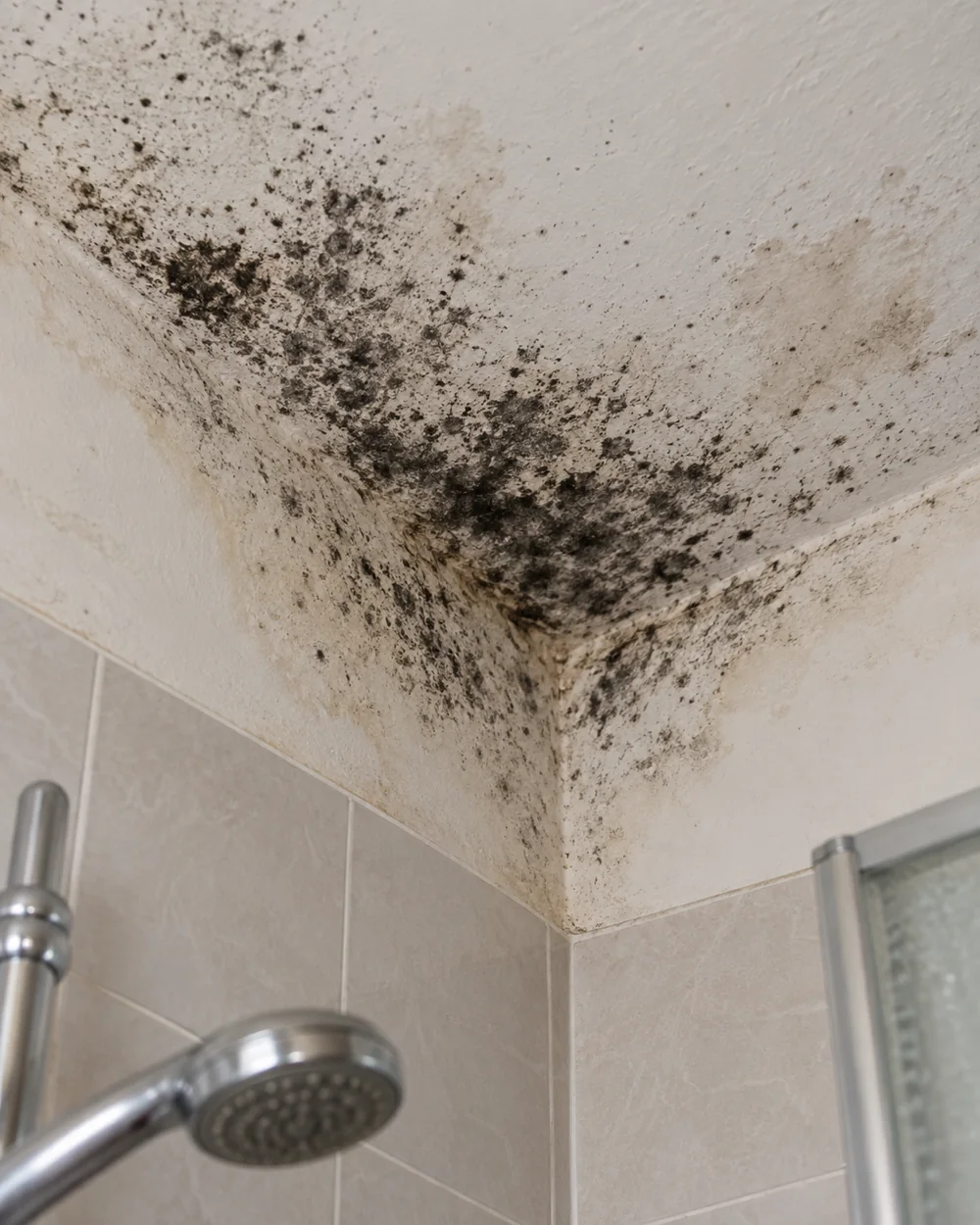
PROPERTY & MOISTURE CHECKS
QUESTIONS BEFORE A VISIT
Useful questions
Why check the original room as well as the extension?
The connected space may supply or receive moist air. Comparing both helps establish the indoor route and avoids concentrating only on the surface where condensation becomes visible.
Does a hood above the hob confirm steam is removed outside?
Check the available instructions and describe the installed arrangement when booking. We assess what can be seen and identify any duct or equipment question needing the appropriate closer inspection.
What should I record when glazing gets wet after cooking?
Note extractor use, door positions, the first affected surface and how long moisture remains. Include other relevant activities, without treating the sequence as a diagnosis before inspection.
Can a wall patch need investigation even if the glass has condensation?
Yes. A defined patch that persists during non-use or follows rain may have another contribution. The assessment should separate it from the cooking-related glass moisture.
How do I explain changes that only partly helped?
List each measure, its date and the symptoms it changed. A partly successful ventilation change is useful evidence, while a remaining stain may require a different source check.
Nearby areas
Follow the moisture route before another purchase
Call about the Chiswick kitchen extension, its connection to the house and what happens after cooking. We can discuss an assessment of the rooms together.