DAMP & MOULD SPECIALIST
Damp and Mould Specialist Brentford
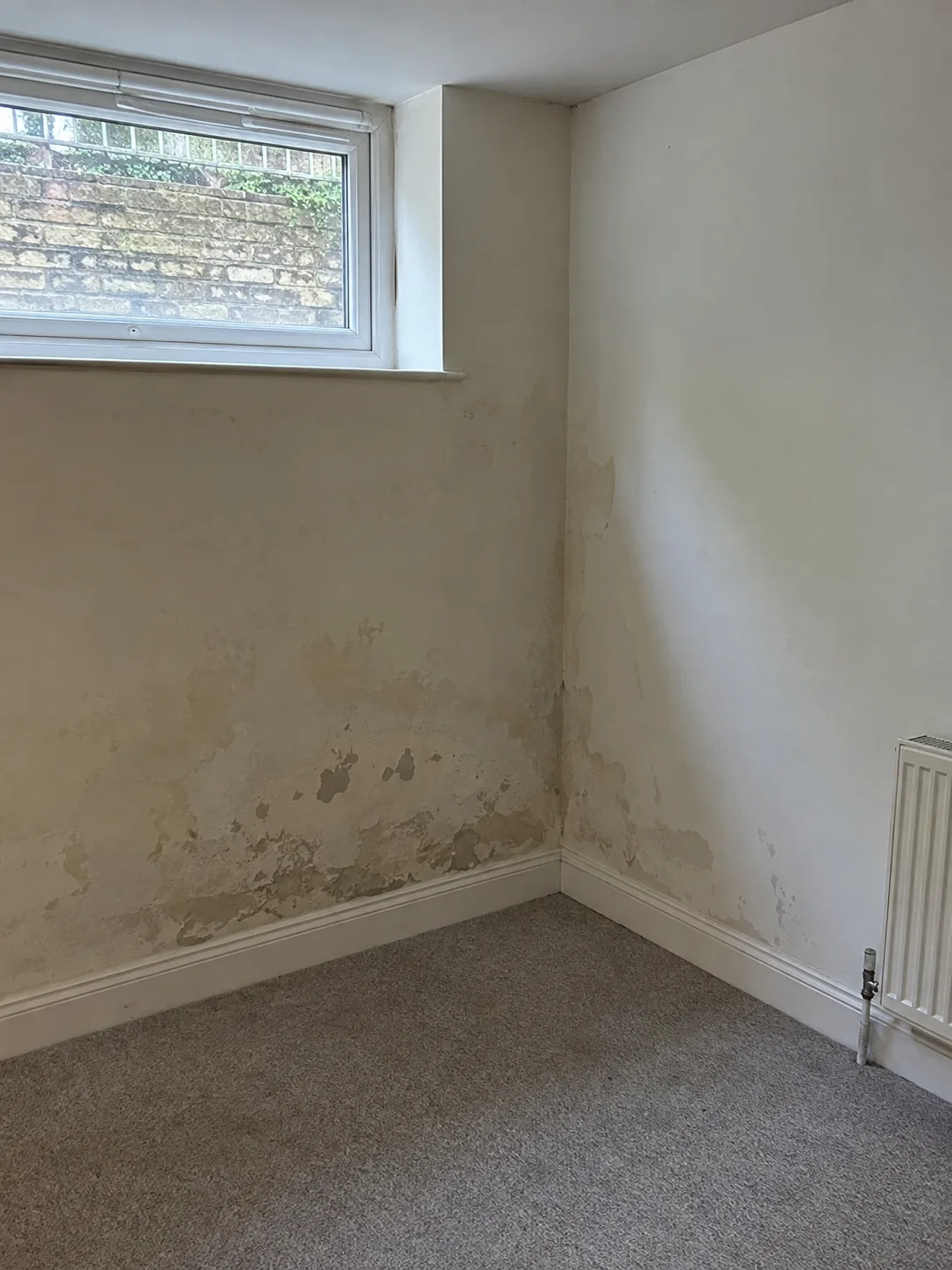
The ceiling mark is changing and nobody has confirmed where the water starts. The immediate task is to connect the observed damage with the access and checks needed to investigate the source.
Make the unresolved source the booking question
For a Brentford flat with continuing ceiling damp, describe what is changing now: the outline, fresh droplets, bubbling or damage in another room. State which source checks have happened and which have only been discussed. A report that an upstairs fitting might be involved is useful history, with confirmation still needed. The assessment should keep that open question central.
A focused investigation of the ceiling moisture can examine accessible surfaces and compare the pattern with the history. Explain who can arrange entry above and whether any service cupboard is accessible. If water is actively escaping or damage is developing, notify the relevant repair contact promptly; arranging an inspection should happen alongside appropriate attention to the source.
Bring the access contacts into one plan
Identify the contact for your flat, the occupied space above and any relevant shared services. Ask who can authorise entry and who can approve further work. Confirm the arrangement before the visit, including which areas each person can make available. Front-door access to your own home may leave the suspected source completely unseen, so the proposed scope needs to reflect that.
Keep a short record of the agreed contacts and any unavailable areas. If entry above cannot yet be arranged, the inspection can document your accessible damage and explain the additional question. Its findings should be shared accurately: an unseen fitting is neither confirmed faulty nor confirmed sound. This makes the next access request specific and useful to the person who must arrange it.
Share a clear record of continuing change
Photograph the same ceiling from a consistent position, adding a wider view to locate the patch in the room. Label any separate stain so several images are not mistaken for one area. Record the ordinary observations you have already noticed, such as change after water use elsewhere, without assuming the timing proves a particular fitting is responsible.
If a repair contractor attends, keep their observations and actual scope. A check of an accessible basin connection may leave concealed waste or supply routes unanswered. Ask what was examined and what could not be seen. Put those details with the ceiling record so later visitors can direct their checks at the gap in evidence and avoid repeating an incomplete visit.
Follow the possible route through the accessible areas
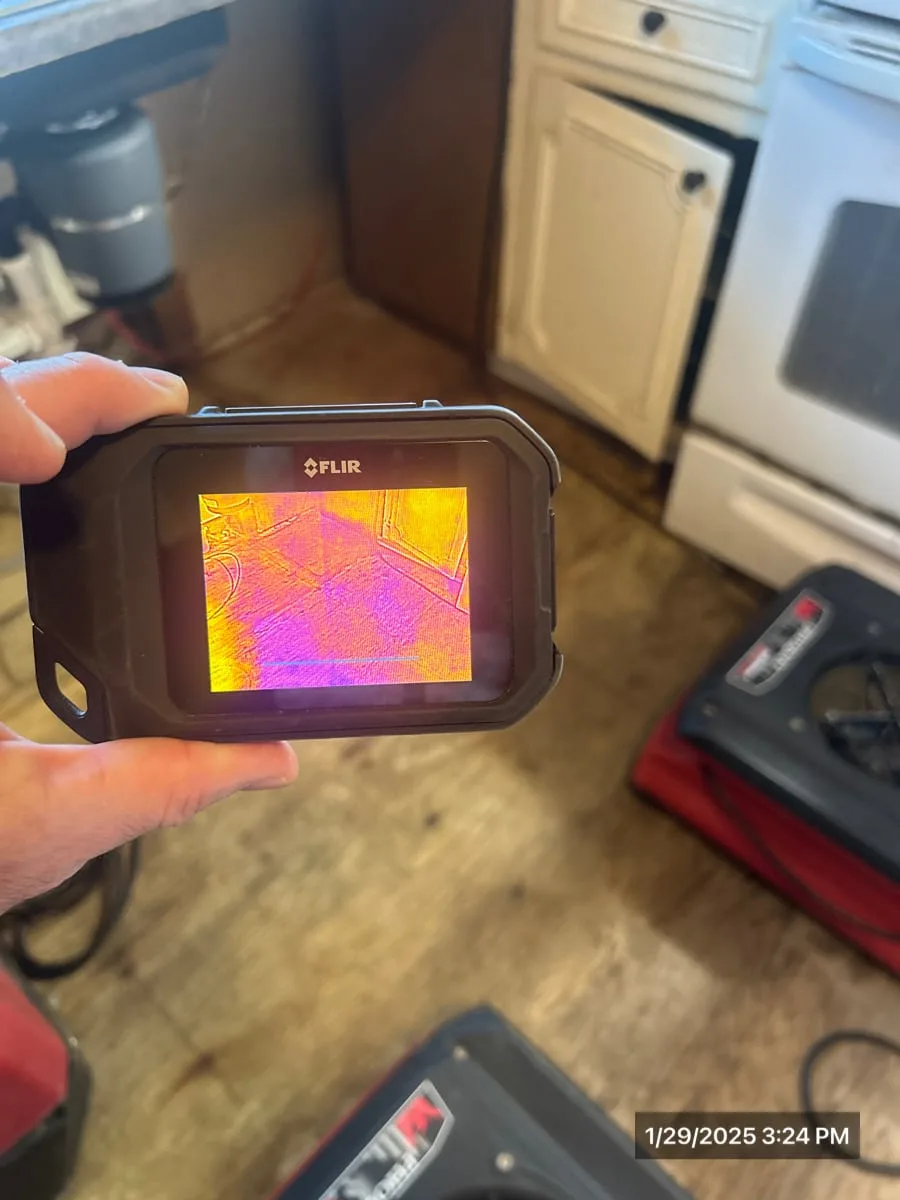
Water can move through construction before appearing on your ceiling. Its visible position helps guide checks but may lie away from the entry point. Investigation of a possible concealed water source can use accessible observations and relevant measurements to narrow the enquiry. Hidden fittings may still require targeted entry or another contractor’s examination before a route is confirmed.
If your flat is rented, a report of the ceiling findings and access limits can help organise repair planning. Discuss its purpose before booking and clarify who receives it. The record can explain the evidence and recommendations; decisions about legal responsibility remain separate. Keeping that boundary clear helps everyone work with the observations available.
Do not let surface work become the only response
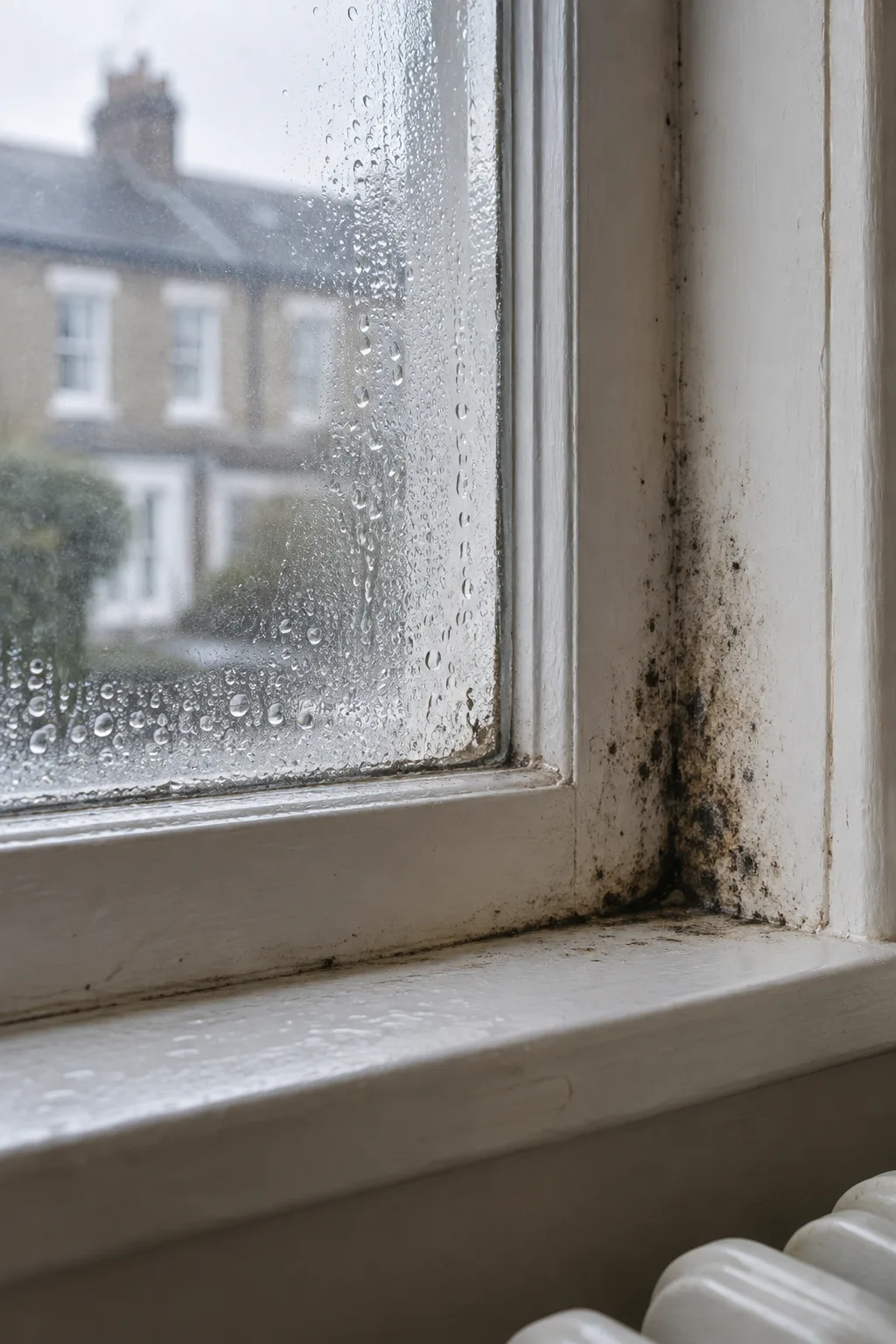
Where mould has developed, assessment of ceiling mould treatment can establish the affected surfaces and proposed scope. Loose paint or damaged materials may need another repair decision. Treatment deals with the visible consequence and needs coordination with the unresolved source checks. Ask how the present condition affects that sequence and which work can reasonably proceed.
Before decoration, establish which source was identified, what repair was completed and which areas remain unexamined. Retain photographs of any opened space and the relevant contractor’s findings. If access produces new evidence, update the repair plan. The useful outcome is a joined-up investigation with a specific next task for each contact, not an attractive ceiling that leaves the ongoing water question unresolved.
PROPERTY & MOISTURE CHECKS
QUESTIONS BEFORE A VISIT
Useful questions
What if the upstairs occupant cannot offer access yet?
Record that limitation and agree who will arrange entry. Your accessible ceiling can be assessed, with the source question left open and the purpose of the requested upstairs checks clearly stated.
Can a stain position identify the exact upstairs fitting?
It can guide investigation, but water may travel before becoming visible. The fitting and route need supporting evidence, sometimes requiring further access or plumbing checks.
What should I ask after a contractor checks upstairs?
Ask which fittings and routes were examined, what was observed and what remained inaccessible. Keep that scope with the ceiling photographs so the next check addresses the remaining gap.
Can a landlord report coordinate an unresolved ceiling leak?
Relevant observations, limits and recommendations can support repair planning. Explain the intended use before booking, and keep inspection findings separate from decisions about legal responsibility.
Can I book ceiling mould treatment while the source is uncertain?
Discuss the present condition and sequence. Treatment may be considered within scope, but ongoing water and damaged materials need a coordinated plan so surface work does not become the only response.
Nearby areas
Connect the ceiling evidence with the source access
Call with the Brentford address, current damage and the access contacts available. Tell us which checks have actually happened so the inspection can direct the next unresolved source question.