DAMP & MOULD SPECIALIST
Damp and Mould Specialist White City
You hear the fan during the shower, but are unsure what happens when the light goes off. That operating pattern is useful evidence before another extractor is bought.
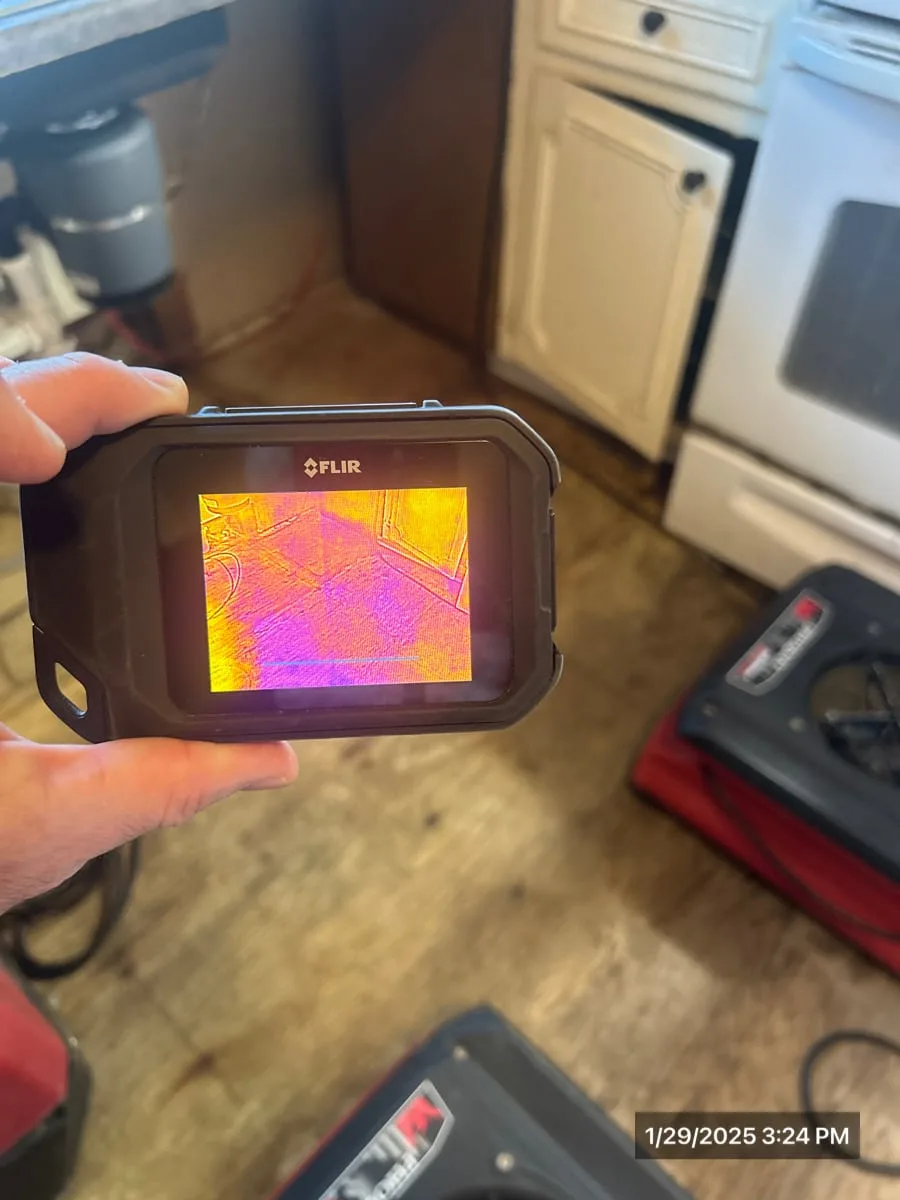
Describe what starts and stops the fan
If recurring bathroom mould in your White City flat is prompting a fan replacement, first describe the controls you actually use. Does the fan start with the light, a separate switch or another control? What happens after the room is no longer in use? Record what you observe without assuming the intended setting from its sound or appearance.
Find the operating information if available and note any controls you cannot identify. A review of bathroom ventilation and normal operation can consider that information with the wetting pattern. The assessment should identify any equipment question requiring a suitable contractor, alongside what can be established from the room.
Follow the ordinary shower-to-dry-room sequence
Note which surfaces are wet after normal bathing and which remain wet later during ordinary use. Include glass, ceiling corners and any distinct wall patch. Record the fan and door arrangement at those points. You do not need to produce extra steam or impose a fixed observation period to make a useful account.
Compare a day when the bathroom is used normally with an occasion when it is unused. An expanding stain that remains unrelated to bathing needs attention separately. Checking bathroom fittings and moisture patterns keeps that source question within the enquiry instead of treating every mark as a control problem.
Keep earlier control changes in the history
Tell us about any switch, fan or grille work since the symptoms began. Keep the contractor’s scope and observations. Replacing a visible fitting may leave another part of the ventilation arrangement unexamined. If you changed a user control, record its original position and what happened to the wet surfaces afterwards.
Do not remove covers, alter wiring or adjust an unfamiliar hidden setting to gather evidence. Use the information for the installed equipment and discuss unclear operation with the appropriate contact. The damp assessment can help frame a particular ventilation question; it should not be represented as electrical servicing unless that work has been separately agreed.
The door arrangement belongs beside the controls
Air needs a route into the room while extraction removes it. Describe the normal door position and accessible ventilation points. If the room is aired differently before the visit, tell us. Those details help interpret current observations against the conditions under which the bathroom usually stays wet.
Ducting may disappear into a ceiling or connect to an arrangement managed elsewhere. State which parts can be viewed and who holds maintenance information. A component outside the inspection’s scope needs a defined further question, not a claim that the entire route has been checked because the fan switched on.
Investigate a separate persistent patch on its own evidence
A ceiling stain below plumbing, damaged seal or wet wall adjoining another room may require a focused source investigation. Photograph its full outline and note relevant use or weather changes. A fan-control concern can coexist with another moisture route.
If evidence points behind a panel, checks for concealed bathroom water may be needed. Agree what a further view would help confirm and who can arrange it. Report fresh water or developing material damage promptly to the person responsible for repair, while keeping the control observations as a separate part of the record.
Choose treatment and equipment work for their own purposes
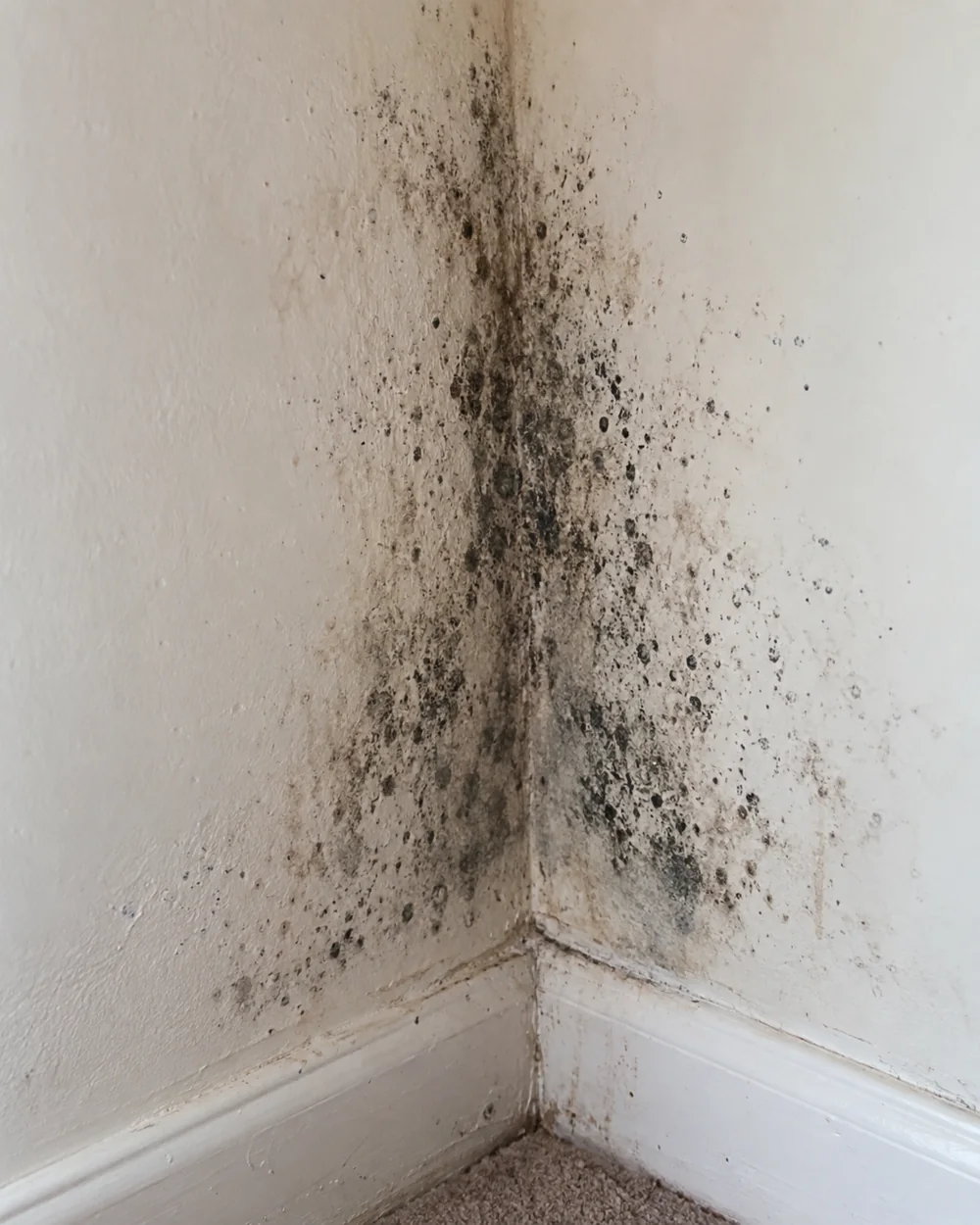
Treatment of the bathroom’s mould-affected surfaces should consider extent and material condition. It removes growth within an agreed scope, while any supported ventilation or source work addresses repeated wetting. Ask which finding each proposed action is intended to change.
Before buying a replacement fan, clarify the operating or airflow question that remains and whether the proposed equipment work would answer it. Keep repair records and compare the same surfaces after agreed changes. A new switch or clean ceiling supplies one observation; the outcome still needs to reflect ordinary bathroom use.
PROPERTY & MOISTURE CHECKS
QUESTIONS BEFORE A VISIT
Useful questions
Should a fan that starts with the light continue afterwards?
The intended operation depends on the installed arrangement. Find its information and describe what actually happens, so any control question can be directed to the appropriate contractor.
Can a fan sound normal while the room stays wet?
Yes. Sound alone does not describe the air route or moisture removal. Compare accessible provision, controls and the surfaces that remain wet.
Do I need to change settings before the assessment?
Describe the usual setup and any previous changes. Keep user guidance available and avoid altering unfamiliar or concealed settings to manufacture a different result.
What if only one stain persists when the fan operation changes?
Record that outcome separately. The stain may need its own source or material assessment while the wider bathroom moisture pattern is considered.
Will a damp inspection include electrical repair of the fan?
Confirm the agreed scope. Room moisture assessment can identify a relevant equipment question, with electrical or specialist ventilation work arranged through the appropriate contractor.
Nearby areas
Understand the fan’s operation before another purchase
Call about your White City bathroom with the normal controls and wetting pattern. We can discuss the assessment and any equipment question needing a separate check.