DAMP & MOULD SPECIALIST
Damp and Mould Specialist Willesden
Several mould complaints may have a shared contribution or quite different causes. We compare the affected rooms and explain what each finding supports.
Do not turn several complaints into one assumption
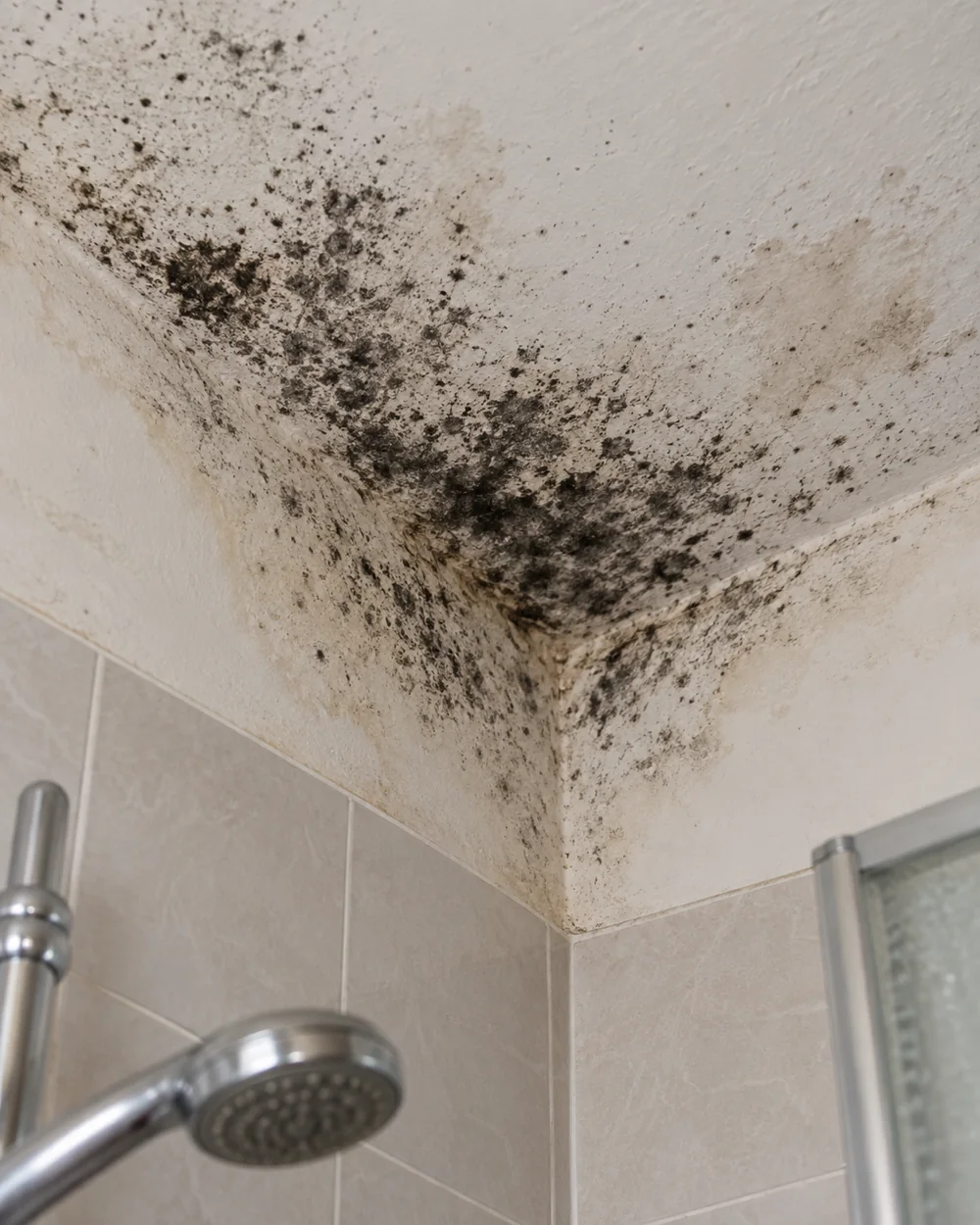
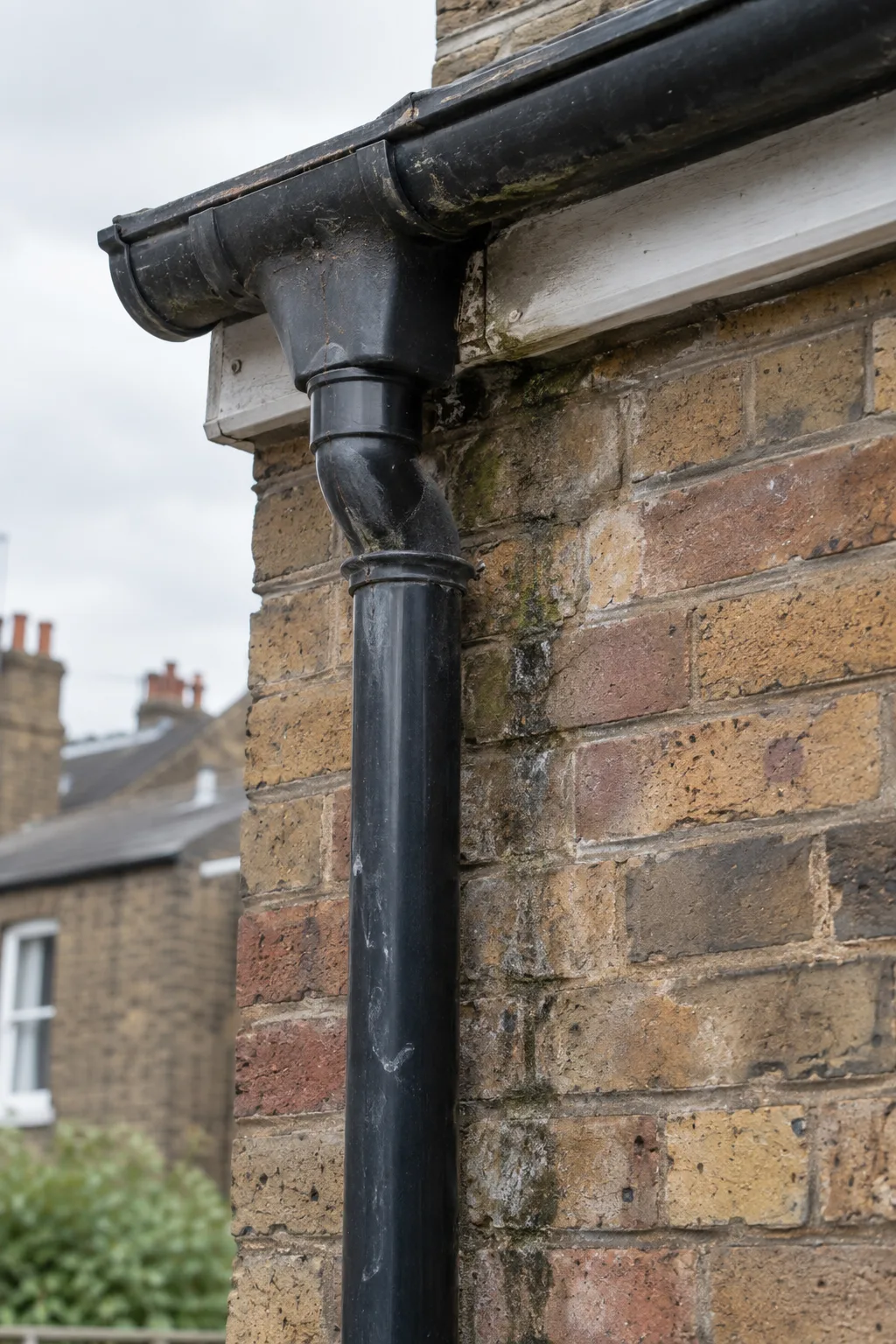
If different occupants report mould in a shared Willesden property, record each affected room separately. One bedroom may have growth behind furniture, another a wet window and a third a defined ceiling stain. Record shared moisture conditions alongside each bedroom’s individual signs, including any rain-related stain or fitting-use pattern that needs a different check. Organise the enquiry by room so the inspection can compare those different patterns and give each recommendation a clear location and purpose.
Ask for room photographs and a short account of timing from each occupant. Include changes after rain, bathing or overnight use. Keep the accounts factual without asking residents to diagnose their walls. A room-by-room record helps the inspection plan access and compare symptoms, particularly where complaints arrived at different dates or earlier work covered only part of the property.
Agree which rooms and shared spaces need access
A damp and mould assessment for the landlord should have a clear scope. Describe the rooms reported, shared bathrooms or kitchens that may be relevant and any access restrictions. Agree access to each reported bedroom with its occupant before booking, and identify any room that will remain unavailable during the visit. Written findings should identify which areas were actually inspected and where the evidence remains incomplete.
Share previous reports and repair descriptions before the visit where possible. An earlier assessment may have dealt with one complaint while another source developed later. Knowing the scope and dates helps the current visit build on actual findings without automatically accepting or rejecting a previous explanation. The report should not be represented as deciding legal responsibility simply because it records household conditions.
Assess the moisture pattern in each room
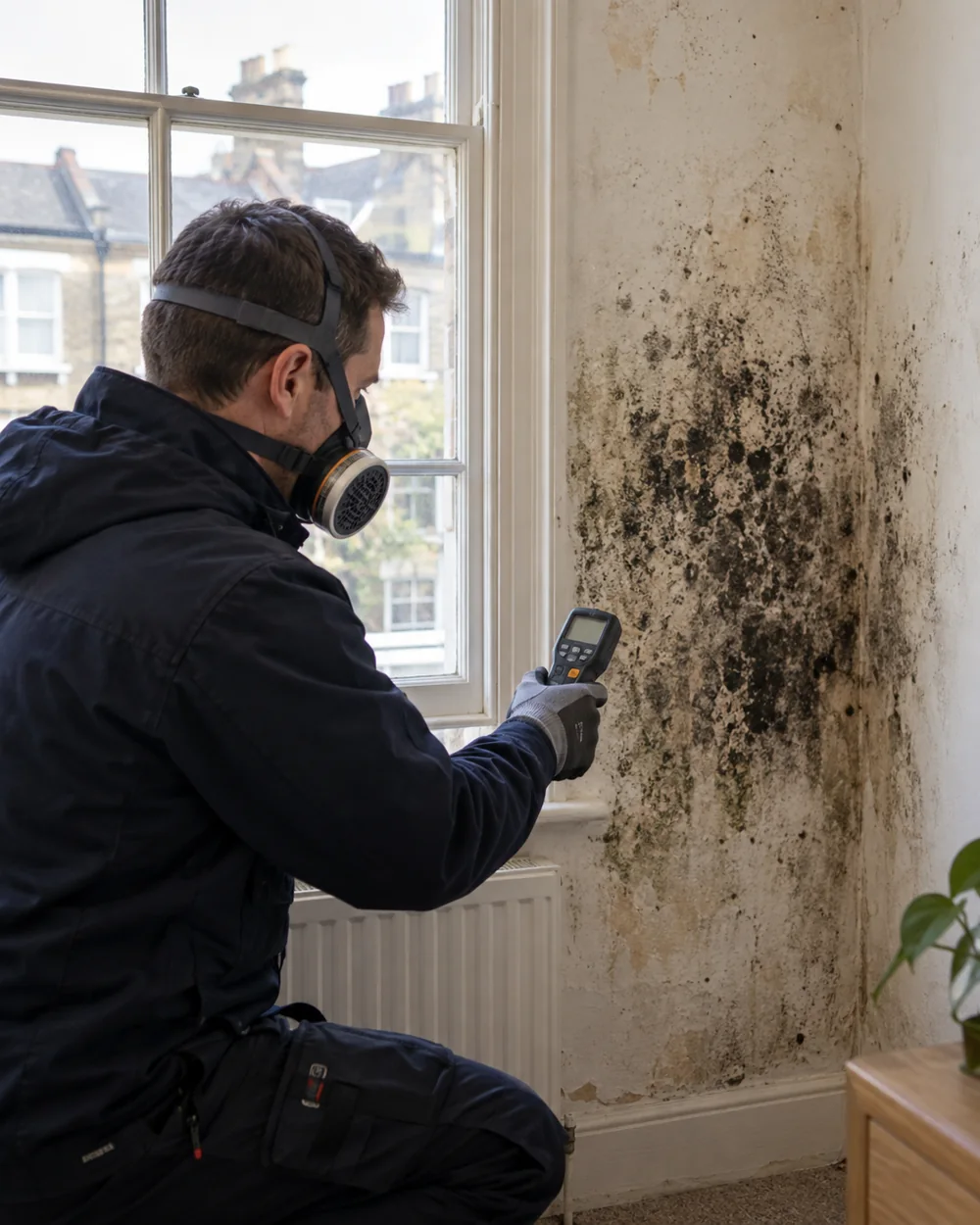
A property moisture investigation works through the reported rooms, matching the history of each concern with its exposed surfaces and relevant measurements. Materials and finishes affect interpretation. A reading in one bedroom cannot establish the condition of another inaccessible room. We distinguish observations, supported explanations and checks still needed, keeping a defined stain separate from scattered surface growth where the evidence warrants it.
For rooms with wet glass or cool corners, a review of condensation and airflow considers heating, ventilation and normal occupation. Door positions and shared moisture sources can influence movement between spaces. These observations provide context; they should not substitute for checking a possible leak or outside water source in an individual room.
Look at the rooms producing moisture
Where steam lingers in shared bathrooms or kitchens, checks of moisture removal in those rooms may help explain the wider conditions. Fan operation alone is not a complete assessment. Tell us about usage patterns and recent equipment changes, while preserving each bedroom’s distinct signs. A shared contributor can exist alongside a local building defect.
Give each recommendation a location and purpose
Discuss mould treatment for the affected surfaces alongside the repair or ventilation tasks supported by findings. A plan should make clear which room each task concerns and why. Cleaning every wall identically may remove visible growth without addressing its different wetting routes. Ask which concealed area still needs checking and give the relevant occupants clear information about the room, task and access arrangements for subsequent work.
Keep communication usable for the next contractor
Put photographs, findings and completed work into a dated record organised by room. That is more useful than a long chain of messages with uncertain locations. Identify who can authorise work and who can arrange access. For an unavailable room, record the outstanding question and arrange a focused follow-up there, with its own observations supplied to the repair contractor.
Review the rooms individually after work
Check the original signs under normal use and relevant weather, noting improvement or recurrence by room. One dry window does not show that a separate ceiling patch is resolved. Preserve new marks before further cleaning or painting. If symptoms move or return in only one room, share that distinction; it may be useful evidence for targeted further investigation.
Tell us about temporary measures introduced in different rooms since complaints began. A portable device, altered heating routine or moved wardrobe can change the conditions during inspection. Keep those changes beside the room’s ordinary routine so the findings can distinguish a temporary measure during the visit from conditions present when the complaint began.
PROPERTY & MOISTURE CHECKS
QUESTIONS BEFORE A VISIT
Useful questions
Does mould in several bedrooms prove one ventilation fault?
No. Shared conditions may contribute, but individual leaks or building features can create different damage. Room-by-room comparison helps distinguish the relevant explanations.
Can the report cover rooms that were not accessible?
It should clearly state the areas inspected and the limits of unavailable rooms. A finding elsewhere cannot be treated as a complete assessment of an unseen space.
Should all occupants provide photographs?
Their photographs and timing observations can help plan the visit. Ask for clear room locations and wide views as well as close-ups, without requiring residents to diagnose the source.
Why inspect shared kitchens and bathrooms?
They may contribute moisture or show relevant ventilation conditions. That context helps the assessment while preserving separate checks for local damage in individual bedrooms.
How should a landlord record completed work?
Keep the date, room, task and purpose with the findings. Then compare the original symptoms in each room instead of treating one invoice as evidence that every complaint is resolved.
Nearby areas
Make the shared-house assessment specific
Call about the Willesden property with the affected rooms and available access. We can discuss a clear inspection and reporting scope.