DAMP & MOULD SPECIALIST
Damp and Mould Specialist Notting Hill
A lower-ground room beside a lightwell needs its own investigation. We check the affected finishes, accessible lightwell details and indoor moisture conditions to establish which work the room needs.
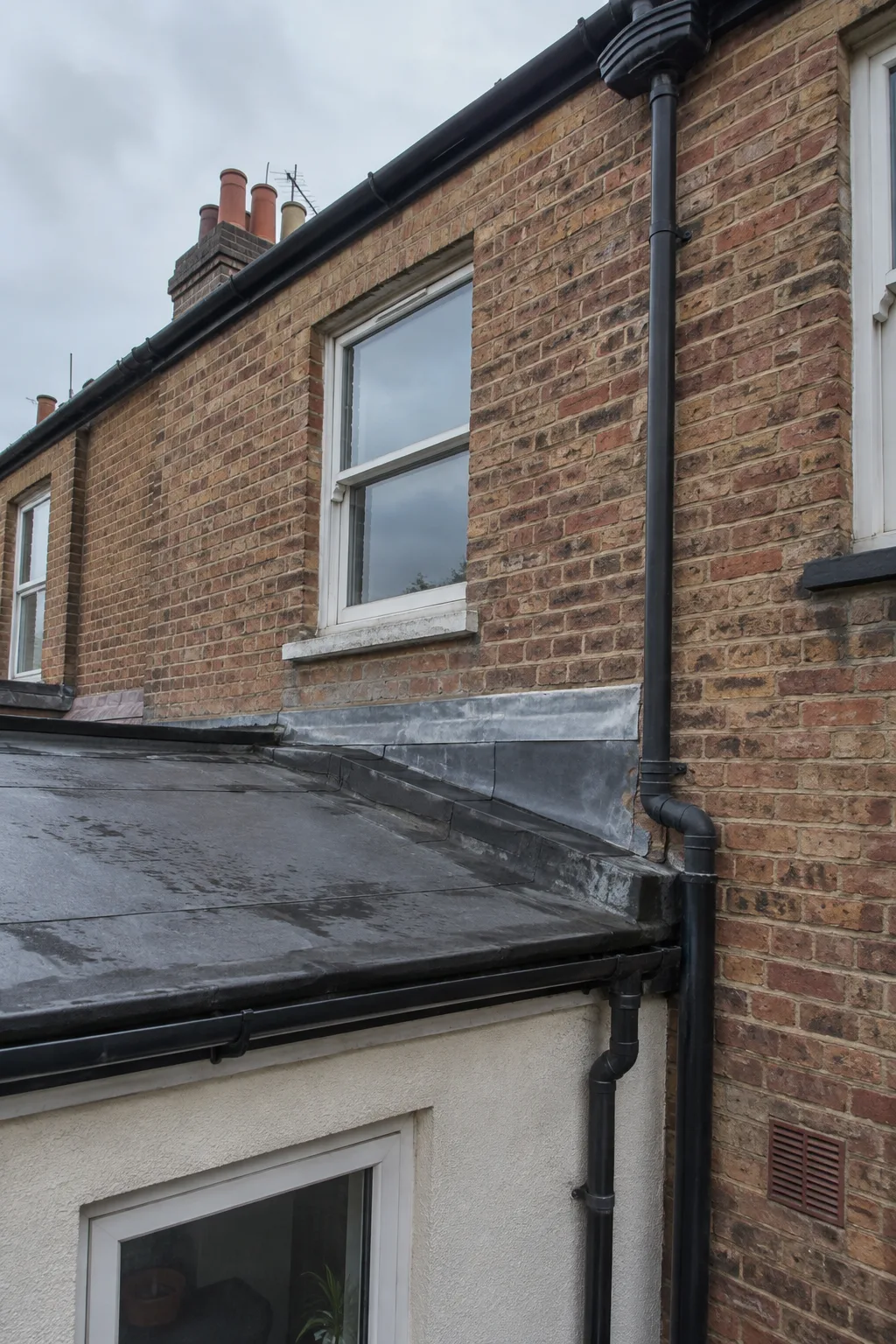
The lightwell is part of the assessment
If your Notting Hill property has a lower-ground room facing a lightwell, several moisture routes may meet around the same window. Rain falling into the space, drainage at its base and joints around the opening can matter. Indoors, a cool wall may also collect condensation. The first question is where the moisture is actually appearing, not whether the room happens to sit below street level.
Describe the height of the affected marks, the position of any drain and whether the lightwell fills or splashes during rain. Please avoid entering an awkward or unsafe space to collect evidence. Photographs taken from an accessible position and records of previous drainage work can be enough to guide the initial discussion.
Compare the window edge with the rest of the wall
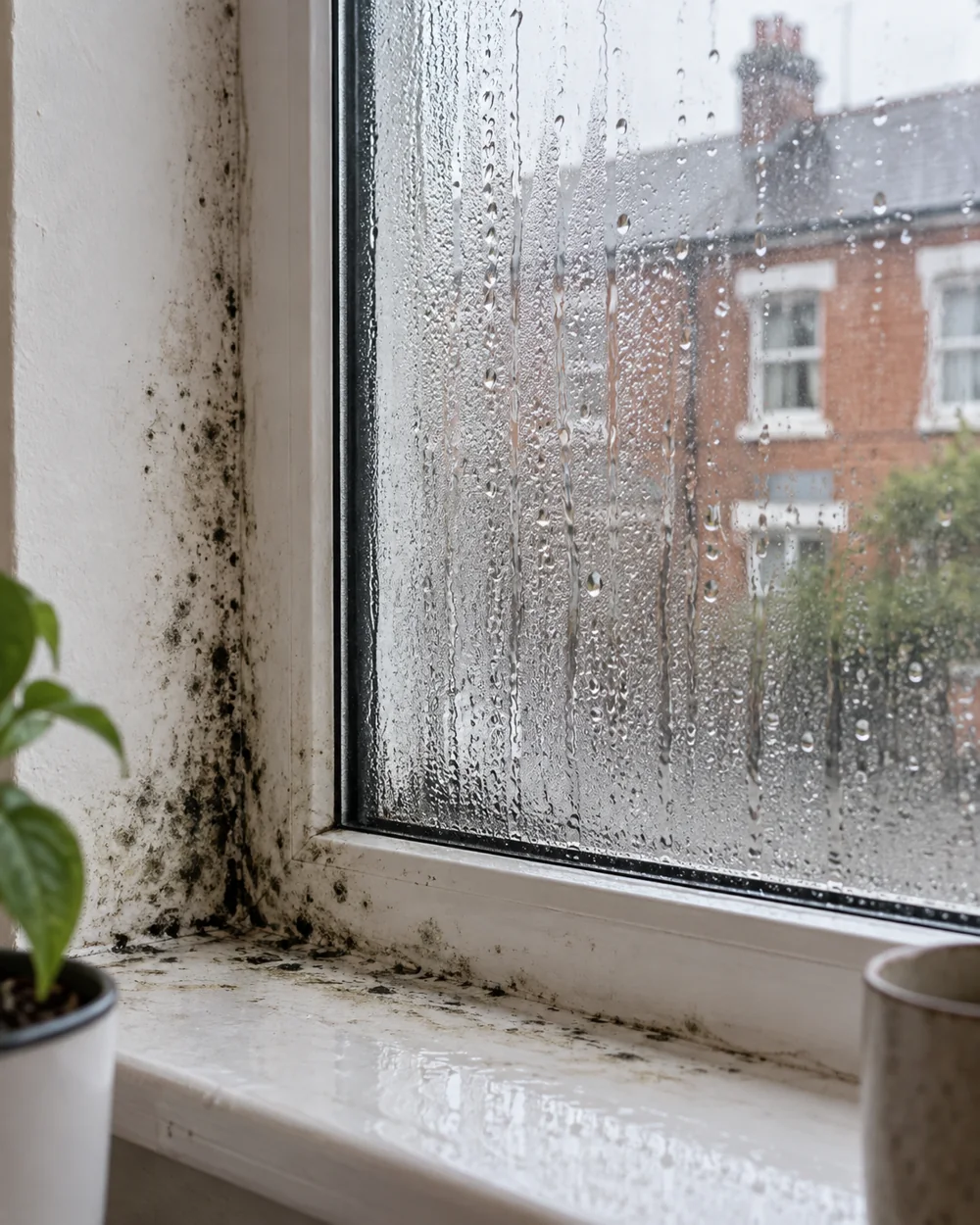
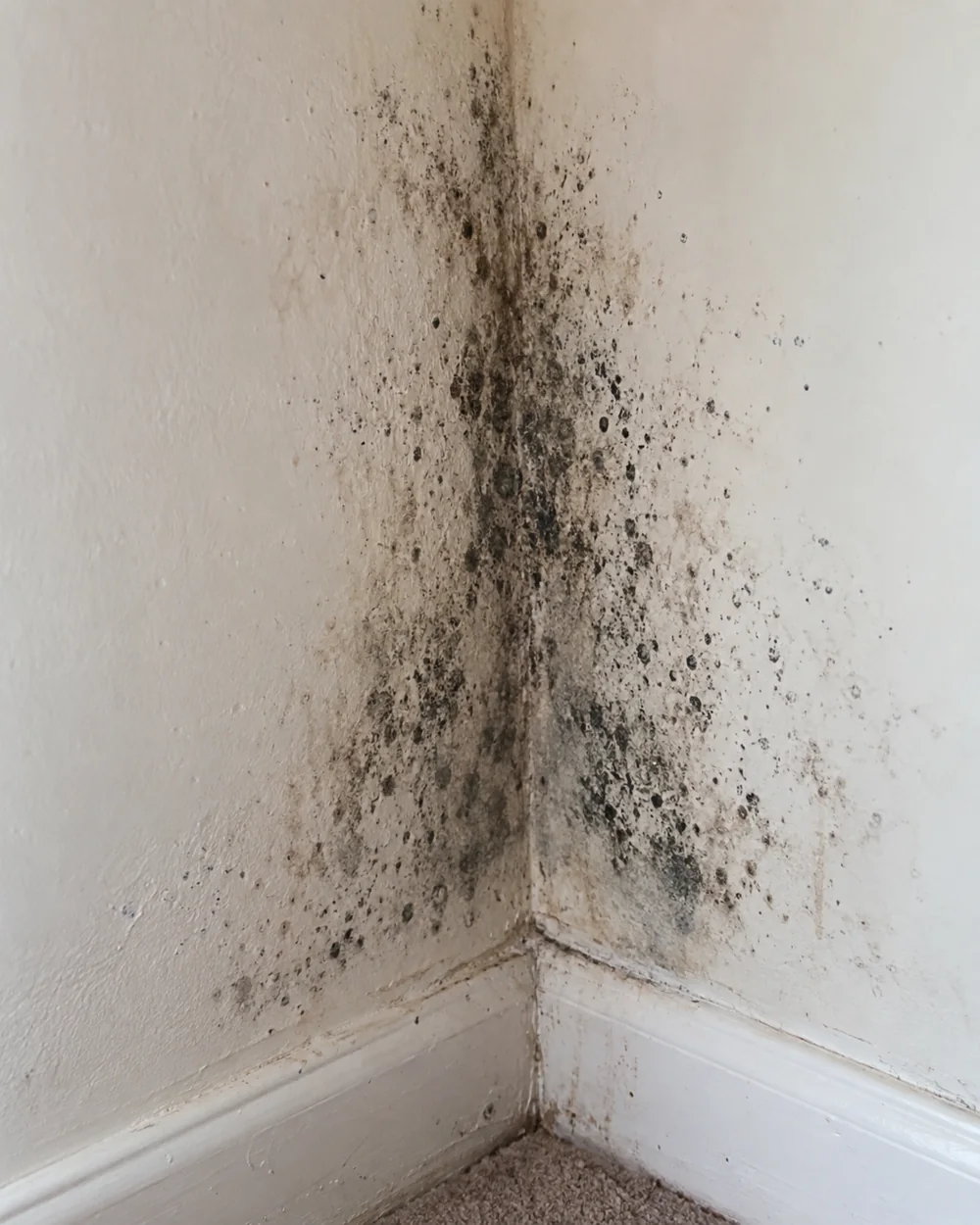
Wet reveals, staining below the sill and mould behind a chair should be noted separately. A mark concentrated at a junction may point towards local entry, while repeated droplets across a cool surface raise a condensation question. Neither observation proves the cause. Check whether the room stays damp when the weather is dry and whether the pattern changes after heating or ventilation has been altered.
Our assessment of window surrounds and cold surfaces helps distinguish those patterns. We check the frames, reachable seals and adjacent finishes with the lightwell arrangement in mind. Describe glass condensation separately from the wall damage to keep both observations clear.
Drainage and weather clues
A blocked or ineffective lightwell drain may allow water to stand where it should clear. That observation still needs relating to the indoor damage: standing water and a damp wall can occur together without proving the exact entry route. Examining accessible ingress details can help identify the junctions or drainage concerns needing further attention.
High external ground levels and hidden below-ground construction may limit what can be concluded from a room inspection. We explain those limits. A waterproofing repair should not be selected solely on a photograph of mould or a single meter reading, especially where the relevant external detail is concealed.
Readings need a construction context
We review accessible moisture patterns, damaged finishes and the history of wetting. Older coatings, salts and different wall materials can affect interpretation, so comparison points are useful. Surface temperature and the way air moves through the room may also need checking. The purpose is to narrow down the cause, not to turn every reading into a diagnosis on its own.
If the room is used for drying laundry or has little effective extraction, checking indoor moisture removal is relevant alongside the lightwell. It is possible for an external issue and condensation to contribute to the same wall, with different work needed for each.
Make the work match the finding
The plan should separate any drainage or building repair from treatment of the mould-affected surfaces. Removing visible growth does not correct water standing against an opening. Improving air movement does not repair a failed joint. Each recommendation should have a reason linked to the observed condition.
After the moisture source has been addressed, finishes may need time and assessment before reinstatement. Discuss the condition of plaster and any lining material, including areas behind furniture. Fresh paint can make the room look complete while concealing a surface that has not yet been properly checked.
Prepare useful information, not a cleared-out shell
Leave the affected area visible where practical and tell us what access is possible. You do not need to strip the room or open the wall before an agreed inspection. Photos showing the lightwell during rain, a list of past work and the room’s ordinary use provide useful context. We can then explain whether the initial scope is enough or whether a separate drainage or building assessment is required.
PROPERTY & MOISTURE CHECKS
QUESTIONS BEFORE A VISIT
Useful questions
Is mould in a lower-ground room always below-ground damp?
No. Condensation, window entry and plumbing can also affect the room. Its level is relevant, but it is not a diagnosis by itself.
Does a full lightwell drain prove the indoor source?
It identifies a drainage concern. The relationship to the interior damage still needs checking, including possible entry points and other moisture mechanisms.
Should I apply a waterproof coating indoors?
Avoid choosing a coating before the cause and wall condition are understood. An unsuitable finish can hide evidence without resolving the source.
Can you inspect behind a fixed wall lining?
Fixed linings limit direct observation. We explain what accessible checks can show and whether agreed opening is needed to examine the hidden surface.
What pictures would help with this room?
The affected wall, window junction and lightwell from safe accessible positions are useful, especially dated photographs showing changes after rain.
Nearby areas
Get a clear plan for the lower-ground room
Call with your Notting Hill address, the affected surfaces and any lightwell or drainage history. We can discuss what should be checked.