DAMP & MOULD SPECIALIST
Damp and Mould Specialist Paddington
A lower-ground room can feel damp for several different reasons. Map where moisture appears and how it changes. Assess each affected surface in its construction and room context before selecting the work.
First map the damp room
If your Paddington home includes a lower-ground room, sketch which walls adjoin the outside or ground, where windows open and where the marks appear. Include any steps, lightwell or accessible drain outside. The arrangement of your room is what matters to the investigation.
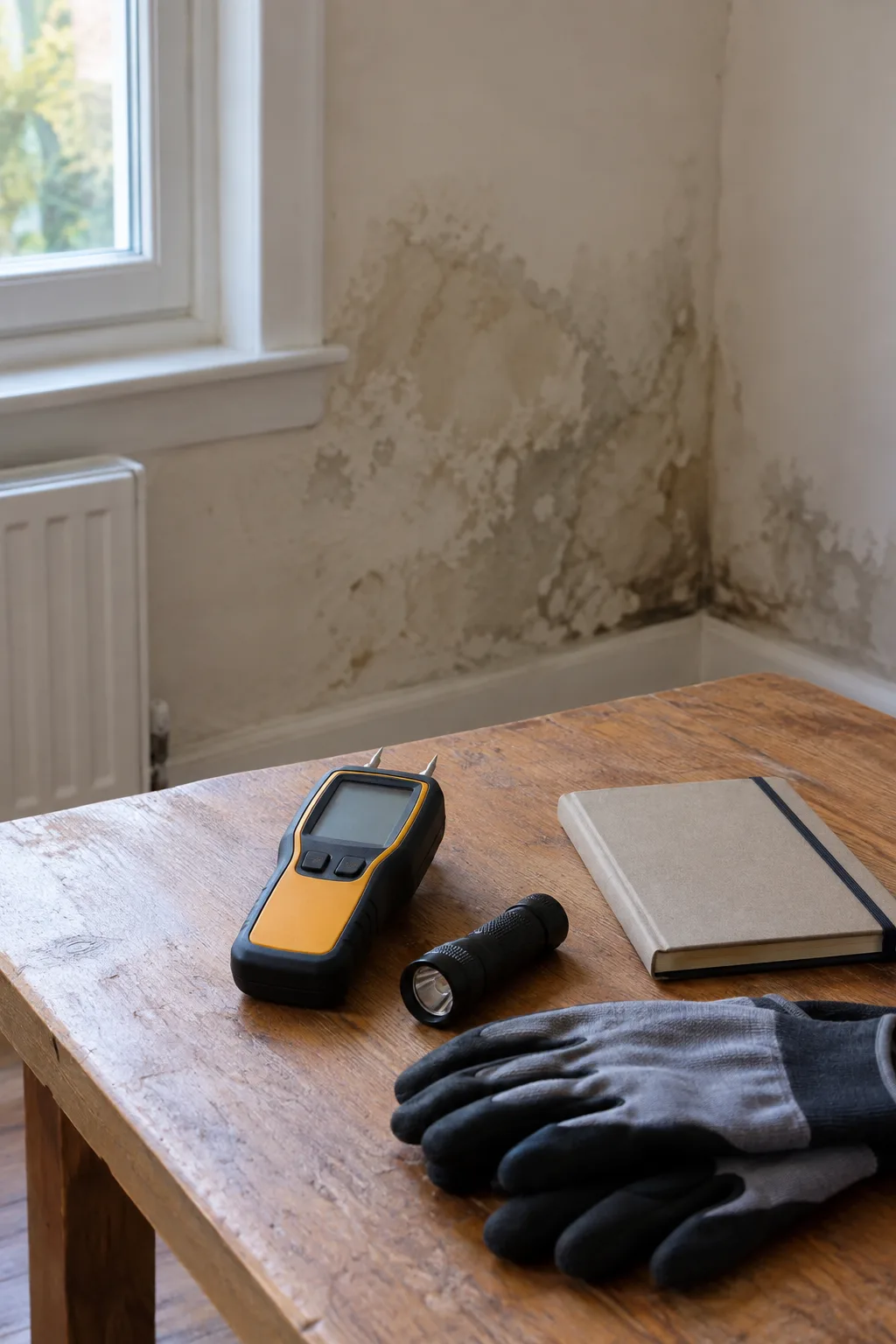
A damp assessment of the lower-ground space should consider wall and floor patterns, accessible readings and the history of the problem. Moisture at the base, a stain near an opening and mould on a cold corner can have different explanations. Ask the inspector to describe how each conclusion relates to the observed damage.
The outside may be at a different level
Ground levels and retaining construction can affect which parts of a wall are exposed to moisture. An internal stain does not identify the entry route by itself. Existing coatings or wall linings may also conceal the underlying condition. Describe any previous waterproofing work and share documentation if available, but do not assume a coating proves the wall cannot be affected.
Accessible lightwells, drainage points and opening surrounds can offer useful clues where damp varies with rain. Checks of possible external water entry can compare those features with the internal pattern. Restricted outside access may limit the assessment. Any need for closer examination or specialist construction advice should be explained before deciding on extensive remedial work.
A cool room can have a second moisture problem
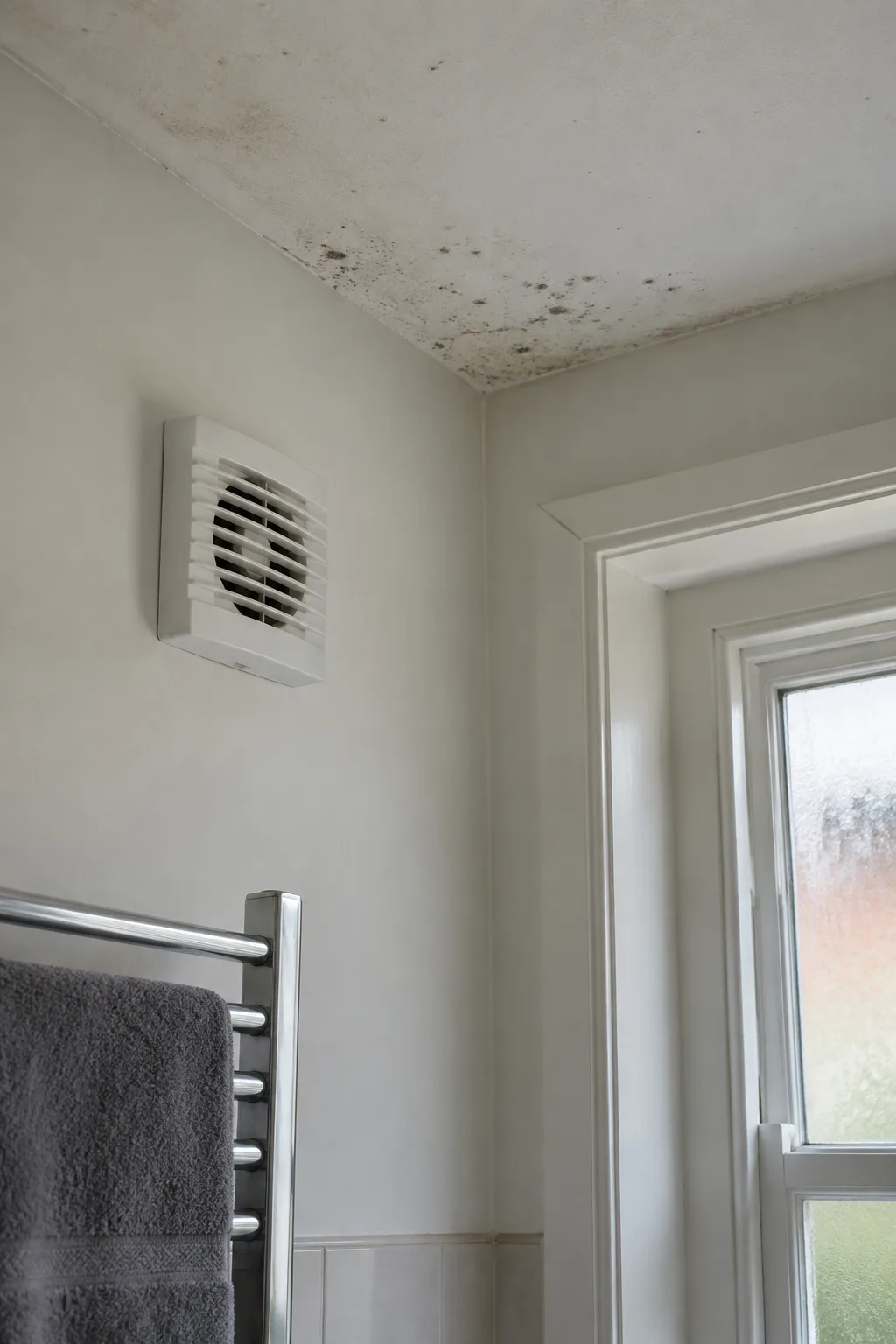
Lower-ground surfaces may remain cooler than the indoor air. If air carrying moisture enters and meets them, condensation can add to the picture. Limited openings or ineffective extraction may leave moisture in the room. A review of ventilation in the lower-ground room helps consider those conditions without dismissing water arriving through the fabric of the building.
Tell us how the space is used: bedroom, storage, utility room or occasional office. A room with drying laundry has a different moisture load from an empty store, although neither use establishes the cause alone. Mention when heating runs and whether internal doors usually stay open. These details help interpret the room as it is actually occupied.
Surface cleaning has a limited role
Visible mould can require treatment of the affected surfaces, but cleaning does not correct drainage, water entry or sustained condensation. Where plaster is soft or finishes are detaching, the material condition also needs attention. Avoid decorating across damage as a way to test whether the room has improved; it makes subsequent changes harder to interpret.
Be cautious about choosing a wall treatment from one photograph or a single reading. The materials, construction and moisture route influence what is appropriate. Ask which parts of the proposed work address the source and which address the visible consequence. If the source remains unconfirmed, ask the recommendation to identify the gap and the next check. Keep that uncertainty clear when reviewing proposed work.
Prepare the room without removing the evidence
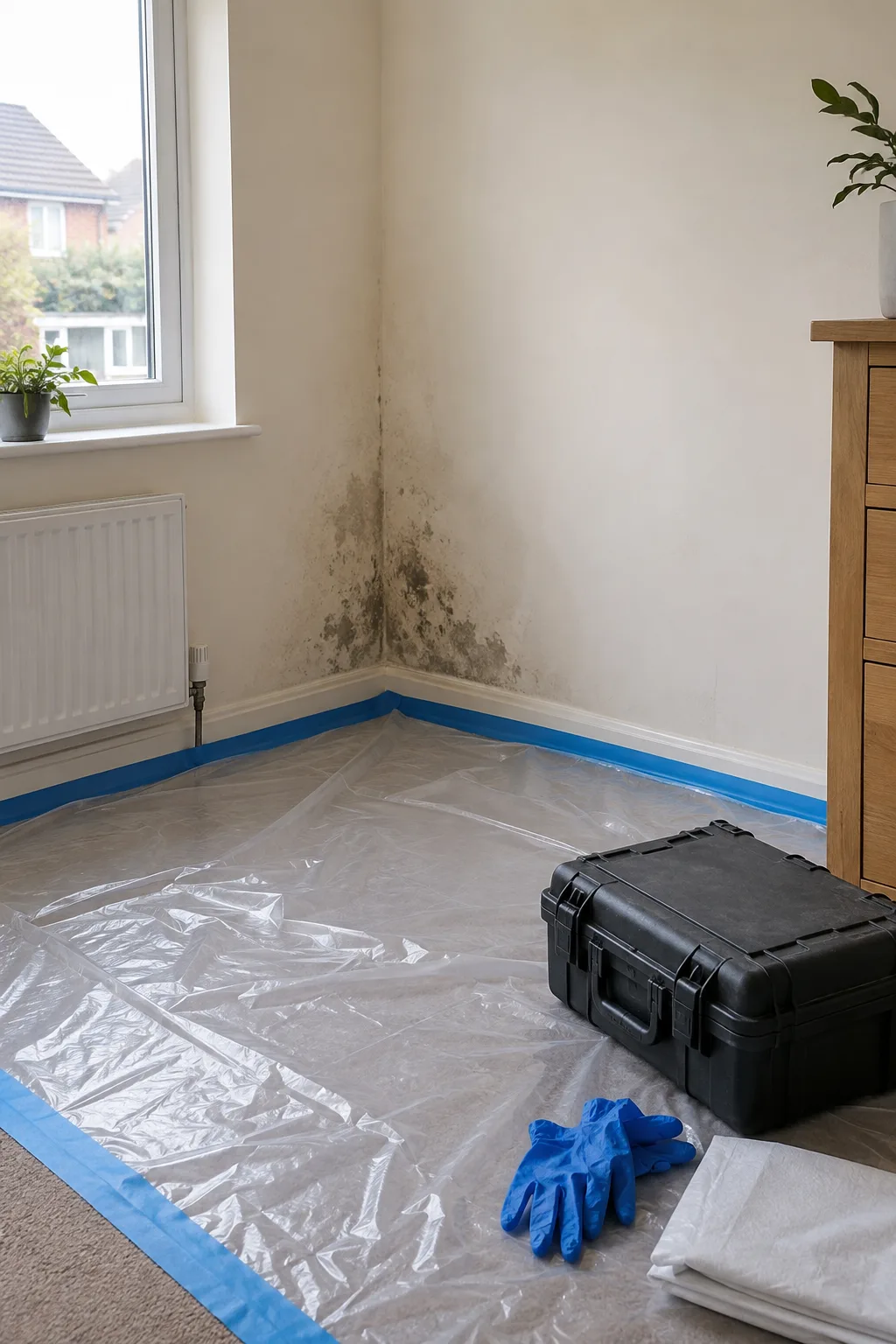
Where possible, make affected walls and relevant cupboards accessible. Keep stored items clear enough for an inspection, but leave loose plaster or coverings alone until their condition has been considered. Note the position of shelving and furniture before moving it. A hidden corner may show more damage than the open wall, and its usual airflow matters to the explanation.
Bring together earlier repair records, rainfall observations and photographs before and after any cleaning. Ask what should happen next if the visit cannot confirm the moisture route. It may be further access, drainage investigation or monitoring a specific change. A useful outcome gives you a reason for the next step and avoids repeating unrelated treatments in the same room.
PROPERTY & MOISTURE CHECKS
QUESTIONS BEFORE A VISIT
Useful questions
Does lower-ground damp always need waterproofing?
No. The moisture source and construction need assessment first. Condensation, plumbing and external entry can overlap. Ask how the proposed treatment fits the actual findings and materials in your lower-ground room.
Should I mention the outside steps and drain?
Yes. Their position relative to the affected wall can be relevant, particularly when symptoms change after rain. Share what you have observed without attempting inaccessible checks yourself.
Can mould affect only the stored side of a room?
Restricted air movement around stored belongings may contribute to cold-surface wetting. The inspection should still consider the wall behind them and any independent source of moisture.
What if the wall has already been lined?
Tell us what was installed and when. A lining can restrict observation of the original wall, so the inspector should explain what can be assessed and where further access might be needed.
Can a dry-looking floor rule out a wall problem?
No. Wall and floor moisture patterns need to be considered separately and in relation to the construction. Appearance at one surface does not confirm the condition of every adjoining material.
Nearby areas
Understand the lower-ground room before choosing work
Call about your Paddington property with the room layout, affected walls and any earlier treatment details. We will discuss the inspection questions that matter to your space.