DAMP & MOULD SPECIALIST
Damp and Mould Specialist Kensington
The cupboard backing is damp, while the bathroom on the other side looks dry. Both spaces need considering before the joinery is repaired or the wall is covered again.
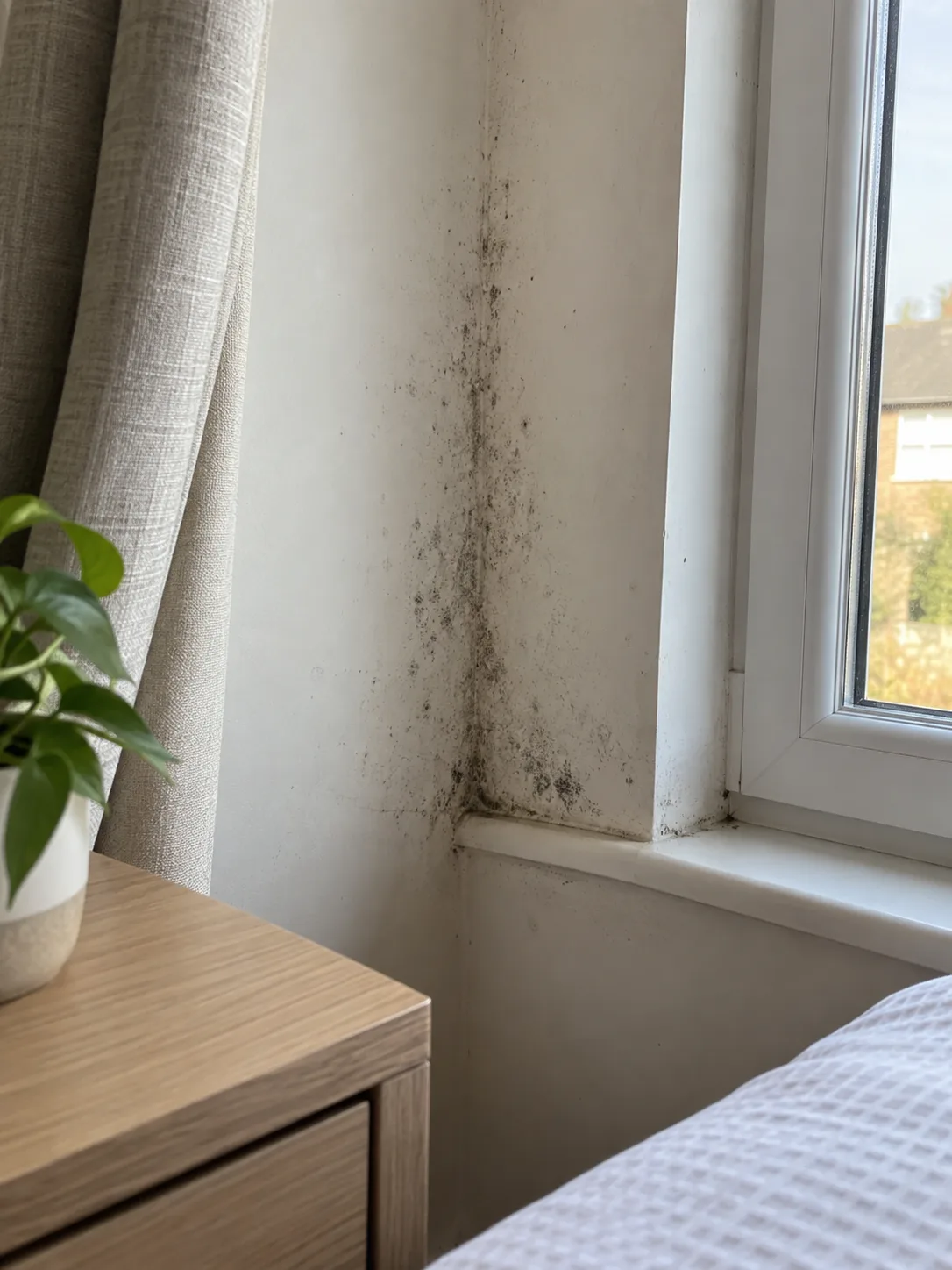
Identify the wall the storage shares with the bathroom
If fitted storage in your Kensington property backs onto a bathroom, show that relationship when reporting damp. A cupboard board may conceal the wall itself, while tiles or a bath panel hide the other face. The visible damage could sit some distance from its source. Start with the layout and the affected materials, without assuming a bathroom fitting leaks merely because it is nearby.
Photograph the cupboard as a whole and the bathroom arrangement you can see. Note which shelf, backing edge or floor junction first became marked. A moisture investigation across the shared wall can compare those positions and explain which view is useful next. Keep any unknown pipe route labelled as unknown.
Record bathroom use and cupboard wetting separately
Note whether the cupboard changes after showers, bath drainage or no recent bathroom activity. Record fresh wetting, swelling and old staining as separate signs. Those observations guide the enquiry but cannot identify a particular connection by themselves. A dry tiled face may leave another concealed layer unexamined.
Checks of the bathroom’s accessible fittings and moisture help assess the room beside the storage. Tell us about earlier resealing or plumbing work, including what was actually inspected. A repair to one surface joint should remain distinct from a check of the concealed fittings behind it.
Distinguish the cupboard back from the original wall
Describe whether the back is a separate board, exposed plaster or an arrangement you cannot identify. Removable shelves can improve the view while a fixed panel still conceals the important face. Empty loose contents enough to show the affected surface, retaining photographs of their normal position. Do not force the joinery away simply to prepare for a visit.
If an opening is recommended, agree which part it would expose and who will remove and reinstate it. The cupboard owner, joiner and plumber may have different tasks. A small view can help at that location, with other compartments still unseen. The report should identify those limits before a replacement board closes the wall again.
Give a concealed fitting check a defined purpose
Where the pattern points towards plumbing, investigation of the hidden bathroom water route may be appropriate. We begin with accessible evidence. A separate fitting examination or another view may still be needed to confirm the source. Explain any available maintenance panel and who can open it appropriately.
If the bathroom belongs to another flat or is controlled by another owner, arrange authorised access through the relevant contact. The cupboard-side inspection can document damage without settling a concealed source elsewhere. Share the specific wall position and timing, so the next visit can add evidence to the same question.
The closed storage can have its own conditions
A cupboard can restrict room air reaching a cooler surface. That may contribute to mould even if another source is also present. Describe ordinary storage, heating and airflow around the unit. A review of moisture conditions around the fitted storage considers those factors with the shared-wall evidence.
Improving circulation has a different role from repairing a fitting. Ask which finding each recommendation addresses. A hole added to a cupboard door should not become an assumed cure before the wall and nearby bathroom have been assessed. Practical recommendations need to fit the storage and the occupied room.
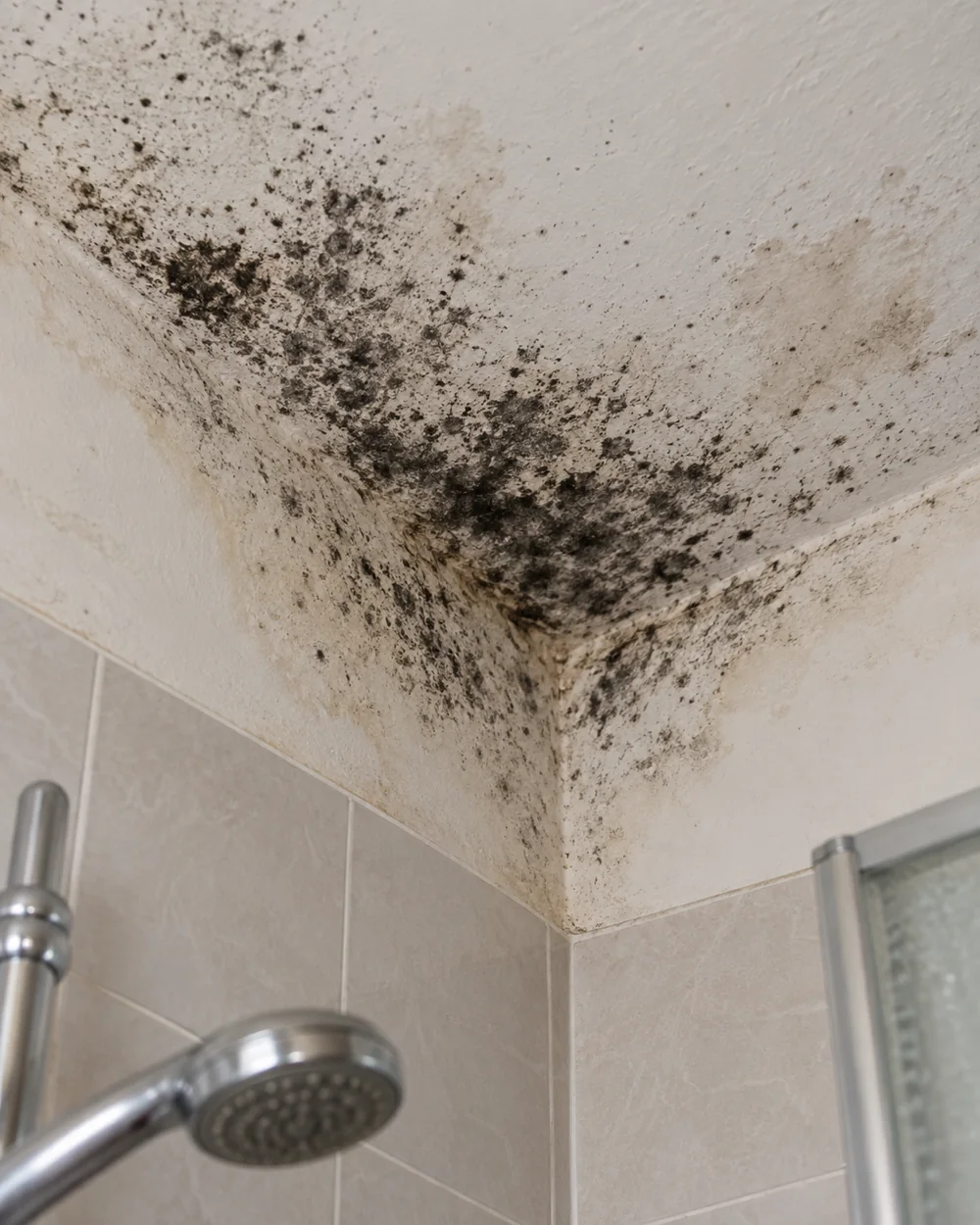
Coordinate the wall work before new backing is fitted
Treatment of the affected cupboard surfaces should identify the materials and extent included. The backing, original wall and joinery can require different decisions. Stored items also need their own scope discussion; a wall-treatment booking does not automatically assess every object found inside.
Keep photographs of any exposed wall and fitting, with the repair details. Before refitting, review what source was addressed, what material was examined and what remains uncertain. Give the relevant findings to the joiner. That makes the cover-again decision depend on the shared wall’s evidence and completed work, not simply a cleaner cupboard face.
PROPERTY & MOISTURE CHECKS
QUESTIONS BEFORE A VISIT
Useful questions
Can the bathroom look clear while the cupboard backing is wet?
Yes. Finishes and concealed layers differ, and water may appear elsewhere. Evidence from both spaces helps guide checks of the shared wall.
Does cupboard wetting after a shower identify the shower seal?
No. It is a timing observation to investigate. The seal, accessible fittings and possible concealed routes need considering before a source is confirmed.
Should a joiner remove the cupboard back first?
Discuss the construction and available views. If targeted removal is needed, agree what it will expose and how the installation will be reinstated.
What if I cannot arrange bathroom access?
State the restriction before booking. The cupboard damage can be assessed within scope, with any unresolved bathroom-side question recorded for another authorised check.
What should be checked before replacement backing goes in?
The relevant source work, accessible wall condition and any hidden area still needing a view. Keep photographs and findings with the joiner coordinating the refit.
Nearby areas
Get the cupboard and shared bathroom wall assessed
Call about your Kensington storage with the bathroom layout and wetting history. We can discuss a focused inspection before joinery work.