DAMP & MOULD SPECIALIST
Damp and Mould Specialist Hounslow
A guest room that stays clear between visits but becomes wet during a stay needs a careful comparison. We investigate what changes when the bedroom is occupied and where the moisture appears.
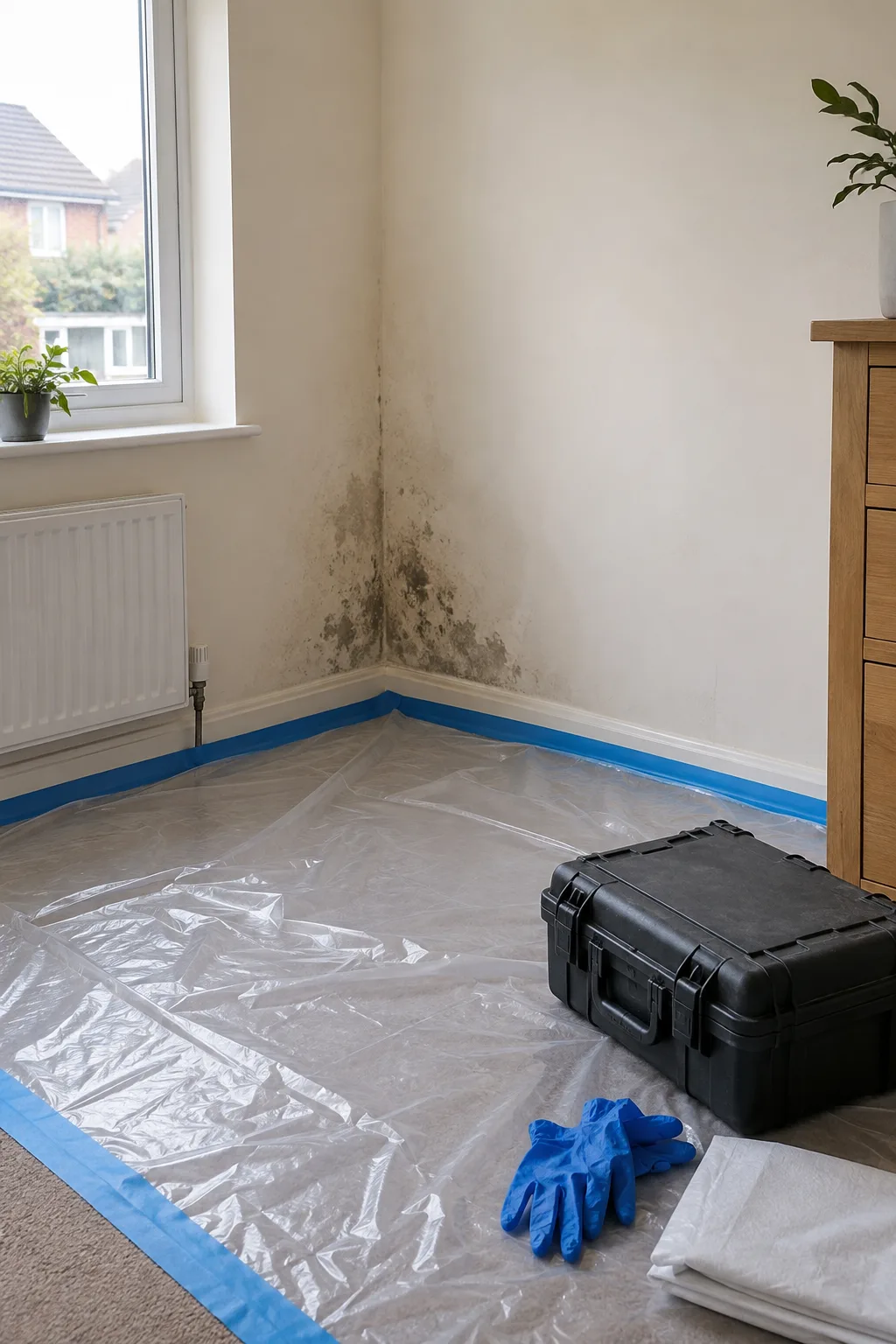
Describe the occupied nights, not just the empty room
If your Hounslow guest bedroom develops wet windows or mould shortly after a visit, begin with that sequence. A bedroom used for sleeping has different moisture conditions from the same room standing empty. Its door, heating and window controls may also be used differently. Those changes give us useful questions to investigate. They do not establish that guests caused the damage or exclude a leak that happened during the same period.
Note the arrival and departure dates, when you first noticed droplets and where growth appeared. Distinguish an observation made during the stay from a mark found days later. Ask for an ordinary account of how the room was used, including whether heating or ventilation controls were difficult to identify. Avoid asking anyone to recreate the conditions deliberately. Existing photographs and a clear timeline can guide the initial inspection.
Compare the morning window with the afternoon wall
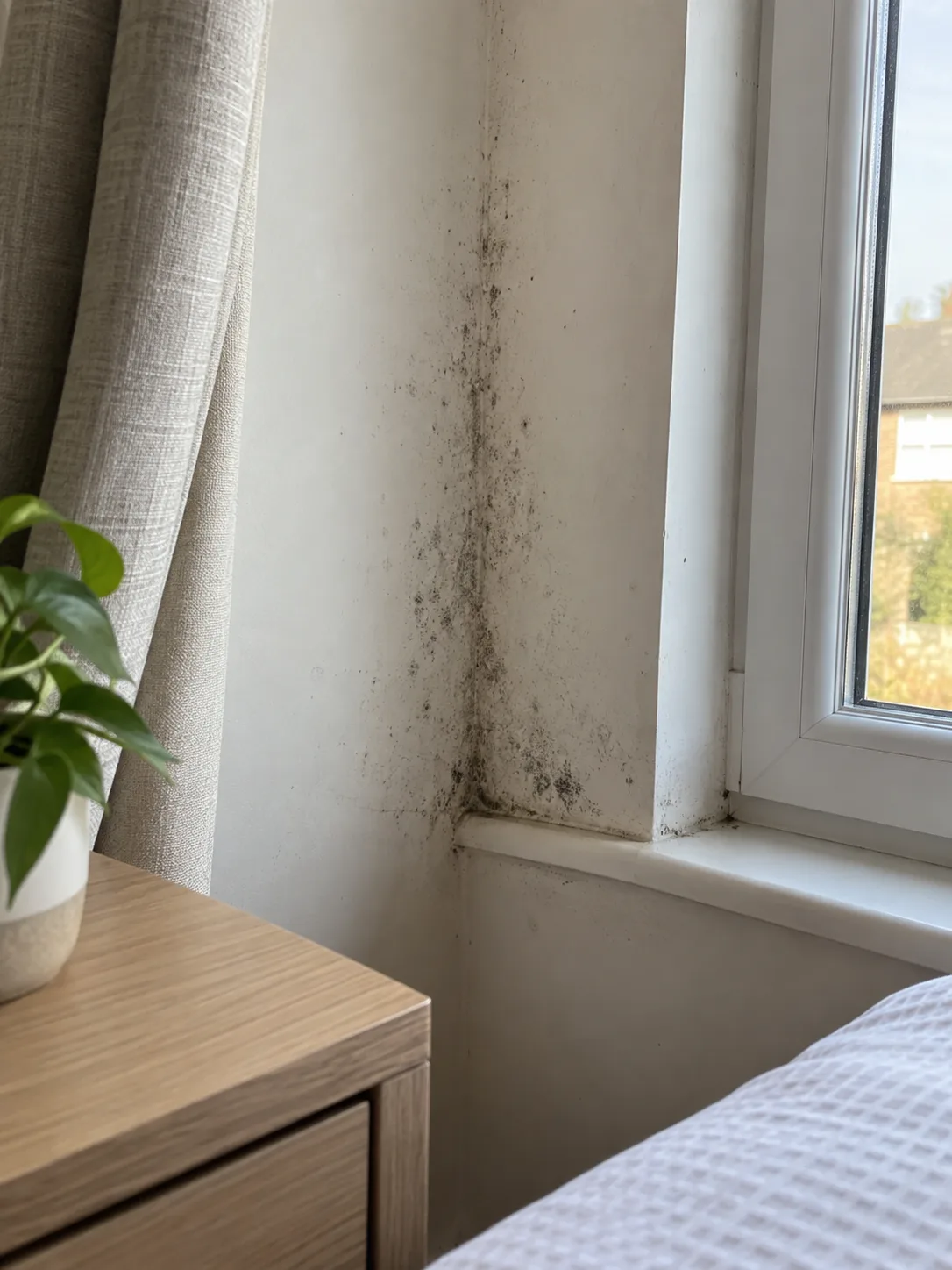
Photograph glass condensation and damage to the reveal separately. A pane that clears during the day and a wall patch that remains damp are different observations. Include the sill, curtains and nearby corner in a wider view so their relationship is visible. Record whether curtains normally cover the ventilation opening or sit closely against the reveal when closed.
An assessment of the guest-room window surfaces considers where moisture settles and which materials are affected. The inspection can compare the opening with other exposed bedroom surfaces. It should also consider a rain-related stain at a frame junction independently of overnight droplets. One wet morning does not tell us what is happening throughout the wall.
Find out which controls visitors can actually use
A room may have ventilation provision that a visitor never notices or cannot operate. Tell us where the window controls, vents and heating controls sit, what instructions are available and whether anything is broken or concealed. These are property details to assess. A general instruction to open a window provides little help if the relevant control is inaccessible or its operation is unclear.
A review of ventilation during guest-room occupation can relate the available air route to the wetting you describe. Include moisture moving from a nearby bathroom and the normal door arrangement. Any recommendation should explain how it fits the room and the connected spaces. Changes to controls or equipment need a reason linked to the findings.
Do not use the vacant visit as the whole explanation
The room may be empty when we attend, with no fresh droplets visible. We examine accessible damage and relevant readings in the context of the materials, alongside evidence from the occupied period. A dry-looking window on the inspection day does not erase the earlier observations. Conversely, the history of visitors cannot confirm a concealed source without checking it.
A focused investigation of the changed bedroom conditions can identify which observations support condensation and which need another enquiry. Mention rainfall, adjoining fittings and any distinct stain that persists between stays. If a separate water route is suspected, the findings should name the useful next check and any access needed.
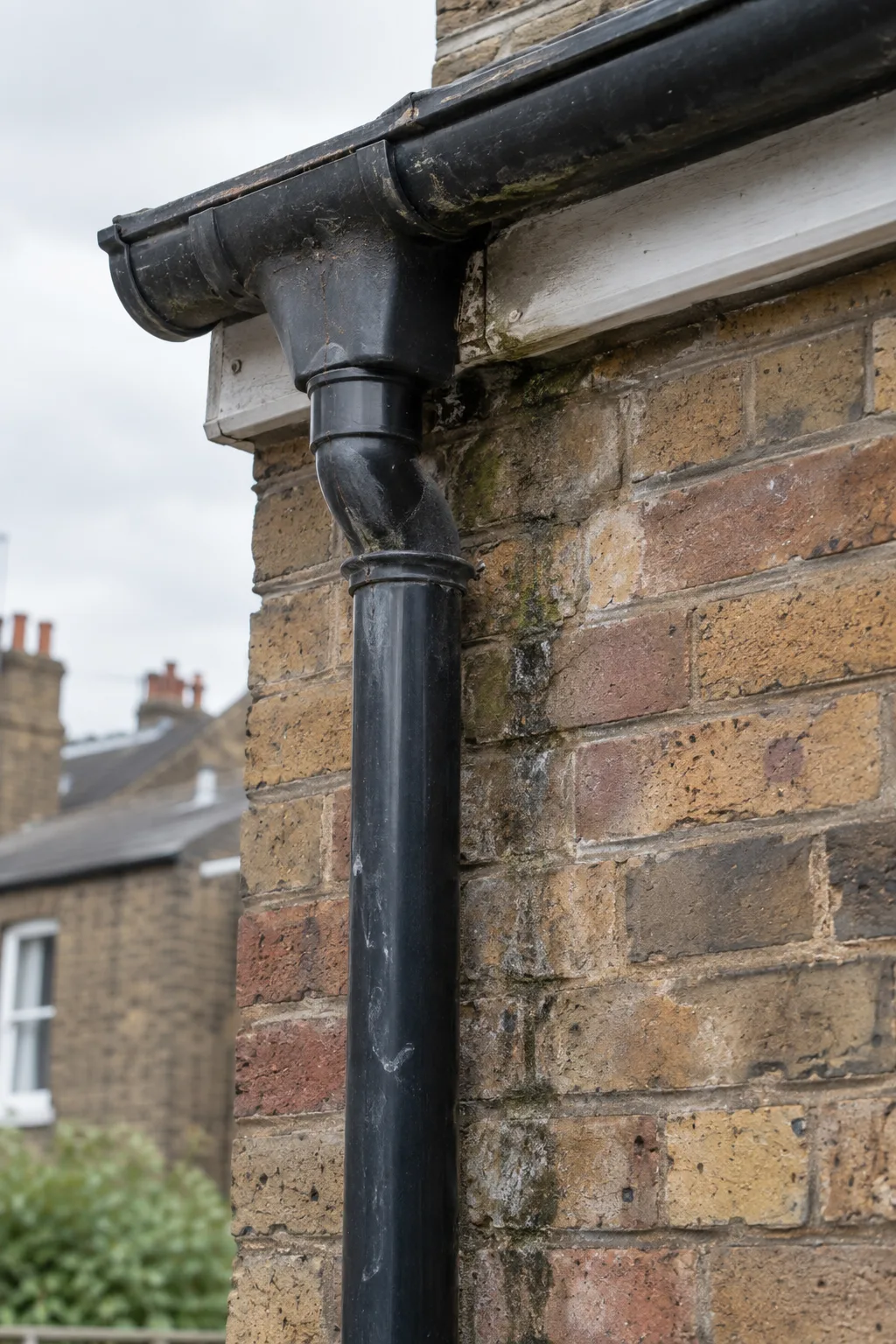
Plan treatment around the affected positions
Treatment of mould in the guest bedroom should reflect the actual surfaces and their condition. Record growth on a painted reveal separately from marks on timber or behind a curtain. Explain what has already been cleaned and keep earlier photographs. There is no need to strip the room before the inspection scope is agreed.
Coordinate surface work with any supported ventilation or source repair. Before decoration, review damaged finishes and any area that remained hidden. Keep a short record of what changed, including repaired controls. That record will make the next occupied period more informative than a comparison based only on whether the room smells fresher.
Make the next stay a useful ordinary comparison
After agreed work, observe the original positions during normal use without creating a special test. Note whether morning droplets clear and whether the wall stays visibly wet. Record the room arrangement and relevant weather, acknowledging that different visits may have different conditions. A photograph of the same reveal is easier to compare than a new close-up taken elsewhere.
Give visitors clear information about the available controls if that formed part of the recommendations. Keep any unresolved source enquiry with the repair record. The practical aim is a bedroom whose moisture concerns have been investigated, with a specific next action if the same wetting returns.
PROPERTY & MOISTURE CHECKS
QUESTIONS BEFORE A VISIT
Useful questions
Why can the room look dry between visits?
Occupation changes moisture production and may change heating or door use. Compare both periods while checking for a separate source that could remain intermittent.
Should guests leave the window open all night?
The room’s ventilation arrangement needs assessing first. Explain the available controls and normal use; advice should fit the property and the observed wetting.
Are morning droplets enough to diagnose the wall mould?
They provide a useful timing clue. The wall and reveal need their own assessment, especially if a separate patch stays damp after the glass clears.
What if nobody photographed the wet window?
Record what was noticed and when, making that source clear. Current surfaces can still be inspected, with the missing occupied-period evidence acknowledged.
Should I wait for the next visit before calling?
You can discuss the existing marks and history now. The initial assessment can identify useful checks without arranging another stay to reproduce the problem.
Nearby areas
Check what changes when the guest room is used
Call about your Hounslow bedroom with the visit dates, morning wetting and any marks that remain between stays. We can discuss a focused assessment.