DAMP & MOULD SPECIALIST
Damp and Mould Specialist Feltham
Damp discovered during a kitchen refit is an opportunity to inspect the hidden wall. Do not let the installation schedule turn an unanswered moisture problem into concealed damage.
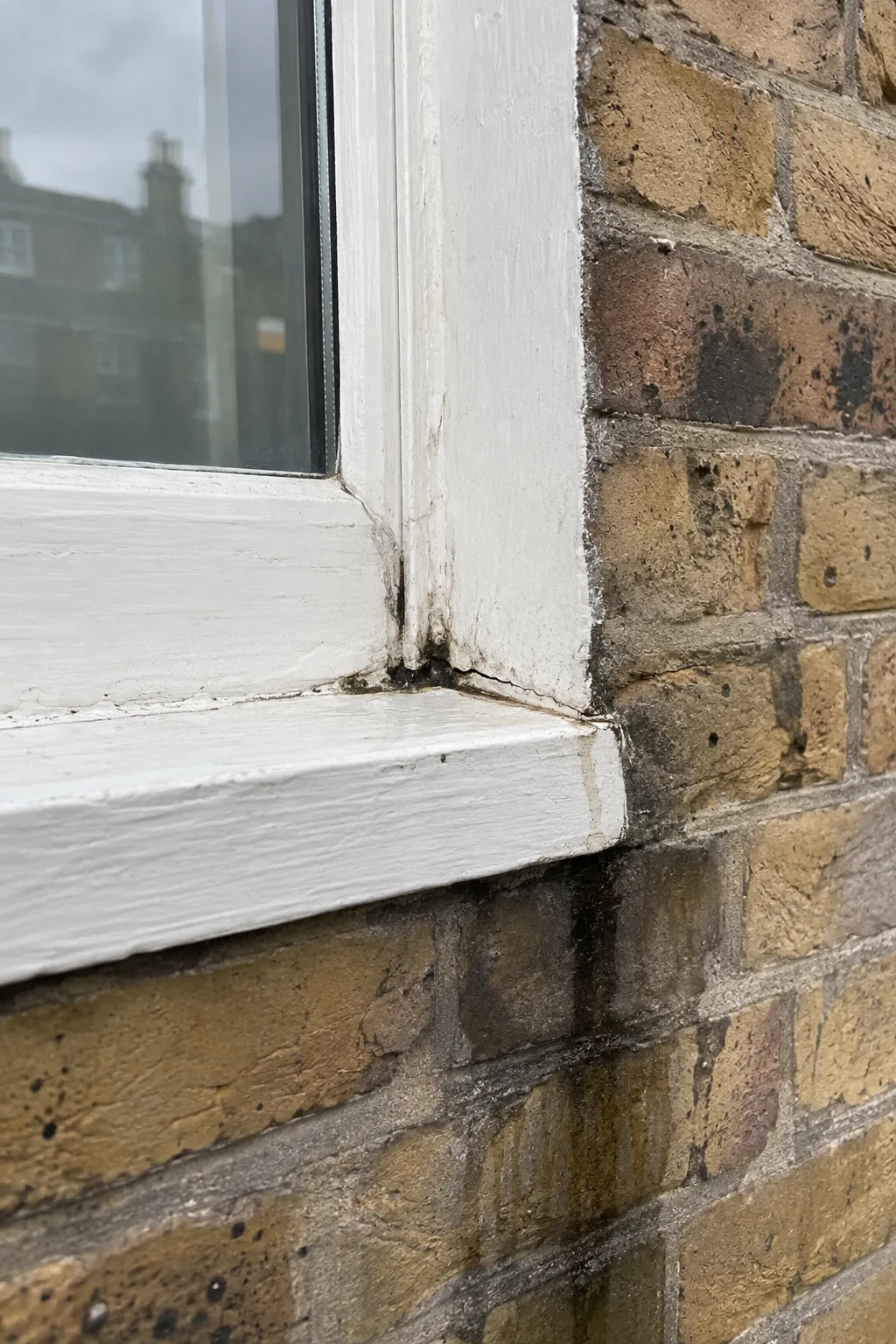
Use the access the refit has created
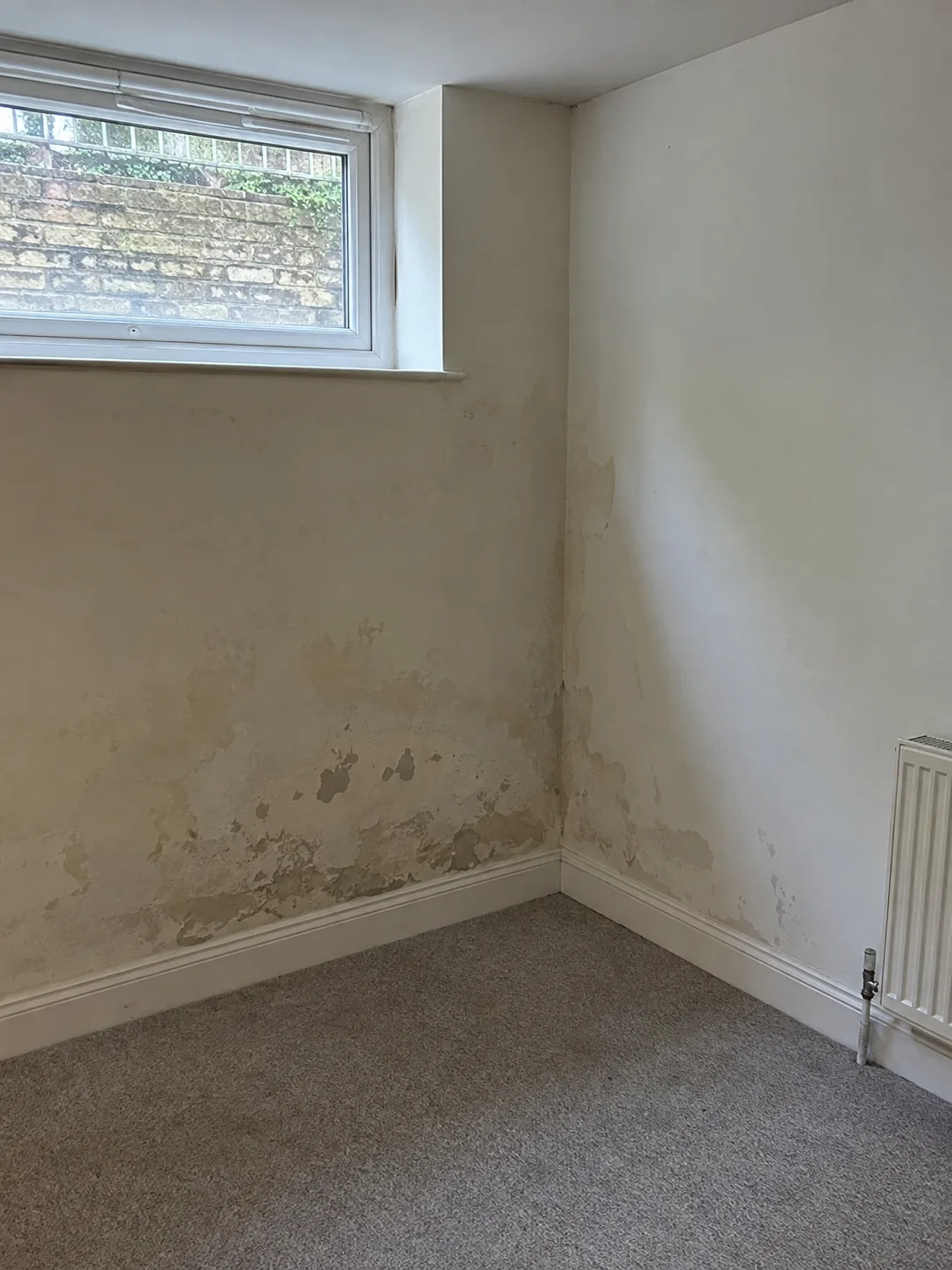
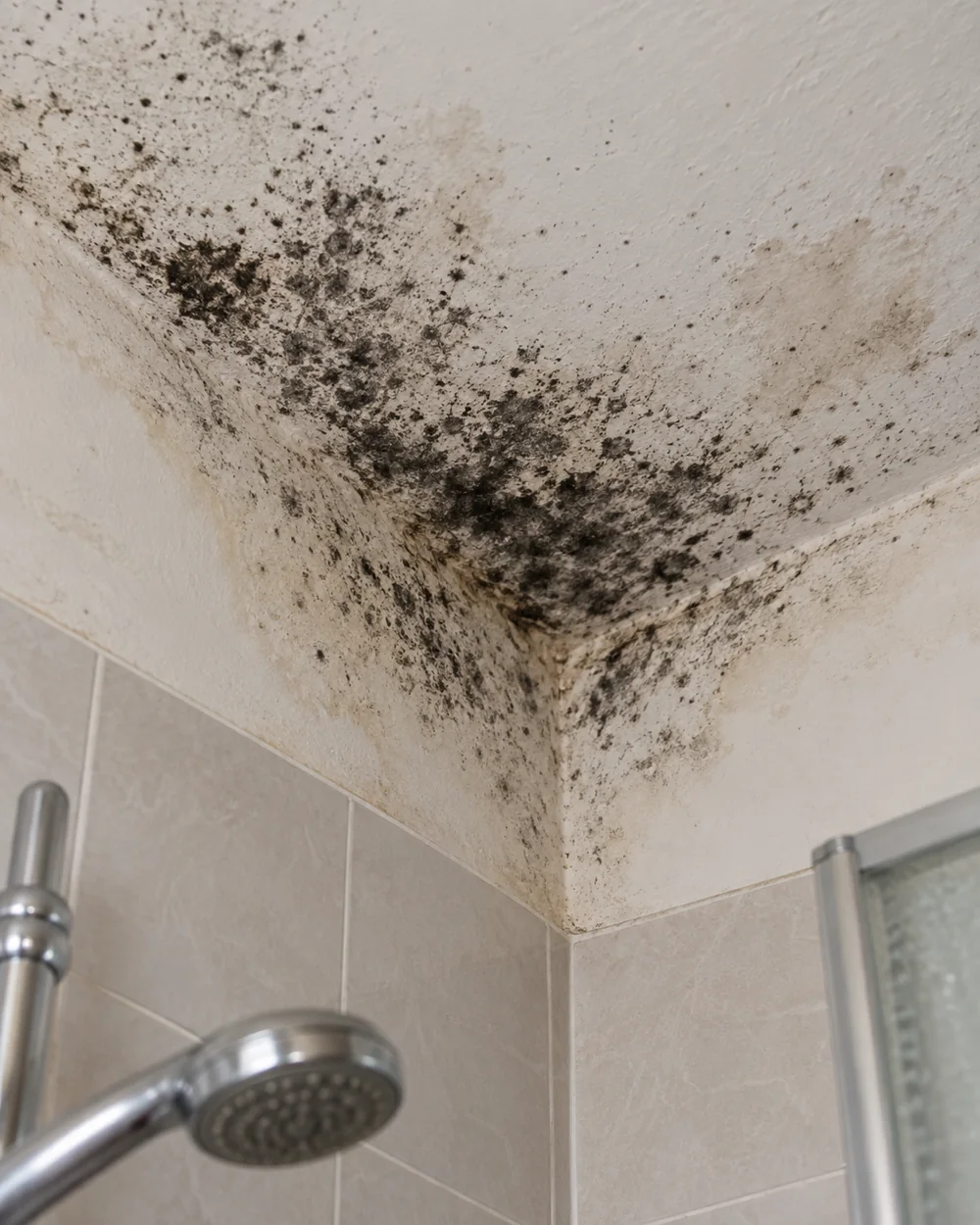
If a removed appliance or cabinet exposes damp at your Feltham home, take a photograph before the next unit goes in. Include the floor junction, nearby pipes and the full wall area. Note whether there is mould, water staining, damaged plaster or several of these. Record each sign separately so the inspection can define the source checks, surface treatment and any material repair needed.
A moisture investigation during kitchen work can make use of newly accessible surfaces. Explain when installation is due and what will become concealed. This helps identify the inspection decision without promising a timetable. The work should answer what is wet and why before the same area disappears behind cabinetry.
Appliances and fittings leave different clues
Supply pipes, waste connections and appliance hoses may be relevant near the affected area. So can steam and restricted air movement behind a large unit. Do not assume the closest fitting is responsible. Compare the damage with the available plumbing route, the history and any wetting observed during use. Keep details of previous plumbing changes for the visit.
Checks for a concealed kitchen water source may help when the patch persists or the origin is uncertain. Accessible fittings can be examined within scope, but hidden pipework might need further access or a plumber’s checks. Thermal observations or moisture measurements assist the investigation; they do not identify every source conclusively on their own.
Think about how the rebuilt kitchen will dry
A new layout may alter ventilation or enclose a wall more tightly. Tell us where the cooker, laundry appliances and extraction are planned. A kitchen moisture and ventilation assessment can consider those practical conditions. It should distinguish the daily moisture load from a separate leak so changes to the room are directed at the right concern.
Keep access to relevant fittings in mind when discussing the installation with your contractor. A future inspection becomes harder if every connection is permanently hidden. That is a maintenance question for the actual layout, not a requirement to redesign every kitchen. Share any assessment findings with the person fitting cabinets so repairs and finishing are coordinated.
The location of isolation points and accessible connections can be useful information for the installer and plumber. Describe the accessible fittings and share any installation information. Agree further access with the appropriate contractor before disturbing concealed parts. If the damp inspection points to a specific concealed route, that information can help them arrange access before cabinetry limits the choices available for further checks.
What to do with active or damaged areas
Fresh water, swelling boards or a patch that changes during appliance use needs reporting to the person arranging the plumbing work. Do not wait for the final kitchen clean. Avoid disturbing loose material or concealed services yourself. Explain whether appliances have been disconnected or moved, since that can change the conditions under which observations are made.
If the wall is merely stained, it still needs its moisture history considered before decoration. A dry-looking patch after the appliance has been removed does not prove its original source was repaired. Ask which evidence supports source control and what remains untested. The answer may require an agreed follow-up or targeted access before finishing.
Treat growth before it is hidden again
Treatment of mould on exposed kitchen surfaces can be discussed alongside repairs and material preparation. The scope should identify the affected wall or joinery and any damage that needs another trade. Cleaning a cabinet back does not correct a leaking connection behind it, and replacement cabinetry alone does not change every moisture condition.
Keep photographs of the wall and completed source work before the kitchen closes up. Ask which findings need reviewing before the installer proceeds and who can confirm the relevant repair. Include the positions of accessible fittings and any concealed area still requiring a check. That record gives a later enquiry evidence from the opened kitchen, including what was examined and what the new units covered.
PROPERTY & MOISTURE CHECKS
QUESTIONS BEFORE A VISIT
Useful questions
Should the installer cover a stained wall?
First establish the moisture condition and the intended repair sequence. A stain may be old, but covering it without assessment can conceal active damage or lose useful evidence.
Can an appliance hide mould on an outside wall?
Yes, reduced circulation may contribute behind a large appliance. Plumbing or outside water also needs consideration where the damage pattern supports those possibilities.
Will removing the fridge solve it?
It improves access and may change airflow, but it does not demonstrate that any underlying water source is resolved. Describe the original position and conditions during the inspection.
Should the plumber see the damp findings?
Relevant observations and suspected routes can help direct their checks. Be clear about what the inspection confirmed and what requires further plumbing access.
What should I photograph before new units go in?
The complete affected wall, floor junction, accessible pipe routes and any completed repairs. Include context so later photographs can be compared with the original layout.
Nearby areas
Resolve the moisture question while the wall is open
Call about the Feltham kitchen and tell us what the refit has exposed. Describe the nearby fittings and installation stage so the inspection can focus on the decision before refitting.