DAMP & MOULD SPECIALIST
Damp and Mould Specialist Bloomsbury
The room feels drier after the leak repair and a portable dehumidifier is running. The next question is about the affected wall, especially if a new lining or fitted unit will cover it.
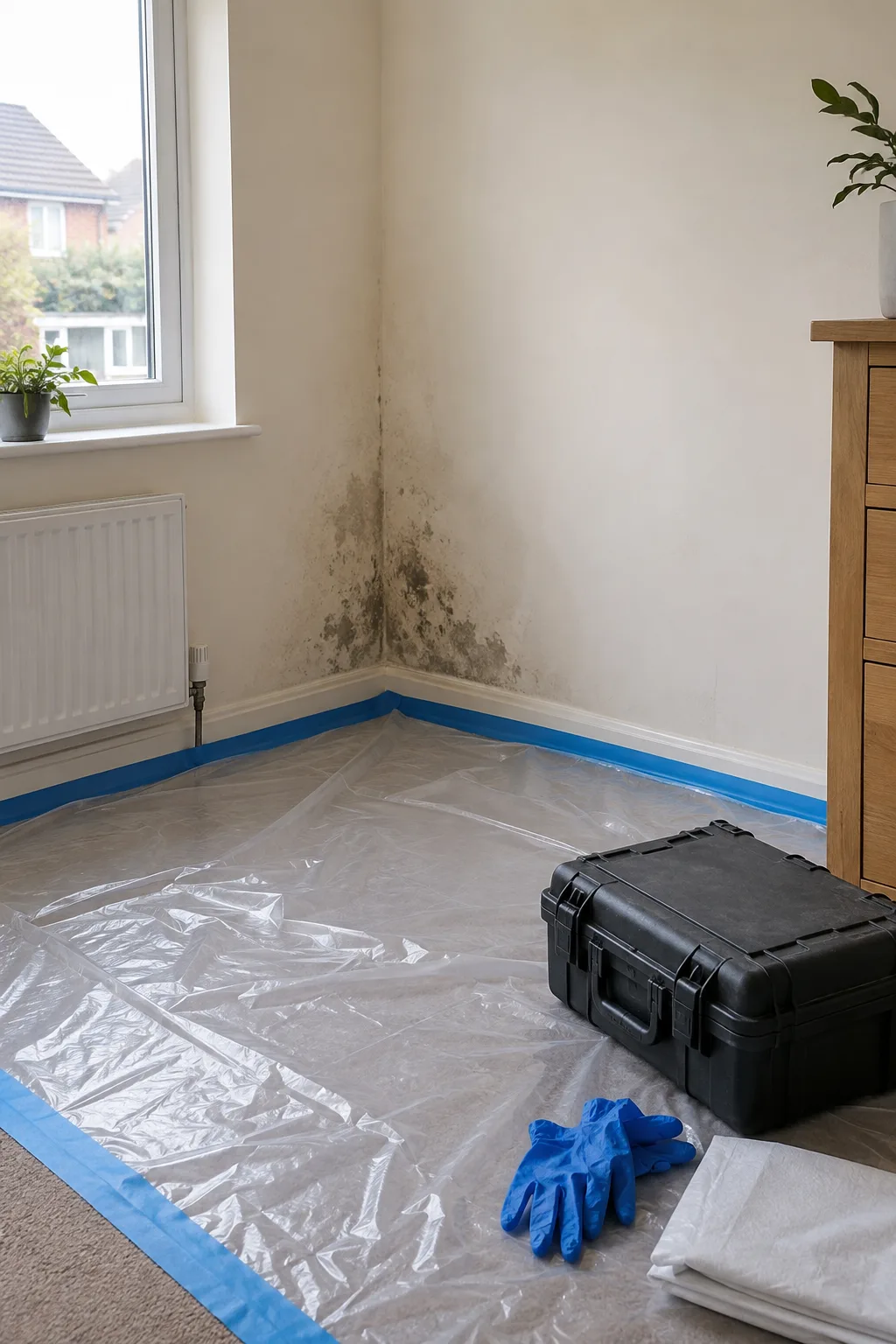
Tell us which surface will become hidden
If you are preparing a wall for relining after a leak in your Bloomsbury property, identify the original affected area and what the new finish will conceal. A dry-feeling room does not describe every part of that wall. The inspection needs to consider the material and its history before the reinstatement decision is made.
Share the leak repair date, the source identified and the work completed. Keep these with photographs taken before cleaning or decoration. A post-leak assessment of the wall materials can then focus on the question you need answered: what is known about the surface to be covered, and what evidence or further check is still missing?
Record what the portable equipment has changed
Tell us when the dehumidifier was introduced, where it stands and which room conditions seemed to change. Note whether glass became clearer, the smell reduced or the wall itself developed fewer wet signs. These are different observations. Keep the equipment’s own reading separate from a description of the damaged material; they are not interchangeable measurements.
Do not change the setup solely to make the wall look better for the appointment. Explain ordinary operation and any recent alterations. We can interpret the visit in that context, including the room’s heating and air movement. A lower displayed air-humidity value can be useful history without confirming the moisture condition within an inaccessible wall layer.
Inspect the material that the lining will face
Record peeling paint, persistent damp, deposits or visible growth across the affected area. Photograph the full boundary and neighbouring surface. A stain can remain after an earlier water event, while a new expanding patch raises a different question. Date those changes so the inspection can distinguish the old appearance from current wetting.
Accessible readings need interpretation with the tested material and finish. A fixed panel may prevent a view of the original surface. If an opening is proposed, agree its position and what it would help establish before a contractor removes anything. One exposed section provides evidence for that view, with other concealed areas still requiring their limits to be stated.
Keep a continuing source question separate from drying
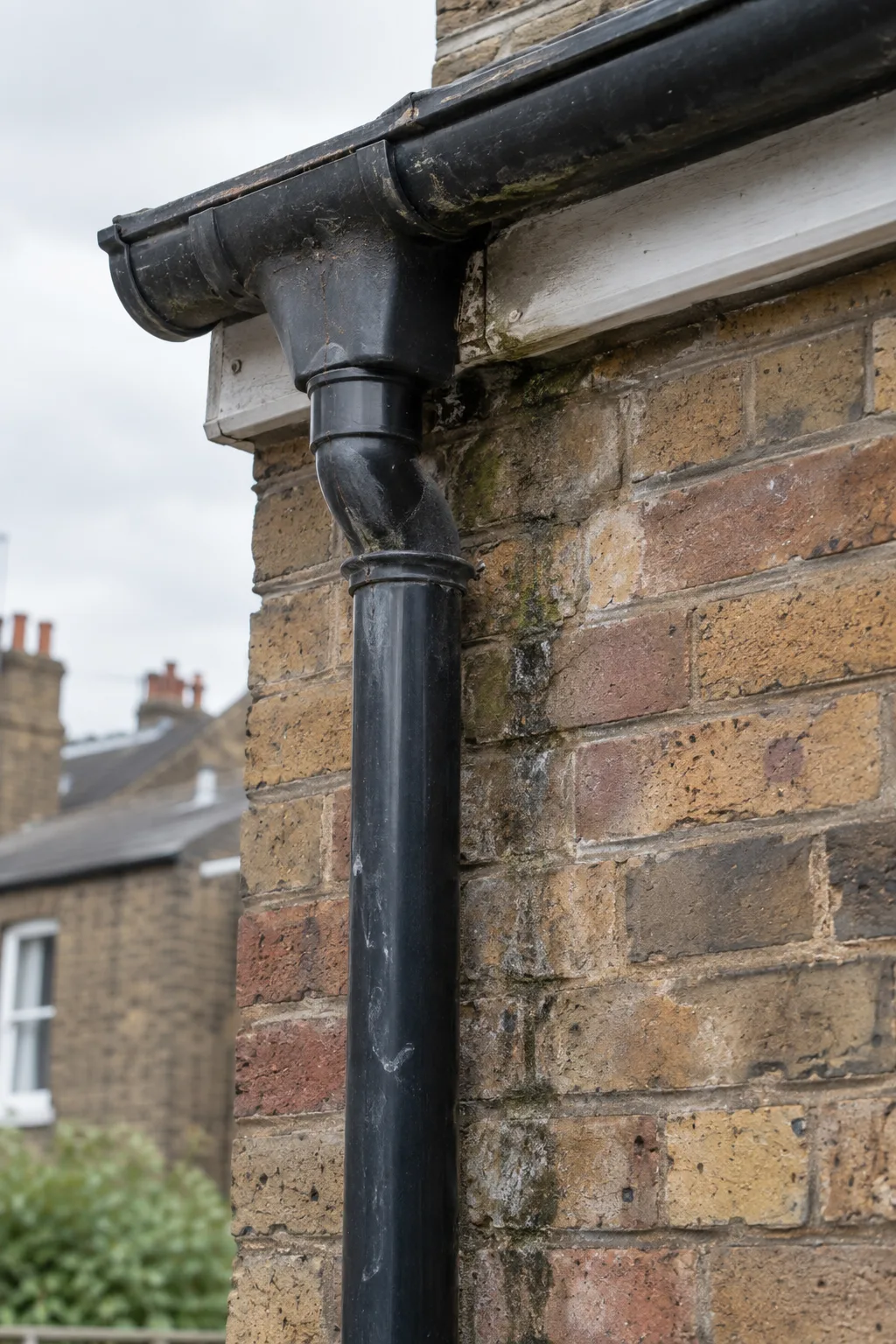
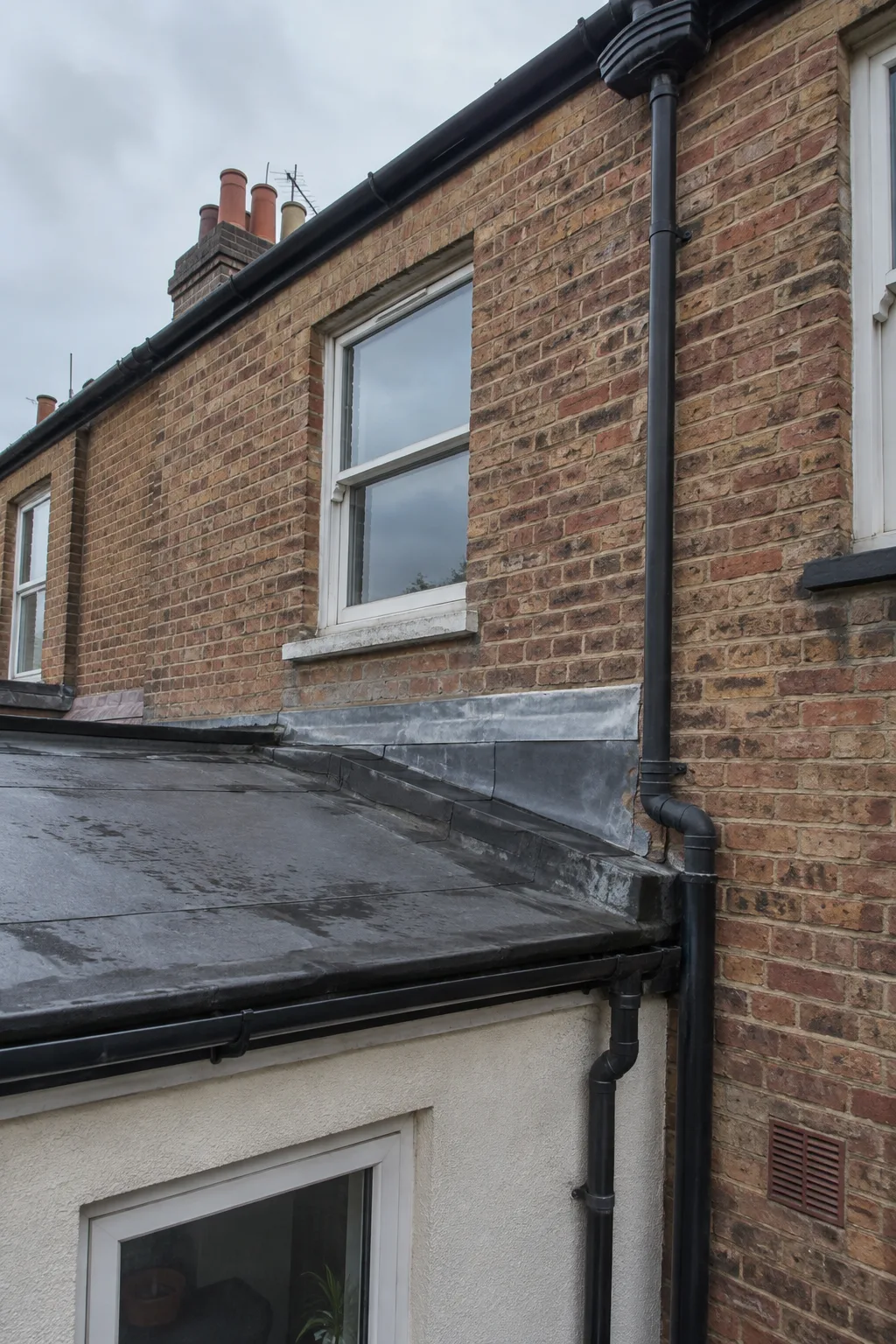
Confirm what the earlier repair actually addressed. An accessible joint may have been fixed while another route remained unexamined. If the patch is still changing or water appears again, checks for a remaining concealed water source may be needed. Portable equipment cannot establish that a hidden fitting is sound.
Report fresh water or developing damage promptly to the person arranging repairs. If another room or property contains the relevant source, coordinate authorised access. The wall assessment should make clear which evidence supports source control and which part still depends on another view or contractor’s check.
Consider the room conditions after equipment is moved
The space may be used differently after the repair. Tell us about furniture returning, a wall unit being installed or doors that will normally stay closed. A review of the room’s longer-term moisture conditions can help where colder surfaces or restricted airflow may contribute independently of the repaired leak.
This is a separate question from retained building moisture. Record which signs relate to the original event and which appear at another cold surface. Recommendations should explain their purpose, so the temporary drying arrangement is not mistaken for a complete plan for the occupied, refurnished room.
Agree the source, treatment and lining sequence
If mould developed during the leak, treatment of the affected wall growth can be planned with its extent and material condition. Loose finishes or damaged lining may require another repair decision. The proposed work should identify what is being treated and which underlying surface remains to be assessed.
Before relining, ask what observations support that step and whether any concealed concern needs checking first. Keep the findings, repair scope and photographs with the person fitting the new surface. A fixed number of days after a repair or a low equipment display should not replace that material-based decision.
PROPERTY & MOISTURE CHECKS
QUESTIONS BEFORE A VISIT
Useful questions
Does a low dehumidifier reading mean the wall can be lined?
The display concerns the equipment’s air reading, while the affected material needs separate assessment. Use it as context alongside the repair record and wall observations.
Should I turn the equipment off to prepare for the visit?
Explain normal operation and any changes first. Discuss the assessment arrangement when booking so the observations can be interpreted against the actual drying history.
What if the smell improves but the wall mark remains?
Record the two outcomes separately. Old staining can persist, while the wall’s material condition or fresh wetting may still need checking.
Can a new lining conceal a still-unexamined layer?
Yes. Identify what will be covered and agree any useful targeted view before reinstatement. The findings should retain the limits of areas not examined.
What information should the contractor fitting the lining receive?
The affected positions, source repair scope, material observations and any further check still recommended. That record connects the finishing decision to what was actually assessed.
Nearby areas
Assess the wall before the lining closes it again
Call about your Bloomsbury leak repair, portable equipment and planned finish. We can discuss the wall assessment needed for the next decision.