DAMP & MOULD SPECIALIST
Damp and Mould Specialist Soho
A small flat can feel dry in one room and stay damp in another. We look at the whole moisture route, including the spaces where air struggles to move.
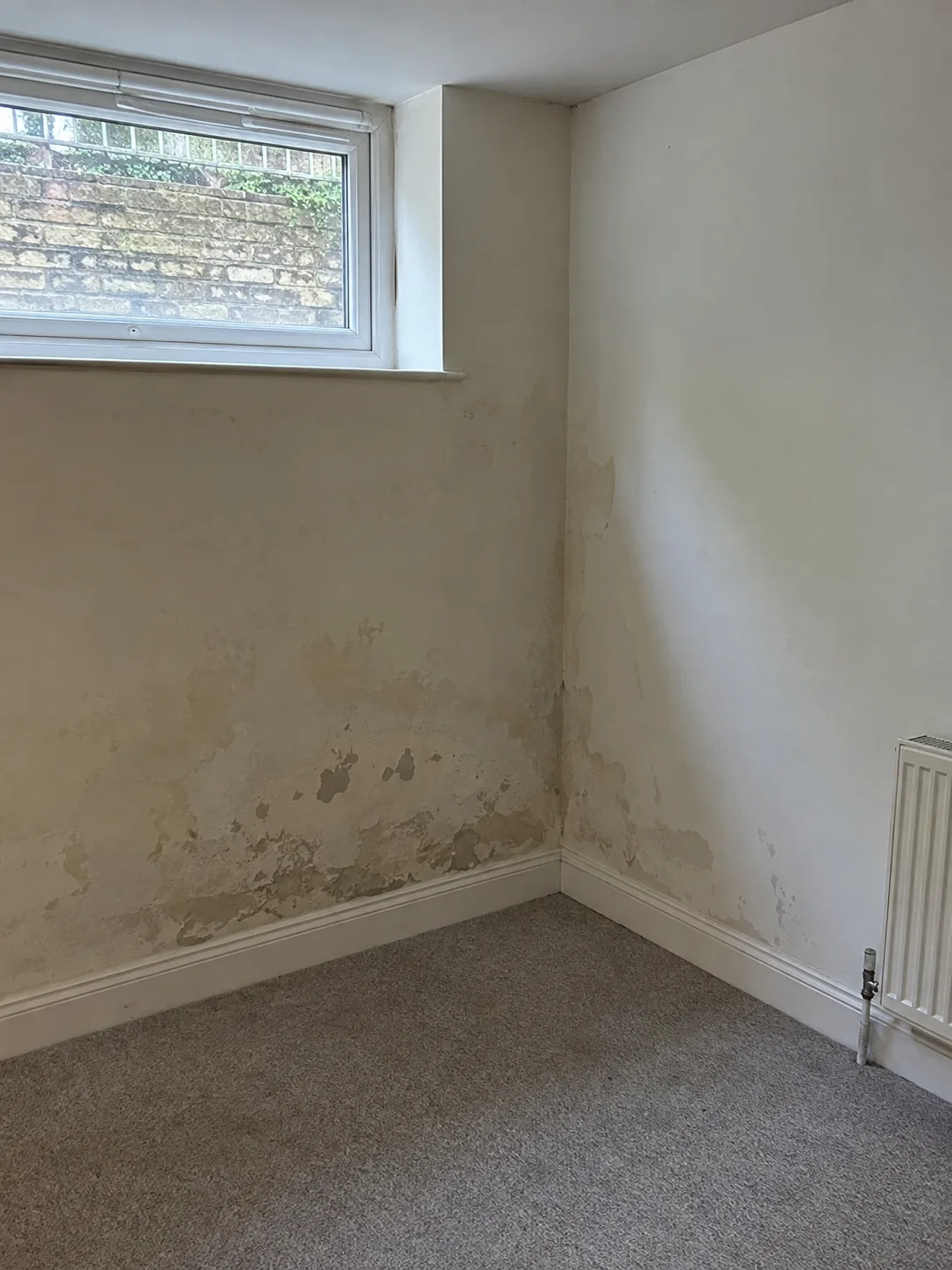
The closed room is where the mould appears
If mould develops in an enclosed room of your Soho flat, consider what happens elsewhere in the home. Moisture released by cooking, showering or drying washing does not necessarily stay in the room where it was produced. It can move through a doorway and collect on a cooler wall later. Tell us about moisture in the bathroom and kitchen too, so the visit can follow its movement towards the affected bedroom surface.
Map the affected places before the visit. Include wet glass, dark window reveals, furniture backs and any ceiling stains. Note whether the doors are usually open, how long moisture remains after bathing and whether condensation appears overnight. These observations help show the pattern without assigning blame or assuming that everyday use explains every damp patch.
Inspect the flat as connected spaces
For a ventilation and condensation assessment, explain the room connections and installed extraction so we can check how moisture clears and moves towards the bedroom. An extractor making a noise is not evidence that sufficient air is being removed. The arrangement also needs a route for replacement air. We look at the practical conditions in the home and identify which observations support the proposed changes.
Damp staining requires its own investigation. If one area remains wet when the flat has been unused, or if damage follows rainfall, moisture produced indoors may not explain it. A closer assessment of damp surfaces compares readings with materials and the location of the marks. We should explain where access limits what can be established.
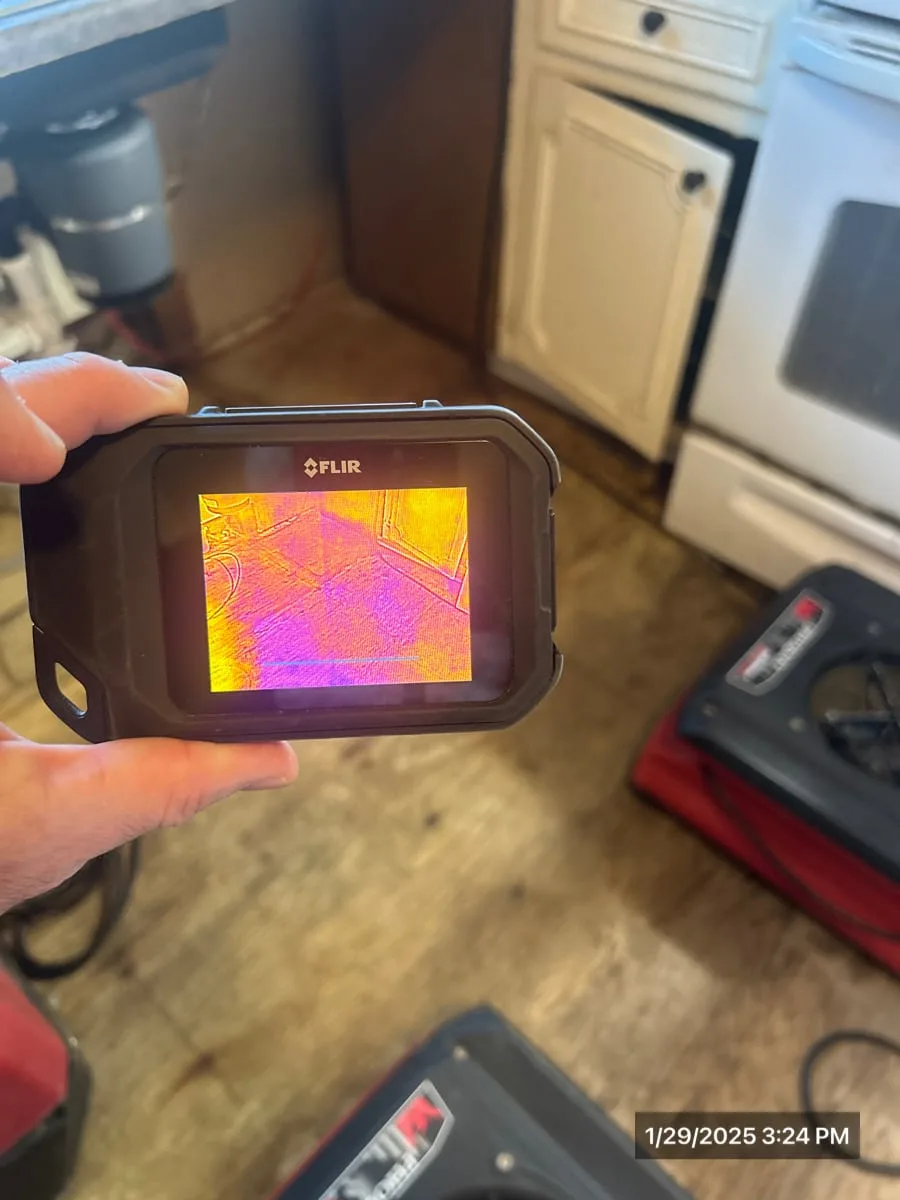
The bathroom may be part of the story
Steam that lingers can leave moisture on ceilings and travel into adjacent rooms. Bathroom and kitchen moisture checks connect that steam pattern with the fitting condition, including any seal or connection that can be examined during the visit. A damaged seal or leak near a shower can coexist with condensation, so treatment should not be based solely on the fact that the room is used for bathing.
Tell us about changes made before the mould appeared. A replaced window, altered door, blocked vent or revised room use may change airflow. That does not make new windows inherently unsuitable; it means moisture removal should be reviewed with the revised arrangement. If a room now serves as a sleeping space, its moisture conditions may differ from when it was used for storage.
Distinguish a wet reveal from a leaking opening
For mould concentrated beside the glass, assessment of window surrounds and cold surfaces helps compare condensation with possible water entry. Curtains can restrict local air movement, but an external gap can create a different wetting route. Record if the marks occur around every window or only one opening. The difference may be more useful than how dark the mould looks.
Choose treatment after the moisture route is clearer
We explain which surfaces need mould removal and treatment and which contributing conditions require changes. The plan may involve a repair, ventilation work or a different arrangement around cold surfaces. If the moisture source remains uncertain, further investigation is preferable to promising that a clean alone will settle the problem. Ask what the assessment has established and what it has not.
A little preparation makes access easier
In a compact flat, clear a safe route to the windows and affected corners. Tell us about fixed cupboards and anything behind appliances that cannot be reached. For a rental property, agree access with the occupants and identify who is arranging any proposed work. Keep photographs of the unaltered room layout; moving furniture before a visit can otherwise remove helpful context about restricted airflow.
A room rarely used may need a different discussion from a room occupied every night. Tell us the ordinary routine, not just what has been changed since the mould was noticed. If a door has been kept open or a portable device introduced recently, record that date. It helps separate the original conditions from temporary measures taken while waiting for inspection.

PROPERTY & MOISTURE CHECKS
QUESTIONS BEFORE A VISIT
Useful questions
Why is mould in my bedroom when steam comes from the bathroom?
Moist air can move between rooms and condense elsewhere. The assessment checks that route while also considering leaks or building defects near the affected bedroom wall.
Does an open window replace an extractor assessment?
Include the installed system in the assessment, even if opening the window helps clear moisture on some occasions. Ventilation needs considering across normal use, including times when opening a window is less practical.
Will you check more than the room with visible mould?
Relevant accessible rooms may help explain the moisture pattern. Tell us the full extent of the concern when arranging the inspection so the scope is agreed beforehand.
Should I remove curtains for the inspection?
Access to the reveal is useful, but first photograph how curtains normally sit. Their position may help explain restricted air movement around the glass and adjacent wall.
Can a kitchen leak explain damp in another room?
It can, depending on the building layout and water route. A stain need not sit beside its source, so the investigation follows evidence across accessible adjoining areas.
Nearby areas
Explain which room stays damp
Call about your Soho flat with the room layout and symptoms in mind. We can discuss the checks that fit the problem.