DAMP & MOULD SPECIALIST
Damp and Mould Specialist Covent Garden
Water can travel before it appears on a ceiling. If the room sits beneath an outdoor terrace, we investigate the stain and explain which parts need closer access.
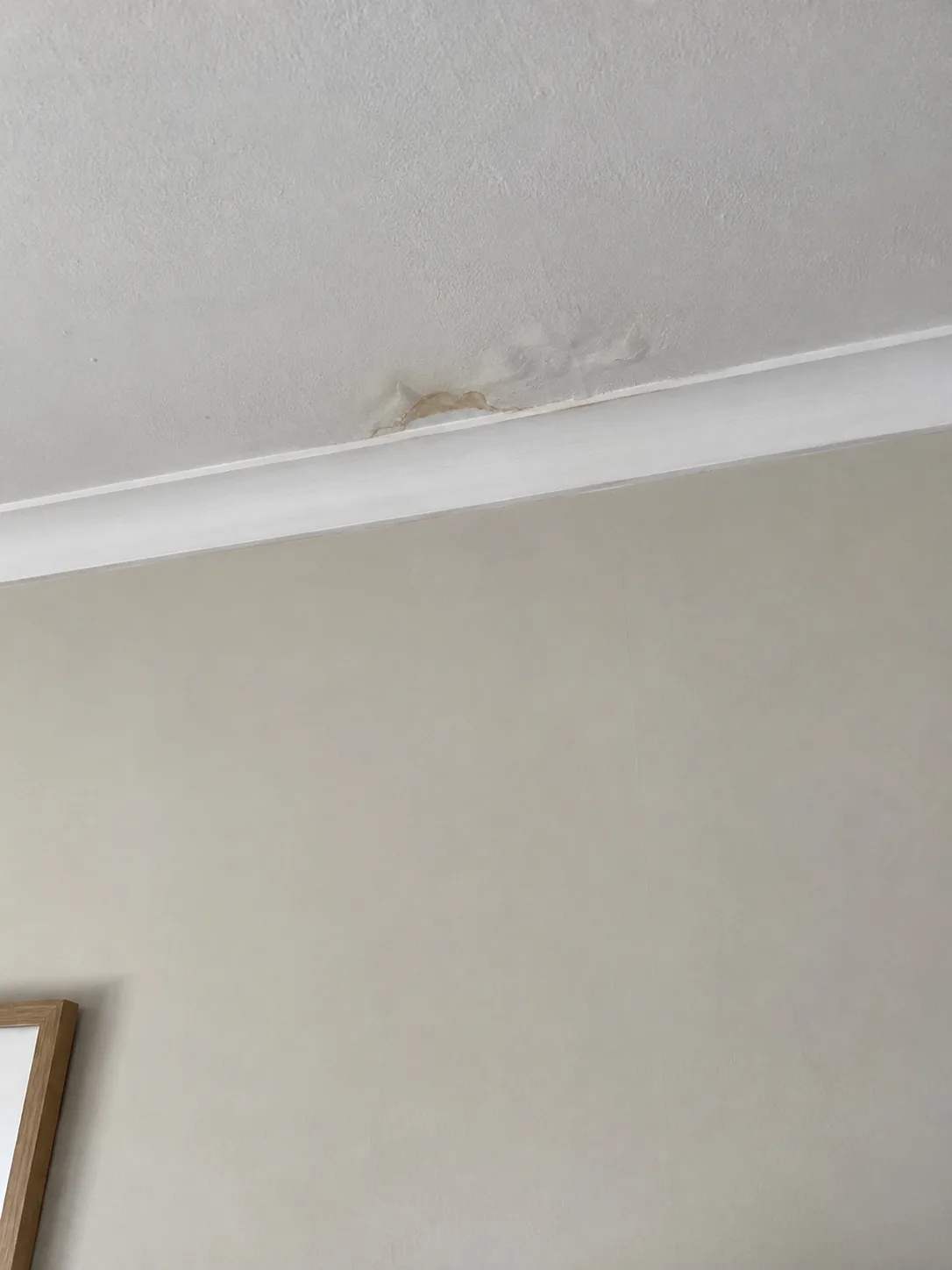
The room beneath the outdoor surface
If your Covent Garden flat has a terrace or balcony above an affected room, the relationship is worth investigating. A mark on the ceiling does not prove a failed terrace covering. Plumbing in the space above, a joint at the building edge or indoor condensation can also produce damage. Start with the layout, visible symptoms and history, then use those details to decide which part of the construction needs examining.
Useful details include which part of the terrace is above the stain, whether there is a drain nearby and who controls access. Tell us if alterations have added decking or concealed the original surface. That changes what can be inspected without dismantling anything, and may mean the building manager needs to arrange a separate external check.
Pay attention to changes after rain
Dated photographs can show if a stain grows following wet weather or stays much the same. Record when droplets appear, when paint starts to blister and whether the wall edge becomes wet as well as the ceiling. Water can pass through layers of construction before reaching the room, so there may be a delay. An immediate response is useful evidence, but the absence of one does not exclude ingress.
A check of accessible rainwater entry points compares the indoor damage with outdoor details. It should also identify where access is inadequate. Looking from inside cannot establish the condition of every drain, joint or waterproof layer above.
Keep other water sources in the picture
A ceiling can be affected by a concealed pipe even when the terrace is perfectly sound. Ask whether bathrooms or appliances are also positioned above the area. Changes that follow their use may guide further checks. Tracing a possible hidden leak is a different task from assessing the external surface, and the findings may justify both.
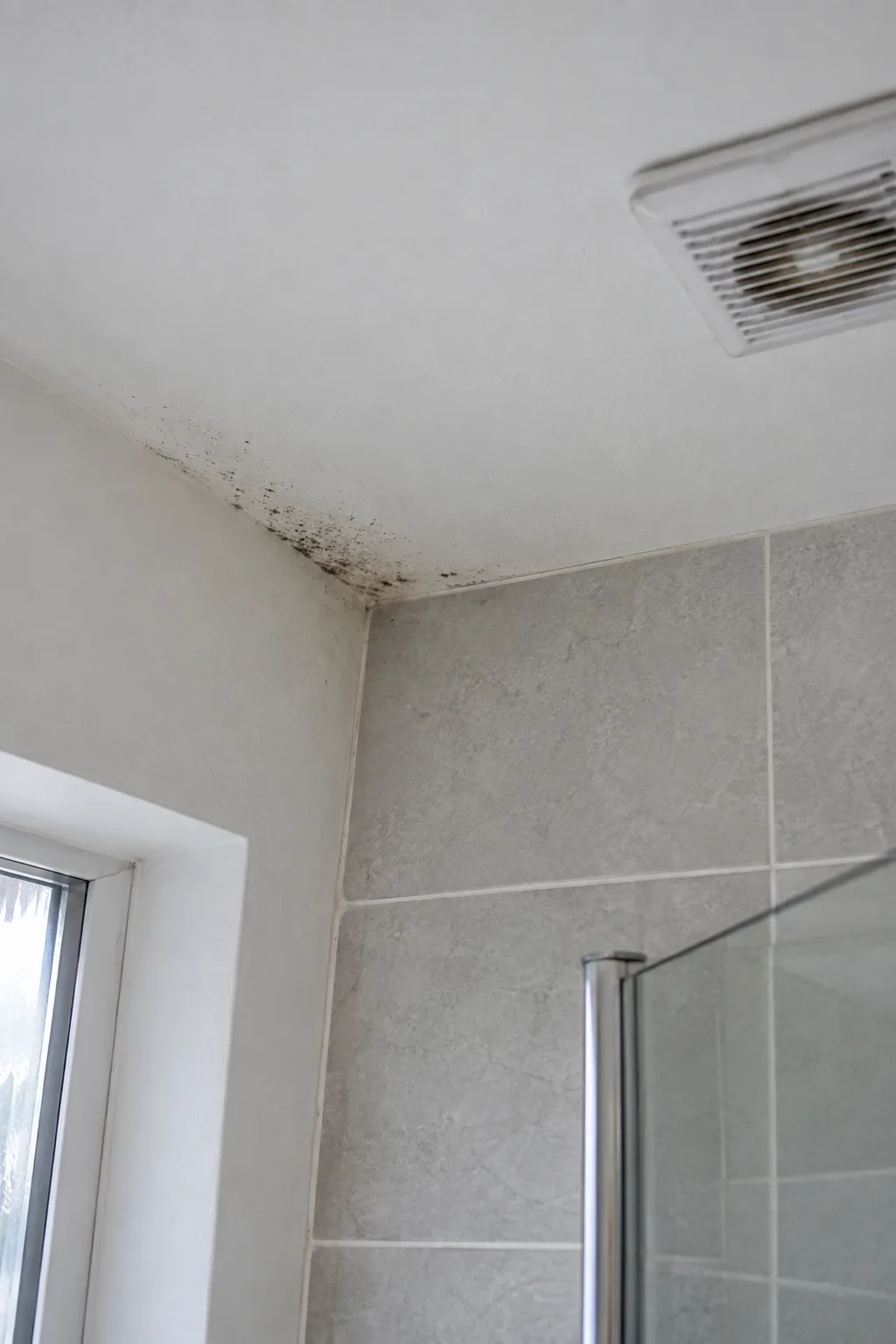
Mould close to a cooler perimeter also raises a condensation question. The edge of a ceiling can behave differently from its centre. Indoor moisture conditions matter, particularly if dark specks occur without a distinct wet stain. Compare the evidence for each explanation with the measurements and construction details, so the findings can identify which mechanism accounts for which mark.
What we can establish during the visit
We examine accessible surfaces, compare moisture patterns and ask about previous work. A recently redecorated ceiling may conceal the original stain, so earlier photographs are helpful. Readings must be considered with the material being tested. They can help map moisture but cannot identify the precise failed layer above the room.
Where the route remains unclear, a broader damp investigation can organise the evidence and further access needed. The explanation should distinguish what was seen, what is likely and what still requires confirmation. That gives the owner or managing agent a useful basis for arranging the next inspection or repair.
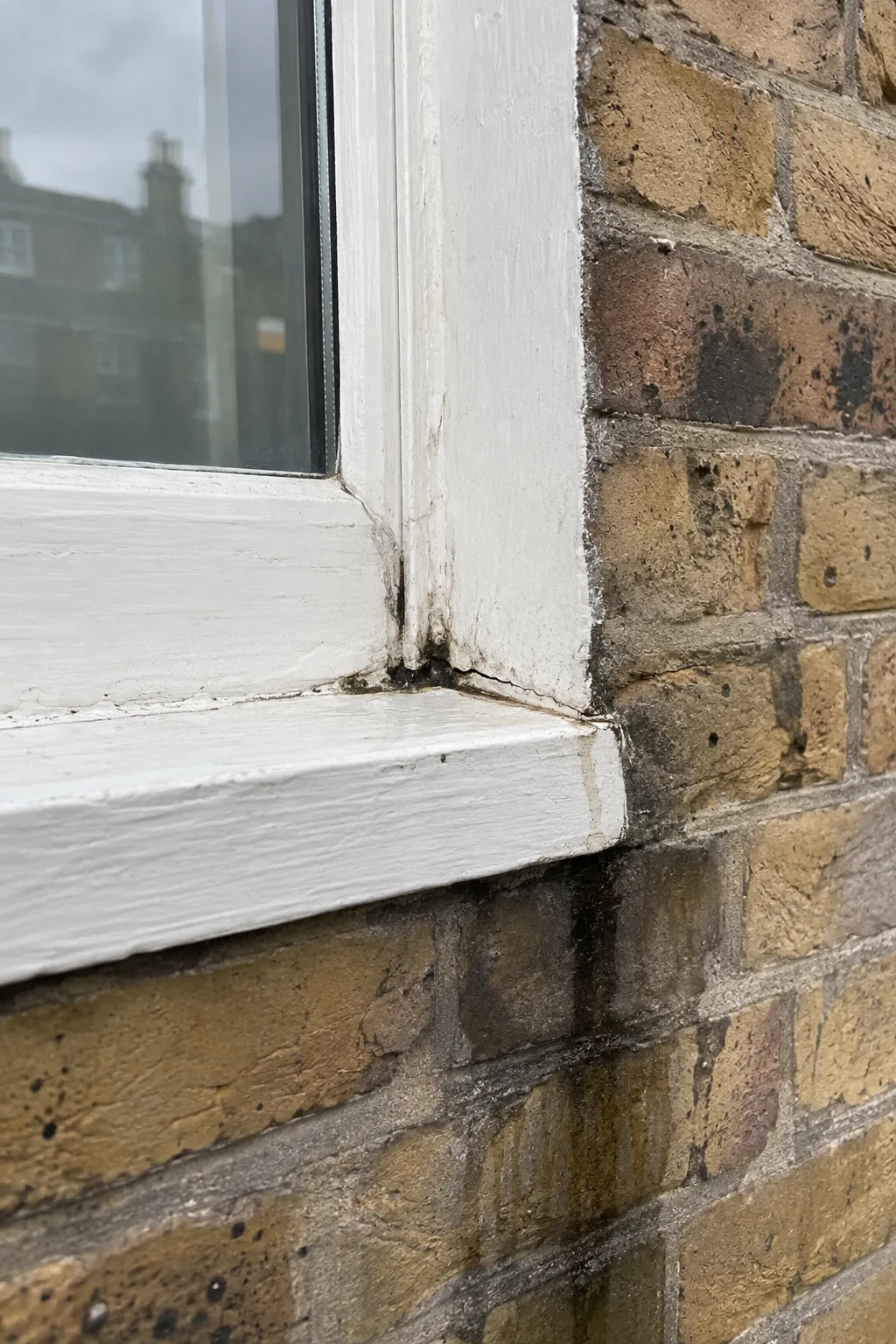
Repair and surface treatment have different jobs
A mould treatment deals with affected surfaces; it does not reinstate a defective terrace detail. Planning removal of visible growth should therefore take account of any continuing water entry. If the source is repaired, the ceiling and adjacent finishes may still need assessing before restoration.
The condition of plaster matters as much as the appearance of paint. Discuss any soft, loose or damaged area before decorating, and avoid opening the ceiling without agreement. Where several parties are involved, record who is arranging the external work and how the affected room will be reviewed afterwards.
Ask for a clear next step
You should leave the assessment knowing which accessible signs support the explanation and what remains outside its scope. A terrace covering hidden under decking cannot be declared sound simply because it was not visible. Equally, uncertainty should not lead straight to replacing everything. A defined access or testing step helps narrow the problem before committing to a larger repair.
PROPERTY & MOISTURE CHECKS
QUESTIONS BEFORE A VISIT
Useful questions
Does a ceiling stain prove the balcony is leaking?
No. It makes the construction above relevant, but plumbing, nearby openings and condensation still need consideration before deciding on the repair.
Why might the stain appear well after rainfall?
Water may take time to travel through the building or collect within layers. The timing helps guide checks of the construction above and possible entry points.
Should I remove the decking before you arrive?
Do not dismantle it without discussing access. We can explain whether an initial assessment is possible and what a closer external check would need.
Can the mould be treated while the leak remains?
Surface work may be discussed, but an active moisture source still needs addressing. The treatment plan should explain the risk of continued wetting.
What should the building manager provide?
Any repair history, available terrace drawings and access arrangements help. Photographs from earlier leaks can also clarify how the damage has changed.
Nearby areas
Explain the ceiling problem before arranging repairs
Call about your Covent Garden property with the room layout and rain-related changes. We can discuss the appropriate investigation.