DAMP & MOULD SPECIALIST
Damp and Mould Specialist Crouch End
The recessed part of the room can behave differently from the open wall. If shelves hide recurring mould, inspect the alcove as a distinct space before restoring the storage.
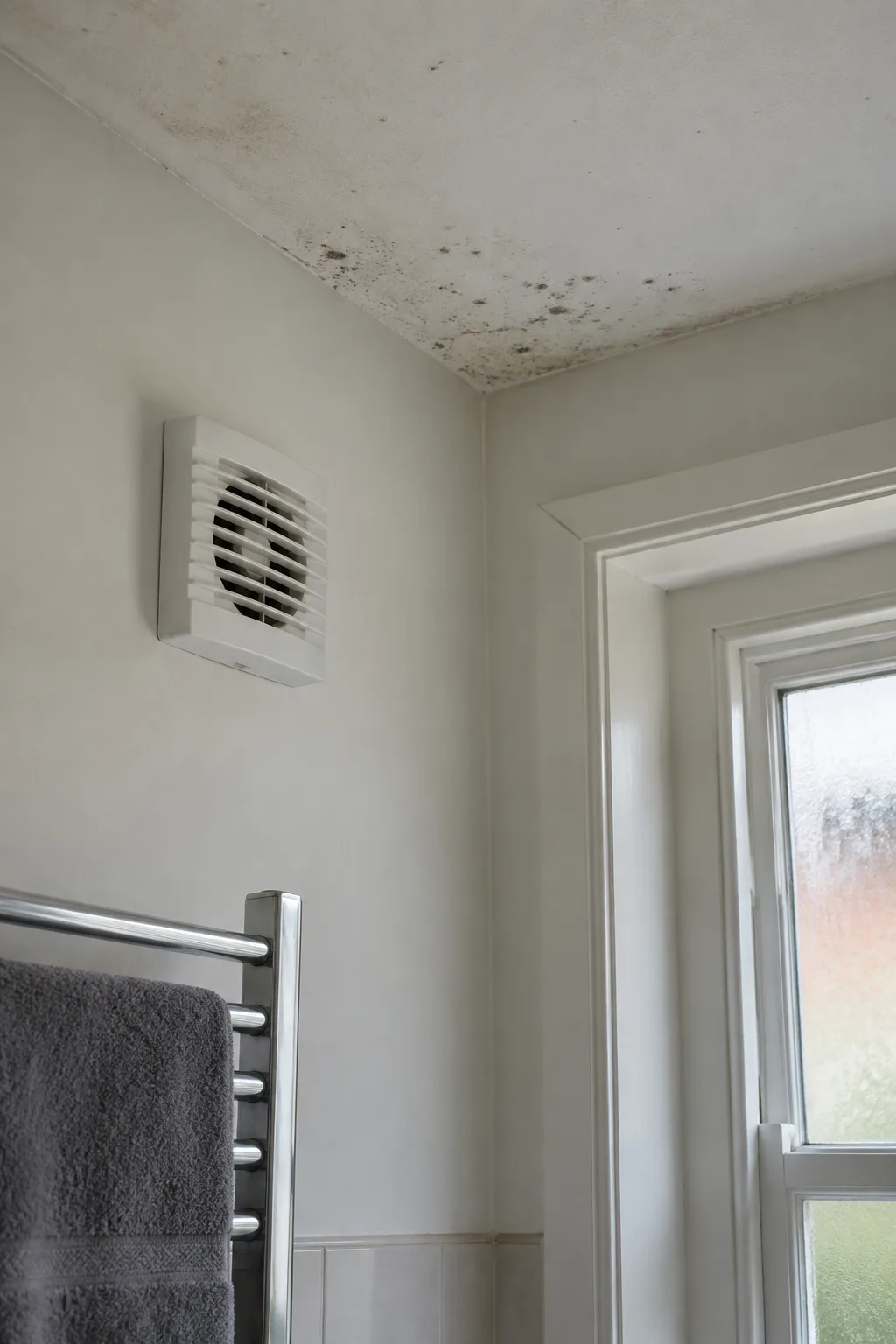
Expose the pattern without stripping the wall
If an alcove at your Crouch End property has mould behind shelves or stored items, photograph the visible outline and its relationship to the room. Note which side faces outside and what lies beyond the wall if known. Make accessible surfaces visible without forcing fixed joinery away. The depth of a recess alone does not explain why it became damp.
A cold-surface assessment of the recessed wall can consider the local pattern and surrounding conditions. Tell us whether the mould appears only behind storage or reaches the ceiling and skirting. The full outline helps distinguish a local surface issue from a wider damp concern that needs separate investigation.
The normal storage arrangement is part of the evidence
Books, cabinets or a fitted desk can restrict circulation in a recess. Describe the original layout if items have been removed. A newly open alcove may no longer behave as it did when the marks developed. A review of airflow into the alcove can assess those conditions with room heating and moisture production.
Describe how the alcove storage needs to work after repairs. Discuss airflow and source measures that fit its practical layout and the findings for the recessed wall. Fixed backs, linings and decorative panels may limit observation of the underlying wall. Any further access should have a specific purpose, with the missing evidence identified clearly.
Where the alcove sits beside an opening or structural feature, include that relationship in a wider photograph. The inspector can use it to relate the surface pattern to adjoining construction. Do not choose a cause from the recess’s shape alone; the value of the layout is to guide checks and make any recommendation specific to the affected wall.
Look beyond restricted air movement
Damp behind a shelf can also involve plumbing, outside water or adjoining construction. Report a distinct stain, peeling finish or damaged material separately from visible spots. A check of the alcove’s moisture source can compare readings and observations with the building arrangement. A single measurement should not decide the cause on its own.
Keep any rain or use-related observations and show accessible adjoining rooms. If previous work affected that wall, provide dates and photographs where available. The investigation should not inherit an unsupported explanation merely because earlier cleaning was described as a condensation repair. Ask what evidence now supports the proposed cause and where uncertainty remains.
Recurring growth calls for a new question
If mould returns after the same clean, note how quickly it became visible and whether it began at the same point. There is no need for exact dates to provide a useful sequence. Photograph before another treatment where practical. Repetition suggests the previous response did not address all relevant conditions, but it does not identify which condition remains.
Fresh damp, swelling joinery or lifting plaster requires attention to the materials and possible source. Do not scrape or sand the alcove to prepare it before assessment. The condition may affect the proposed repair, and concealed services can matter when planning opening-up work. Describe the damage when calling so the scope includes more than a superficial mark.
Treat and rebuild the space in a reasoned order
Treatment of mould in the alcove can address suitable affected surfaces after the extent and materials are considered. Source measures and room conditions need their own plan. A new shelf back would hide the wall without showing that repeated wetting has changed. Ask what should be completed and reviewed before storage is restored.
Keep photographs of the exposed wall, the findings and any repairs. Discuss which same surfaces should be checked after work and what new growth would mean for follow-up. A clean appearance is useful but cannot confirm concealed construction or future room conditions. Use the findings to plan a usable alcove, with source work, treatment and refitting decisions understood before storage returns.
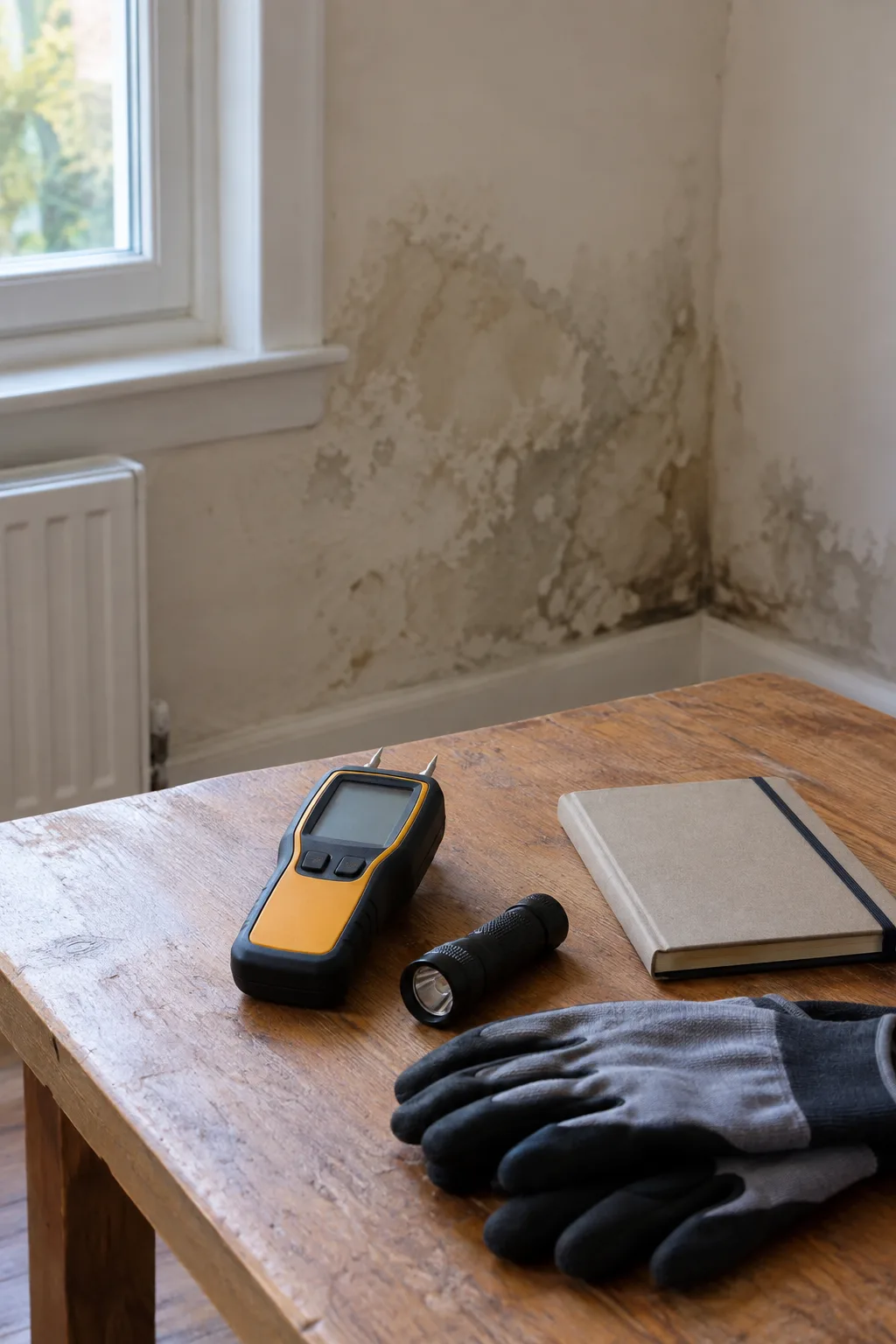
PROPERTY & MOISTURE CHECKS
QUESTIONS BEFORE A VISIT
Useful questions
Does an alcove naturally cause mould?
No. A recess can influence circulation, but moisture and surface conditions determine the problem. The wall and possible alternative sources need assessment.
Should I remove fitted shelves before the visit?
Discuss the installation and access first. Removable contents can improve visibility, while fixed joinery should only be opened with an agreed purpose and appropriate help.
Can the open room feel dry while the recess is wet?
Yes. Local temperature and air movement can differ. Ask the assessment to consider the recessed surfaces and their local conditions. Measurements elsewhere in the room provide additional context.
Why does mould return at the same shelf height?
The location may relate to airflow or construction, but repeated position alone does not settle the cause. Record the layout and any material damage for the inspection.
What should I check before fitting a new cabinet?
Clarify the moisture source, surface condition and any recommended changes. Keep access and the proposed layout in the discussion before covering the wall again.
Nearby areas
Make the alcove visible before rebuilding its storage
Call about the Crouch End room with the original shelf layout and affected surfaces. We can discuss the checks that matter before treatment, decoration or new fitted storage.