DAMP & MOULD SPECIALIST
Damp and Mould Specialist Wood Green
Mould above the kitchen may involve steam, but the extraction route and nearby water sources still need examining. We assess the ceiling in the context of the whole room.
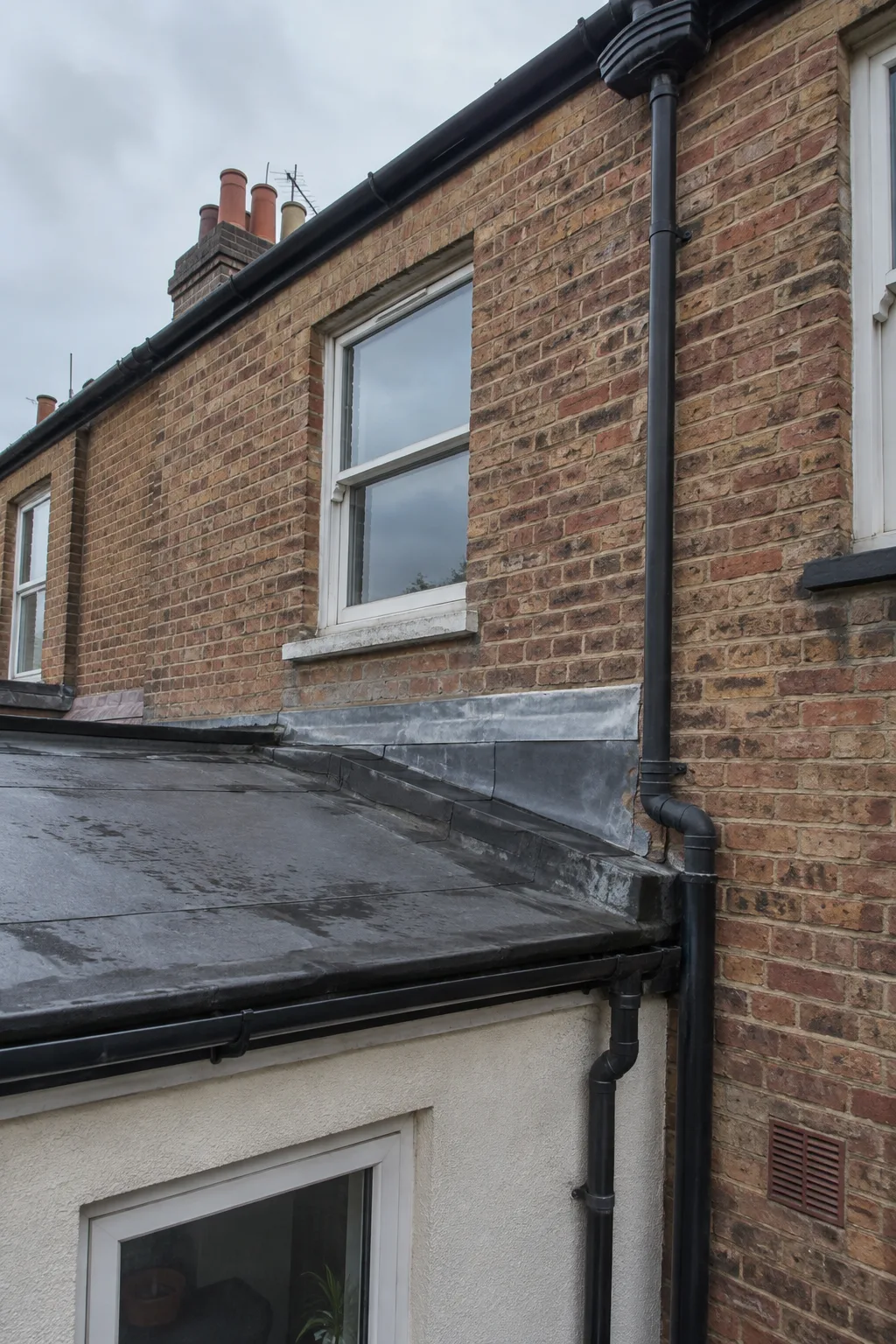
Understand the kitchen’s extraction arrangement
If the kitchen ceiling in your Wood Green home develops recurring mould, first identify how cooking moisture leaves the room. A cooker hood may discharge outside or operate in a different arrangement. Its presence is not proof of effective moisture removal. Tell us what lies above the ceiling and whether any mark changes with rain or upstairs fitting use, keeping those possible sources in the enquiry.
Describe the hood, any separate fan and what is known about their outlets. Note recent kitchen alterations and whether ducting was changed or enclosed. Installation information can help clarify the intended arrangement. Do not dismantle unfamiliar equipment simply to discover where the route goes.
If the cooker hood was replaced but the original duct retained, note that clearly in the work history. Replacing the appliance and examining the concealed route are different tasks. A new equipment invoice may say little about the route’s condition. The inspection should identify what accessible evidence exists and whether a separate ventilation enquiry is needed before another replacement decision.
Compare the cooker area with the rest of the ceiling
Record where droplets form and where growth begins. Mould concentrated near a cooler outer corner may differ from a distinct stain below an upstairs room. Note whether the ceiling stays wet long after cooking and whether damage changes with rainfall. A mark directly over the cooker can be relevant to use without proving that it has no other source.
Checking kitchen moisture and accessible fittings helps place the ceiling symptoms in context. The sink, appliances and room arrangement may provide useful evidence even when the most visible growth is overhead.
The route matters as much as the equipment
We consider accessible ventilation points, the available air path and normal operation. A long or concealed route may have parts that cannot be inspected during the visit. Identify which duct section could be viewed and whether any concealed part still needs a separate equipment check. Useful recommendations relate to the actual arrangement and repeated wetting seen in the room.
A review of kitchen extraction and airflow can help explain condensation. It cannot establish concealed duct condition without access, or repair a water source elsewhere in the building. Those questions need distinguishing.
A ceiling stain can need a separate enquiry
We compare accessible readings and damage patterns with what lies above the kitchen. A bathroom fitting, roof junction or hidden pipe may be relevant. Materials and finishes affect meter interpretation, so one reading cannot identify the source. Share earlier photos if paint has covered the original outline.
If the source remains unclear, a focused investigation of the ceiling moisture helps organise the next checks. Further access should answer a defined question, with observations, likely explanations and unconfirmed routes kept distinct in the findings.
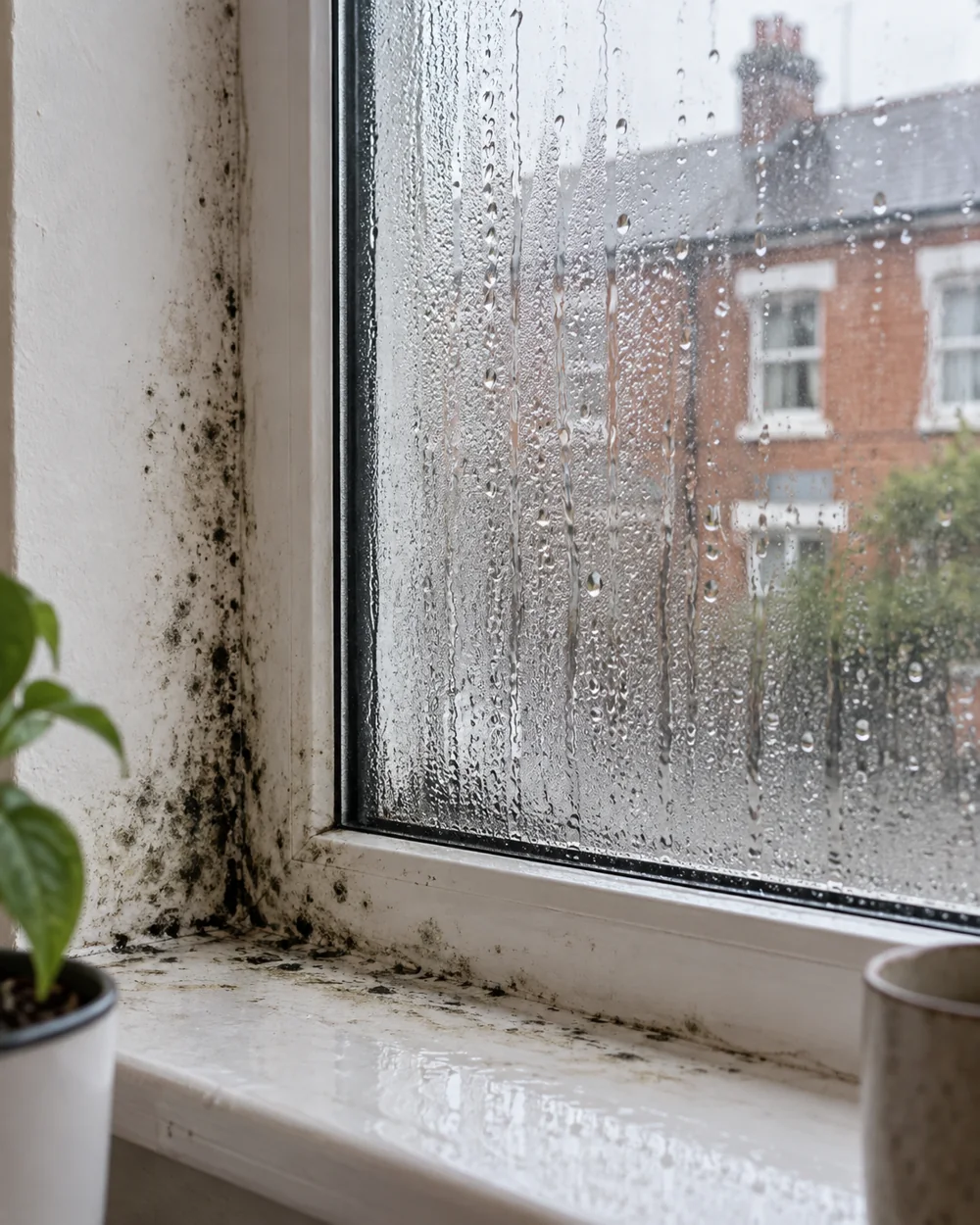
Surface treatment needs a moisture response
Treatment of the affected kitchen ceiling should reflect the material condition and accessible extent. A ventilation improvement may reduce condensation; a plumbing or building repair addresses a different source. The treatment plan should explain how those actions fit together if more than one issue is found.
Check peeling paint, damaged plaster and adjoining corners before decoration. Do not assume the ceiling is ready merely because growth has been removed. A concealed source that remains active can continue wetting new finishes. Keep records of source work and compare the original locations after the agreed changes.
Useful details before anyone opens the ceiling
Call with the kitchen layout, extraction arrangement and the room above if known. Mention how moisture follows cooking and whether there are separate weather-related changes. Photos of the whole ceiling and accessible ventilation points help more than one tightly cropped image. Tell us about any access panels, but leave further opening to an agreed inspection plan.
If a previous contractor replaced equipment, retain details of the work and note whether the same marks returned. That history helps avoid repeating an equipment change without establishing the reason moisture is still collecting.

PROPERTY & MOISTURE CHECKS
QUESTIONS BEFORE A VISIT
Useful questions
Does a cooker hood always remove kitchen moisture outdoors?
No. Arrangements differ. Find the operating information if available and discuss the route, so the assessment can identify how cooking moisture is intended to leave.
Can ceiling mould be unrelated to cooking steam?
Yes. A leak or outside water route can contribute, especially where a distinct stain persists. The position should guide checks, not settle the cause.
Should the duct be opened before inspection?
Discuss its layout and available access first. Any opening should have a defined purpose and be arranged appropriately.
Why check what room is upstairs?
Fittings and concealed routes above the ceiling may be relevant to staining. Their relationship to the damage can guide further investigation.
Would replacing the hood stop the mould?
Only if the relevant moisture condition is addressed. The existing arrangement and other possible sources should be assessed before choosing replacement equipment.
Nearby areas
Get the kitchen ceiling checked properly
Call about your Wood Green kitchen with the extraction details and where the marks appear. We can discuss a focused assessment.