DAMP & MOULD SPECIALIST
Damp and Mould Specialist Tottenham
A room converted from another use needs its actual construction and present conditions considered. The conversion label alone does not explain a damp wall or tell you which work is suitable.
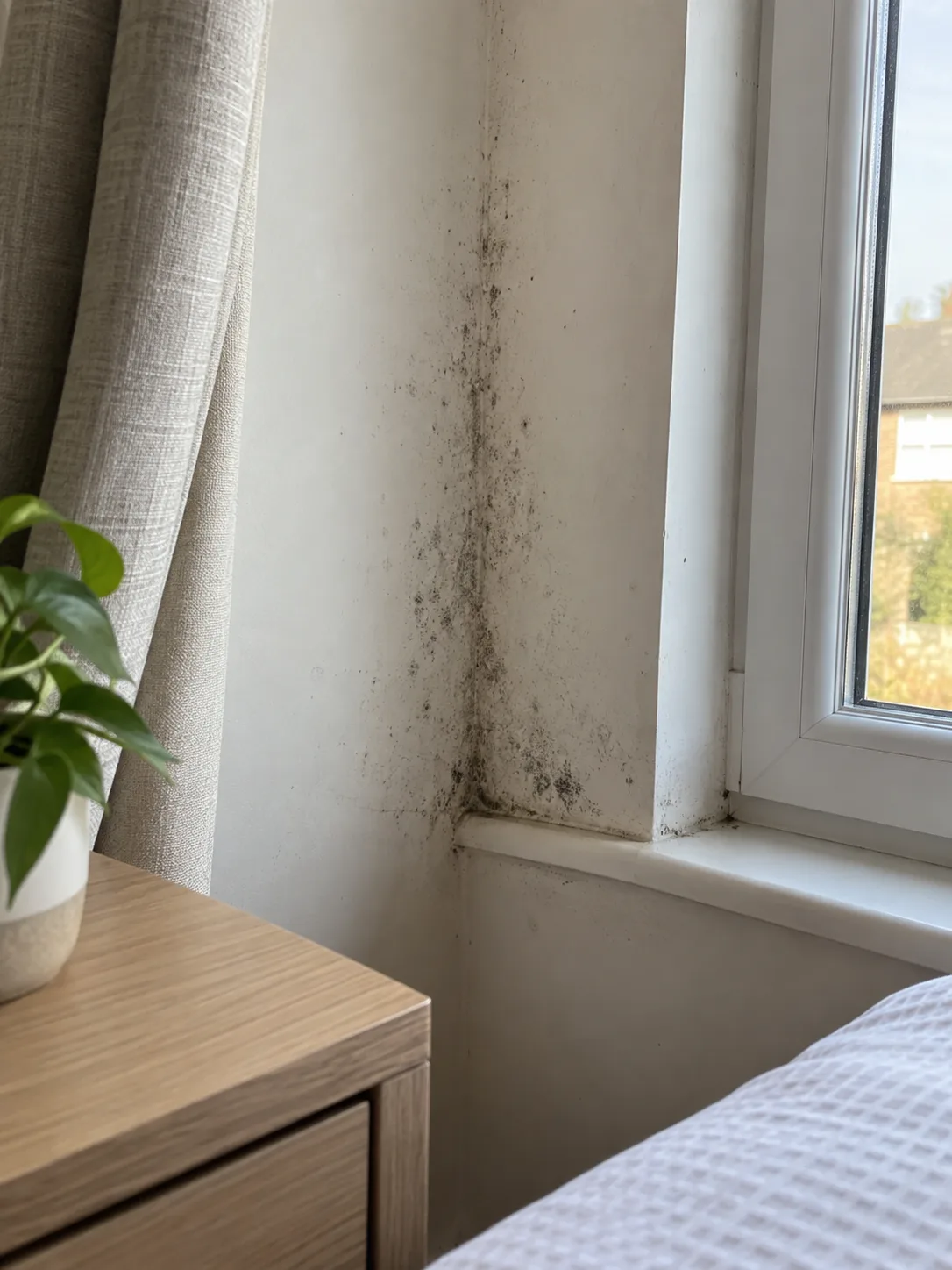
Start with the conversion information you have
If your Tottenham property includes a converted garage or similar room and damp appears, describe what was altered and when. Share available plans, photographs or records. Clearly identify any hidden layer whose arrangement is unknown so the inspection can account for it. Note the current use and affected surfaces. This gives the inspection context without assuming a particular construction or an inevitable conversion defect.
A moisture investigation of the converted space can compare accessible walls, floor junctions and damage with the history. Ask which findings support the likely source and what remains concealed. A room’s earlier purpose is relevant background, but the diagnosis needs evidence from its present arrangement and condition.
Different parts of the room can have different questions
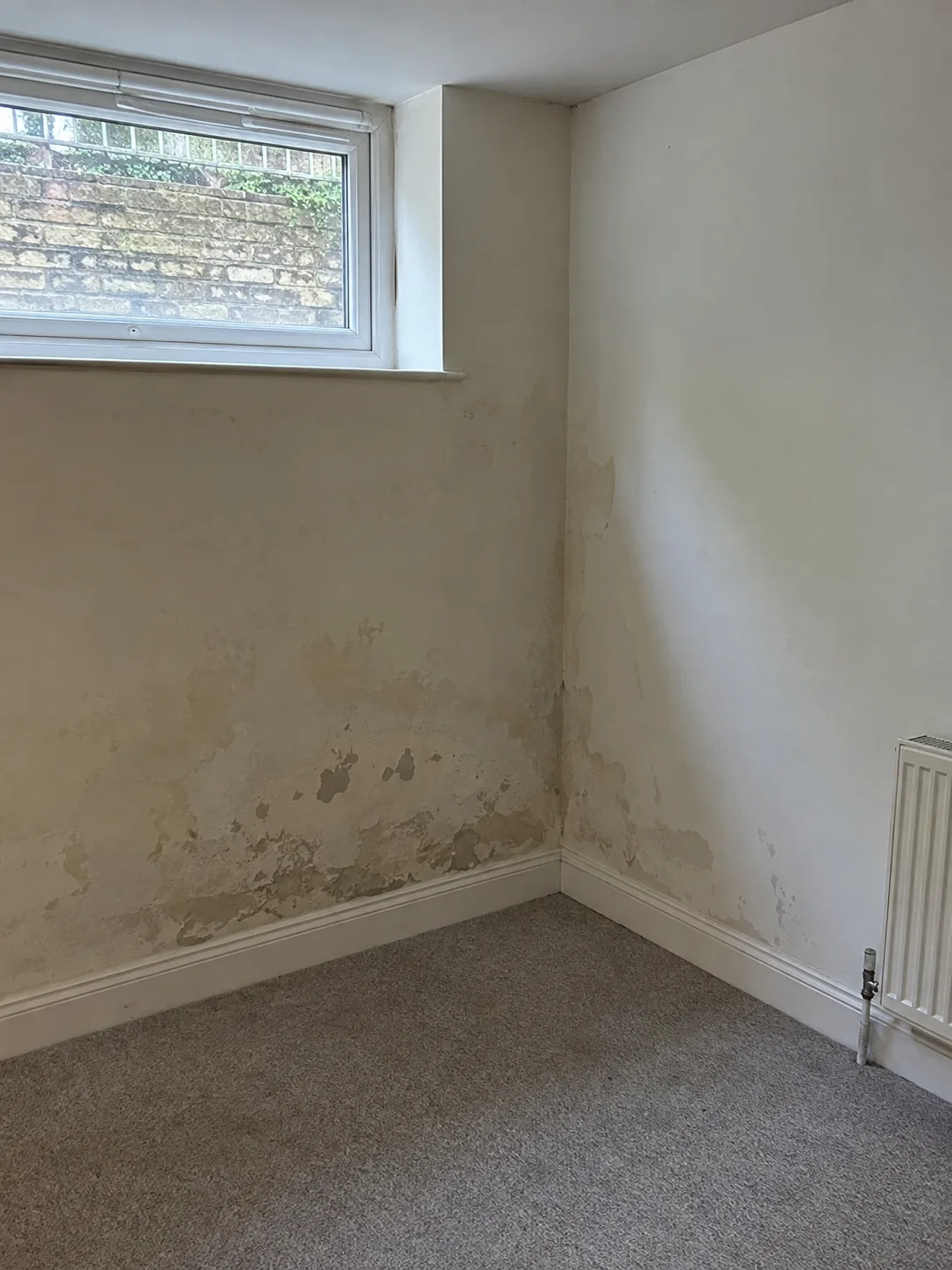
A low wall patch, wet window and mould behind storage should not automatically receive the same explanation. Outside contact, plumbing and condensation may need separate consideration. A check of accessible external moisture routes can be relevant where rain, ground setting or an opening corresponds with damage, subject to access.
The present room use also matters. Heating and ventilation may differ from the original arrangement. Assessment of the converted room’s air exchange can consider moisture production, colder surfaces and circulation. It should examine installed provision as well as everyday use, not attribute the damp simply to spending time in a formerly unoccupied space.
Linings can restrict what the visit establishes
Wall and floor finishes may conceal original surfaces. Tell us which layers are known and which are not. Available construction photographs can guide specific access questions but cannot show the current condition of every hidden component. Ask the inspection to explain the concealed areas and what accessible readings can establish. Keep any need for further construction checks clear.
If a builder is already planning repairs, discuss the findings and any targeted opening with them. Access should answer a particular uncertainty. Do not strip the room merely to make the visit appear thorough. In a rental, confirm who can authorise work and which areas can be entered; permission to inspect does not automatically include opening finishes.
If the room connects directly to the main home, describe the doorway and how it is normally used. Indoor moisture and heat can move between the spaces, but that does not identify a wall or floor source. The connection belongs in the assessment alongside construction information, helping keep room-use recommendations distinct from any building repair that may be needed.
Keep the current symptoms distinct from old damage
Record when you first noticed the marks and whether they change after rain, room use or a period away. Photograph the whole area before cleaning or painting where practical. If the room has been redecorated more than once, note where the growth returned. Earlier surface treatments are part of the history, not proof that the source was investigated.
New water, expanding patches or lifting materials should be reported promptly to the person arranging repairs. Material damage may need separate attention alongside mould. Describe the affected surfaces and the changes at each location. This helps define which moisture and material questions the inspection needs to address. A precise account helps the inspection focus on where continued wetting is suspected and where an older stain may remain.
Choose treatment after the construction question
Mould treatment for the converted room can address growth within an agreed surface scope. It does not correct an external water route or establish the suitability of concealed building work. Ask how source measures, material repairs and surface treatment should connect before the room is redecorated.
Keep the findings and photographs of any opened or repaired area. Discuss what to review before finishing and what would justify another source check. Avoid treating the conversion itself as a permanent explanation for future mould. A useful plan identifies the observed problem, remaining uncertainty and the specific task for the next contractor. Ask how that task follows from the evidence.
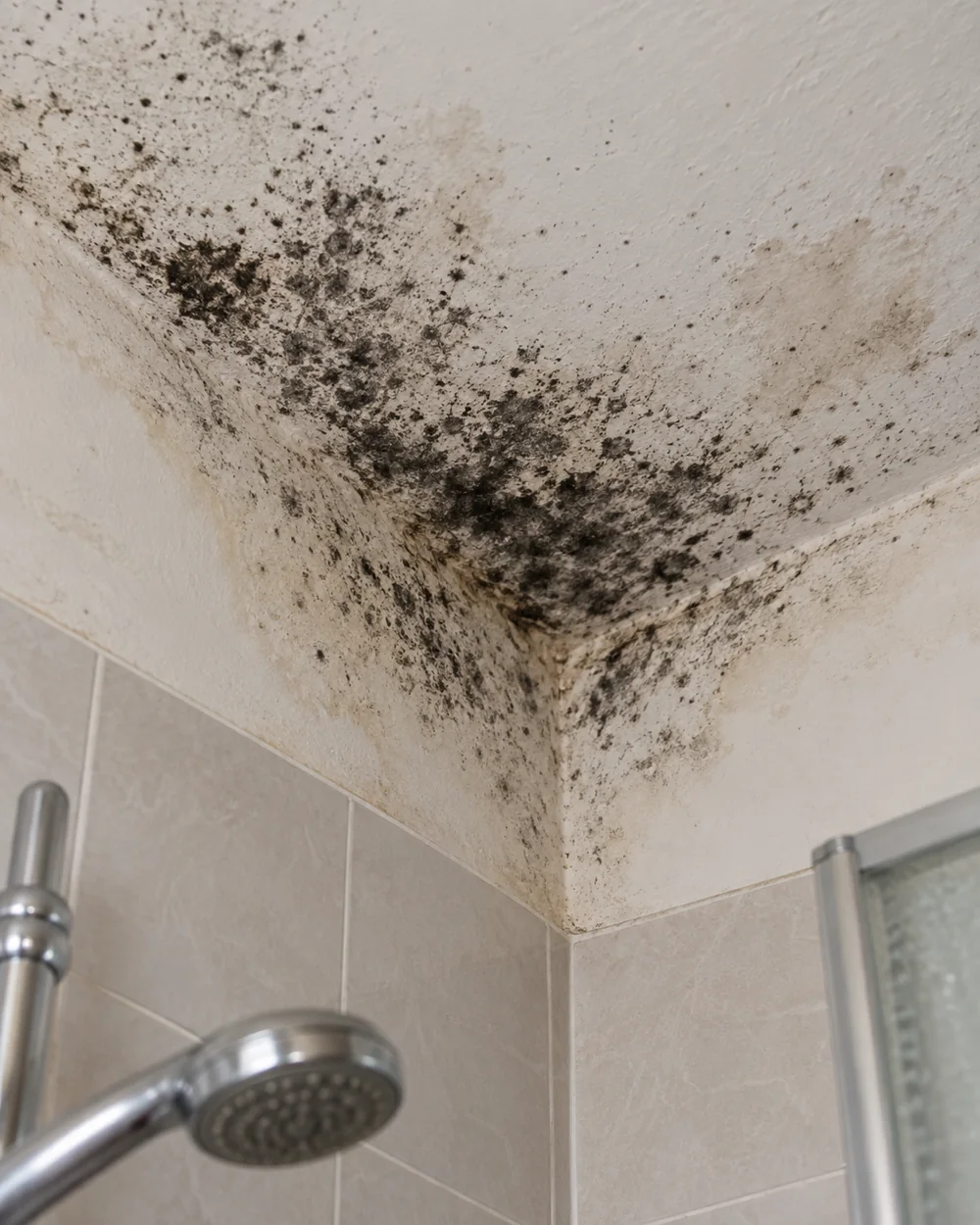
PROPERTY & MOISTURE CHECKS
QUESTIONS BEFORE A VISIT
Useful questions
Does damp mean the conversion was done incorrectly?
Not automatically. The room’s construction and conditions need assessment, with the moisture pattern and history supporting any conclusion about a defect.
Can a damp visit assess hidden insulation completely?
Accessible observations do not reveal every concealed layer. The inspection should identify limits and any targeted further access needed for a specific question.
Should I bring the conversion plans?
Yes, if available. They can clarify the arrangement and help guide checks. The current material condition and any concealed limits need their own assessment.
Can mould and low wall damp have separate causes?
They can. Different surfaces may be affected by different wetting conditions. Ask the assessment to explain the evidence and proposed measures for each relevant area.
What should the repair builder receive?
Relevant findings, photographs and access limitations, including the specific question any opening-up work needs to answer. That helps coordinate construction and surface repairs.
Nearby areas
Assess the converted room’s present moisture problem
Call with the Tottenham property details, conversion information and current symptoms. We can discuss a focused inspection before rebuilding finishes or choosing a wall treatment.