DAMP & MOULD SPECIALIST
Damp and Mould Specialist Sydenham
A loft water tank sits above the affected ceiling, but its presence does not identify the fault. Investigate the visible damage and available source evidence before repairing the finish.
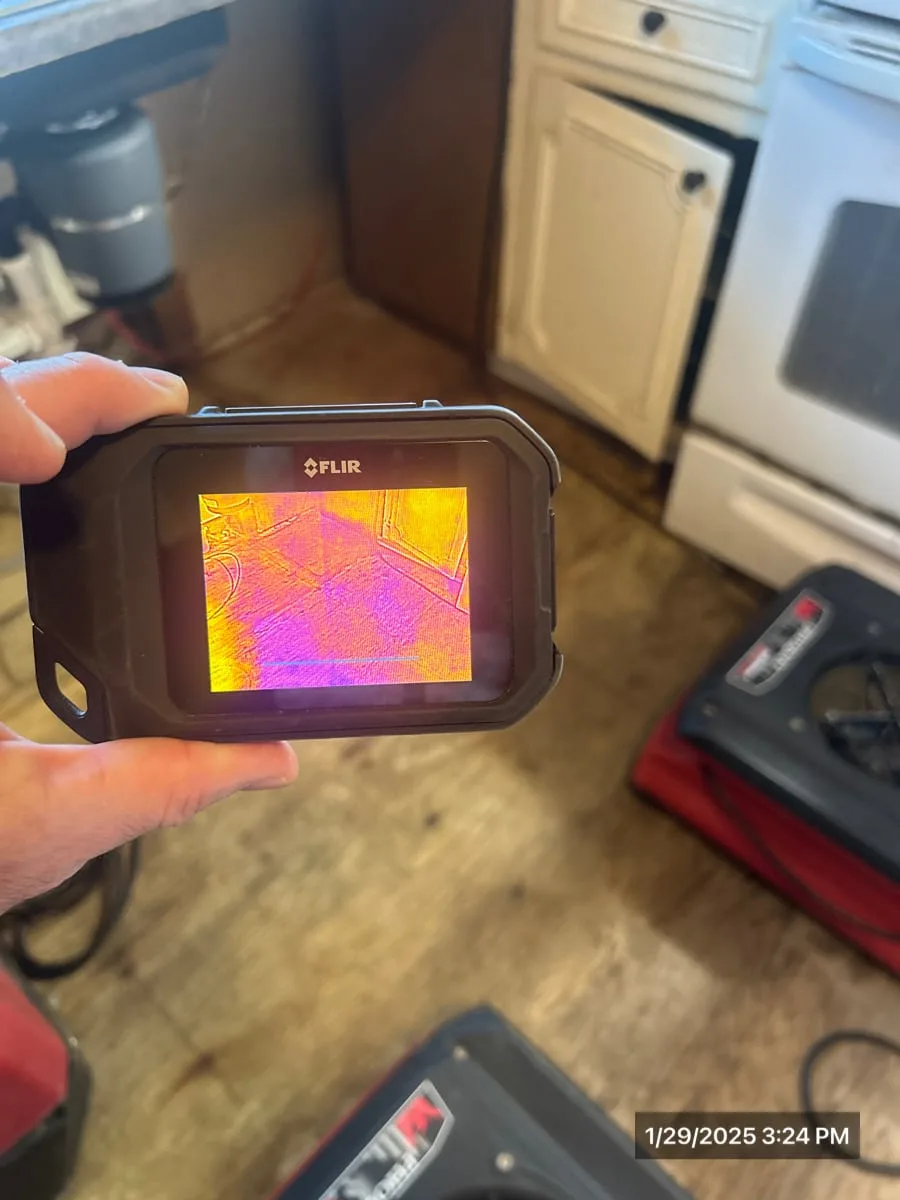
Relate the stain to the known loft arrangement
If your Sydenham home has ceiling damp below a loft containing a water tank, record what you know about the tank’s position and accessible pipework. Photograph the ceiling from the room, including its relationship to walls and any second mark. A tank above provides a line of enquiry; it does not establish that every stain comes from that system.
Tell us when the damage first appeared and whether any water was actually observed near the tank or connections. Distinguish those observations from information inferred from the ceiling position. Keep details of plumbing or roof work already completed. The assessment can then consider the known arrangement with the present pattern instead of inheriting an unconfirmed explanation for the source.
Find out what the plumbing visit established
If a plumber has already attended, request their actual observations, checks and repair scope. A fitting replaced near the tank and a tank system inspected are different levels of information. Note any concealed or inaccessible route they could not examine. A repair record can explain what was addressed without proving that all damage below it has resolved.
If fresh water or spreading ceiling damage is noticed, report the change promptly to the person arranging appropriate repairs. An ordinary damp assessment should not delay source attention. Do not enter an inaccessible loft or disturb plumbing merely to gather evidence. Explain what can already be seen and which relevant source area needs suitable access or another contractor.
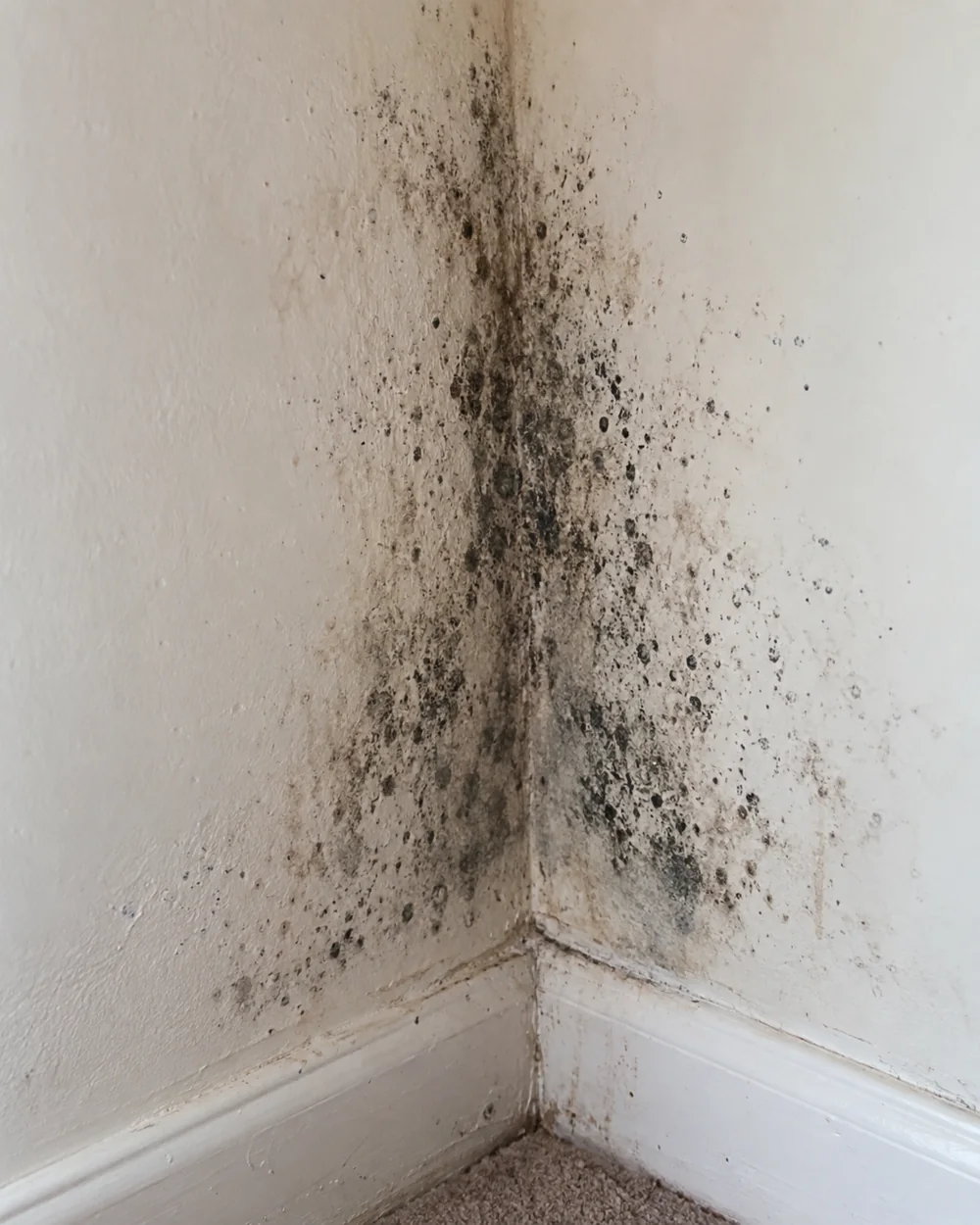
Assess the ceiling and the possible hidden water route
A moisture investigation of the ceiling damage can compare accessible materials, readings and changes with the plumbing history. Staining may remain after earlier wetting, while a changing boundary raises another question. The room-side finish does not reveal every concealed layer, so the findings should state what is observed and what remains above it.
Checks for a concealed water source may help direct the next investigation where the route is uncertain. Measurements and observations guide attention, with confirmation sometimes requiring appropriate source access. Ask which specific fitting or material question an additional check would answer. The stain’s position alone cannot name a leaking component.
Keep roof evidence separate from tank assumptions
Record any change after rain and share observations from roof repairs where available. A ceiling below a loft can be affected by an external route as well as plumbing. Assessment of accessible external water-entry clues can consider that possibility against the damage. Higher or concealed features may need another examination before a route is confirmed.
Mould on a nearby colder corner can also involve indoor moisture. A review of room condensation conditions may be useful where those signs exist. Keep the location and timing distinct from the defined ceiling stain. The assessment should explain which findings relate to each contribution and avoid making the tank the automatic explanation for all room moisture.
Repair the source and assess the materials it affected
Where growth is present, discuss treatment of ceiling mould with the extent and material condition. Growth removal, source repair and work on damaged finishes have different purposes. Clarify the areas included and any concealed-material concern outside the treatment scope. A clean ceiling does not confirm the condition of tank connections or hidden construction.
Keep the inspection findings and plumbing or roof records together. Before decoration, ask how the affected material condition should be reviewed and what uncertainty remains. Photograph any relevant area exposed during further work. If the stain changes again, provide its precise position and the repairs completed so the next enquiry can target the remaining route instead of repeating an assumption about the tank above.
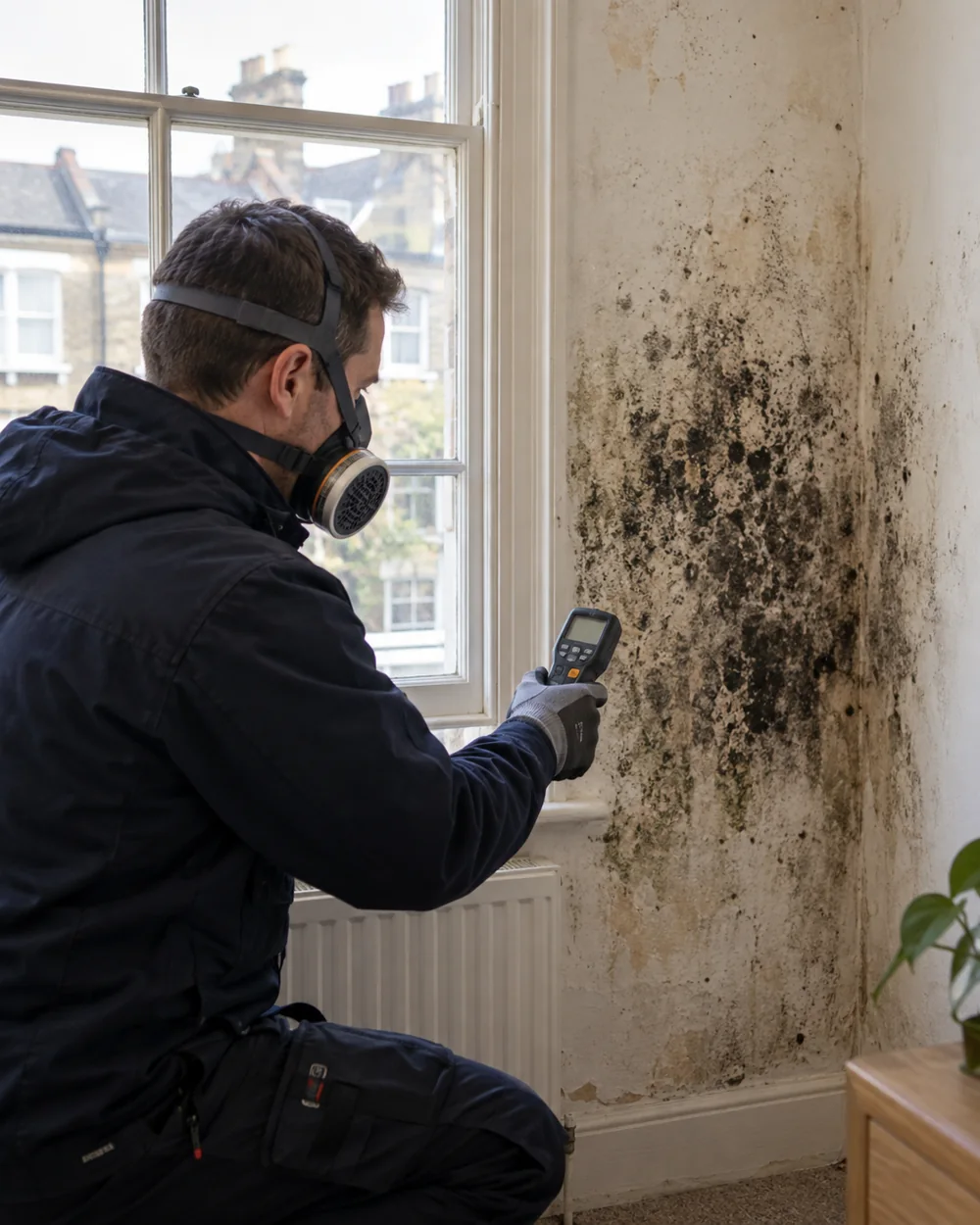
PROPERTY & MOISTURE CHECKS
QUESTIONS BEFORE A VISIT
Useful questions
Does a water tank above the ceiling prove the tank is leaking?
No. Its position is relevant background, with the current condition and water route needing evidence. Plumbing observations, damage timing and other possible sources should be considered together.
What should I ask the plumber for after a tank-area check?
The fittings and routes examined, any water observed, the work completed and areas left inaccessible. Keep that scope with the ceiling photographs for the moisture assessment.
Can room-side readings confirm the loft materials are dry?
They assess accessible surfaces and support the investigation. A concealed-material question needs its own appropriate access or check, clearly identified in the findings.
Should rain-related changes still be reported?
Yes. The loft arrangement does not exclude an external source. Record weather-related change separately so it can be compared with roof information and the plumbing history.
When can the ceiling be repainted?
Discuss the confirmed source work, affected materials and remaining uncertainty first. Readiness depends on their condition; the repair date alone does not provide a finishing timetable.
Nearby areas
Connect the ceiling evidence with the loft source checks
Call about the Sydenham property with the tank arrangement, ceiling photographs and any plumbing findings. We can discuss a damp assessment that helps direct the next source or finishing decision.