DAMP & MOULD SPECIALIST
Damp and Mould Specialist Raynes Park
If the wall remains damp after furniture has been removed and airflow changed, the investigation needs a reset. We review what improved, what did not and which source still needs checking.
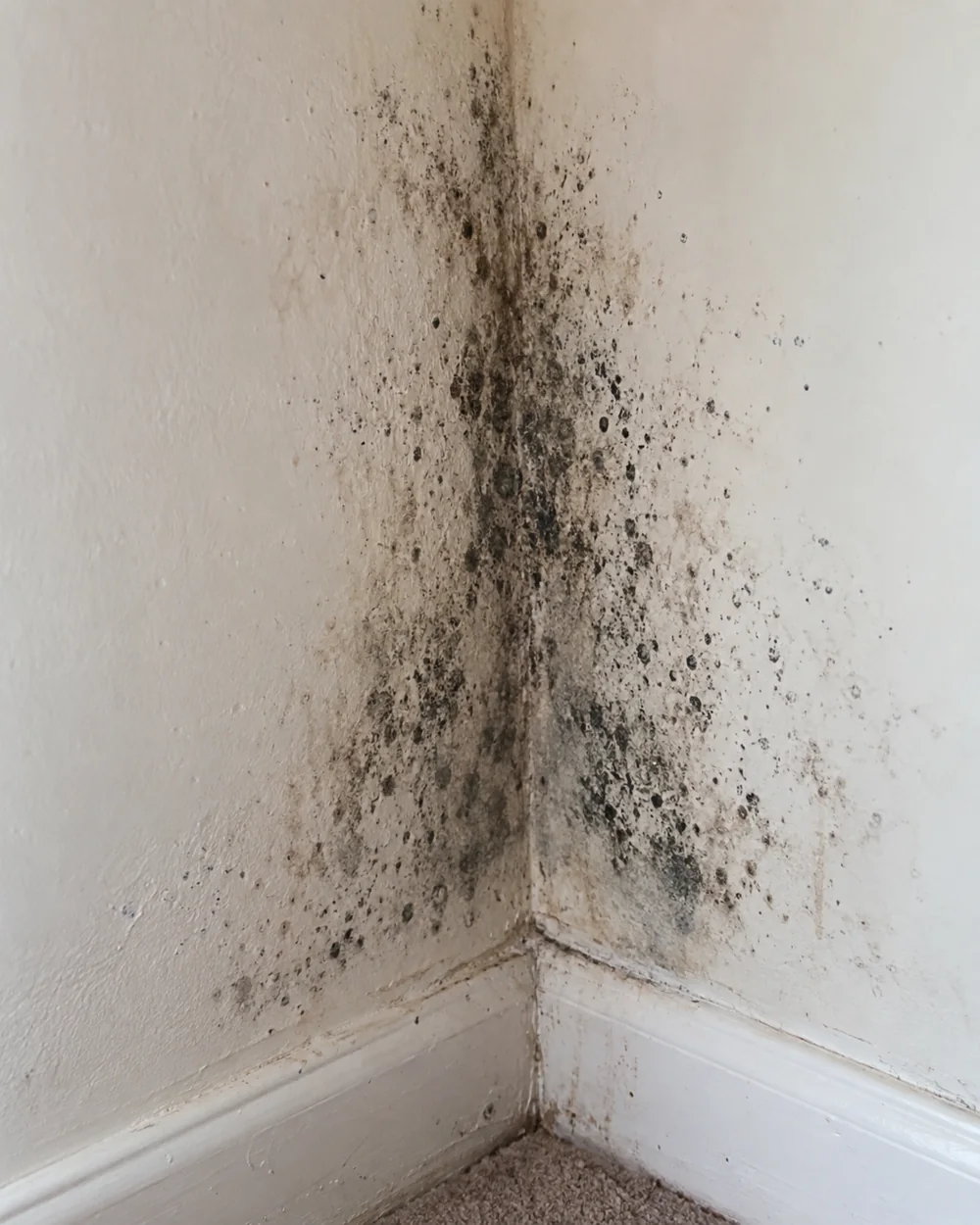
The first explanation has already been acted on
If you have cleared furniture away from a wall in your Raynes Park home and changed ventilation, tell us that at the outset. The next visit should not simply rediscover the old arrangement and repeat the same advice. Persistent damp raises a more specific question: did the measures address only part of the problem, were the results temporary, or is another moisture route keeping the material wet?
Record what you changed and when. Moving furniture, operating a fan differently and adding portable equipment are separate measures. Note which symptoms improved after each step. A window clearing while a defined wall patch remains is not the same outcome as everything staying unchanged. Those differences can guide the next investigation more usefully than saying that ventilation did not work.
Build a timeline of the wall itself
Gather photographs from before the changes, after any cleaning and during the period when damp persisted. Include the full patch boundary and nearby surfaces. Mark the dates of repairs or decoration alongside them. Do not assume an old visible stain is active wetting, but do not dismiss an expanding boundary as old damage either. The sequence helps frame what the inspection must establish.
Describe periods of ordinary occupation and any absence. Did the patch remain damp while the room was unused? Did it change during rain or after a fitting was operated? Keep uncertain observations separate from confirmed dates. You do not need to reproduce a suspected leak or leave water running to investigate it yourself; report the pattern you have already observed.
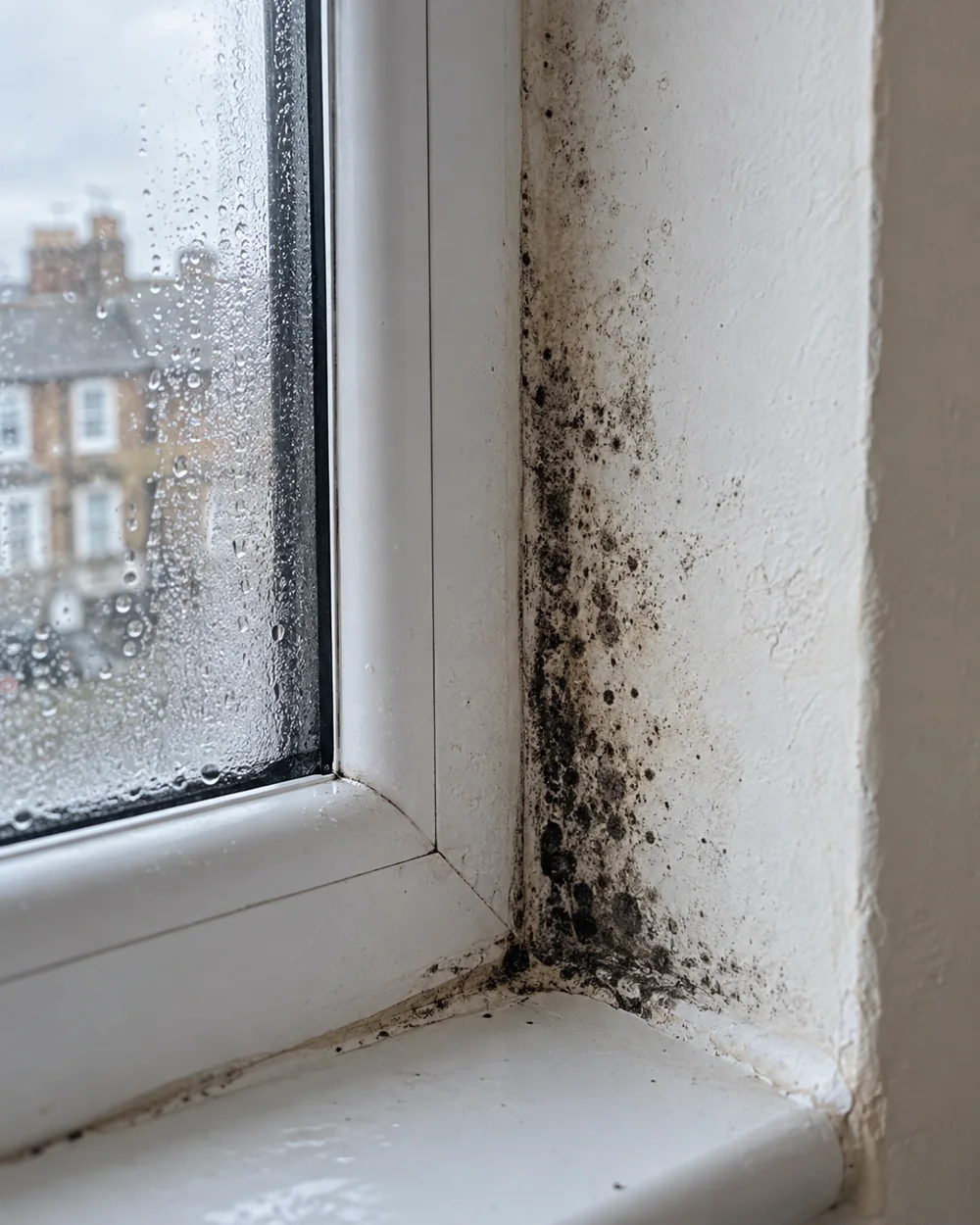
Compare persistent moisture with nearby materials
A fresh investigation of the remaining damp uses the recorded changes to select the surfaces for checking, comparing the persistent patch with its surroundings. Material, finish and previous treatment influence interpretation. The findings should explain how measurements fit the dated changes, the material condition and the difference between the persistent patch and nearby surfaces. A surface assessment also has limits where a lining conceals the construction.
Tell us exactly what earlier assessments concluded and which areas were available then. If the wall was partly inaccessible until furniture moved, the new visit may have different evidence. If the same surface was already checked, share those findings. The purpose is to resolve the remaining question, not discard useful earlier work or treat an untested assumption as confirmed history.
Know when a leak question becomes relevant
A defined patch that persists during reduced room use, or changes around a service route, may justify checks for a concealed water source. Its position need not identify the exact connection. Observations and equipment can guide further investigation, but hidden confirmation may require access. Ask which specific question an opening would answer before finishes are removed.
For a patch changing after rain, investigation of outside water entry may be more relevant than another furniture adjustment. Explain any external repairs already tried and their effect. A conspicuous defect is not automatically the source, and high or shared features can impose access limits. The repair plan needs evidence connecting the route with the persistent wetting.
Do not overinterpret a partly successful change
A review of the revised ventilation arrangement may still be useful. Include the revised airflow route in the enquiry, together with the ordinary settings and symptoms that remained after it changed. Equally, improvement in scattered mould does not explain a separate stain. Use both outcomes to identify the remaining task: a review of room moisture conditions, a check of the defined stain’s water route, or separate work for each.
Ask what another treatment would add
If growth returned after cleaning, discuss mould removal and treatment with the unresolved wetting in mind. A repeated surface task should have a clear role. Ask which source or moisture measure will support it and which material condition needs attention. Repainting a persistent patch does not demonstrate that the diagnostic question has been settled.
Leave with a specific next investigation or work sequence
The useful result may be a confirmed repair priority, a ventilation recommendation based on new evidence or a defined further-access task. It should explain why that step differs from what has already been tried. Give the next contractor the timeline, previous findings and the specific question still open, so their visit builds on the measures already tried.
After agreed work, compare the original symptoms under recognisable conditions. Record old discolouration separately from new marks and preserve renewed damage before cleaning changes it. Readiness for decoration depends on the material and its condition, not simply the date the furniture moved. If different symptoms respond differently, retain that distinction for review instead of describing the room as wholly fixed or wholly unchanged.
PROPERTY & MOISTURE CHECKS
QUESTIONS BEFORE A VISIT
Useful questions
Why investigate again if furniture and ventilation were already changed?
Those measures provide useful evidence but may address only one contribution. Explain what each measure changed and what stayed damp. That gives the next assessment a clear starting point for investigating the persistent symptom.
What should I record if the window improved but the wall did not?
Photograph and date each symptom separately. That difference may help distinguish improved condensation conditions from a remaining wall source or material concern.
Does a patch staying damp during non-use prove a pipe leak?
No. It is a useful timing observation, not a diagnosis. Concealed services, external wetting and the material history need considering against the wider evidence.
Can an old stain remain without renewed water?
Yes. Visible damage can persist after earlier wetting. Bring photographs from before and after the changes so the assessment can compare old discolouration with new growth or an expanding wet boundary.
How should the next plan differ from the advice already tried?
It should identify the remaining question, evidence supporting the next task and any access required. A specific purpose avoids another identical clean or airflow suggestion without a reason.
Nearby areas
Reassess the damp that has not responded
Call about the Raynes Park wall with the changes already tried and their results. We can discuss investigation of the symptoms that remain.