DAMP & MOULD SPECIALIST
Damp and Mould Specialist Ilford
The check-in photographs looked clear, but mould has now been reported. Assess the occupied home and its history before assuming the timing explains the source.
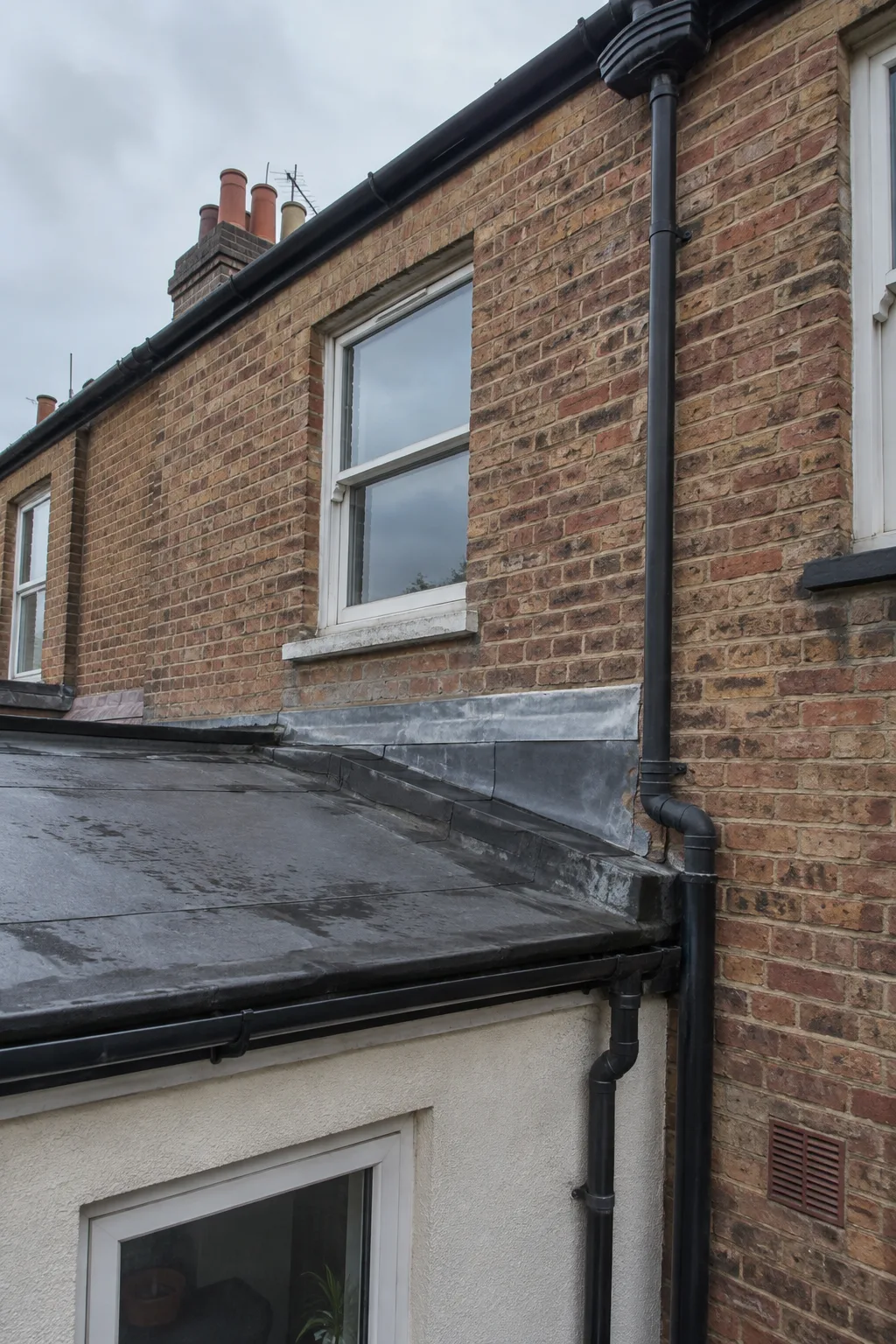
Start with the new occupant’s actual observations
If mould is reported soon after somebody moves into your Ilford rental property, record the affected rooms and surfaces promptly. Ask when marks or wetting were first noticed and what changed afterwards. The short interval is useful history, but it does not identify the moisture source. The inspection needs the current property condition as well as the account of the person living there.
Take wider room photographs alongside close-ups of the marks. Include windows, furniture and relevant adjoining features so their location is clear. Report a developing water source or spreading material damage to the person arranging appropriate repairs. A mould enquiry should lead to a practical assessment and source plan, with new changes kept in the record while that is organised.
Use check-in images for their actual scope
Find the check-in or handover photographs and establish which wall faces they show. A room photographed after decoration or before furniture arrives can differ from its occupied arrangement. A clear-looking image does not demonstrate the state of concealed materials or every future moisture condition. The comparison should identify what is visible in each record and what remains unknown.
Keep the dates and scopes of cleaning, decoration and earlier repairs. A note that a bedroom was made good may describe painting without a moisture investigation. Ask what source was checked and which work was completed. Give those records to the assessor so the present report can build on actual tasks and avoid treating a tidy handover as a confirmed diagnosis.
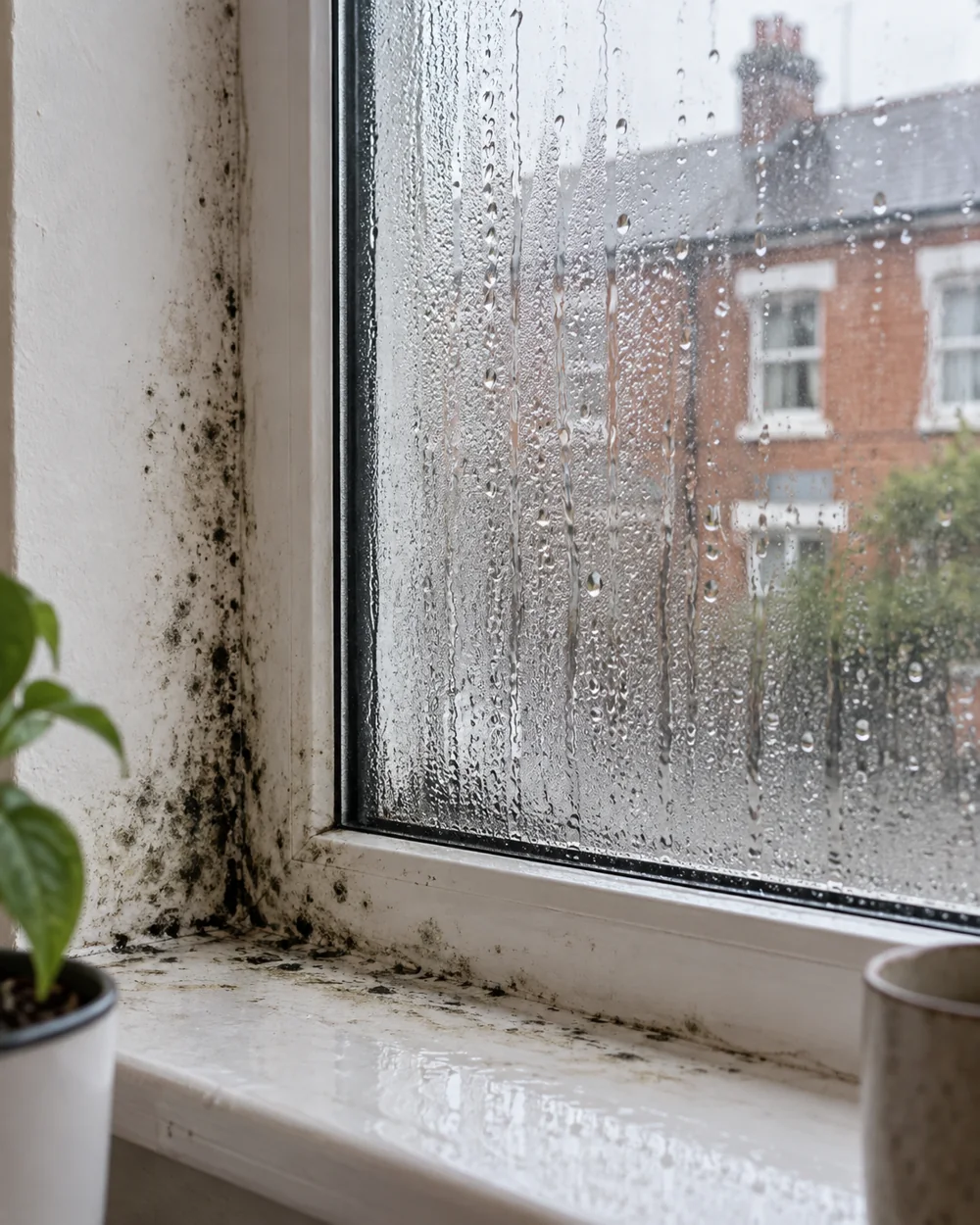
Agree a report that addresses the present complaint
A landlord assessment of the new tenancy’s complaint can record relevant observations and recommended next steps within an agreed scope. Tell us its intended use before booking. Arrange entry with the occupant and identify who can approve later work. Inspection findings should explain condition and limits without automatically deciding legal responsibility from the move-in date.
A moisture investigation of the affected rooms can compare the current damage, accessible readings and material history. Separate fine surface growth from a distinct stain or damaged plaster. Different signs may need different explanations. Fixed cupboards, new linings or unavailable adjoining rooms should be recorded where they limit what can be established.
Consider how the occupied rooms now behave
Ventilation and condensation checks under normal occupation can consider heating, moisture production, installed provision and air movement. Ask the occupant for the usual door, window and furniture arrangement. Those details help interpret the conditions seen during the visit. They belong alongside assessment of the building, with a possible defect kept on the investigation list where the evidence fits.
A patch near plumbing or moisture remaining during non-use may justify checks of an unconfirmed water source. Rain-related changes should also be reported. An early complaint can reveal an older hidden condition or a new issue, and available evidence may not date every part precisely. The findings should retain that uncertainty while explaining the next useful check.
Keep treatment linked to the source decisions
Mould treatment for the reported surfaces can be considered after extent and material condition are assessed. Clarify preparation and the areas included. Growth removal, repair work and changes to ventilation have different purposes. Ask how they should be ordered and what remains dependent on further access or another contractor’s source confirmation.
Share the agreed work and access plan with the occupant. Keep dated findings, photographs and the actual repair scope together. If marks recur, compare their position with the first report and identify what was completed between them. This gives the next enquiry a usable history and avoids repeating decoration as the only response to a developing complaint.
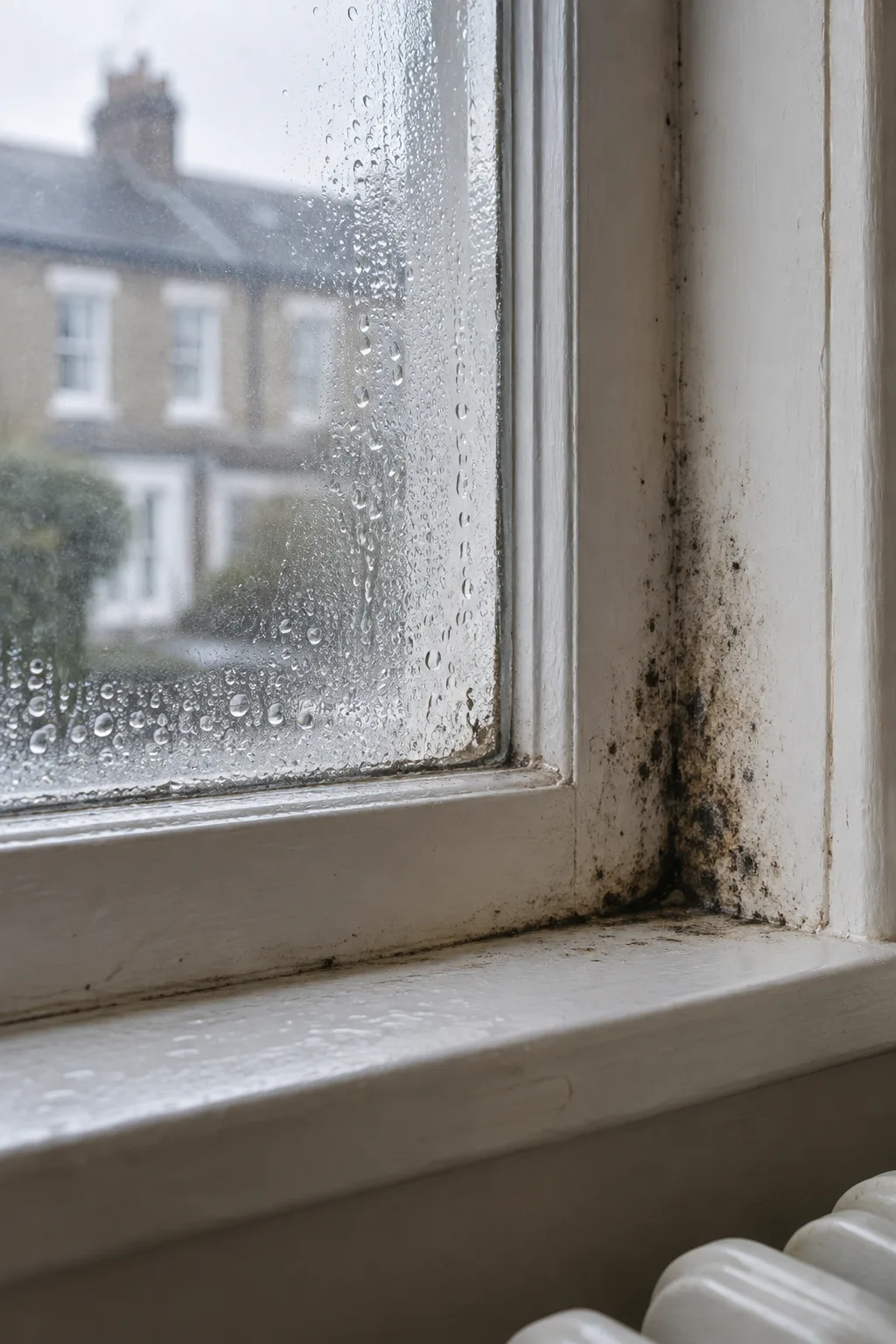
PROPERTY & MOISTURE CHECKS
QUESTIONS BEFORE A VISIT
Useful questions
Do clear check-in photographs rule out an earlier damp concern?
No. They show visible condition within their view at that time. Decoration, furniture and concealed areas can limit what they establish, so compare their scope with the present evidence.
Does an early report prove the new tenant caused mould?
No. Timing alone does not establish the source or responsibility. Assess the property and occupied-room conditions, with the history used to guide checks.
What should the occupant explain before the visit?
The marked rooms, first observations, wet surfaces and ordinary use. Include changes after rain or fitting use and any cleaning already done, without asking them to diagnose the cause.
Which handover work records are most useful?
Dates and actual scopes of source checks, repairs, cleaning and decoration. A broad make-good description may not explain which moisture question was investigated.
Can the report help plan work while the home is occupied?
Discuss its purpose and access when booking. Findings and recommendations can support the next tasks, with room limitations and any further investigation stated clearly.
Nearby areas
Give the early complaint a practical next step
Call with the Ilford address, current room symptoms and available check-in or repair records. We can discuss an occupied-property assessment and the source checks that may follow.