DAMP & MOULD SPECIALIST
Damp and Mould Specialist Dagenham
A heating interruption changes room conditions, but it is not a complete diagnosis. If mould appeared afterwards, examine the surfaces and any other signs of water before choosing the next treatment.
Explain the interruption and what happened afterwards
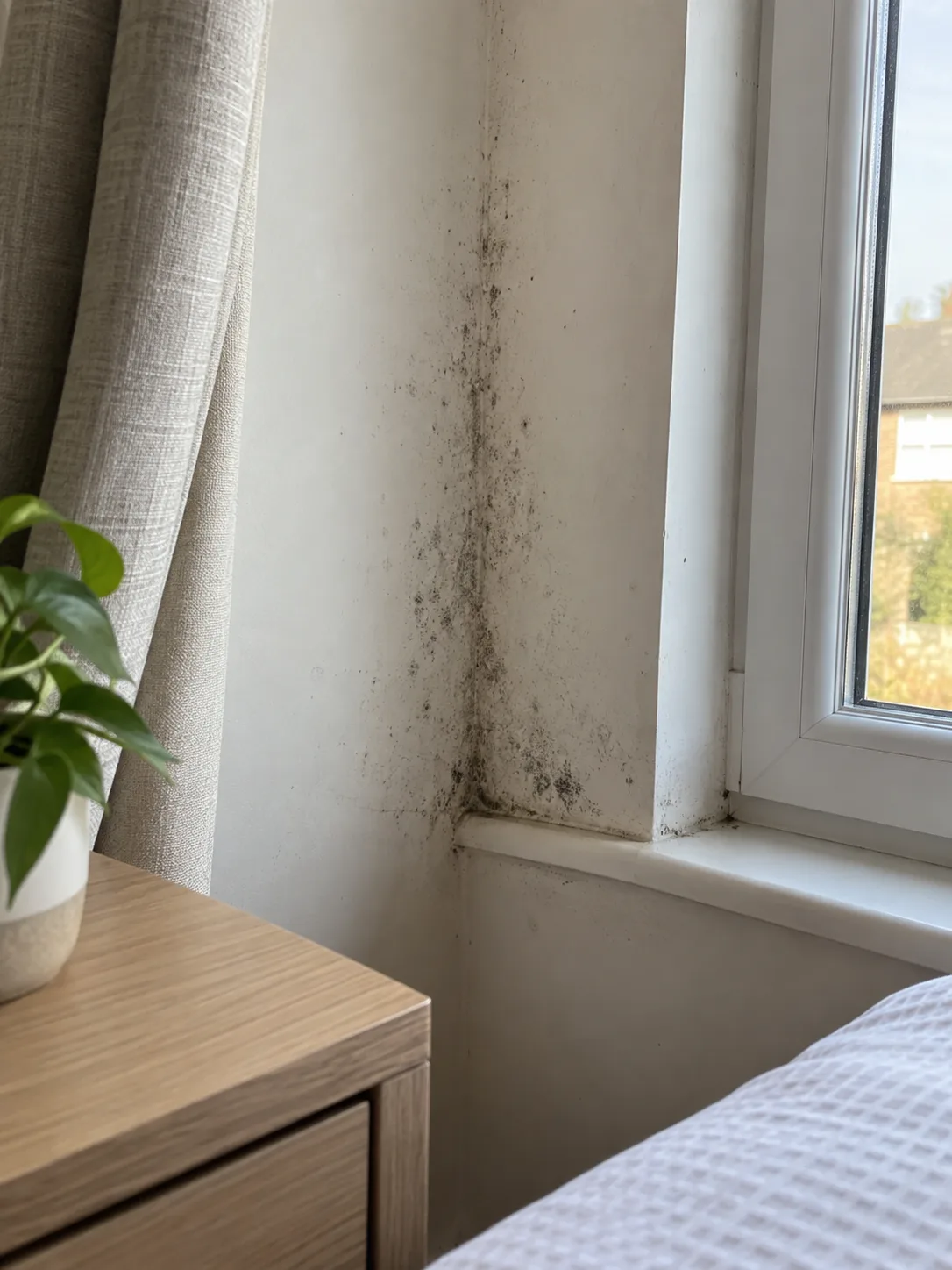
If a bedroom at your Dagenham home developed mould while heating was unavailable or reduced, record the sequence and affected corners. Note what changed when heating resumed. The timing is useful, but it does not establish that every mark is condensation or that the problem is now resolved. A separate water source may still need checking.
A review of bedroom moisture after the heating change can consider surface temperature, ventilation and room use. Explain the normal pattern as well as the temporary interruption. The inspection needs that context to interpret a room which may now feel warmer than it did when the original growth developed.
Warm air does not guarantee every surface is dry
Walls, window reveals and enclosed corners can differ in temperature from the room centre. Moisture in indoor air may settle on cooler surfaces, especially where curtains or furniture restrict circulation. A check of affected cold surfaces can relate the pattern to the layout. Review those local conditions after the heating repair alongside any wider moisture concern.
Tell us if wet windows continue overnight or if growth is confined behind storage. Include bathing, cooking or laundry arrangements where they affect room moisture. Those activities provide context without deciding the cause automatically. Describe the home’s actual ventilation and use. Ask each recommendation to explain which moisture or surface finding it addresses and how it fits the room.
Some damage needs a separate moisture question
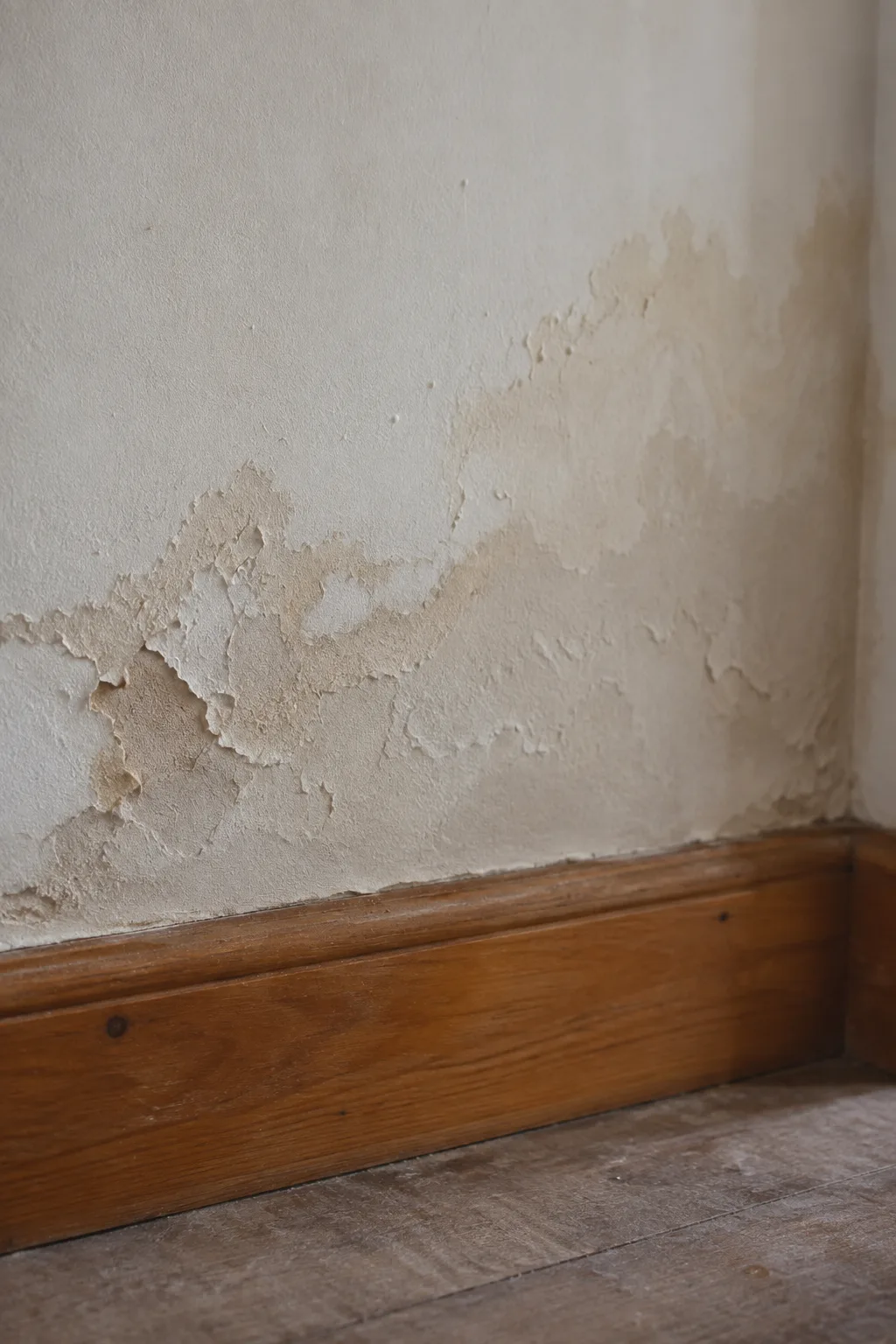
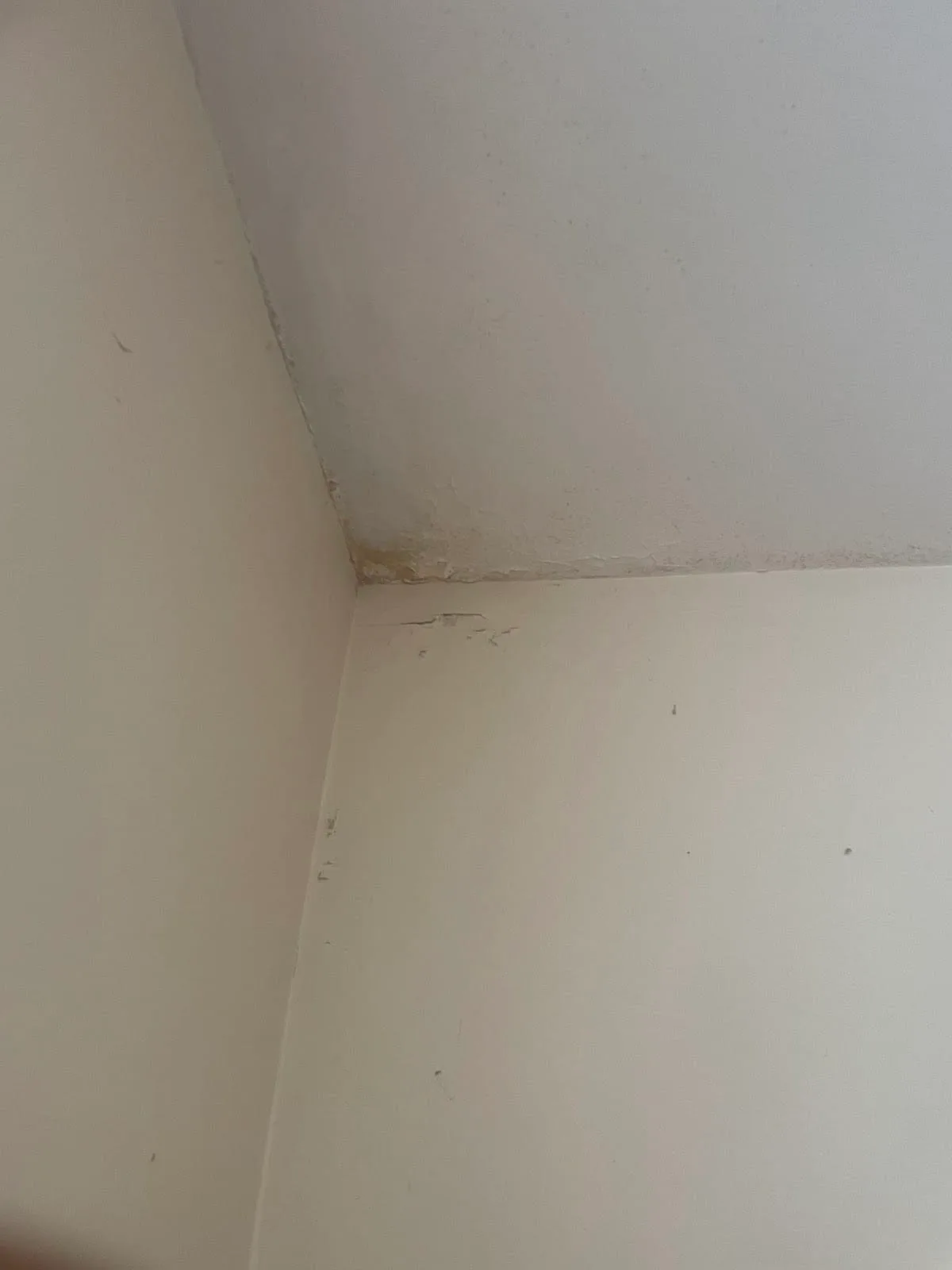
A distinct stain, bubbling paint or damp that changes after rain should not be dismissed as the result of the interruption. A source investigation for unexplained bedroom damp can compare accessible materials and readings with the history. Findings should distinguish that patch from any broader cold-surface pattern.
Report fresh water or spreading material damage promptly to the person arranging repairs. If the heating system itself had a known leak, provide details of the fault and work completed. A repair to restore heat is not necessarily the same as confirming all water-related damage has resolved. Keep those events separate in the information supplied for the visit.
Show the previous layout as well as the current room
Furniture may have moved while the heating was repaired or after mould was discovered. Keep photographs of its original position and make affected areas accessible where practical. The inspection can then consider why one surface was enclosed while another stayed open. Identify fixed units and linings that limit observation. Ask which concealed surface question remains and whether further access would help resolve it.
Mention any cleaning, coating or redecoration already attempted. A newly finished wall can hide the earlier outline, while some old staining may remain after wetting stops. Product details and photographs help interpret that change. The inspector should explain which present observations support the proposed cause and where missing evidence prevents a firmer conclusion.
If the room was occupied differently during the heating problem, describe that change too. A temporary move to another room, closed doors or altered laundry arrangements can influence the conditions seen afterwards. The sequence helps the inspection compare the original pattern with the present situation without assuming that restored heat recreates the room exactly as it was before.
Treat the growth without treating heat as proof of repair
Bedroom mould treatment can address suitable affected surfaces after extent and condition are assessed. It should be connected to the relevant moisture measures and any source work. Cleaning does not establish that ventilation is adequate, and restored heating does not automatically repair damaged plaster or resolve a concealed leak.
Ask what should be reviewed before decoration and which same surfaces to observe afterwards. Keep the heating repair record, moisture findings and treatment details together. If mould returns, report its exact position and any new symptoms. That evidence supports a better follow-up than repeating the assumption that all future growth comes from the earlier cold spell.
PROPERTY & MOISTURE CHECKS
QUESTIONS BEFORE A VISIT
Useful questions
Does mould after heating trouble prove condensation?
The interruption is relevant to surface conditions, but it is not proof of every cause. The pattern and any separate water signs need assessment.
Why is the corner marked now the room is warm again?
Visible growth can remain after conditions change, and local surfaces may still differ from room air. The extent, material condition and present wetting need consideration.
Should I give details of the heating repair?
Yes. Explain what failed, whether water escaped and what was repaired. Restoring heat and resolving water damage can be separate questions.
Can a repaired radiator leave another damp source unresolved?
It can, so the wall should be assessed against the wider history and accessible evidence. Proximity or a completed repair does not rule out every other contribution.
What should I compare after treatment?
The same corners, reveals and any distinct stain, with records of ventilation or repair changes. A clear location-based history helps identify what remains unresolved if growth returns.
Nearby areas
Check what remains after the heating is restored
Call about the Dagenham bedroom with the interruption history and current surfaces. We can discuss the condensation and source questions to answer before the room is redecorated.