DAMP & MOULD SPECIALIST
Damp and Mould Specialist Finchley
A different heating arrangement can change where a bedroom stays cool. We investigate the damp evidence and the wider moisture conditions before recommending alterations.
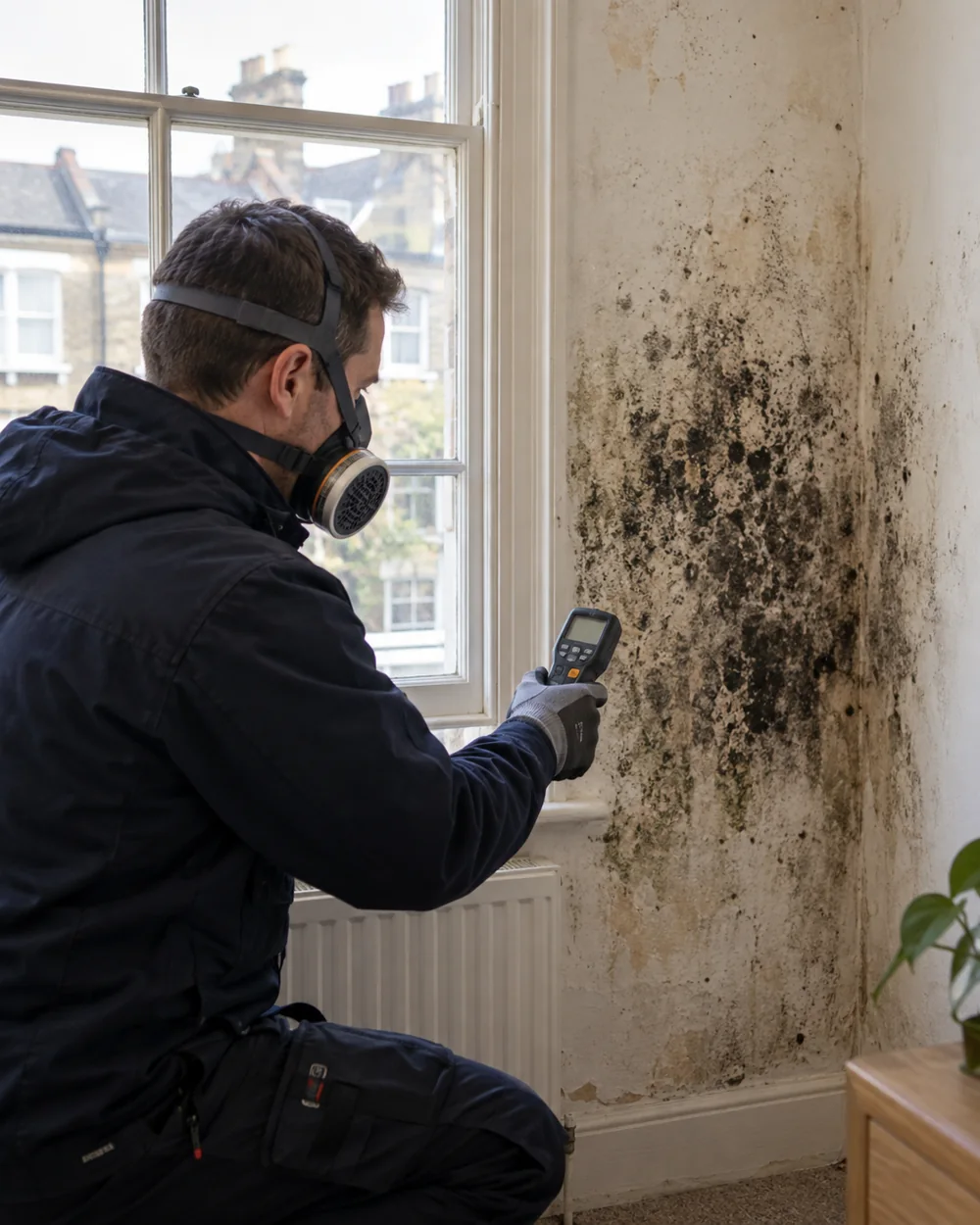
What changed in the room’s heating?
If a bedroom in your Finchley home developed mould after a radiator was moved, removed or covered, the change is worth discussing. It can affect the way surfaces warm and air moves. That does not prove it caused the growth. A leak, outside defect or another change may have occurred at the same time, and the assessment needs evidence for each possible explanation.
Tell us the original and present heating positions, the date of the work and where the marks first appeared. Earlier photographs can show whether the same corner was affected before. Mention any furniture rearrangement, window work or new wall covering that accompanied the heating change, because the room may have altered in several ways.
A decorative radiator cover may change local air movement without altering the pipework. Describe its installation separately from a radiator relocation. That gives the assessment a clearer account of the room’s changes and avoids assuming one type of work took place when it did not. The underlying moisture concern still needs checking against the surfaces and other possible sources.
Look at the wall conditions, not just room comfort
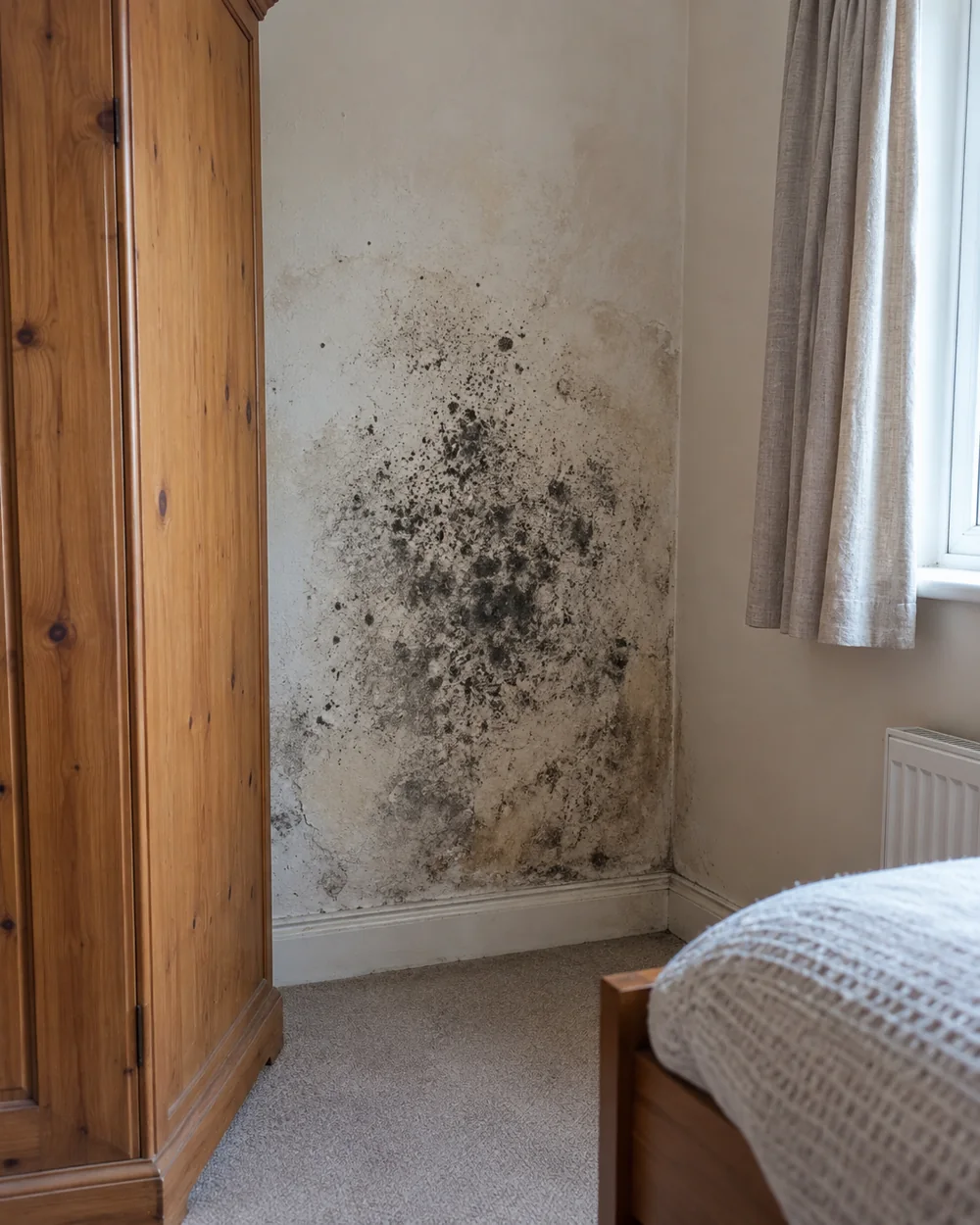
A bedroom can feel warm while an outside corner or window reveal remains cooler. Record where droplets form, which marks return and whether a distinct patch stays wet independently of cold weather. The temperature you feel in the middle of the room cannot establish what happens behind a wardrobe or curtain.
Checking the bedroom’s colder surfaces can help explain local wetting. Include photographs of the wall, window and furniture gaps in their usual arrangement, keeping that context available when movable items are cleared for access.
Heating is one part of the moisture picture
Indoor moisture production and extraction still matter. We ask about bathing, cooking and laundry elsewhere, along with the bedroom’s ventilation provision. The aim is to establish how moisture reaches the surface, not to assume that more heat answers every damp question. Where a leak is suspected, changing heating will not repair the source.
A review of heating-related condensation conditions considers airflow and moisture removal together. Advice should relate to the actual findings, without a blanket requirement to operate the room in one particular way regardless of its construction.
Compare observations before choosing more work
We assess visible damage, accessible readings and relevant temperature patterns with the material and room history. A colder area is a clue, not proof that the relocated radiator is responsible. A moisture reading alone cannot establish a hidden pipe leak either. Record precisely what heating work took place, including any concealed pipe alteration.
Investigating the bedroom moisture pattern can identify which source checks are needed next. If heating pipes are concealed, identify the route not examined and whether the damage pattern supports a separate plumbing check there.
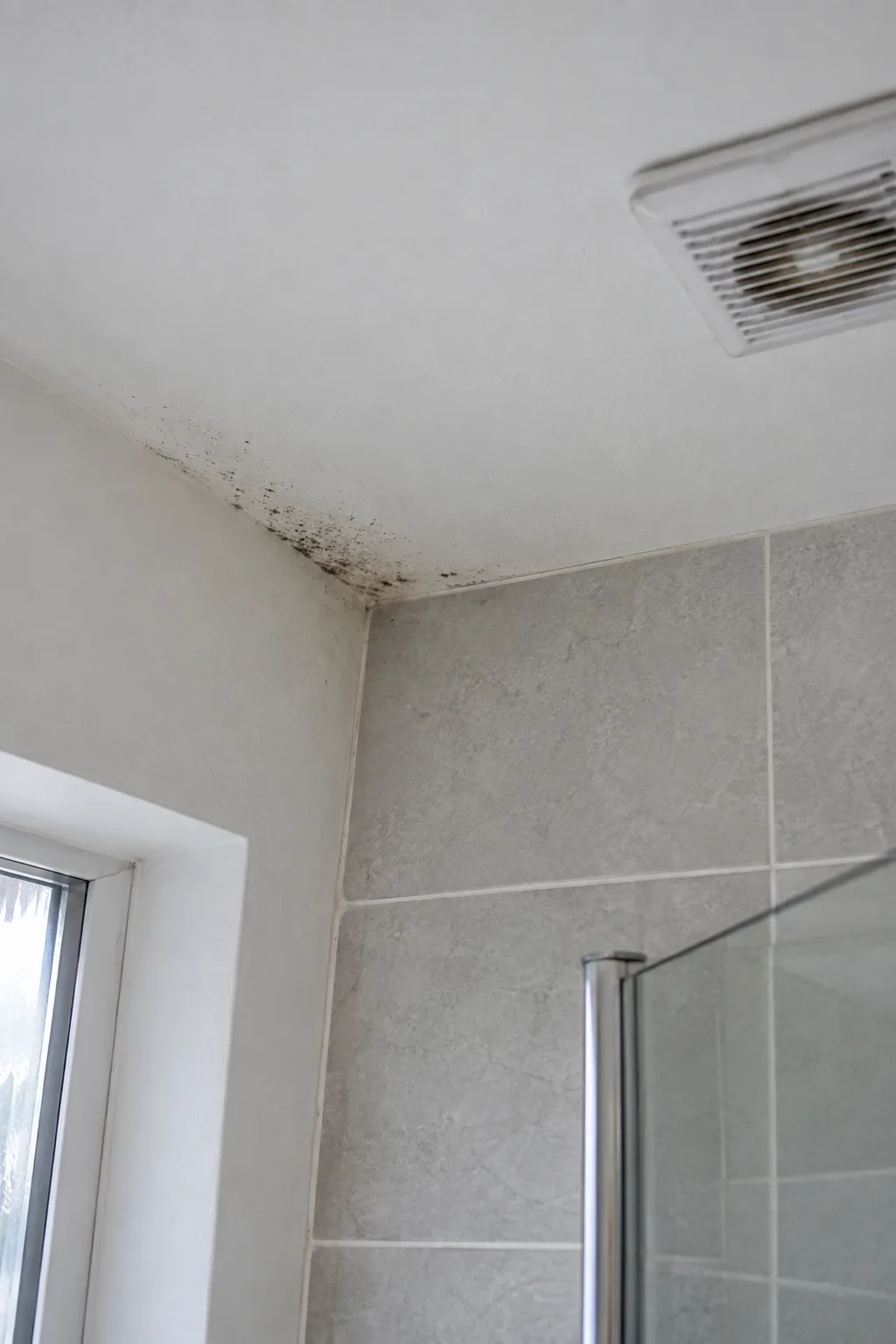
Surface treatment and source changes have separate purposes
Treatment of affected bedroom finishes can be planned according to their condition and extent. If repeated condensation is supported, relevant ventilation or heating-arrangement changes may be considered. If an active water source is found, repair needs its own place in the sequence.
Do not move the radiator again merely because mould followed the first alteration. A useful recommendation identifies the mechanism it is intended to address. Before decoration, check the original affected areas and consider whether concealed material needs further assessment. Retain photographs showing the former arrangement as well as the new work.
Give the inspection a useful timeline
Call with the heating changes, furniture layout and dates of first wetting or growth. Explain any earlier cleaning and whether the same outline returned through paint. A clear timeline reduces the temptation to blame the most recent work without examining the property. The inspection can then set out observed conditions, likely explanations and the next check for anything unconfirmed.
Where another contractor needs to review the heating installation, share the specific moisture concern and relevant evidence. That helps distinguish a pipework question from a cold-surface question, instead of expecting one contractor visit to address both automatically.
PROPERTY & MOISTURE CHECKS
QUESTIONS BEFORE A VISIT
Useful questions
Can moving a radiator change where condensation forms?
It may alter surface temperatures and airflow. The moisture conditions and other possible sources still need checking before attributing the mould to the move.
Does a warm bedroom rule out condensation?
No. Local wall or reveal temperatures can differ from the air in the centre of the room, especially behind furniture.
Could the heating pipework itself be involved?
A concealed water source may need consideration if the evidence supports it. Tell us which pipe routes changed during the work.
Should the radiator be moved back immediately?
A reasoned diagnosis should guide further alterations. Reversing a change on timing alone may not address the actual source.
What earlier photographs are most useful?
Images showing the heating and furniture arrangement, affected corners and previous marks help compare the conditions before and after the alteration.
Nearby areas
Understand what changed in the bedroom
Call about your Finchley home with the heating history and affected surfaces. We can discuss a focused damp assessment.