DAMP & MOULD SPECIALIST
Damp and Mould Specialist Brent Cross
A room above an unheated space can have local conditions that differ from the rest of the flat. We inspect the affected surfaces and explain which further checks may be useful.
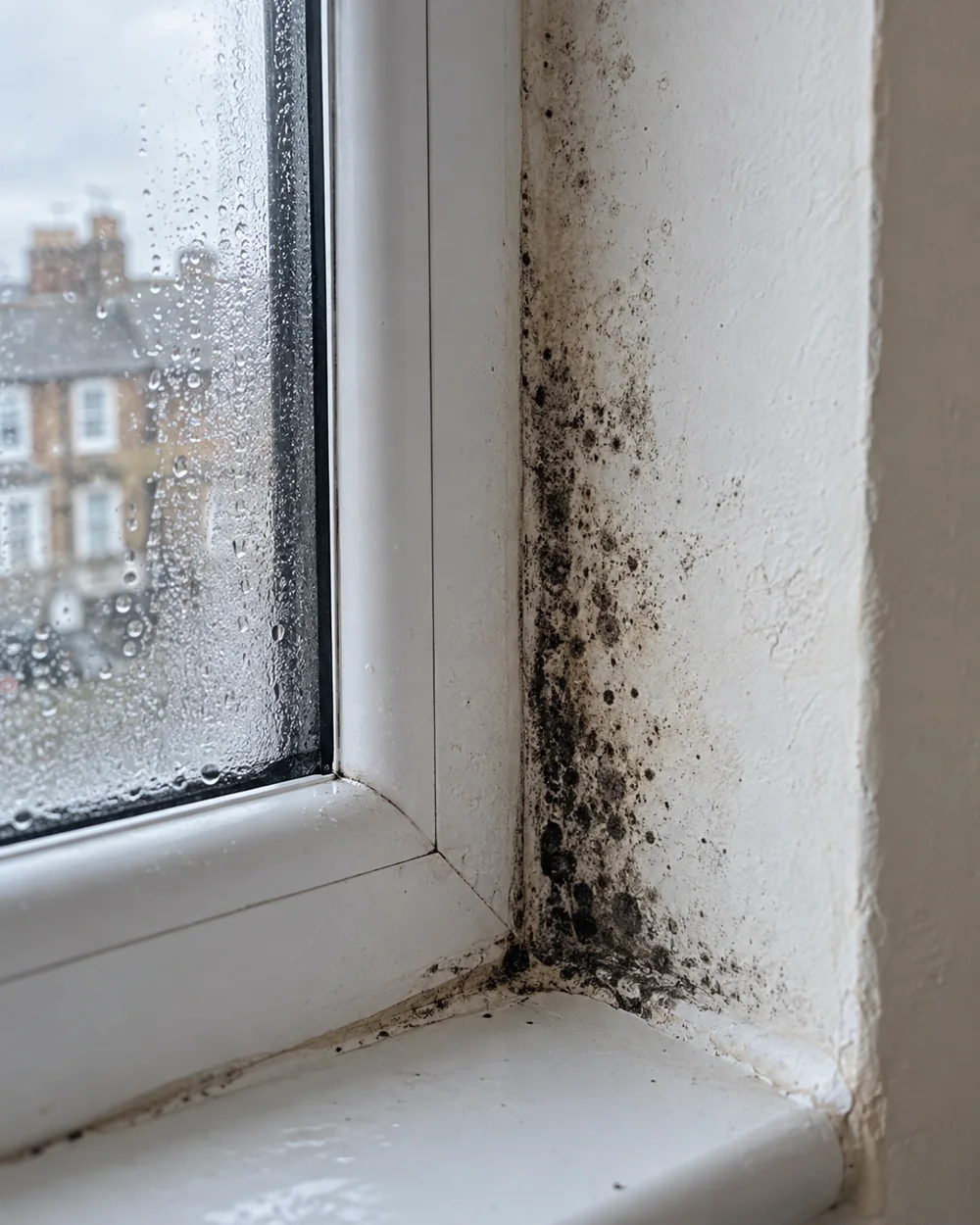
Consider the space below the affected room
If part of your Brent Cross flat sits above a garage, store or other unheated space, that relationship is relevant when damp appears at floor edges. It may affect local surface conditions, but does not prove the construction is defective or establish condensation as the sole cause. Plumbing, external entry and concealed materials still need consideration. We compare the affected perimeter with the flat’s room conditions and any useful evidence about the adjoining construction.
Tell us what lies underneath, whether it can be accessed and who controls it. Drawings may help explain hidden layers. Mention changes to flooring, skirting or heating that preceded the symptoms. A fitted floor can conceal junctions that were visible before, limiting direct assessment now.
Ask whether the room below has changed use since the mould appeared. A garage converted to storage, or a space heated differently, may provide relevant history without proving a direct connection. The flat inspection should assess its own evidence and state if observations below were unavailable. State whether the space below was inspected. Any recommendation can then reflect the views actually obtained and the specific lower surface still needing examination.
Separate floor-edge growth from distinct wet patches
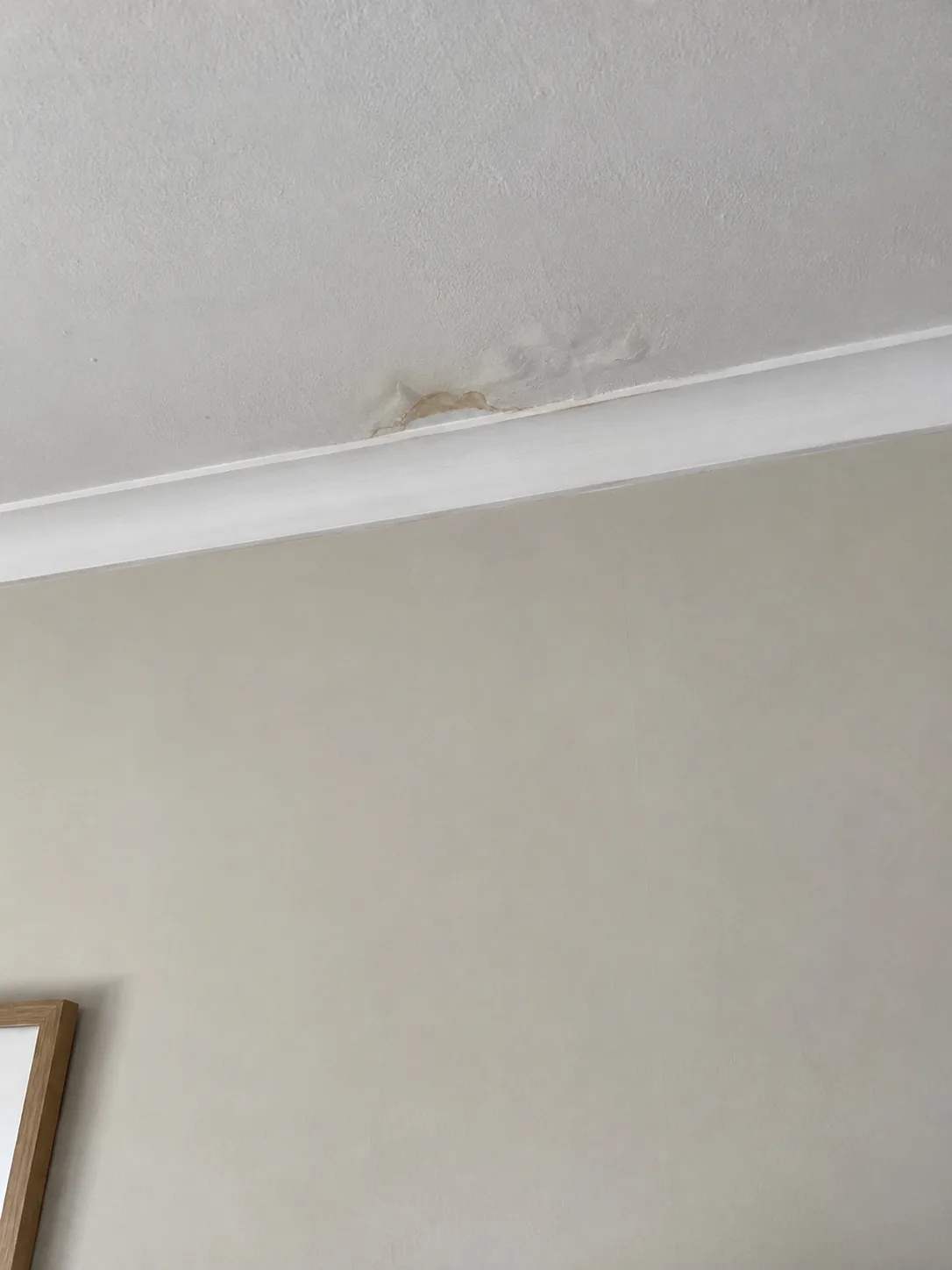
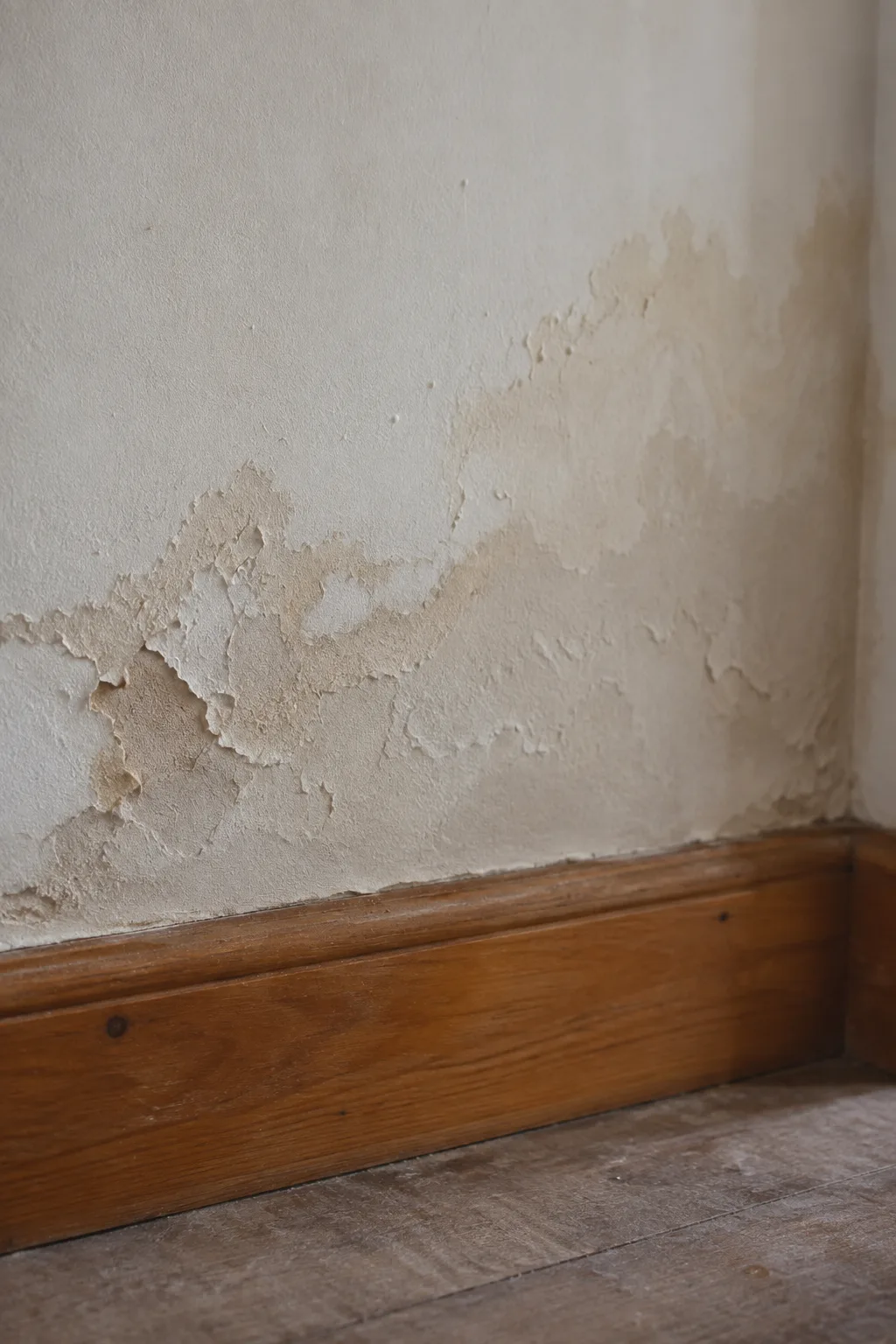
Record mould near skirting, wet corners and any staining on walls or ceilings. Note whether the affected area changes during cold weather, after rainfall or independently of either. A cool floor sensation is useful context but not a moisture diagnosis. Photographs should show the wider room as well as the low marks, especially where furniture covers the perimeter.
A check of the accessible wall and floor-edge moisture can compare the pattern with the materials. One reading at a junction cannot establish the condition of every layer beneath the floor.
The flat’s indoor moisture remains relevant
Cooking and bathing moisture can reach a cooler part of the flat. We ask about extraction and airflow through connected rooms, while also considering outside defects or concealed leaks. The presence of an unheated space below should not become a reason to overlook another source. Several mechanisms can contribute at different locations.
Assessing indoor moisture and airflow near the perimeter helps identify a possible condensation contribution. Temperature observations need the construction context. Record which surfaces were seen and any concealed layer that needs a different assessment before work is chosen.
A view from below can answer a different question
Where authorised access to the space below is available, it may offer useful observations of accessible surfaces. That does not mean concealed floor layers become fully visible. If another inspection is recommended, the findings should identify what it would examine and why. A flat-side assessment alone cannot declare every part of the adjoining construction sound.
If moisture appears near an external opening or changes after rain, checking relevant external entry details may be needed separately. The plan should keep those questions distinct from the cold-surface enquiry.
Treat the growth with a construction-aware plan
Treatment of affected walls and skirting areas should take the materials and accessible extent into account. It does not alter the construction below or repair a concealed leak. Any proposed source work needs its own evidence and explanation.
Before new flooring or trim covers the perimeter, consider whether the original wet areas need reassessment. Do not add another lining solely to hide the marks. Record which surfaces were examined and which remained inaccessible, so reinstatement decisions acknowledge the condition that was actually established.
Useful information before booking
Call with the flat layout, the space underneath and the location of the first signs. Note access restrictions and any recent flooring work. Older photographs may help show the original junctions before finishes were changed. The inspection should reduce uncertainty and identify a defined next step if the construction cannot be adequately assessed from the room.
If you rent or share ownership of building elements, coordinate authorised access with the responsible person. A concise account of symptoms and the inspection question is more useful than a general request to replace insulation before the moisture source has been investigated.
PROPERTY & MOISTURE CHECKS
QUESTIONS BEFORE A VISIT
Useful questions
Does living above a garage inevitably cause mould?
No. The relationship may influence surface conditions, but the moisture mechanism and actual construction need assessing.
Would access to the garage help?
It may provide a different accessible view. Permission is needed, and concealed floor layers can still remain unexamined.
Is low mould a sign of moisture coming up through the floor?
Not necessarily. Condensation or other routes can affect the perimeter. Position alone cannot establish the direction or source of water.
Should I install a warmer floor finish?
The diagnosis should inform that decision. A new finish may conceal evidence and will not repair a leak or outside entry point.
Can thermal observations confirm hidden insulation?
They show temperature patterns needing interpretation. They do not prove the exact condition or arrangement of every concealed layer.
Nearby areas
Get the floor-edge damp assessed
Call about your Brent Cross flat with the room layout and space below. We can discuss access and a focused inspection.