Bathroom & Kitchen Moisture Problems
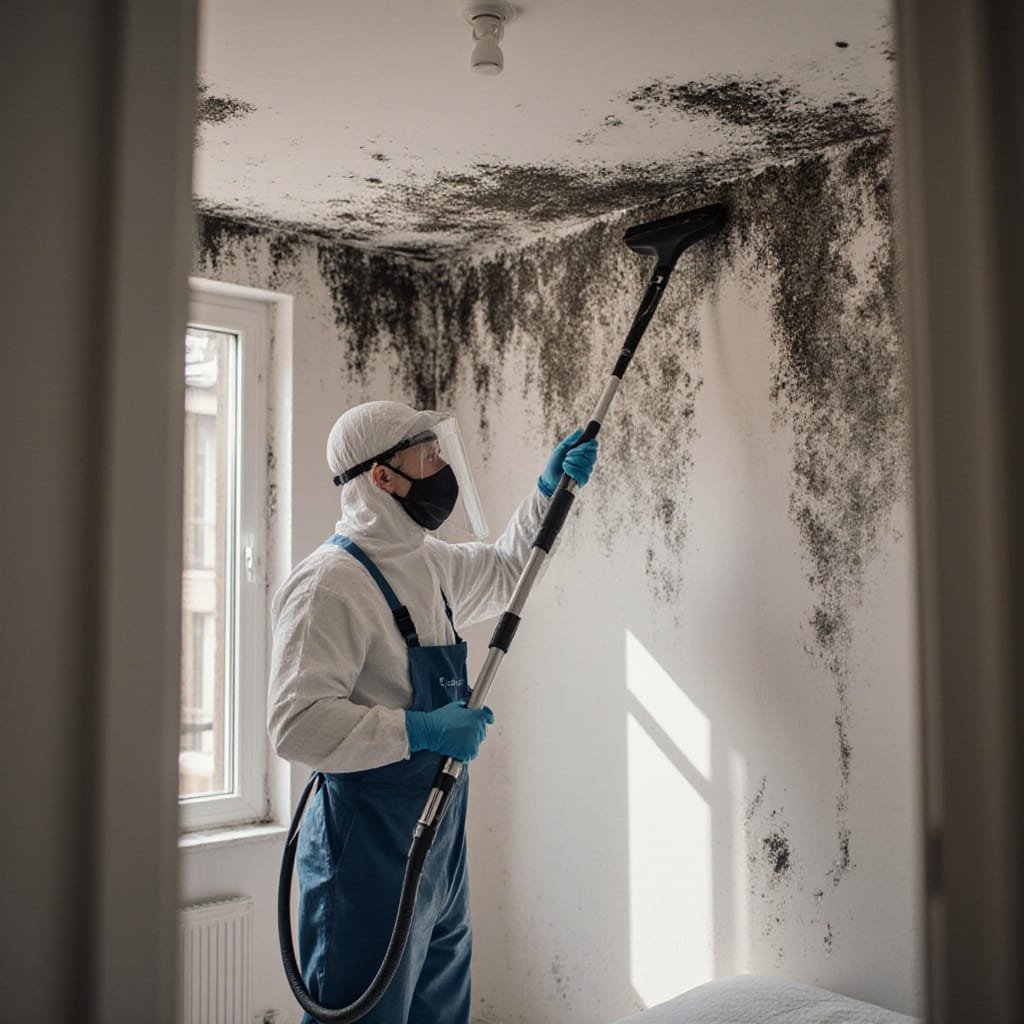
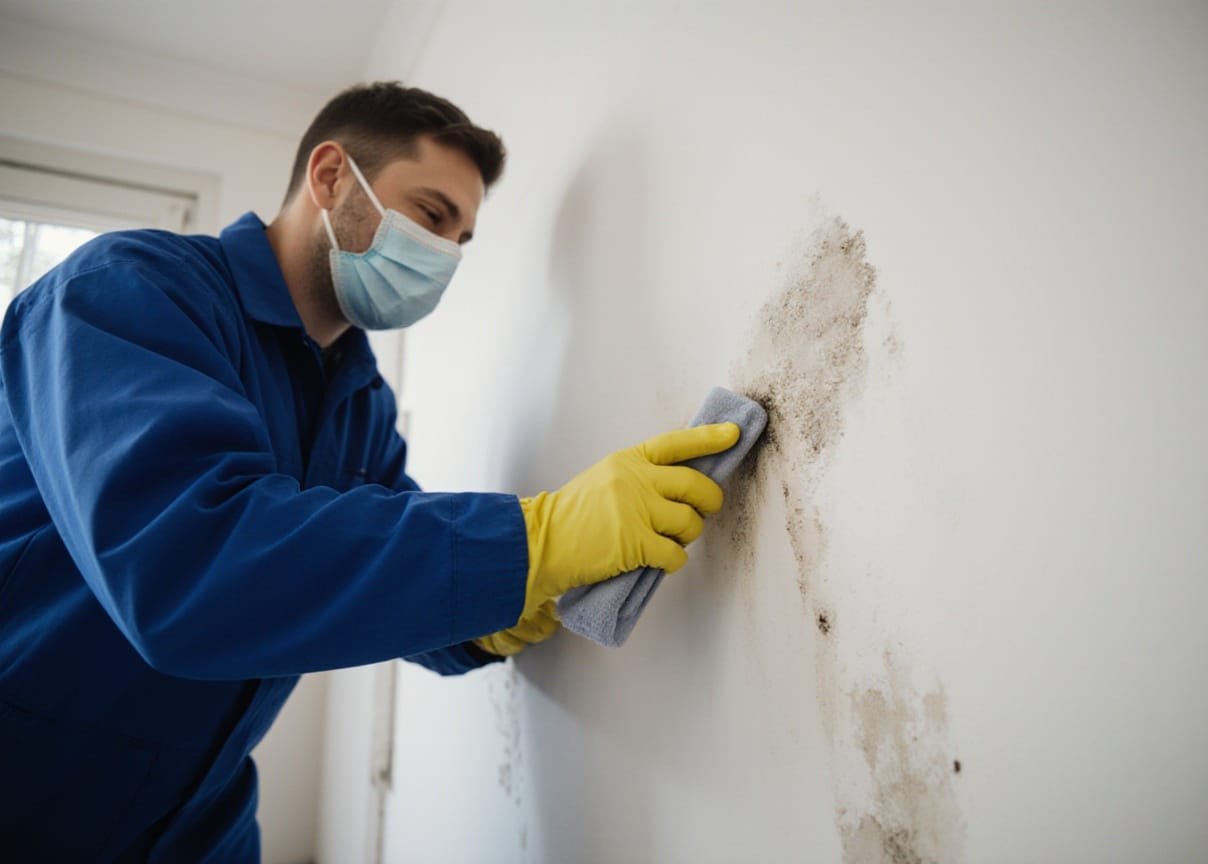
Mould growth inside properties can spread quickly when excess moisture and condensation problems are left untreated for long periods. Our mould removal and treatment services in Hampton focus on identifying the source of the moisture problem while professionally treating affected areas within the property. We investigate common causes such as condensation buildup, poor ventilation, hidden leaks, and damp conditions that contribute to recurring mould growth. Professional treatment can help reduce mould contamination, improve indoor conditions, and prevent the problem from returning as quickly.
Our inspections help identify how moisture is affecting the property and which conditions are allowing mould to develop repeatedly. We assess ventilation levels, humidity buildup, cold surfaces, and visible damp damage before recommending the most suitable treatment approach. Professional mould treatment combined with proper moisture control can help reduce the risk of recurring mould growth and ongoing property damage.

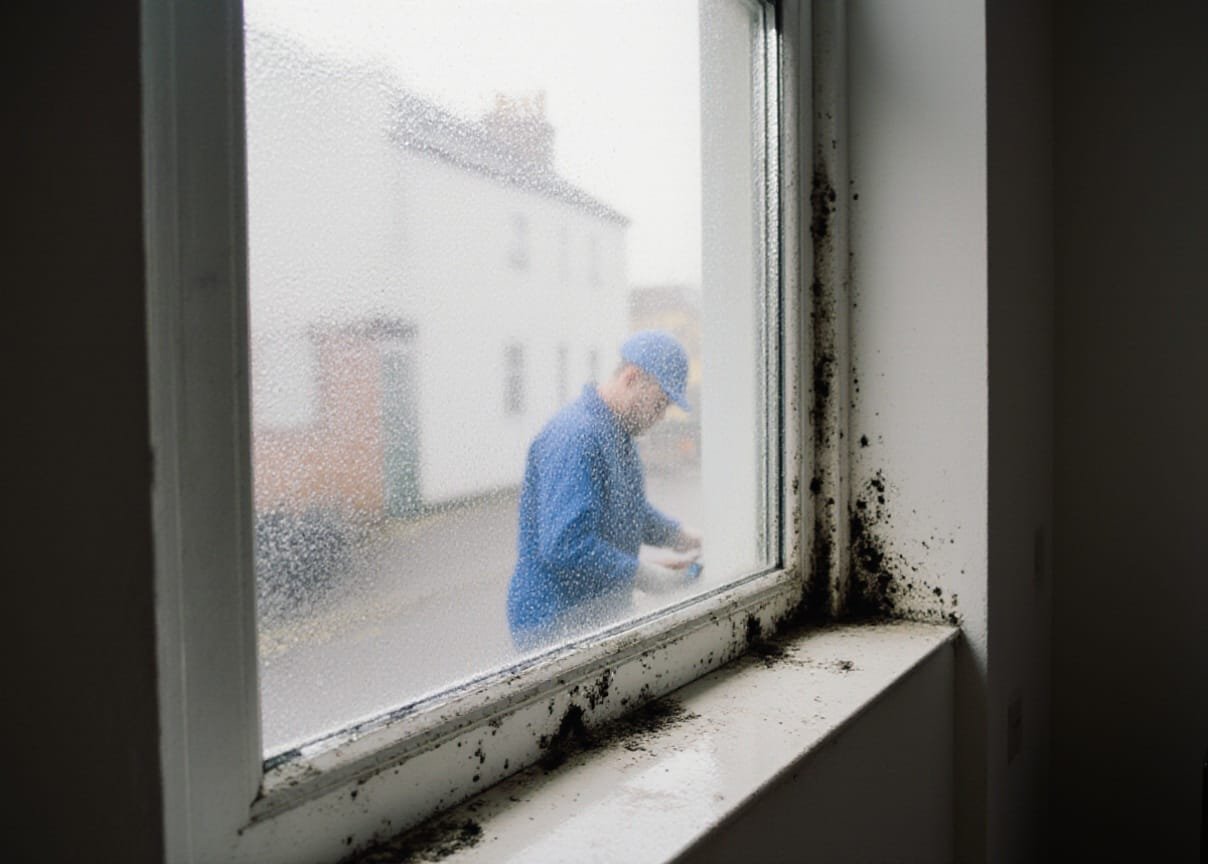
Mould growth inside a property is usually a sign of ongoing moisture problems that have not been fully addressed. In many Hampton homes, mould develops gradually due to excess condensation, poor ventilation, hidden leaks, or persistent damp conditions around colder surfaces. While small patches of mould may initially appear harmless, the problem can spread quickly across walls, ceilings, silicone seals, window surrounds, and hidden areas where moisture remains trapped for long periods.
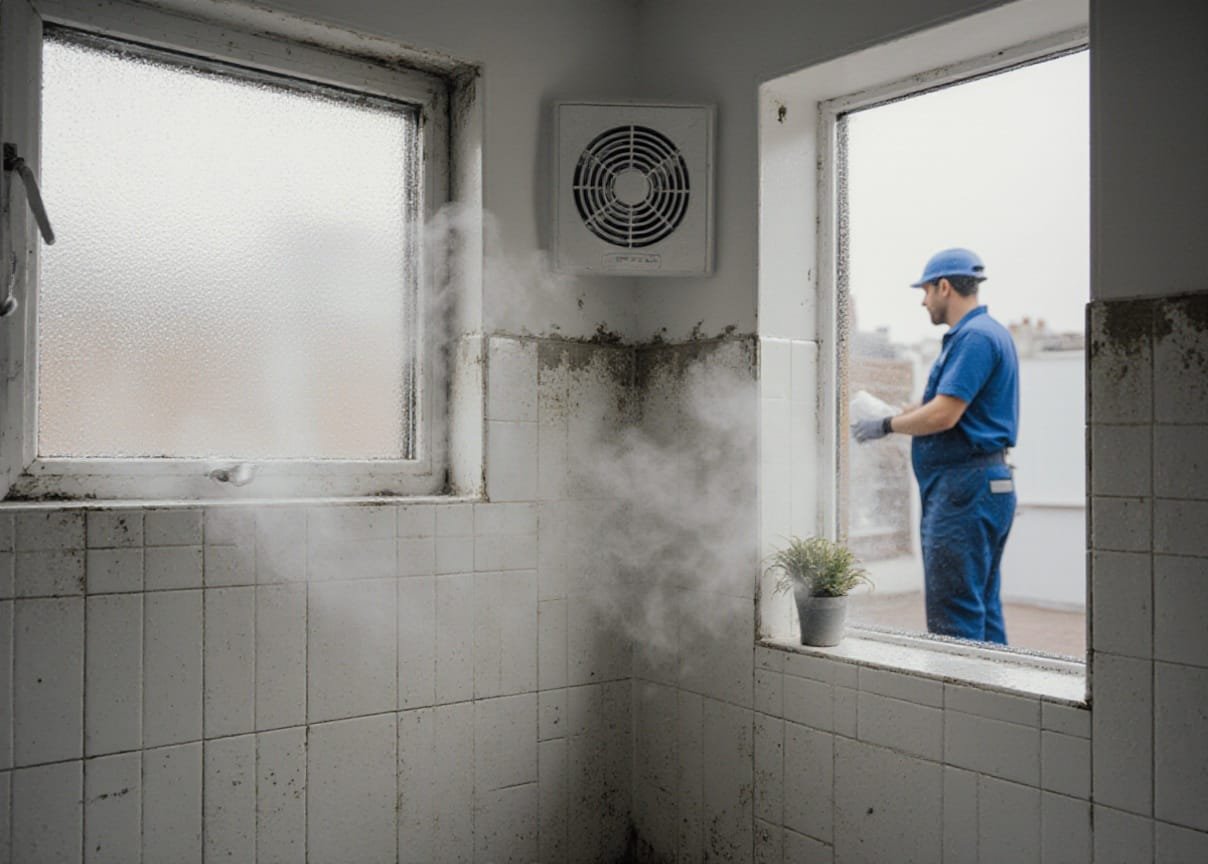
Bathrooms, kitchens, bedrooms, and poorly ventilated living spaces are among the most common areas affected by black mould growth. Warm humid air produced by showering, cooking, and daily living activities settles on cold surfaces where condensation repeatedly forms. Over time, this creates ideal conditions for mould spores to develop and spread throughout the property. In some cases, mould growth may also be linked to hidden plumbing leaks, water ingress, or structural damp problems rather than condensation alone.
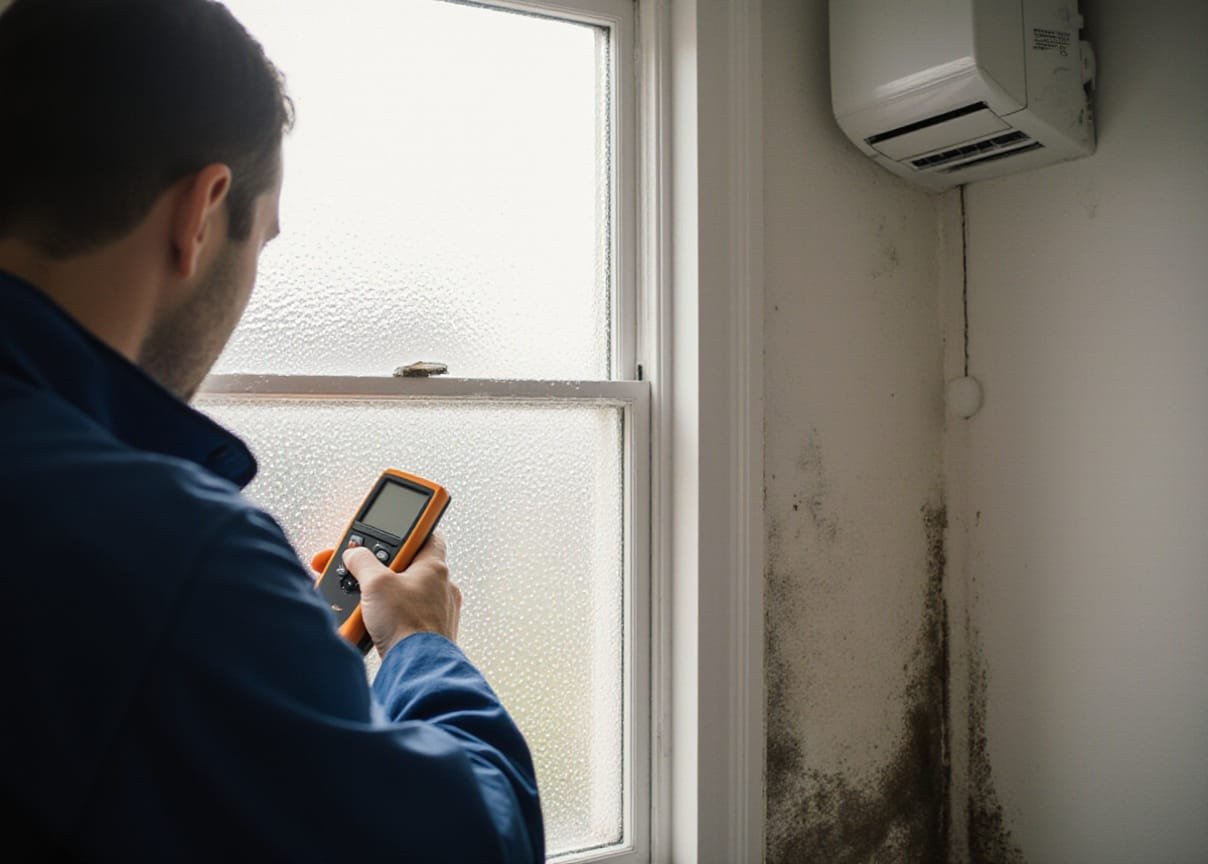
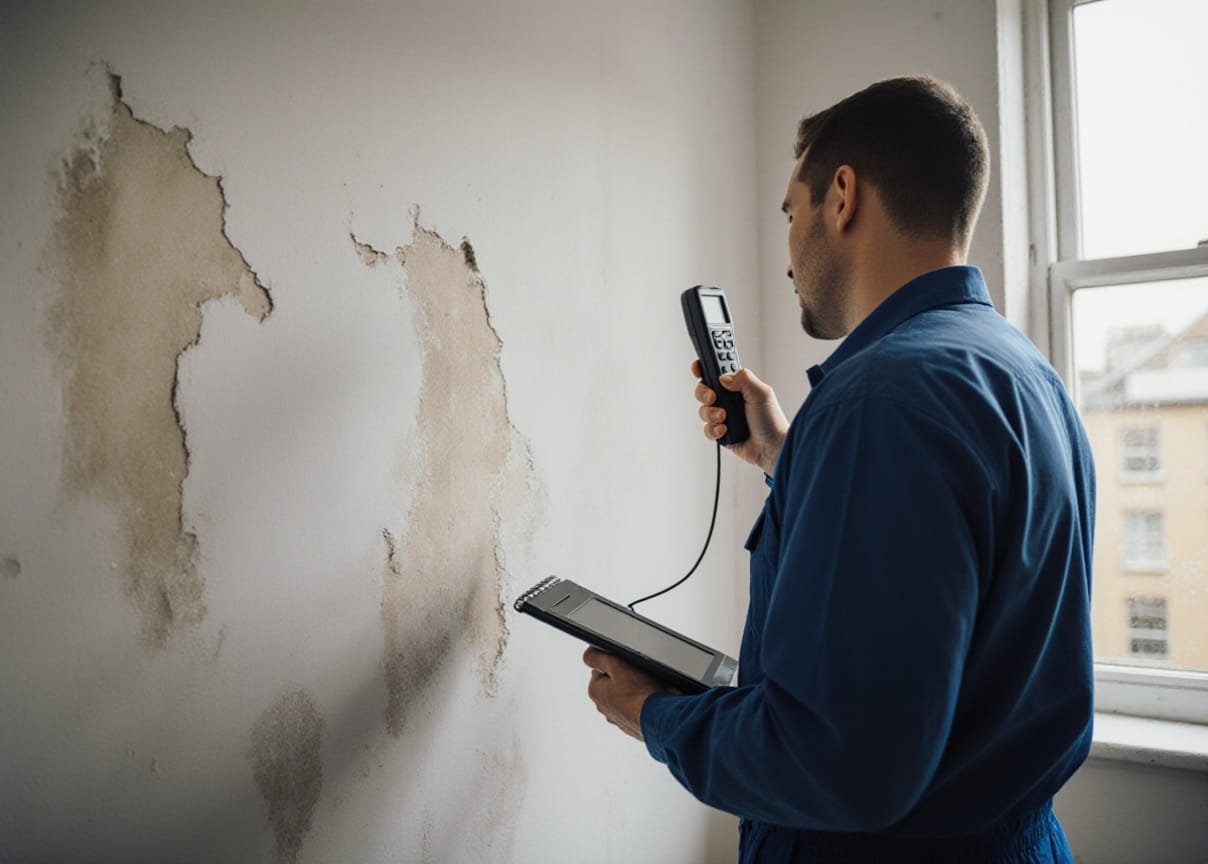
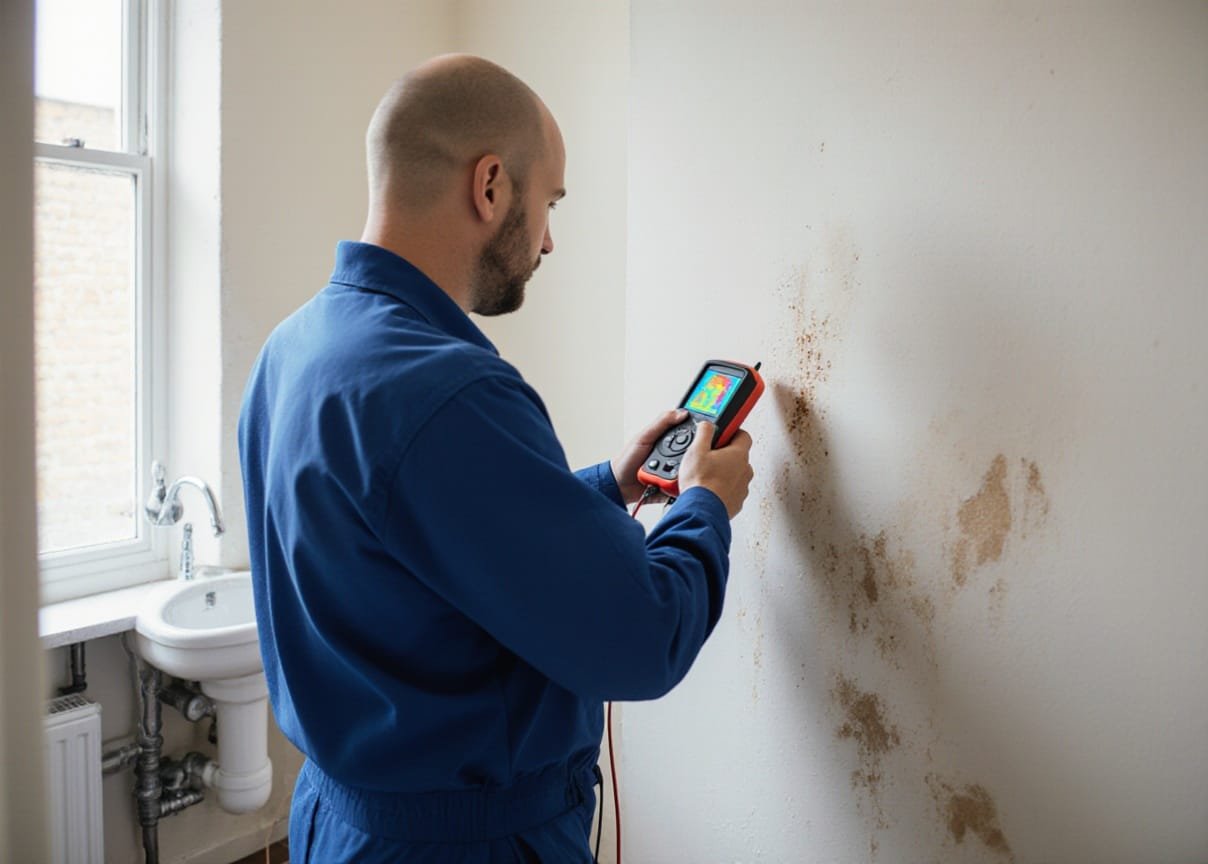
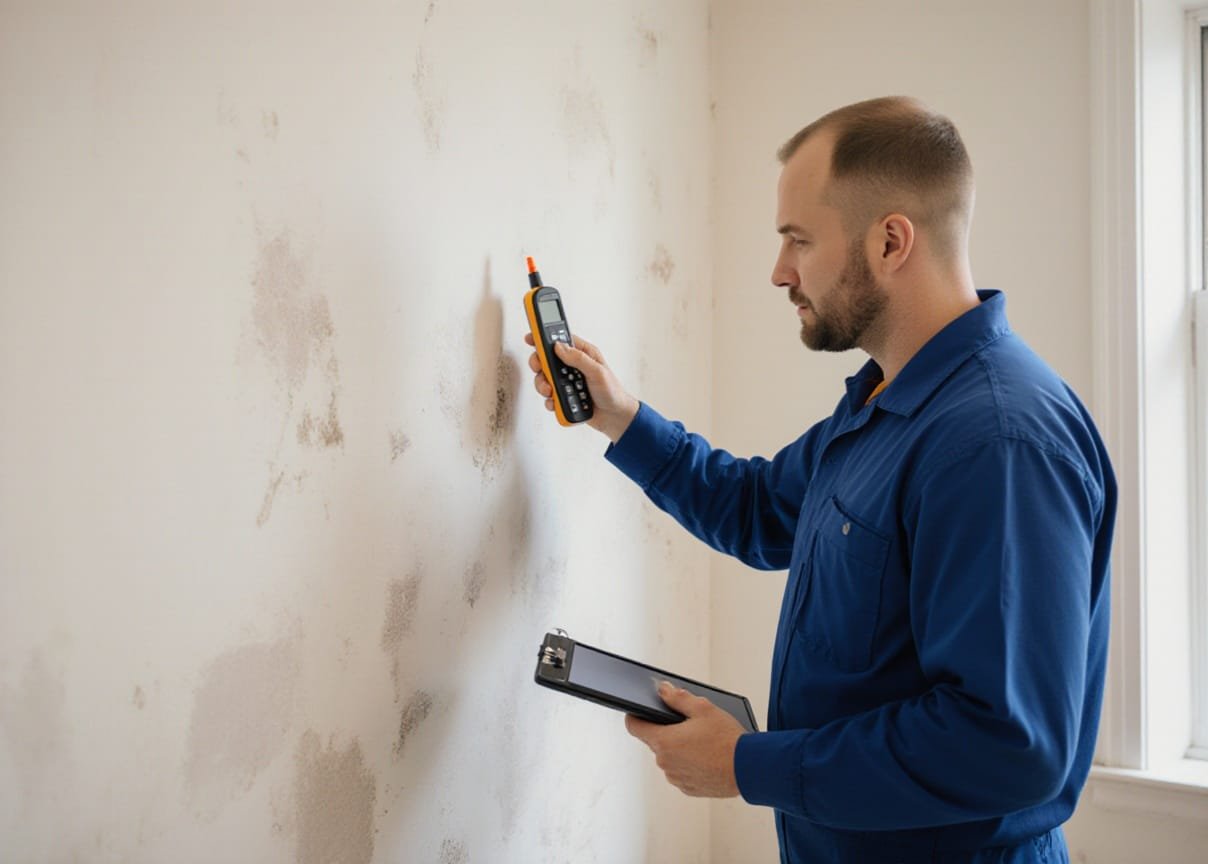
Our professional mould removal and treatment services in Hampton are designed to address both the visible mould contamination and the underlying moisture conditions contributing to the problem. We carry out detailed inspections to assess ventilation levels, humidity buildup, damp areas, and visible signs of moisture damage within the property. Using professional moisture meters and diagnostic equipment where necessary, we help identify hidden damp conditions that may be allowing mould to return repeatedly.
Simply cleaning mould from the surface rarely provides a long-term solution if the moisture source remains active. Many properties experience recurring mould problems because ventilation issues, condensation buildup, or hidden leaks continue affecting the same areas after treatment. Our assessments focus on identifying these contributing factors so practical preventative measures can also be recommended alongside the mould treatment process.
Long-term exposure to damp and mould conditions can eventually damage decorative finishes, plasterwork, timber surfaces, and indoor air quality. Mould growth around windows, ceilings, corners, and external walls may continue spreading if excess humidity levels remain uncontrolled. Professional mould inspections help determine the severity of the issue and what corrective action may be needed to reduce future moisture buildup inside the property.
By combining professional mould treatment, moisture investigation, and ventilation assessments, property owners in Hampton can better understand why mould is developing and what steps may help prevent it from returning again in the future.
Local Experts
Handling Damp Properly

Detailed Checks
Finding the Real Cause

Proven Results
That Actually Last

Long-Term Fixes
Not Just Quick Cleans
Postcode coverage: TW12
Other locations we cover nearby: Hampton

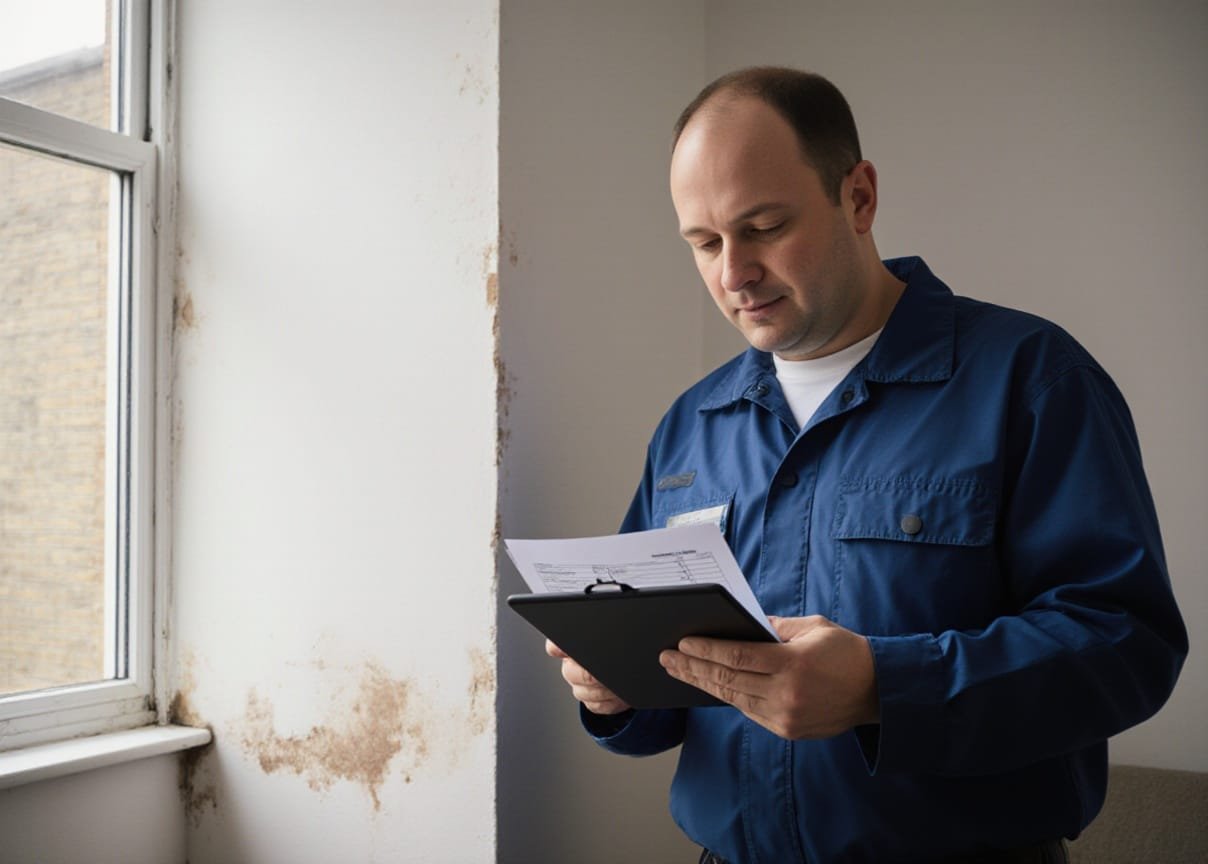
Our mould removal and treatment process in Hampton begins with a detailed inspection of the affected areas to understand both the visible mould contamination and the underlying moisture conditions causing the problem. Every property behaves differently, which is why identifying the source of the moisture is one of the most important parts of the process. We assess ventilation levels, humidity buildup, condensation patterns, cold surfaces, and any visible signs of damp or water ingress before treatment begins.
During the inspection, we look for areas where mould growth is most active, including ceilings, walls, window surrounds, silicone seals, external corners, behind furniture, and poorly ventilated rooms. Bathrooms, kitchens, bedrooms, and living spaces are commonly affected because they often experience higher humidity levels throughout the day. We also check for signs of hidden moisture problems such as plumbing leaks, trapped damp inside walls, or poor airflow that may be contributing to recurring mould growth.
Professional moisture meters and diagnostic equipment may be used to assess moisture levels within affected materials and identify hidden damp conditions not immediately visible on the surface. In some cases, thermal imaging can help detect colder surfaces and condensation-prone areas where mould is likely to continue developing if moisture control is not improved. This allows us to provide a more accurate assessment of the overall moisture problem affecting the property.
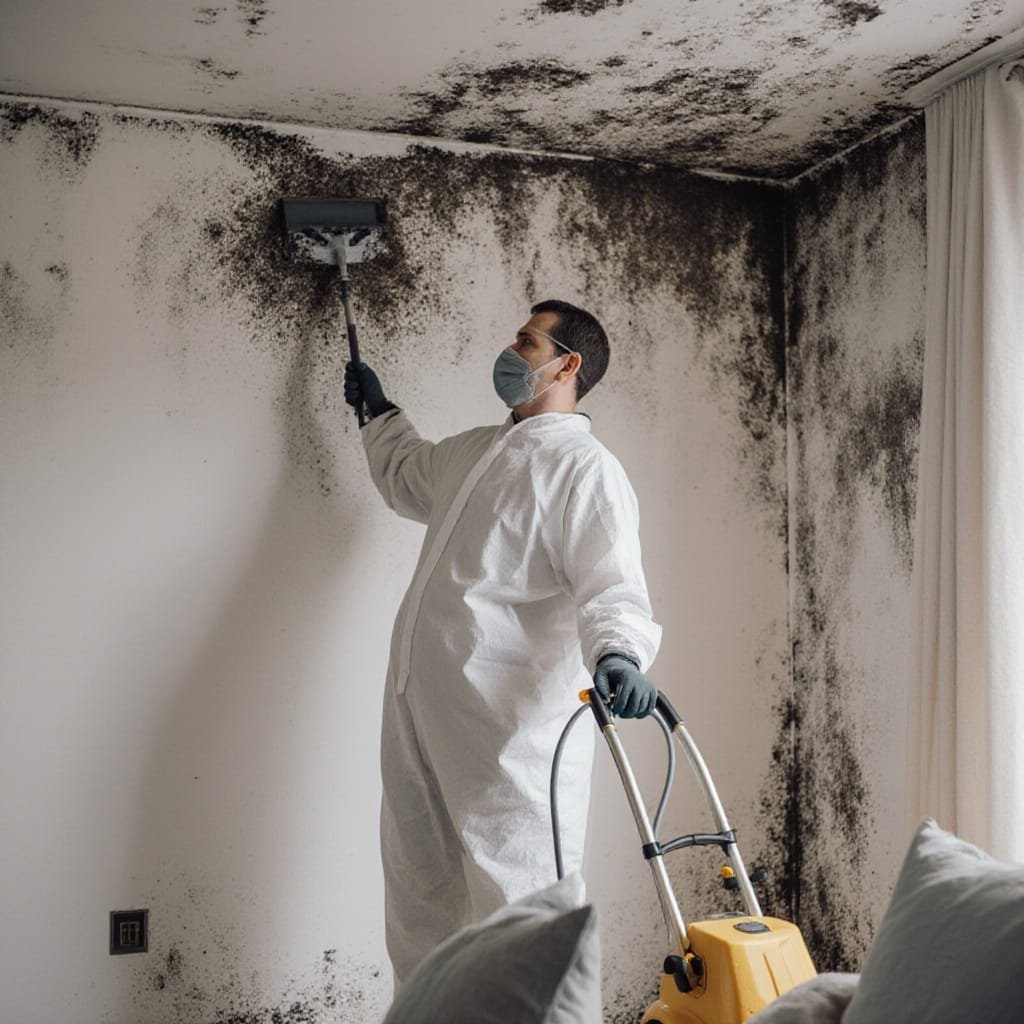
Once the inspection is completed, the affected mould areas are professionally treated using suitable cleaning and mould removal methods based on the condition of the surface and severity of contamination. The objective is not only to remove visible mould growth but also to reduce the conditions that allow spores to spread and return quickly. Different surfaces may require different treatment approaches depending on the material and level of moisture exposure involved.
After treatment, we provide practical recommendations to help reduce future condensation and mould problems inside the property. This may include improving ventilation, increasing airflow, reducing indoor humidity levels, addressing extraction problems, repairing leaks, or improving insulation around cold surfaces. Long-term mould prevention usually depends on controlling the moisture source rather than relying on cleaning products alone.
Our professional mould assessments in Hampton help property owners better understand how moisture is affecting the property and what corrective measures may help reduce ongoing damp and mould issues more effectively over time.