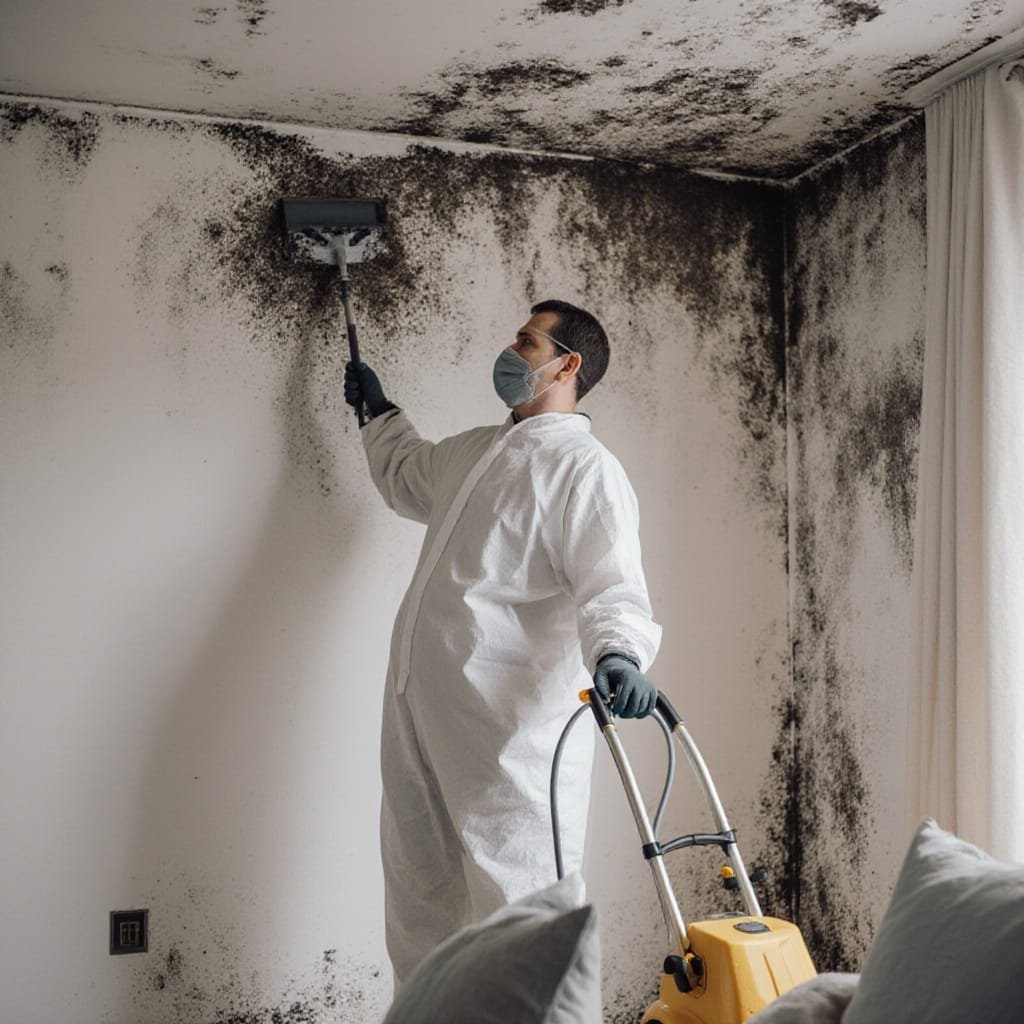
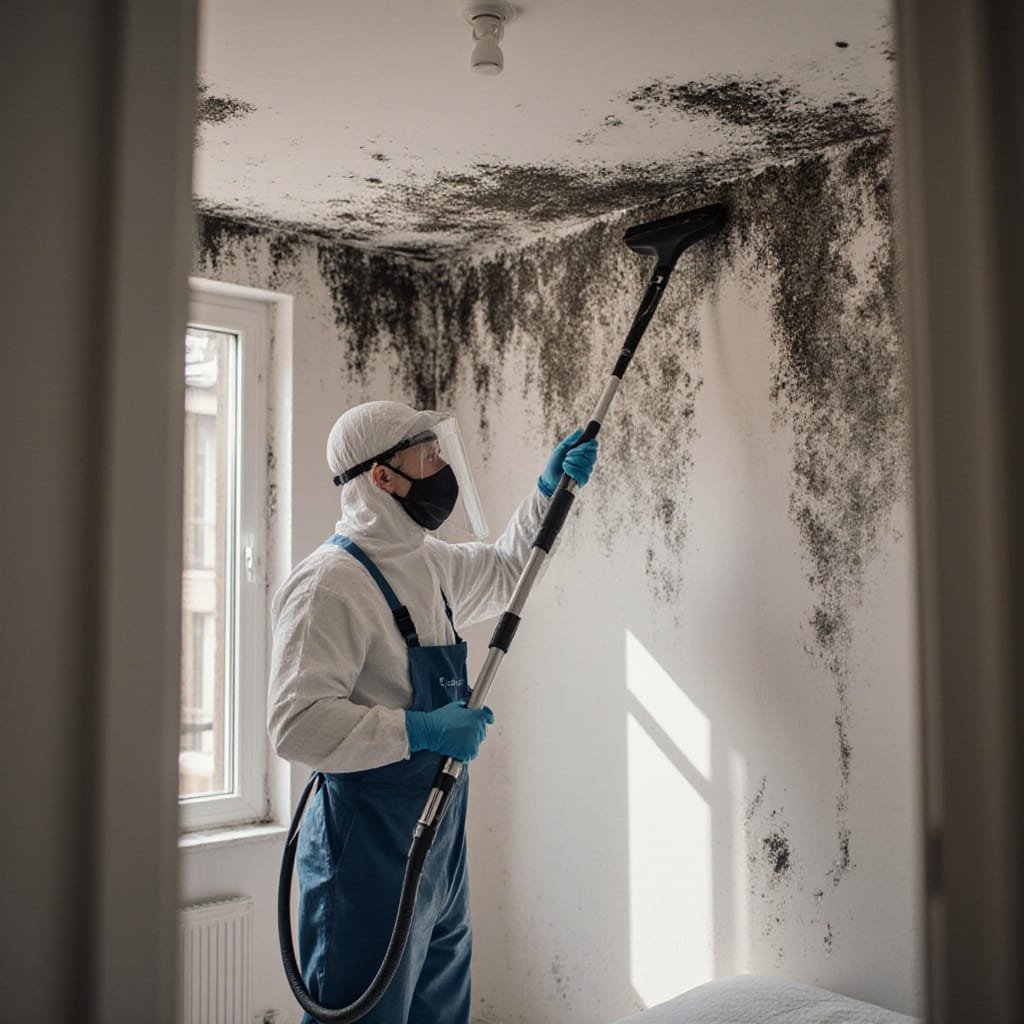
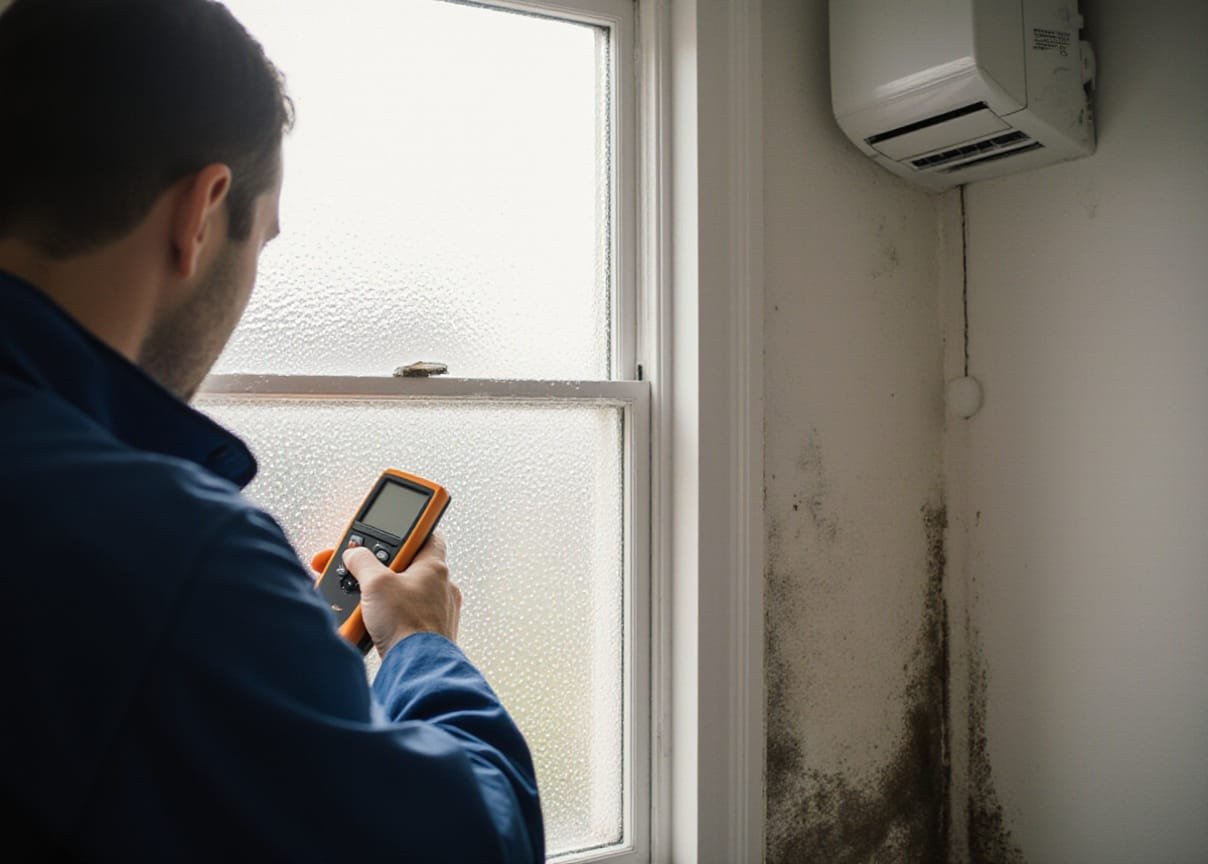
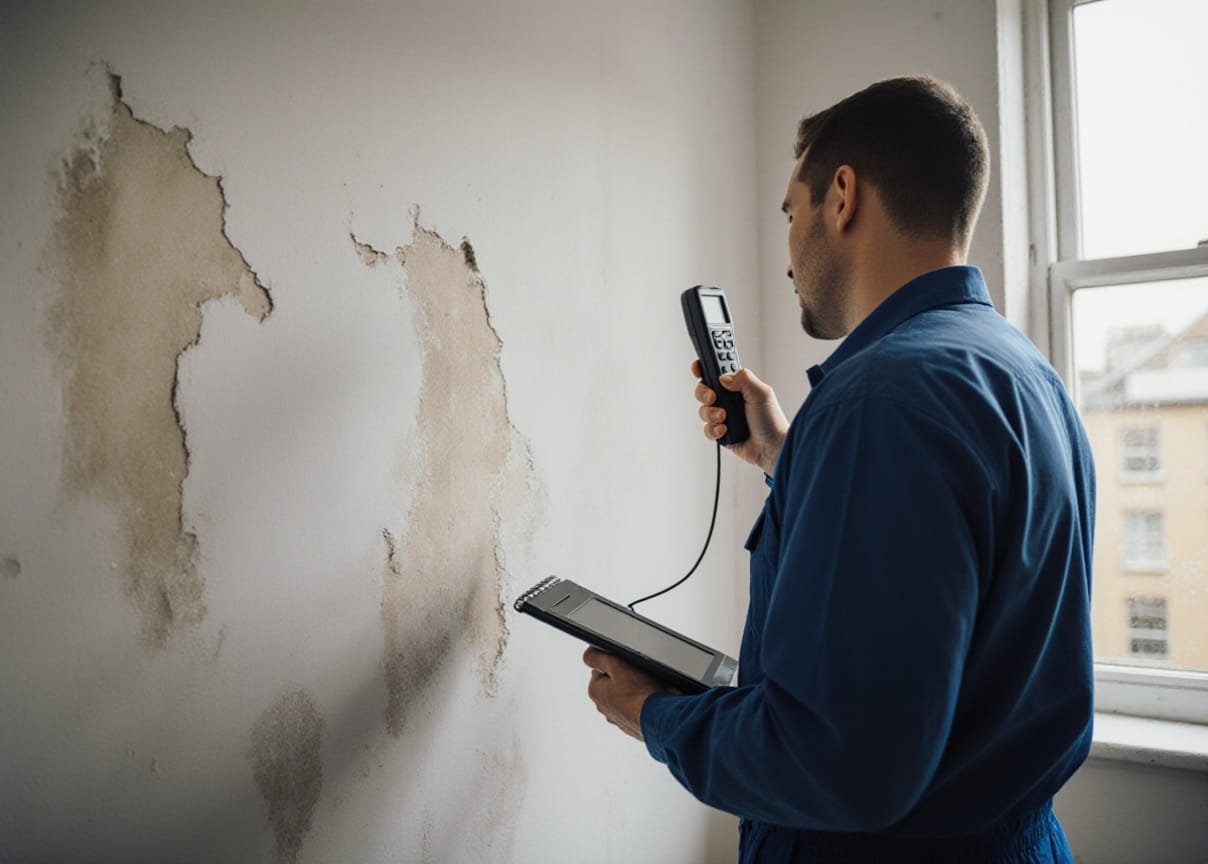
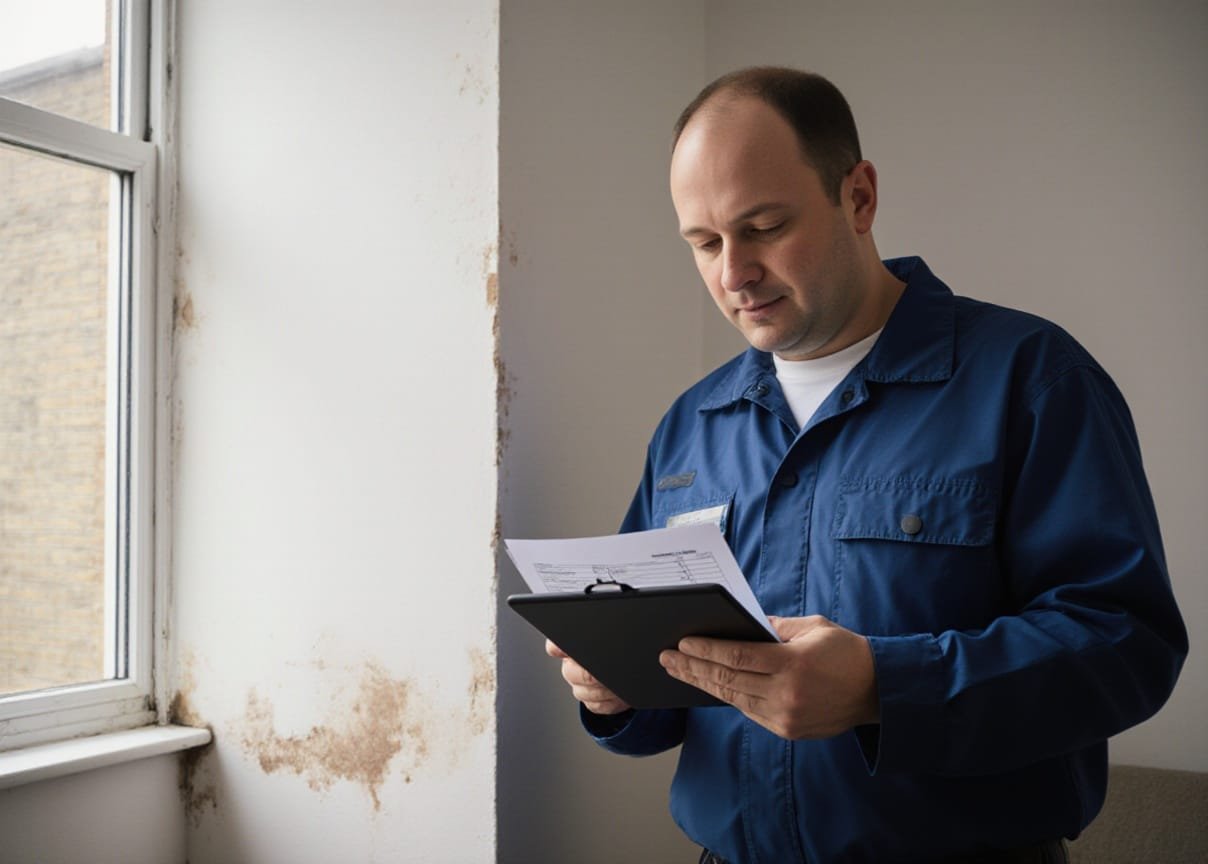
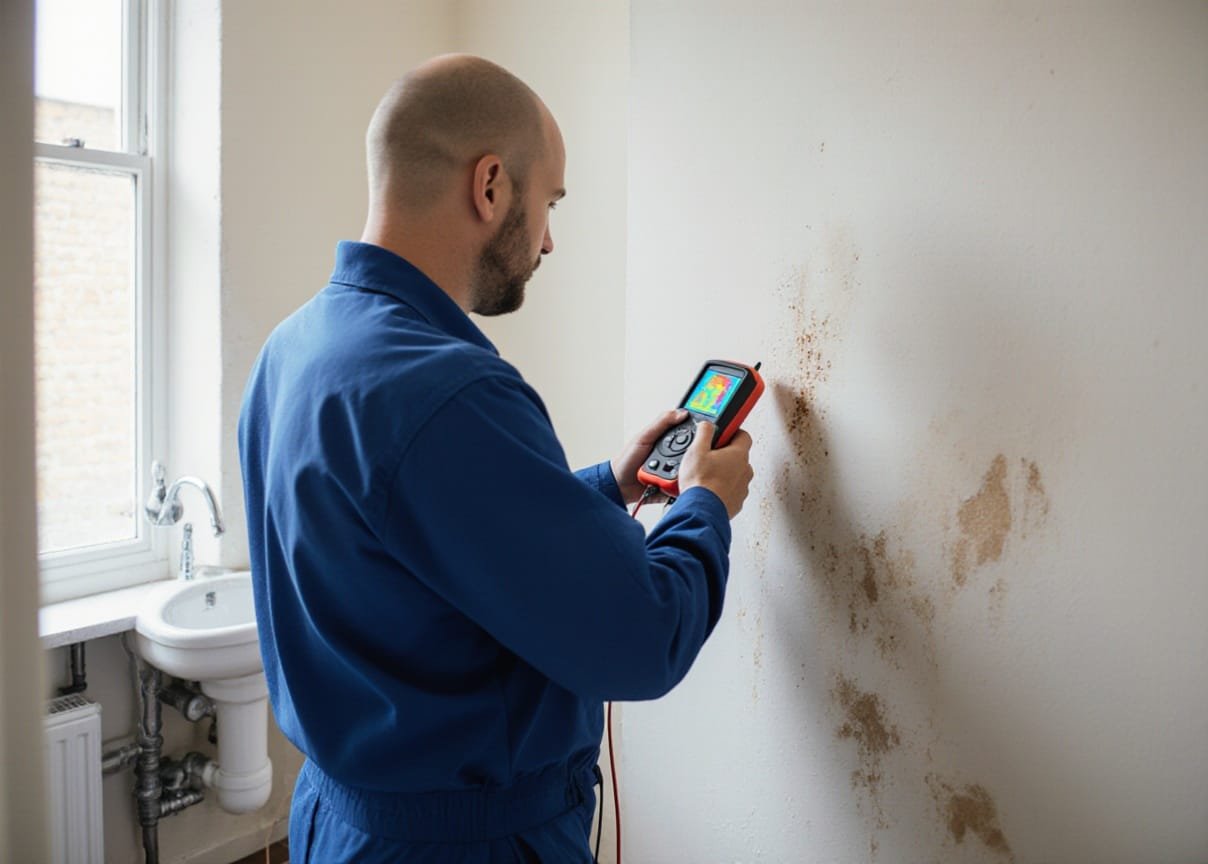
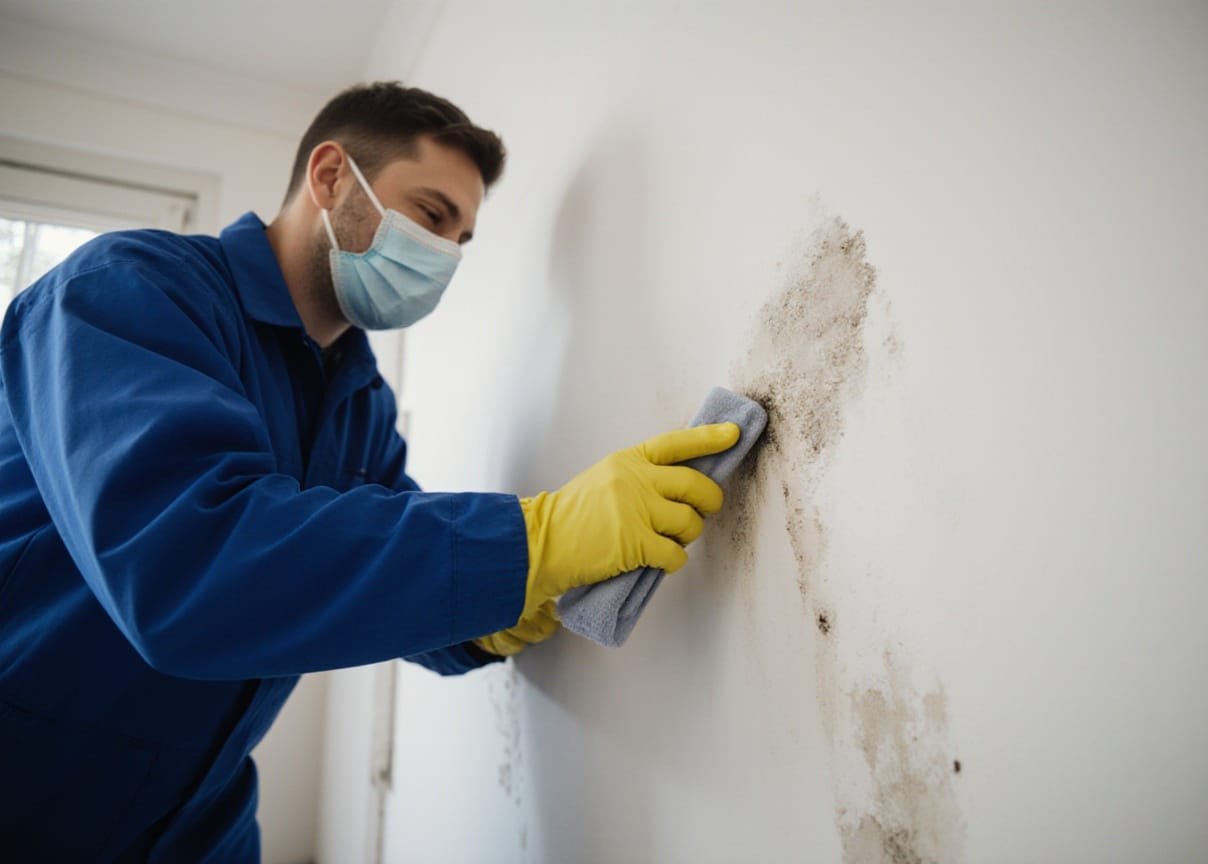
Once mould has been treated, the immediate improvement is usually visible quite quickly. Surfaces look cleaner, and the affected areas are no longer actively growing mould. However, what matters most is how the space behaves after the treatment, as this determines whether the problem will stay under control or return over time.
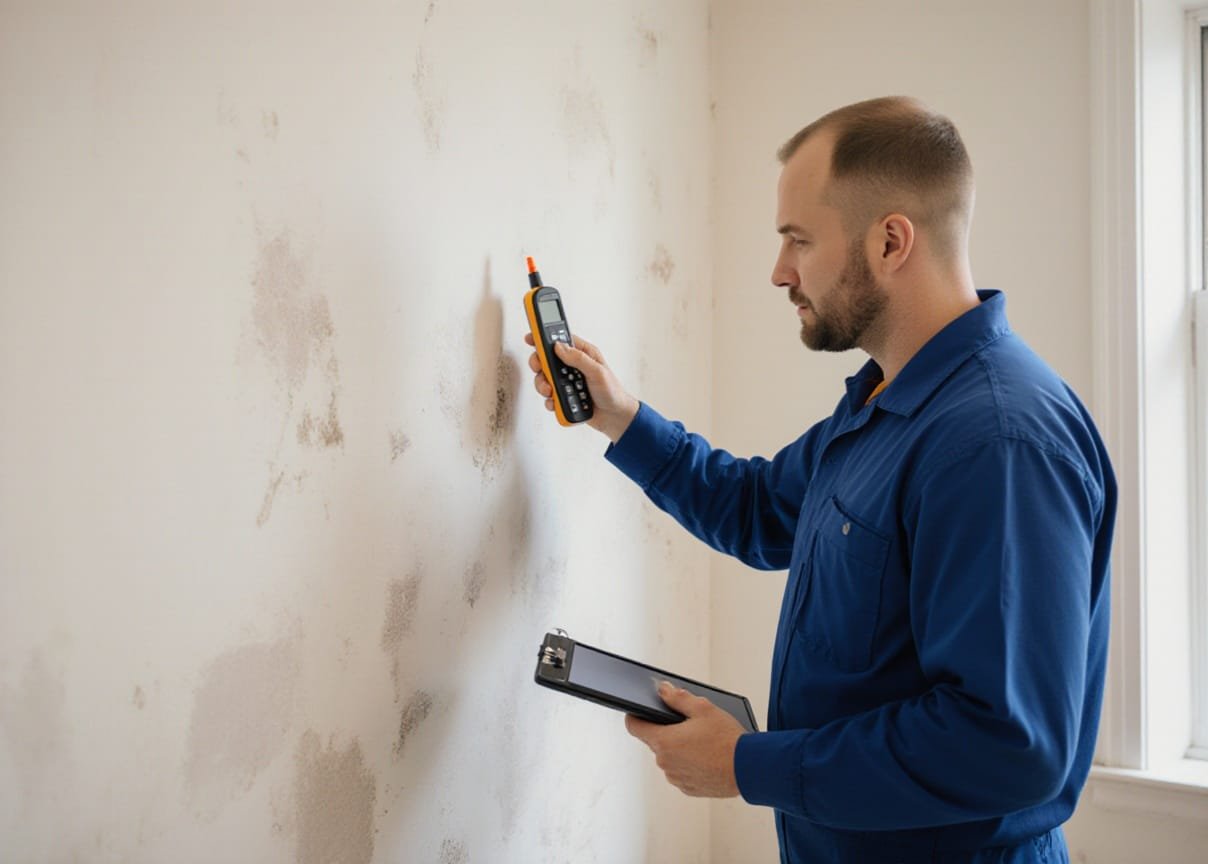
In the first few days, it’s important that the treated areas are allowed to dry properly. Moisture levels within walls and surfaces don’t disappear instantly, especially if the issue has been present for a while. As conditions stabilise, you should notice that condensation reduces and surfaces remain drier for longer periods. This is a good indication that the environment is improving.
The long-term outcome depends largely on how well the underlying moisture issue has been managed. If ventilation has been improved, leaks have been addressed, or airflow has been adjusted, the space becomes far less suitable for mould growth. Without these changes, even a well-treated area can become affected again over time.
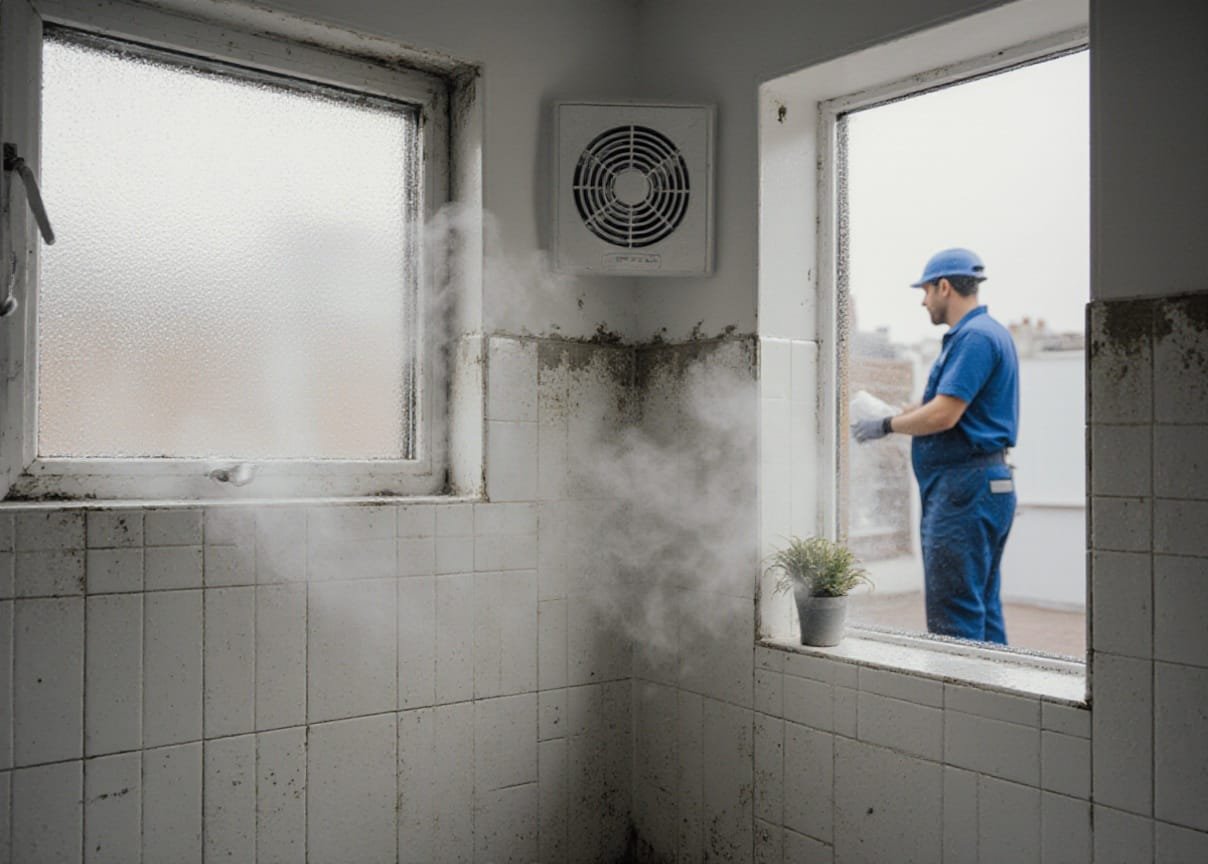
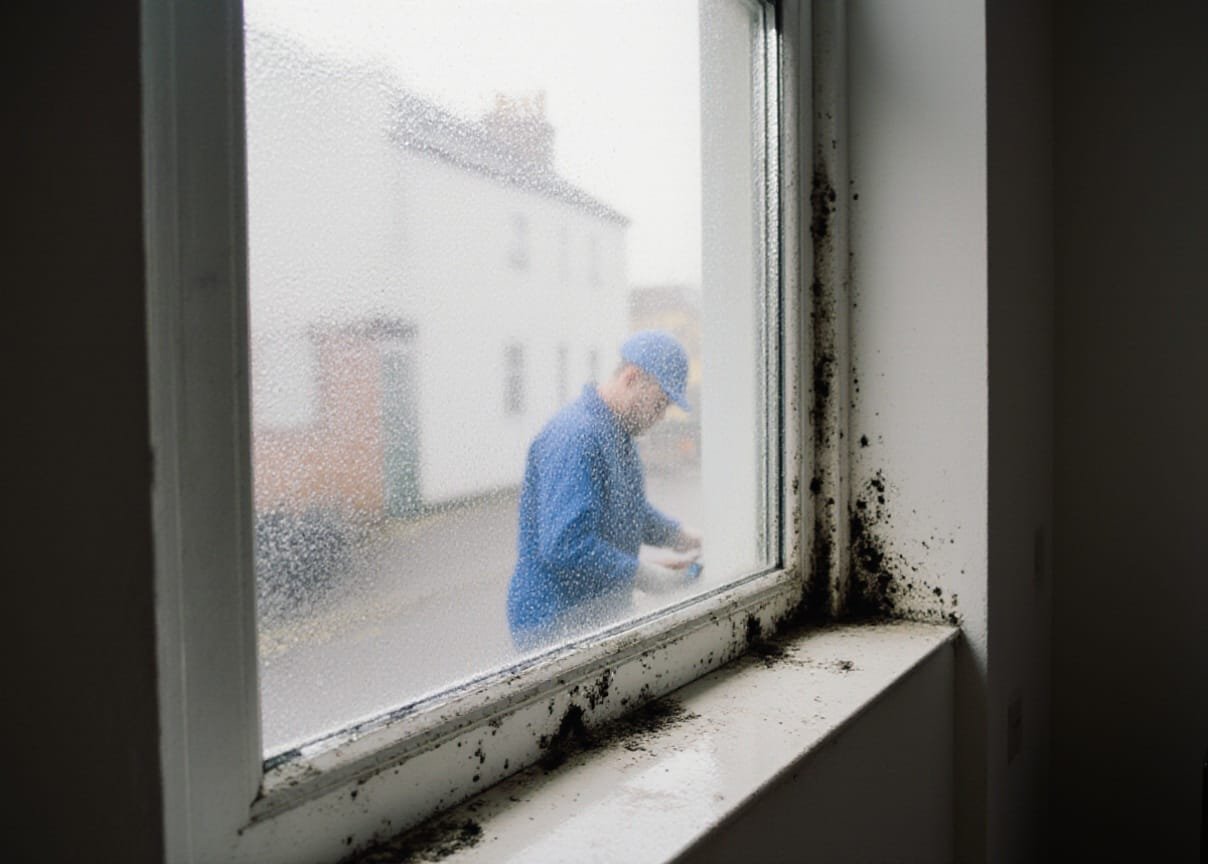
It’s also common for certain areas to require monitoring, especially spots that were previously prone to condensation, such as window frames, corners, or external walls. These areas may still be more sensitive to temperature differences, but with better moisture control, they should no longer support mould growth in the same way.
At Damp and Mould Specialist, the aim is to make sure the treatment is part of a wider solution rather than a one-off fix. This includes providing guidance on how to maintain stable conditions, whether that involves simple adjustments to ventilation, heating, or everyday use of the space.
Keeping moisture levels under control is the key factor in preventing mould from returning. With the right balance in place, the treated areas remain stable, and the need for repeated cleaning or treatment is significantly reduced.
Over time, maintaining these conditions becomes part of the normal routine, helping ensure that mould does not reappear and the property stays in a consistent, manageable state.