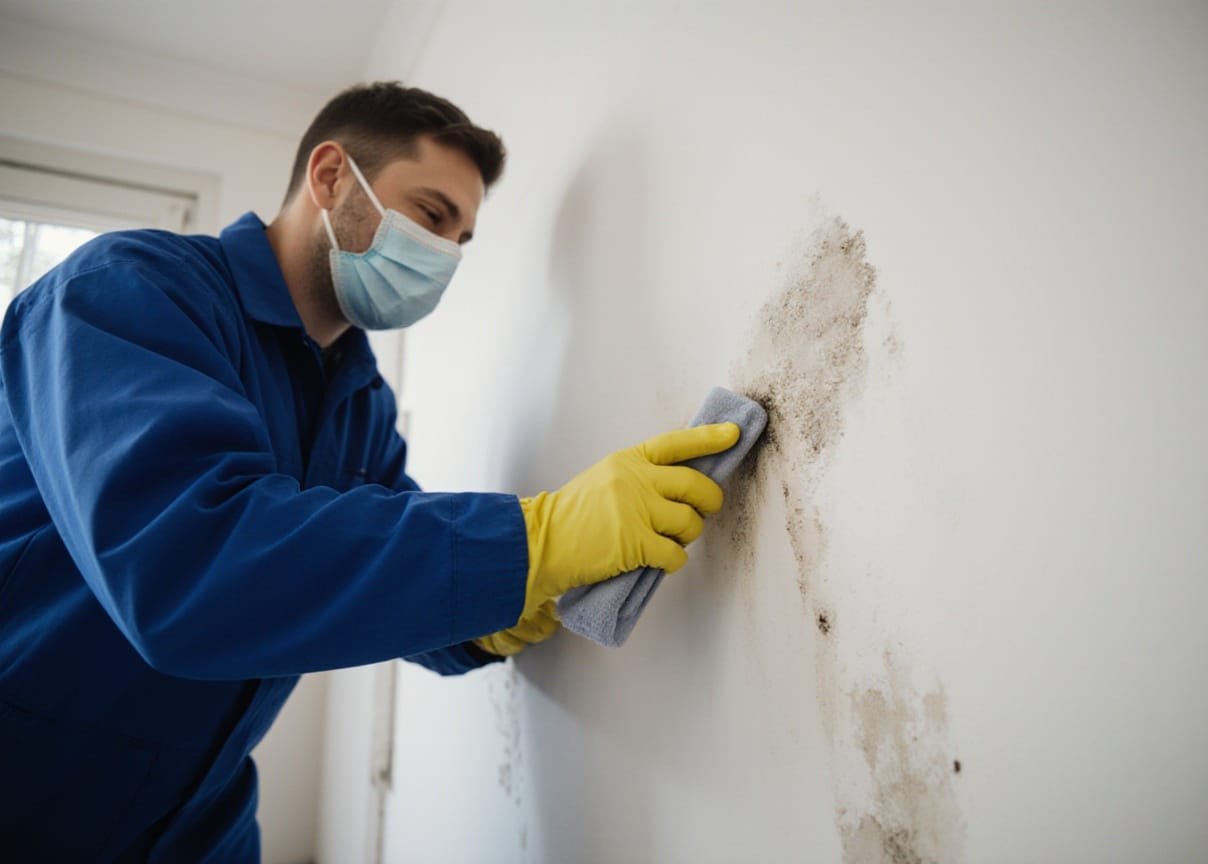
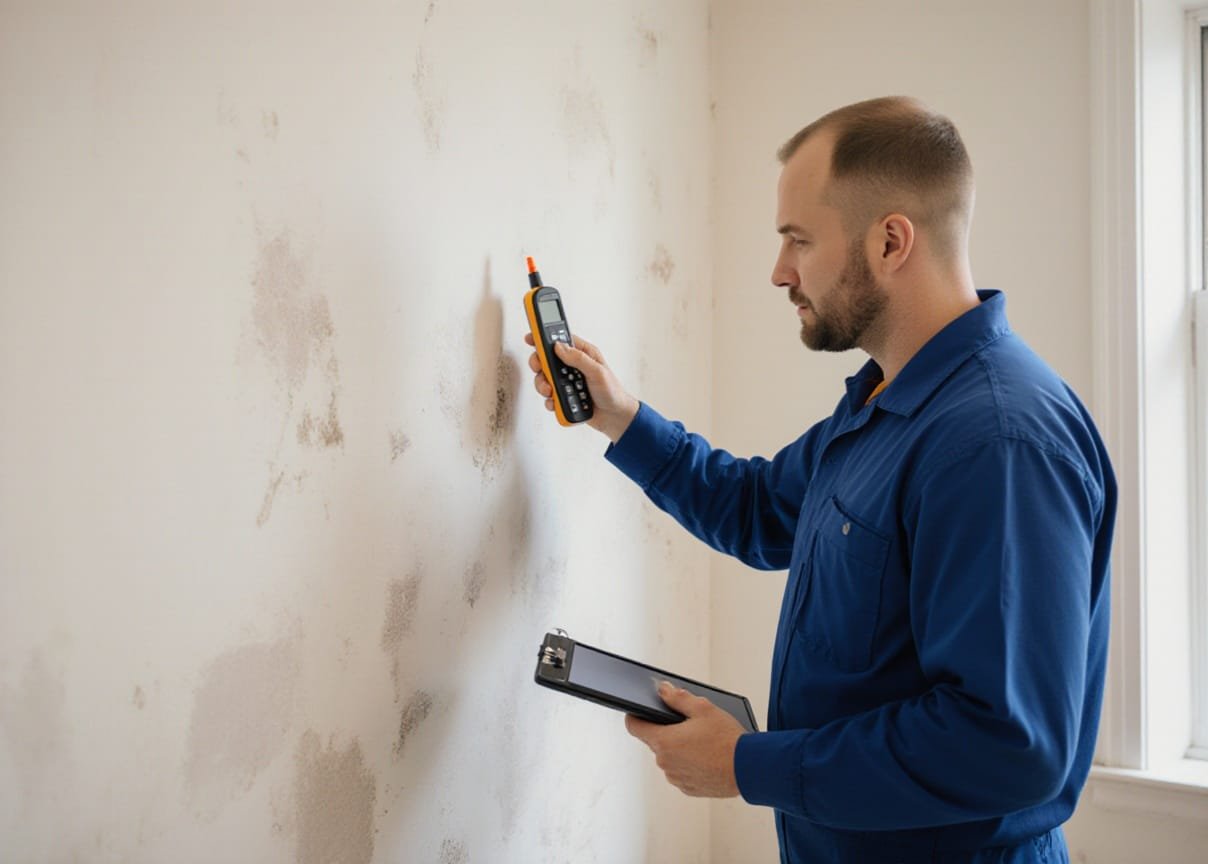
Bathroom & Kitchen Moisture Problems
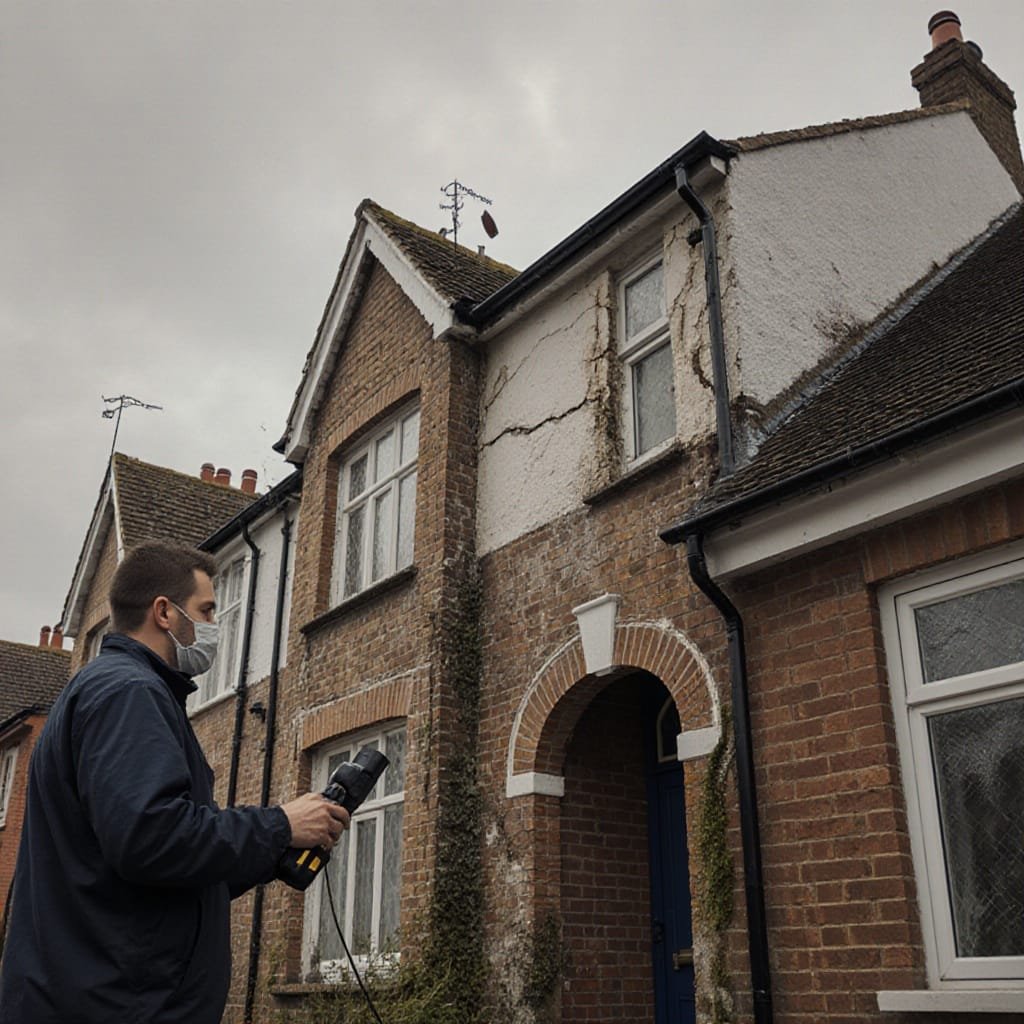
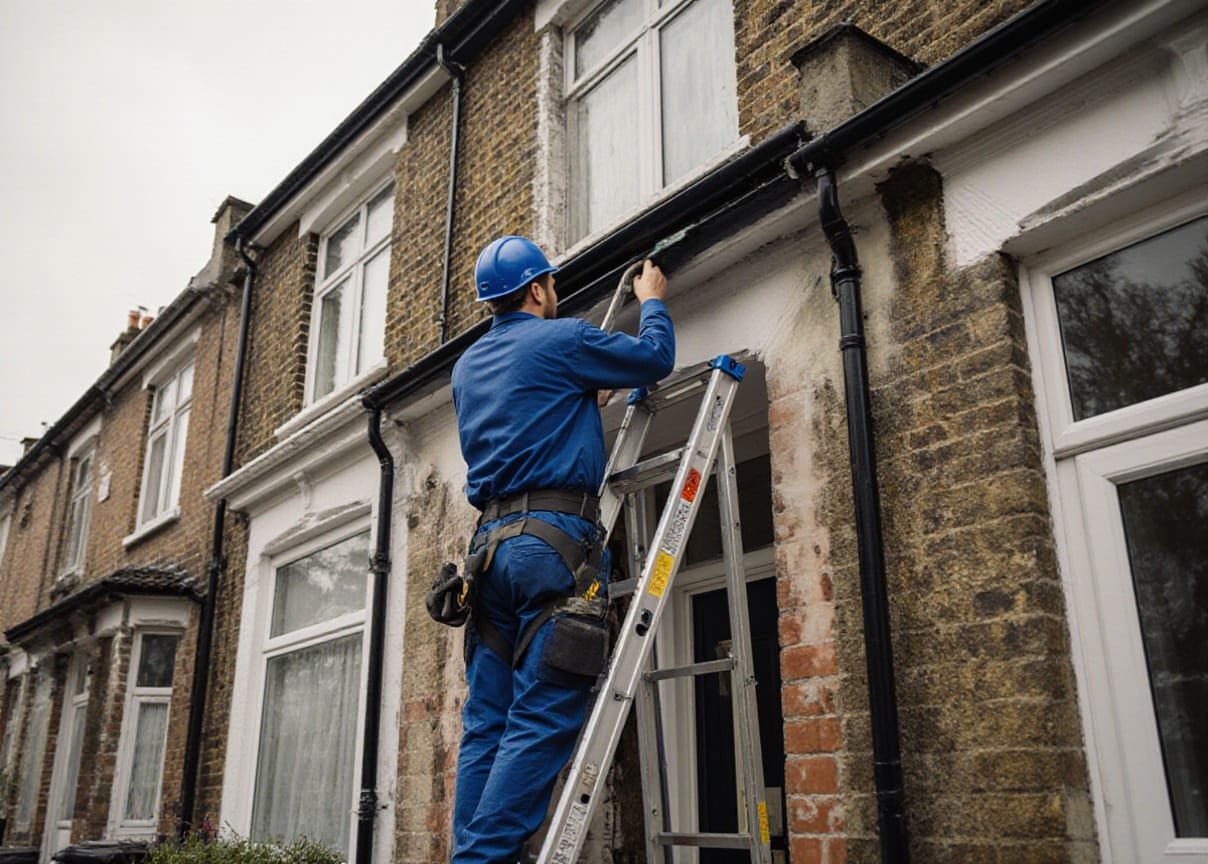
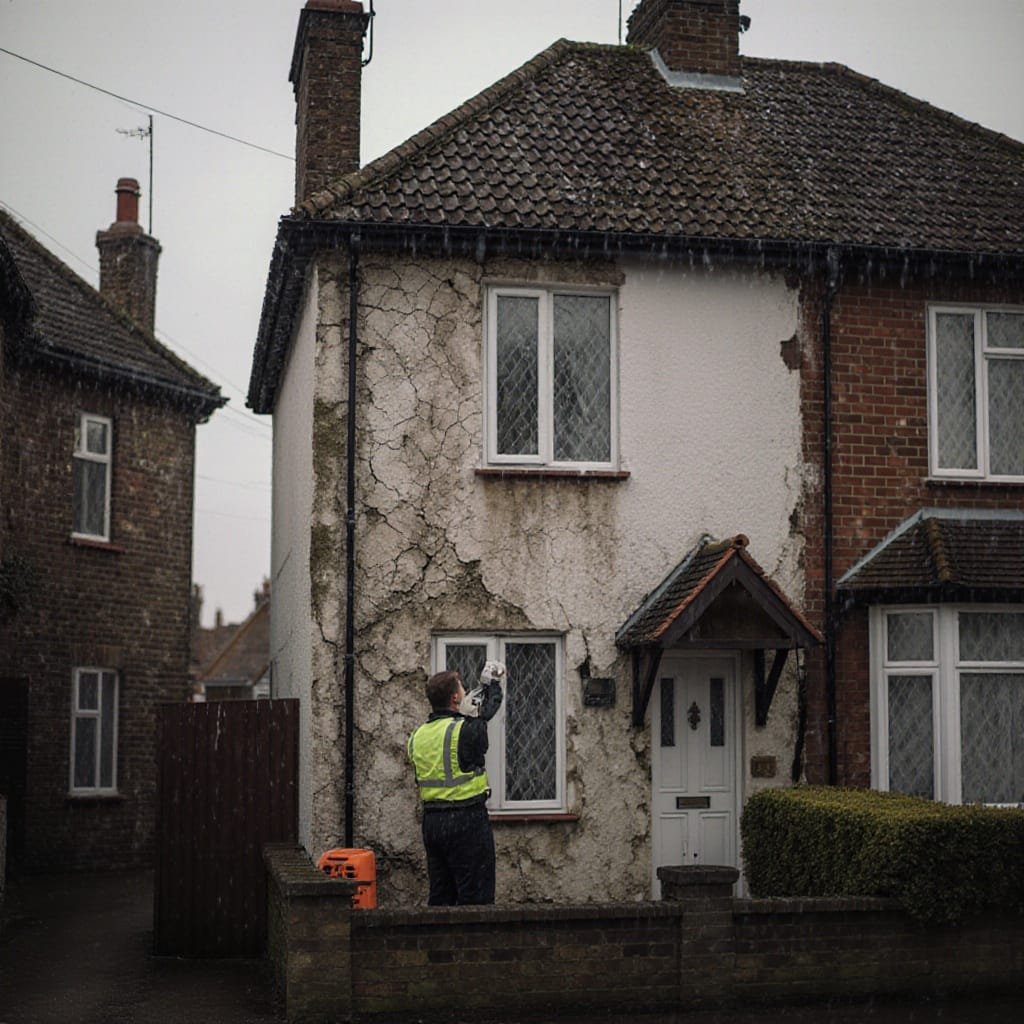
• Inspection of external walls, brickwork, and joints for signs of moisture entry
• Checks on gutters, downpipes, and drainage systems for faults or blockages
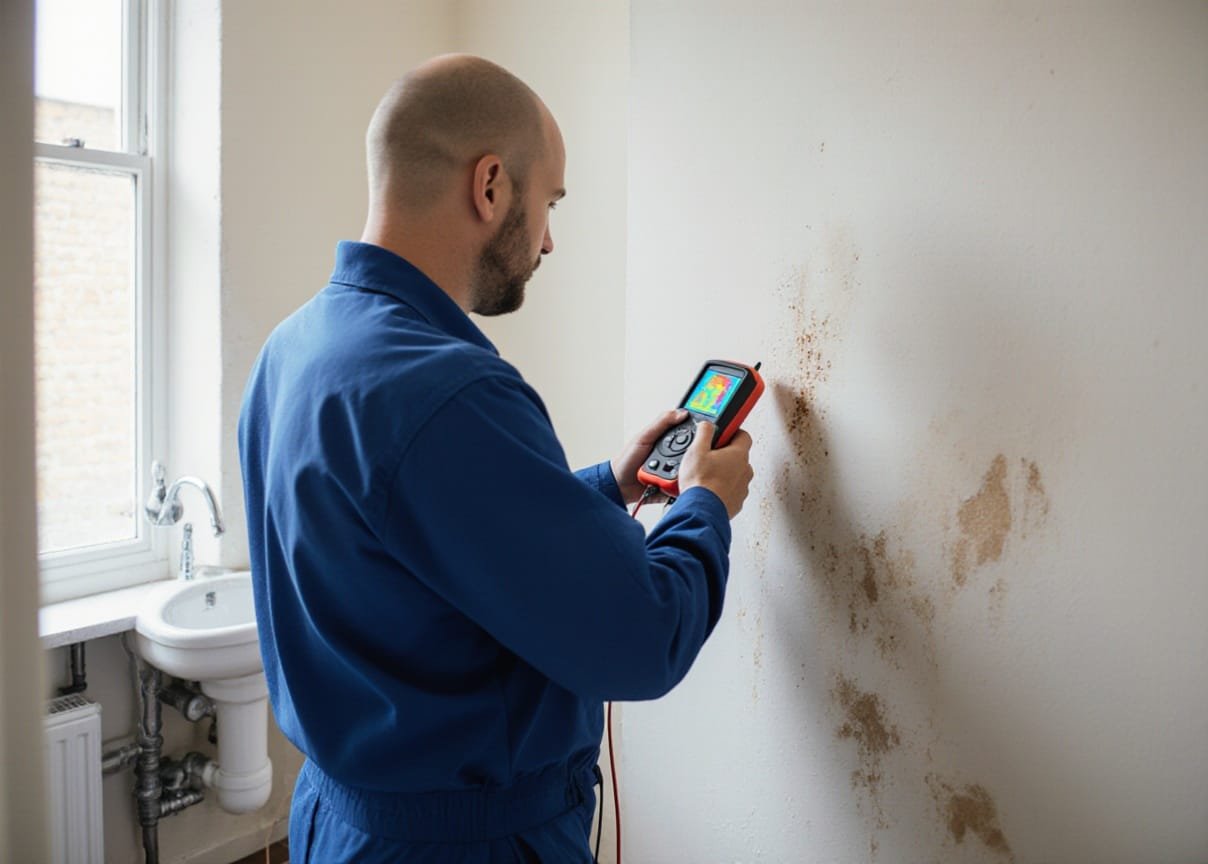
• Identification of penetrating damp and water ingress points
• Assessment of how weather exposure is affecting the property
• Clear findings with practical steps to stop moisture entering the building
External damp usually develops when water finds a way into the property through small external faults that go unnoticed over time.
Rain and constant exposure can gradually affect walls and joints, allowing moisture to build up internally.
Unlike condensation, these problems are linked to the structure and how the building handles water from outside.
Without proper checks, the issue can spread and lead to more visible damage inside the property.
A detailed inspection helps identify the exact entry points and how to stop the problem at its source.

• Inspection of external walls, brickwork, and joints for signs of moisture entry
• Checks on gutters, downpipes, and drainage systems for faults or blockages
• Identification of penetrating damp and water ingress points
• Assessment of how weather exposure is affecting the property
• Clear findings with practical steps to stop moisture entering the building
External damp problems often develop gradually, which is why they can go unnoticed until visible signs start appearing indoors. Unlike condensation, which forms from moisture inside the property, water ingress comes from outside, usually during rainfall or periods of high exposure. Over time, even small faults in the structure can allow water to enter and build up within walls or ceilings.
One of the most common causes is related to guttering and drainage systems. Blocked or damaged gutters can cause water to overflow and run down external walls, leading to repeated exposure in the same areas. Similarly, worn joints, cracks in brickwork, or gaps around windows can create entry points where moisture slowly penetrates the structure.
The challenge with external damp is that the source is not always directly above or next to the visible damage. Water can travel through materials before showing up internally, which means the origin of the problem may be some distance from where the damp appears. This is why a full external check is important rather than focusing only on the affected area inside.
Weather conditions also play a role. Properties that are more exposed to wind and rain, or those with certain structural features, may be more prone to ongoing moisture exposure. Over time, this can weaken materials and increase the likelihood of damp developing internally.
At Damp and Mould Specialist, the focus is on identifying how water is interacting with the building as a whole. By checking key external points and understanding how moisture is entering, it becomes possible to stop the problem at its source rather than dealing with repeated internal symptoms.
Addressing external damp early helps prevent further damage and keeps the property in a more stable condition over the long term.
Local Experts
Handling Damp Properly

Detailed Checks
Finding the Real Cause

Proven Results
That Actually Last

Long-Term Fixes
Not Just Quick Cleans

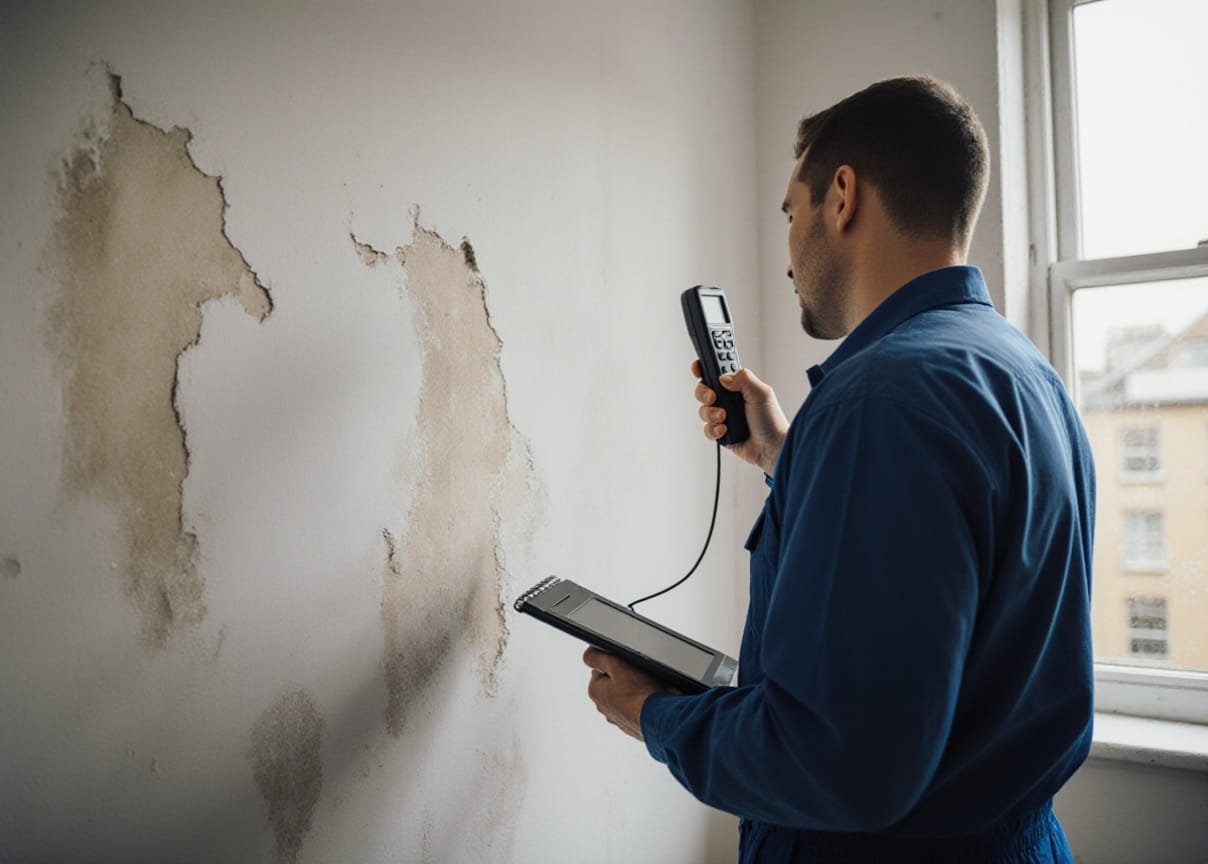
When water begins to enter a property from the outside, the effects are rarely immediate. Instead, moisture builds up gradually within materials such as brick, plaster, and insulation. At first, this may only show as slight discolouration or a faint damp patch, but over time it can develop into more noticeable issues like peeling paint, weakened surfaces, or persistent damp areas that don’t fully dry out.
One of the reasons external damp can be difficult to manage is that the building materials themselves can hold moisture for long periods. Even after rainfall stops, the retained water continues to move through the structure, especially in older properties where walls may be more porous. This creates a situation where the internal environment remains affected even when external conditions seem dry.
Another factor is repeated exposure. If the same section of wall or roofline is consistently exposed to water due to a fault, such as a leaking gutter or poor drainage, the materials in that area become more vulnerable over time. This can lead to a cycle where the structure gradually absorbs more moisture than it can release, increasing the likelihood of damp spreading internally.
In some cases, internal conditions can make the situation worse. Limited airflow or cooler indoor temperatures can slow down the drying process, meaning that moisture introduced from outside stays trapped for longer. This overlap between external ingress and internal conditions often leads to more persistent damp problems.
At Damp and Mould Specialist, attention is given to how these factors interact rather than treating them separately. By understanding how water enters, where it travels, and how it behaves inside the property, it becomes possible to identify the most effective way to reduce and control the issue.
Stopping water ingress at the source helps protect the structure and prevents the need for repeated internal repairs, keeping the property in a more stable condition over time.