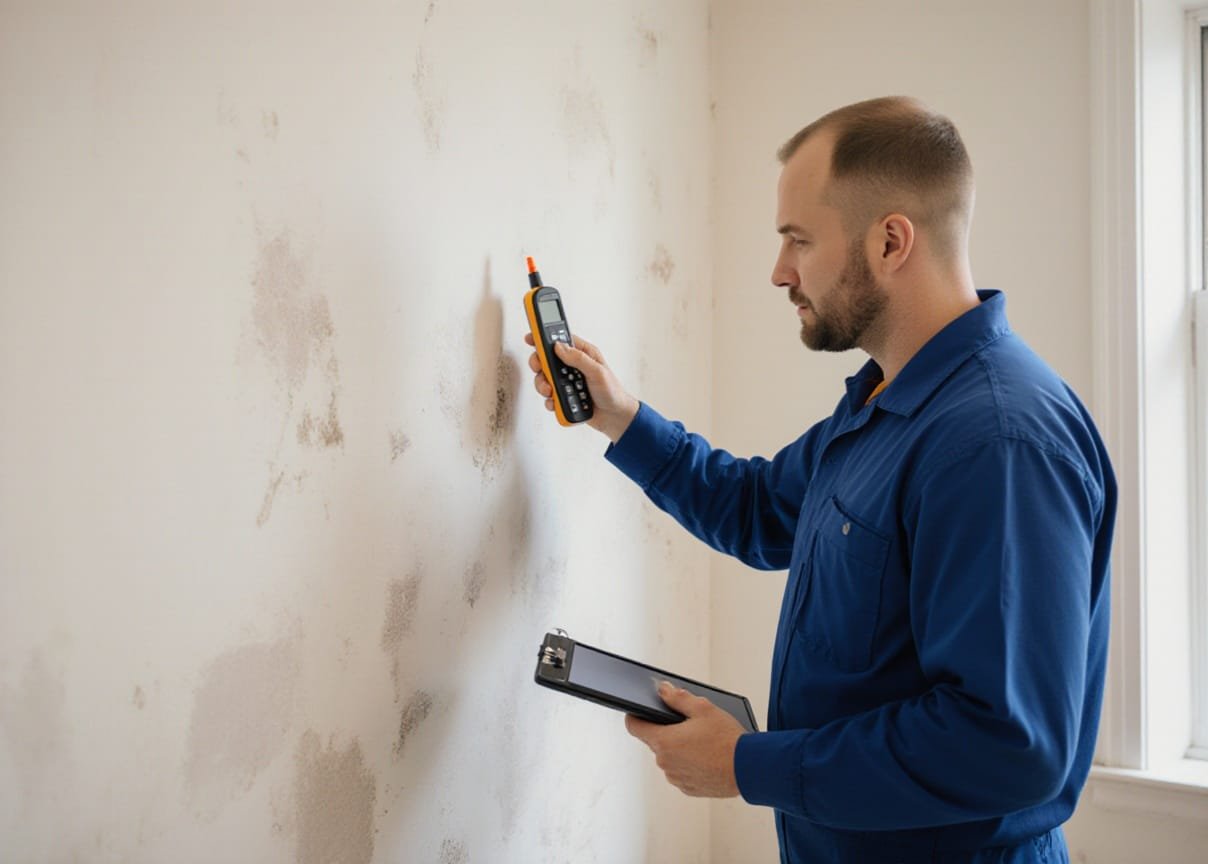
Bathroom & Kitchen Moisture Problems
Mould around windows and cold surfaces in New Malden properties is commonly caused by excess indoor humidity, condensation buildup, and poor airflow around colder areas of the home. Our inspections help identify why moisture is forming repeatedly and provide practical recommendations to reduce condensation, prevent recurring mould growth, and improve indoor moisture conditions.

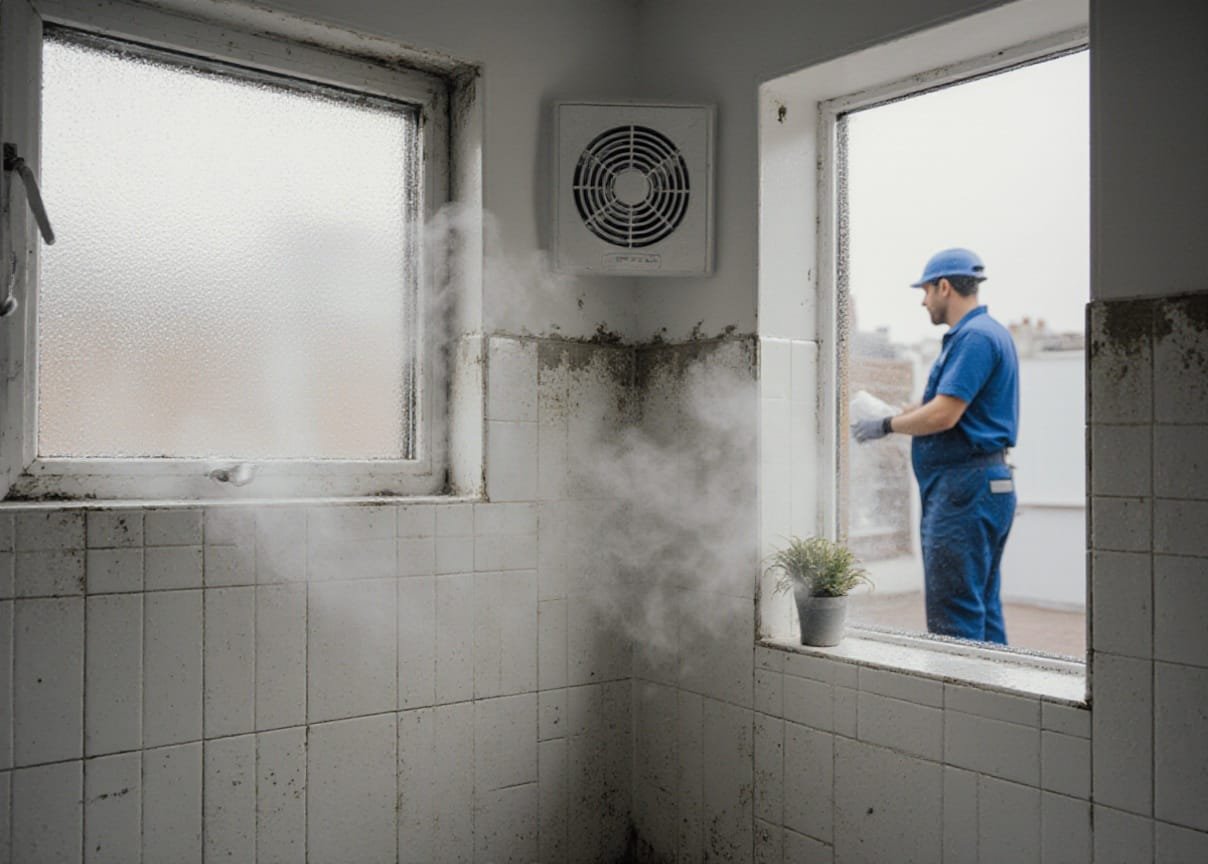
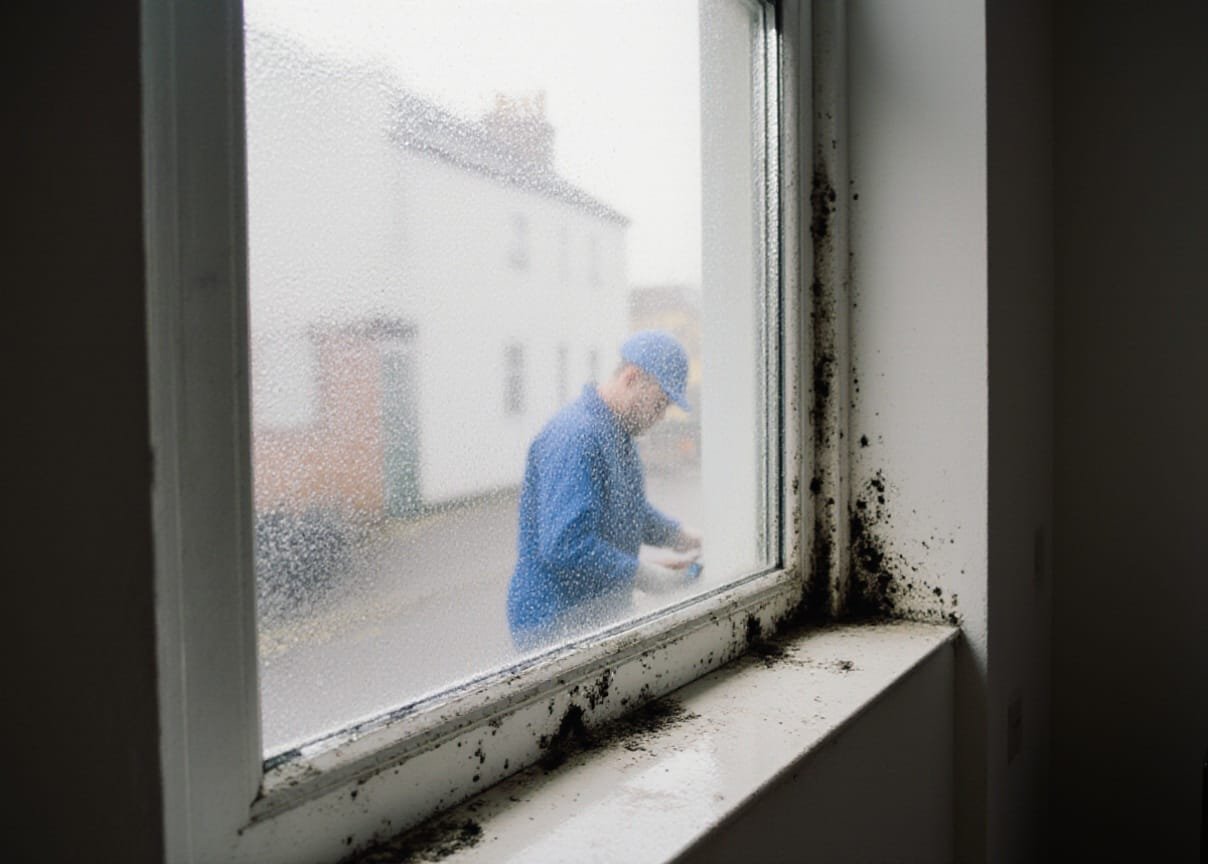
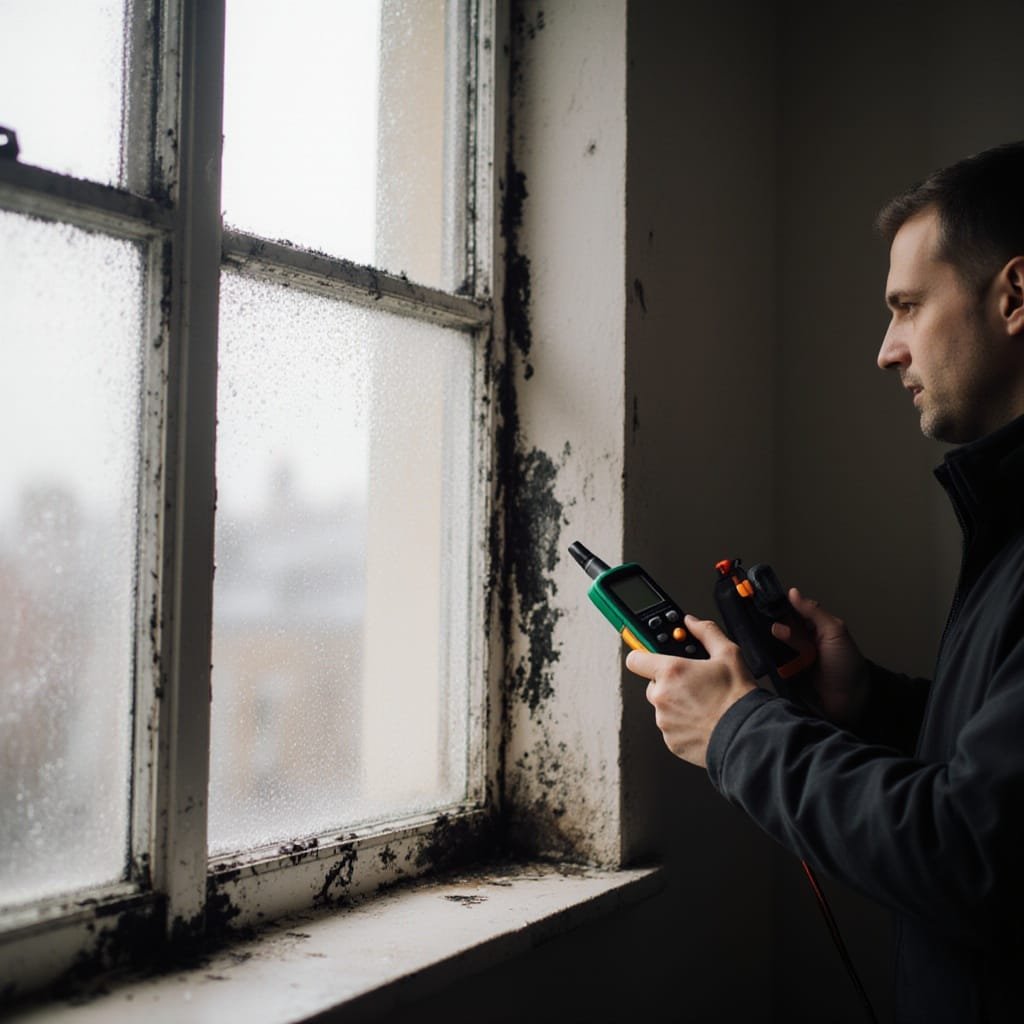
Mould growth around windows and cold surfaces is one of the most common signs of ongoing condensation problems inside residential properties. In many New Malden homes, warm humid air settles on colder areas such as window frames, external walls, ceilings, and poorly insulated corners where moisture repeatedly forms. Over time, this creates the ideal environment for black mould growth, especially in rooms with limited ventilation or high humidity levels.
Condensation usually develops gradually and may initially appear as water droplets forming on windows during colder mornings or after cooking and showering. If the moisture is not properly controlled, mould can begin spreading around silicone seals, window frames, curtain edges, and surrounding plaster surfaces. Bedrooms, bathrooms, kitchens, and living rooms with restricted airflow are particularly vulnerable to these conditions, especially during colder months when windows remain closed for longer periods.
Cold surfaces inside the property are often linked to poor insulation, cold bridging, or limited air circulation around external walls. Furniture placed tightly against walls can also reduce airflow and trap humidity behind wardrobes, sofas, and cupboards, allowing mould to develop unnoticed. In some cases, condensation around windows may also indicate that indoor humidity levels throughout the property are consistently too high.
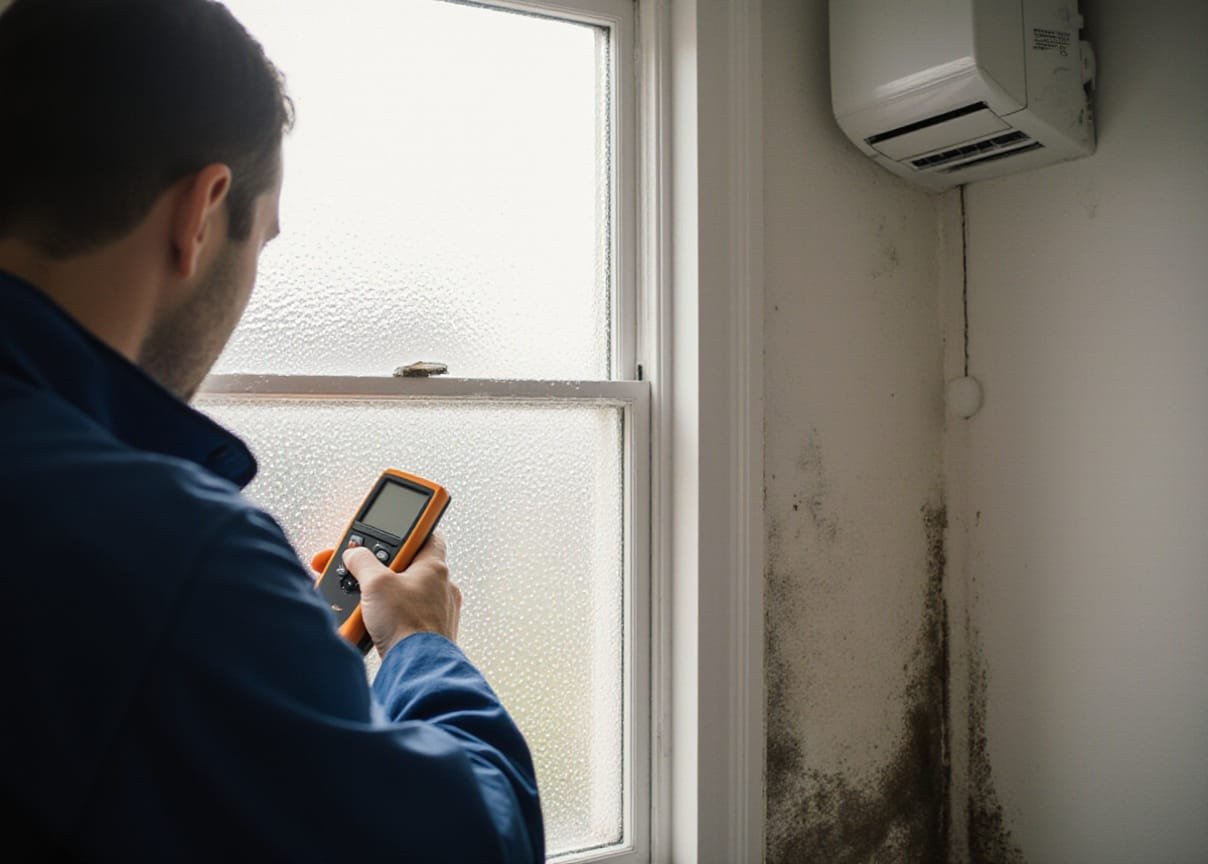
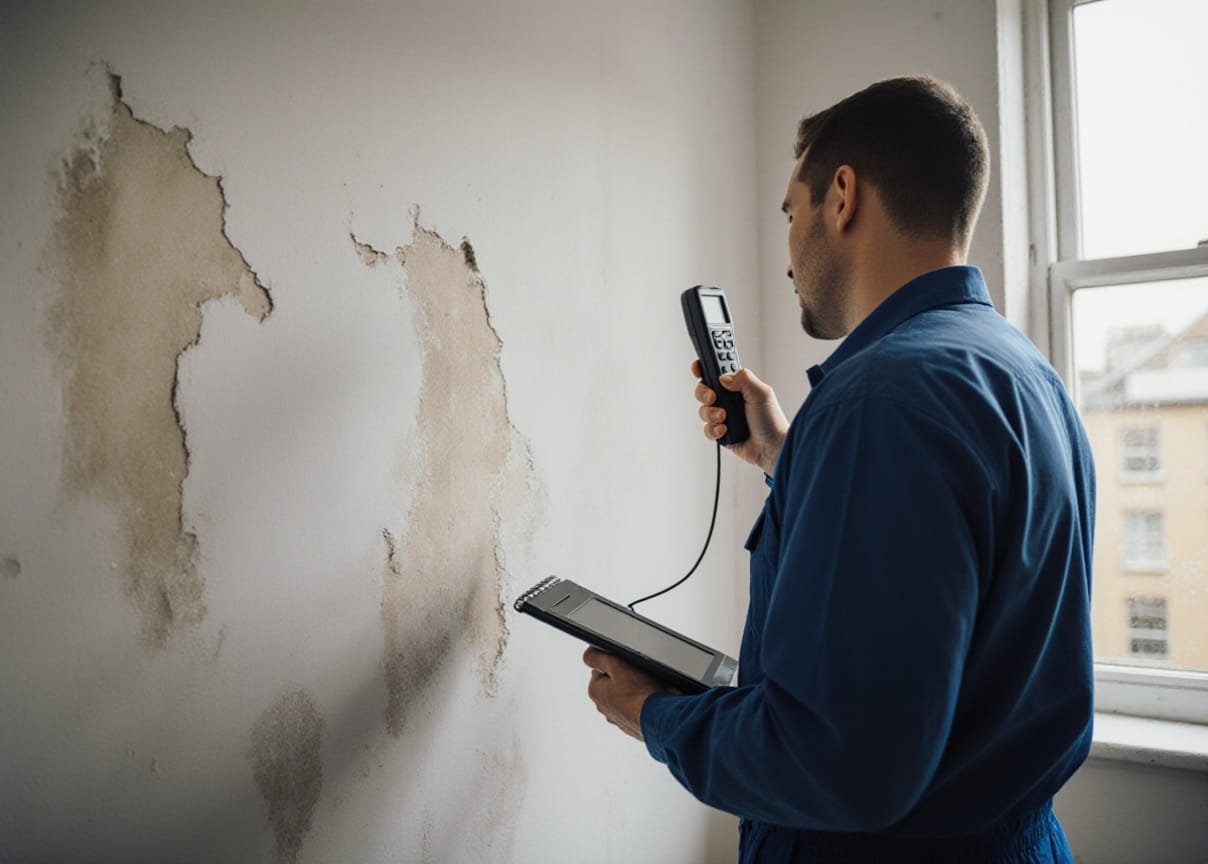
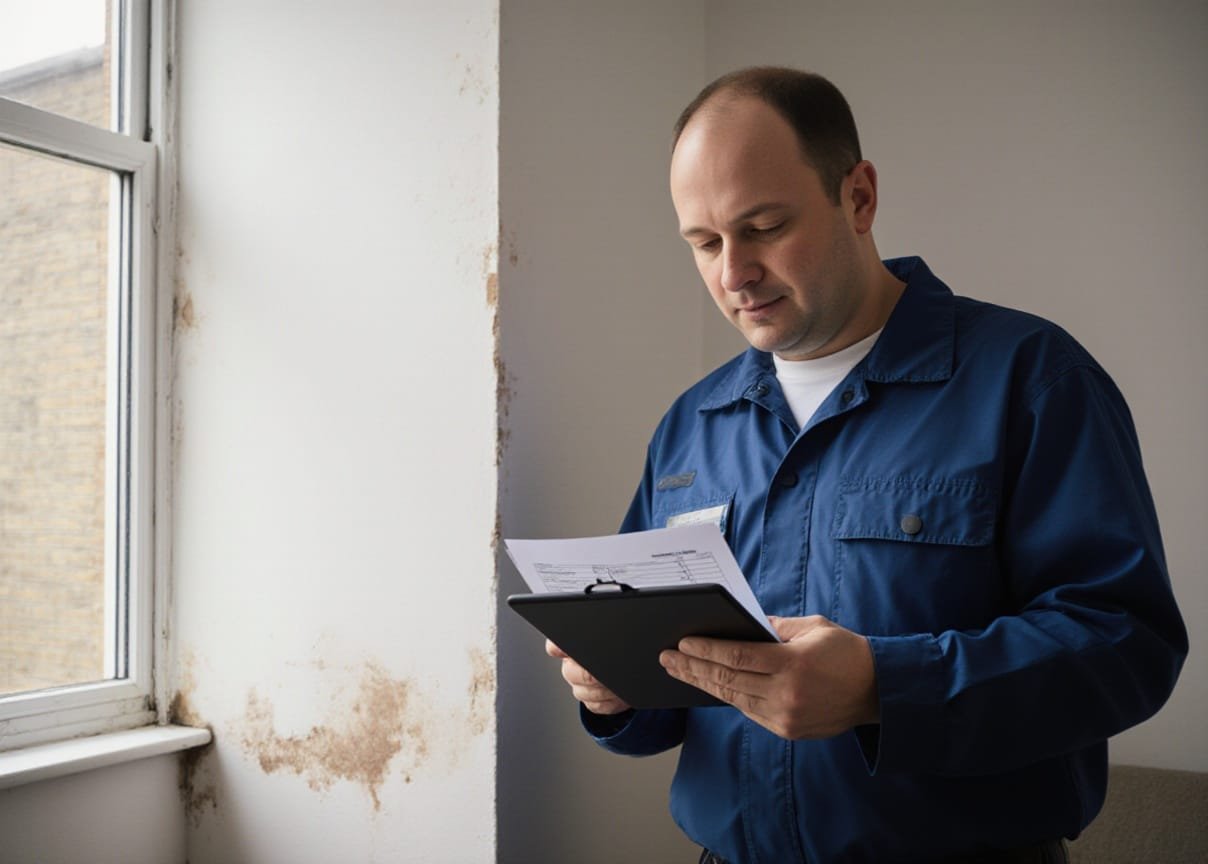
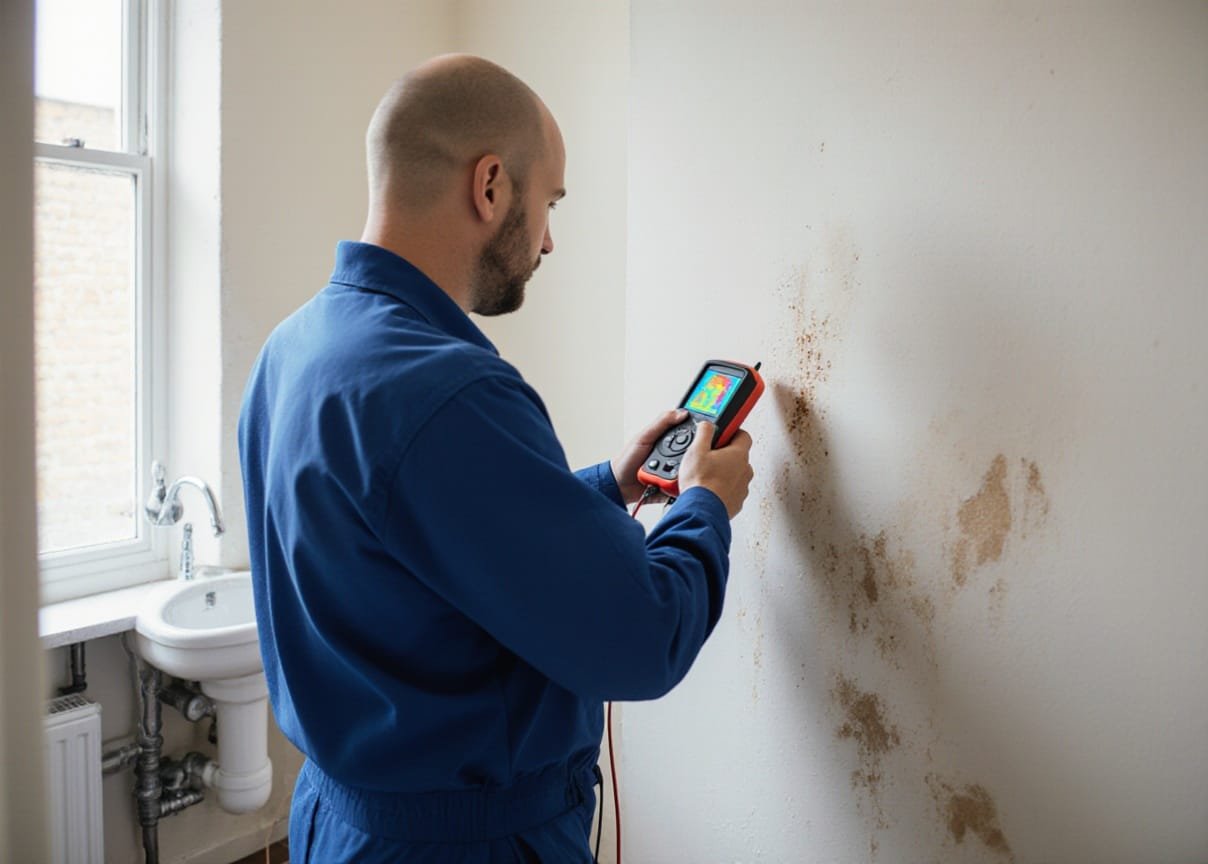
Our professional mould inspections in New Malden focus on identifying the factors contributing to condensation and recurring moisture buildup. We assess ventilation systems, extractor fans, airflow restrictions, insulation weaknesses, and visible signs of damp conditions around colder surfaces. Using professional moisture meters and thermal imaging equipment where required, we can help identify hidden condensation zones and areas vulnerable to ongoing moisture exposure.
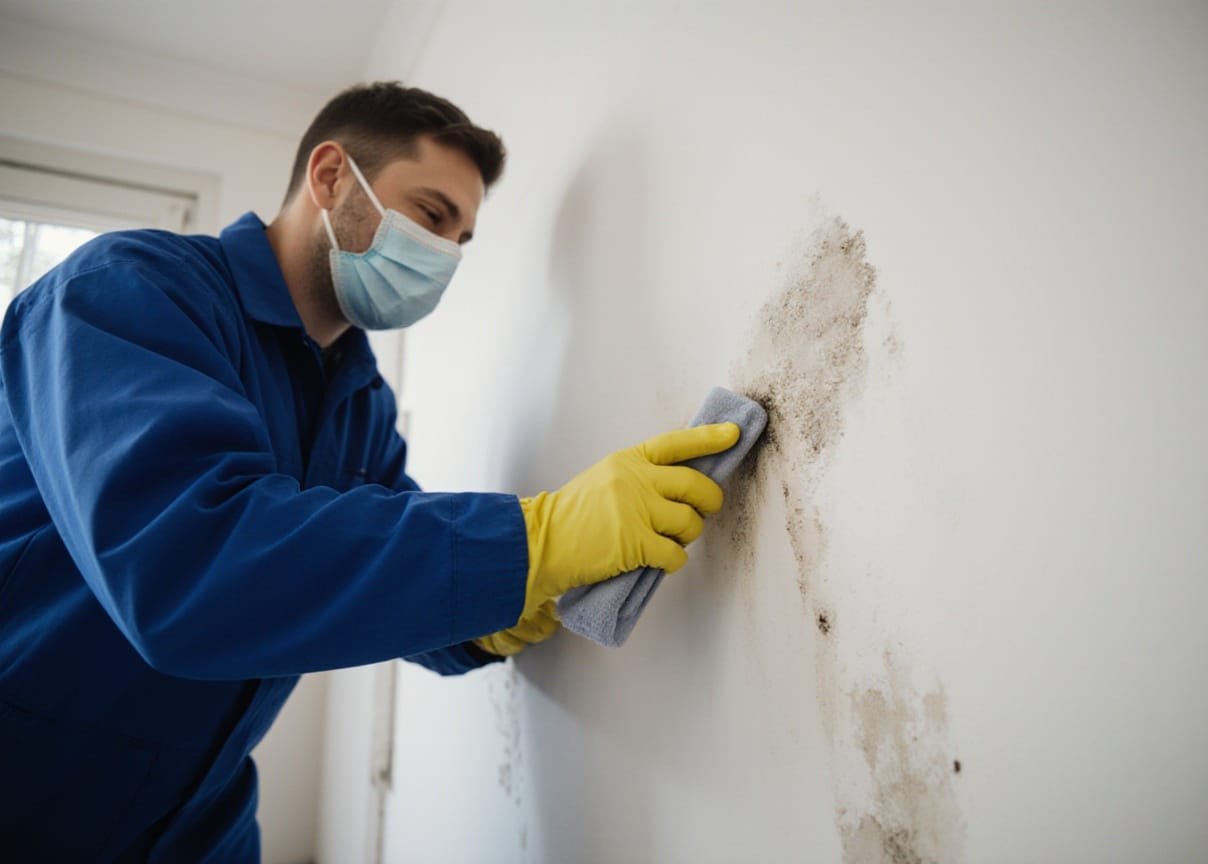
Recurring mould problems are rarely solved permanently by cleaning alone if the source of the condensation remains unchanged. Ongoing moisture exposure can eventually damage plaster, paintwork, window surrounds, and decorative finishes while also creating unpleasant indoor conditions. A professional condensation assessment helps determine why mould is developing and what practical steps may help reduce humidity levels, improve airflow, and prevent future moisture problems within the property.

Local Experts
Handling Damp Properly

Detailed Checks
Finding the Real Cause

Proven Results
That Actually Last

Long-Term Fixes
Not Just Quick Cleans

Many property owners in New Malden notice mould returning around windows even after the affected areas have been cleaned or repainted. This usually happens because the underlying condensation problem has not been resolved. Moisture naturally builds up inside homes through everyday activities such as showering, cooking, drying clothes indoors, and even normal breathing. When humid air cannot escape properly, it settles on the coldest surfaces inside the property, especially windows and external walls.
Modern homes with improved insulation and tightly sealed windows may actually experience higher indoor humidity if ventilation is insufficient. Without proper airflow, moisture becomes trapped indoors and repeatedly condenses on colder surfaces. This is particularly common in bedrooms overnight when windows remain closed and warm air meets cold glass surfaces. Bathrooms and kitchens can also produce significant amounts of humidity within short periods, increasing the likelihood of recurring window mould and damp patches.
Cold bridging is another common issue affecting properties with recurring condensation problems. Areas where insulation is weaker or where structural elements transfer cold temperatures from outside to inside can create permanently cooler surfaces that attract moisture more easily. Over time, these damp areas allow black mould to develop around corners, ceilings, window reveals, and external walls.
Our professional condensation and mould inspections in New Malden help identify why moisture is consistently forming around windows and colder surfaces. We assess humidity levels, ventilation performance, airflow restrictions, and insulation-related issues contributing to the problem. In some cases, simple improvements to ventilation and moisture control can significantly reduce condensation levels throughout the property.
Persistent mould around windows should never be ignored because long-term moisture exposure can gradually damage decorative finishes, plasterwork, timber surrounds, and indoor air quality. A professional moisture assessment provides clearer insight into the source of the issue and helps determine the most effective long-term solution for reducing condensation and preventing mould from returning again.
Postcode coverage: KT3
Other locations we cover nearby: New Malden