Bathroom & Kitchen Moisture Problems
Damp problems inside properties can often remain hidden until visible damage starts appearing on walls, ceilings, or flooring. Our investigations in Abbey Wood are designed to identify the source of excess moisture and determine whether the issue is linked to condensation, leaks, rising damp, or water ingress. We use professional equipment to assess moisture levels and inspect areas where damp conditions may be developing behind surfaces or inside structural materials. Early diagnosis can help prevent long-term damage, mould growth, and repeated repair costs.
Many moisture problems become worse over time when the underlying cause is not properly identified. Our assessments help property owners in Abbey Wood understand what is causing the damp issue and which areas of the property are being affected. We provide clear findings and practical recommendations based on the condition of the property and the type of moisture problem detected.
Postcode coverage: SE2
Other locations we cover nearby: Abbey Wood

Damp problems can affect properties in many different ways, ranging from small patches of discolouration to more serious moisture damage hidden inside walls, ceilings, and flooring. In many Abbey Wood homes, the visible signs of damp are only part of the issue, while the actual source of the moisture remains unnoticed for long periods. This is why professional damp investigations are important when mould growth, peeling paint, musty smells, or recurring moisture problems continue returning despite previous repairs or cleaning attempts.
Our inspections are designed to identify exactly where the moisture is coming from and how it is spreading through the property. We investigate common causes such as condensation buildup, hidden plumbing leaks, defective ventilation, penetrating damp, and external water ingress. In some cases, moisture problems may also be linked to damaged guttering, cracked render, roof defects, or poorly insulated cold surfaces that allow condensation to form regularly indoors.
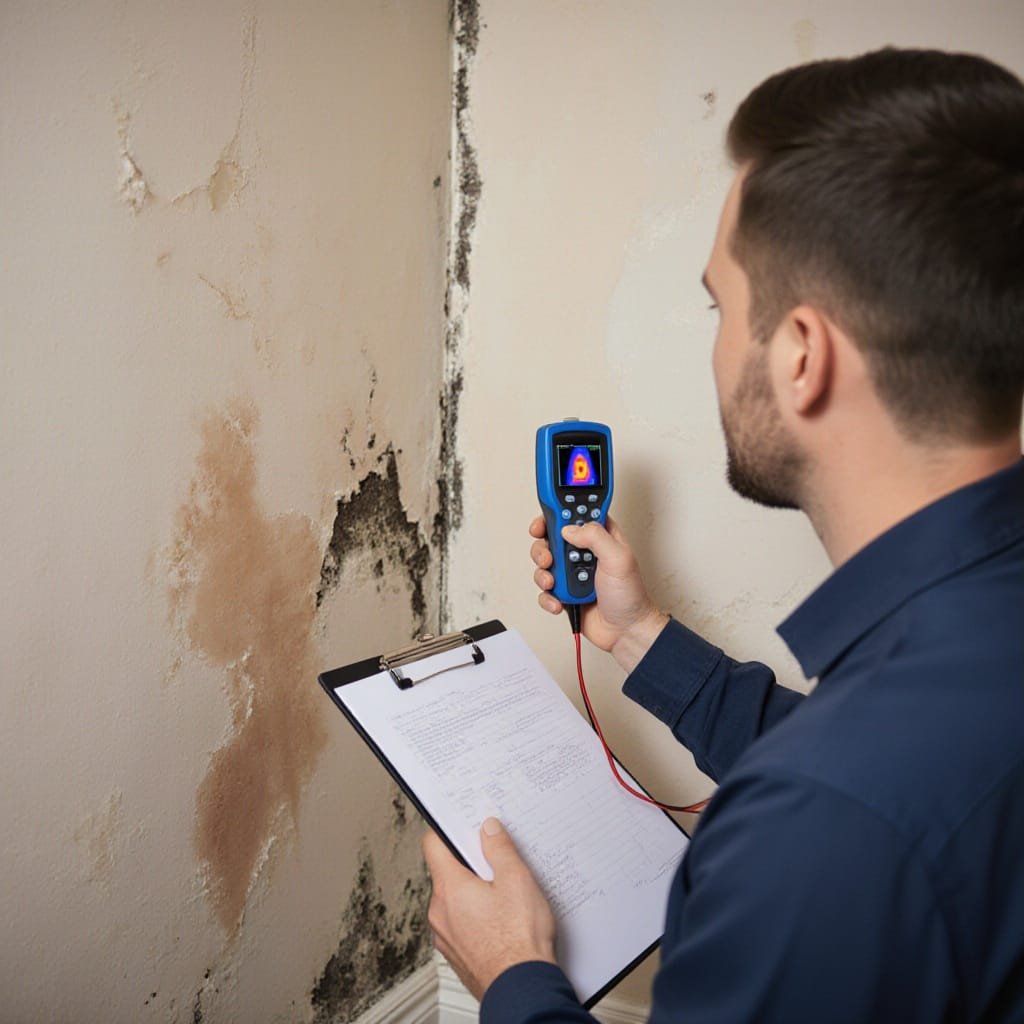
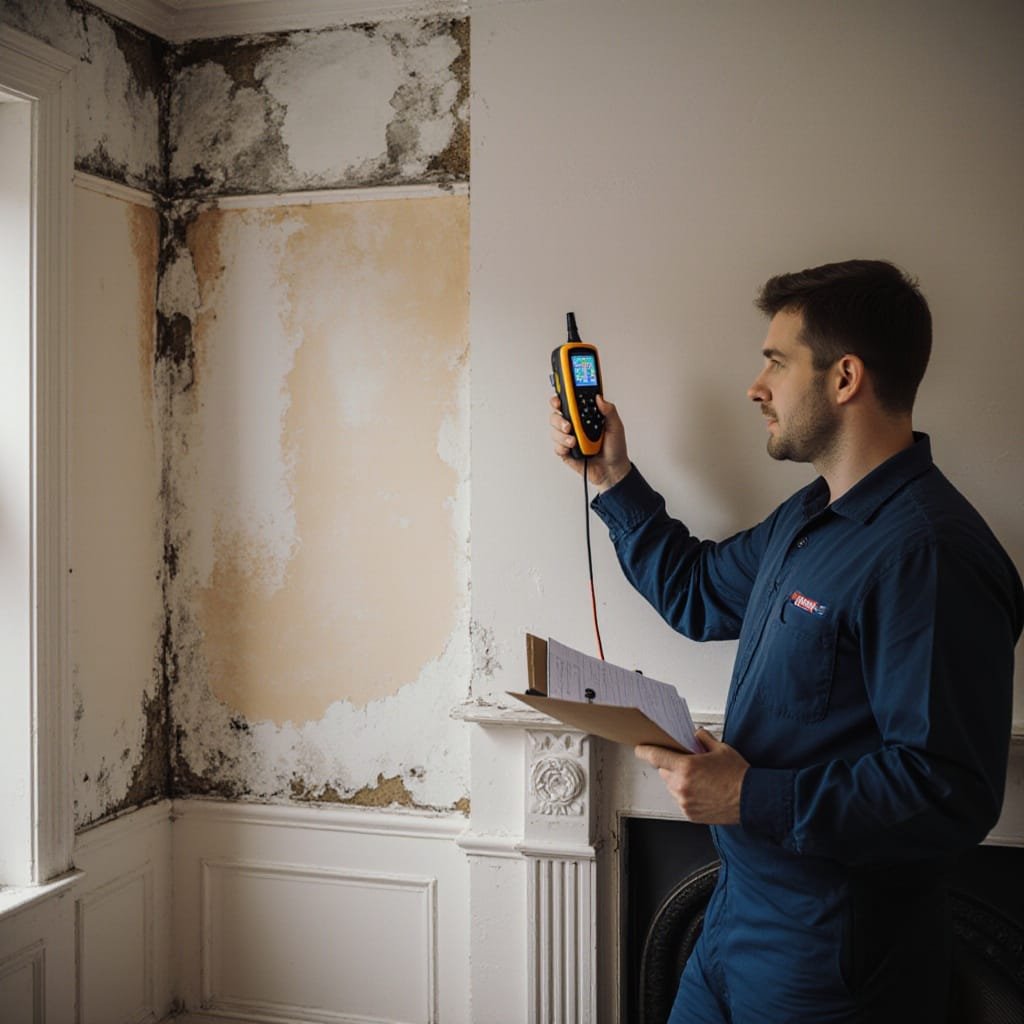
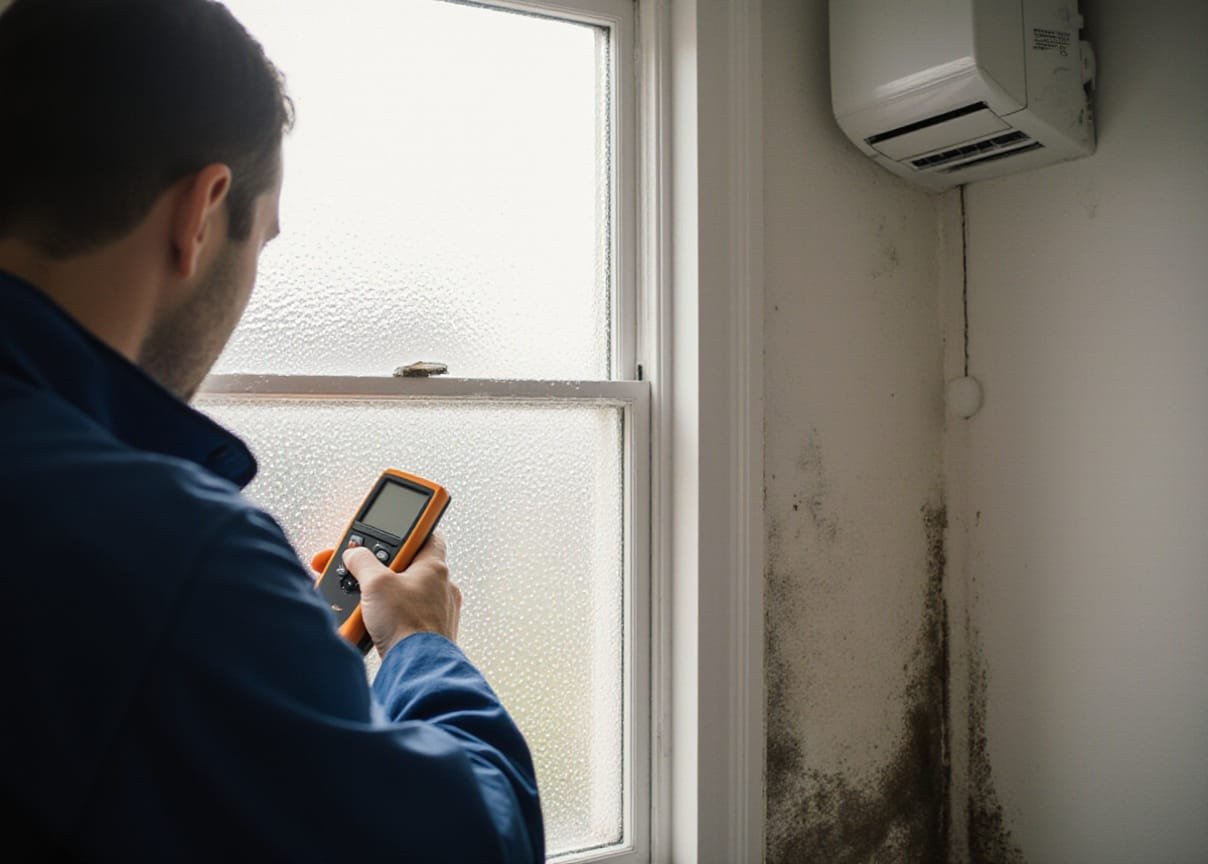
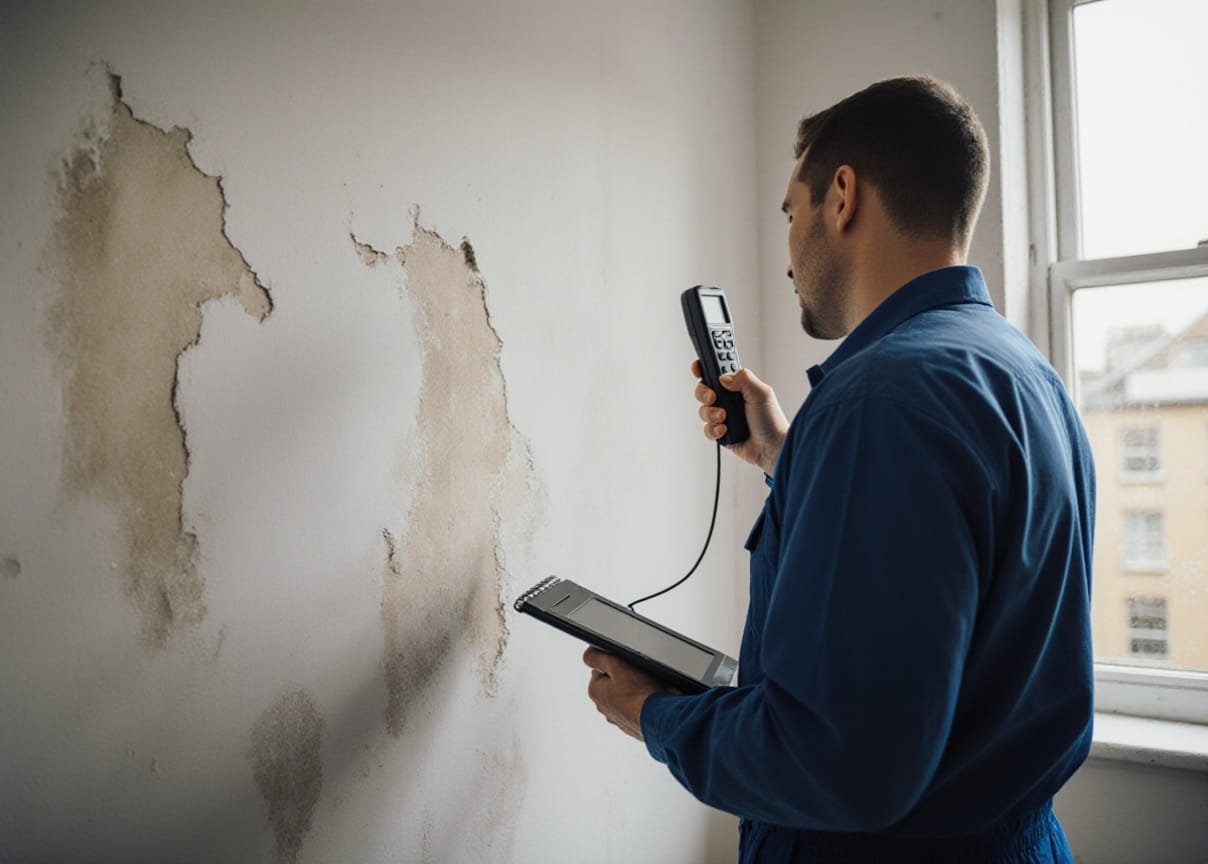
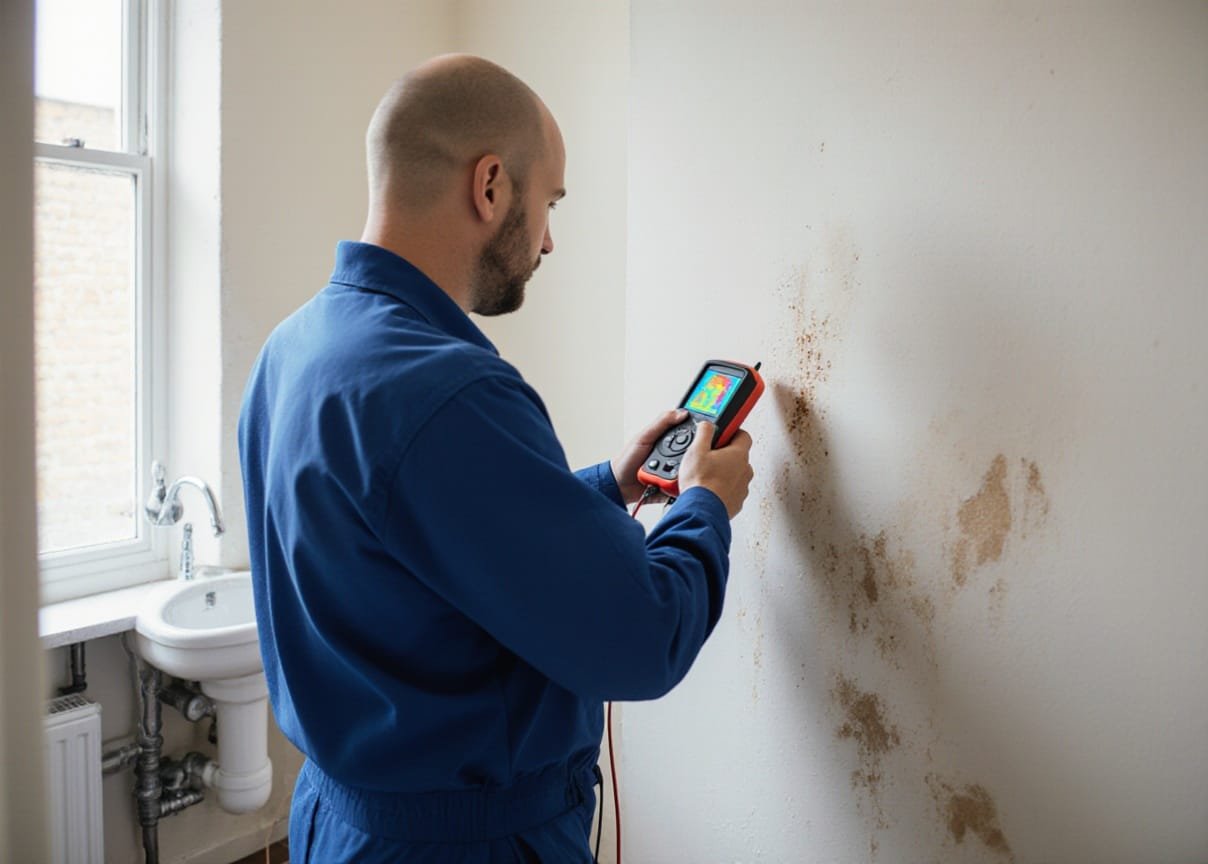
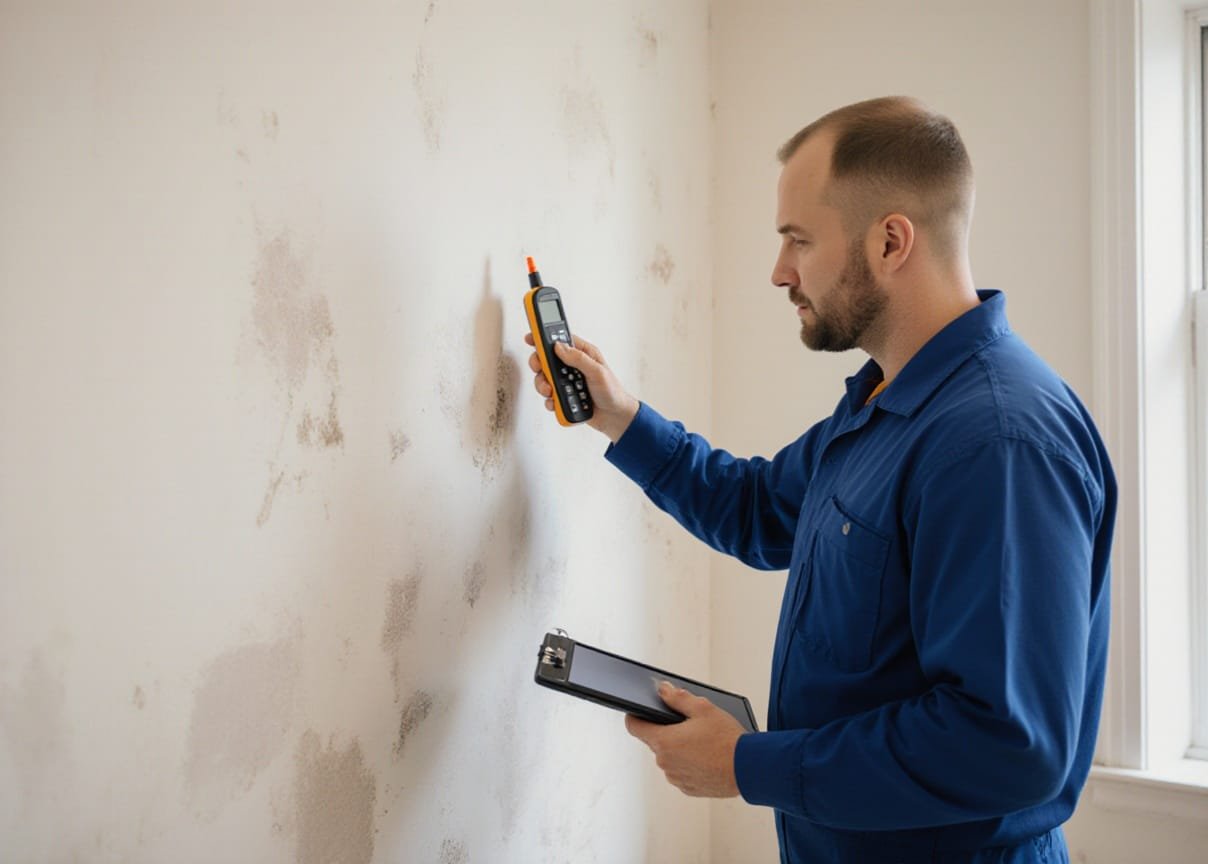
Using professional moisture meters and thermal imaging equipment, we can often detect hidden damp areas without unnecessary damage to walls or floors. These inspections help reveal trapped moisture behind tiles, beneath flooring, inside plasterwork, or around concealed pipework where leaks may not yet be visible. Thermal imaging can also identify colder surfaces and airflow problems that contribute to long-term condensation issues inside the property.
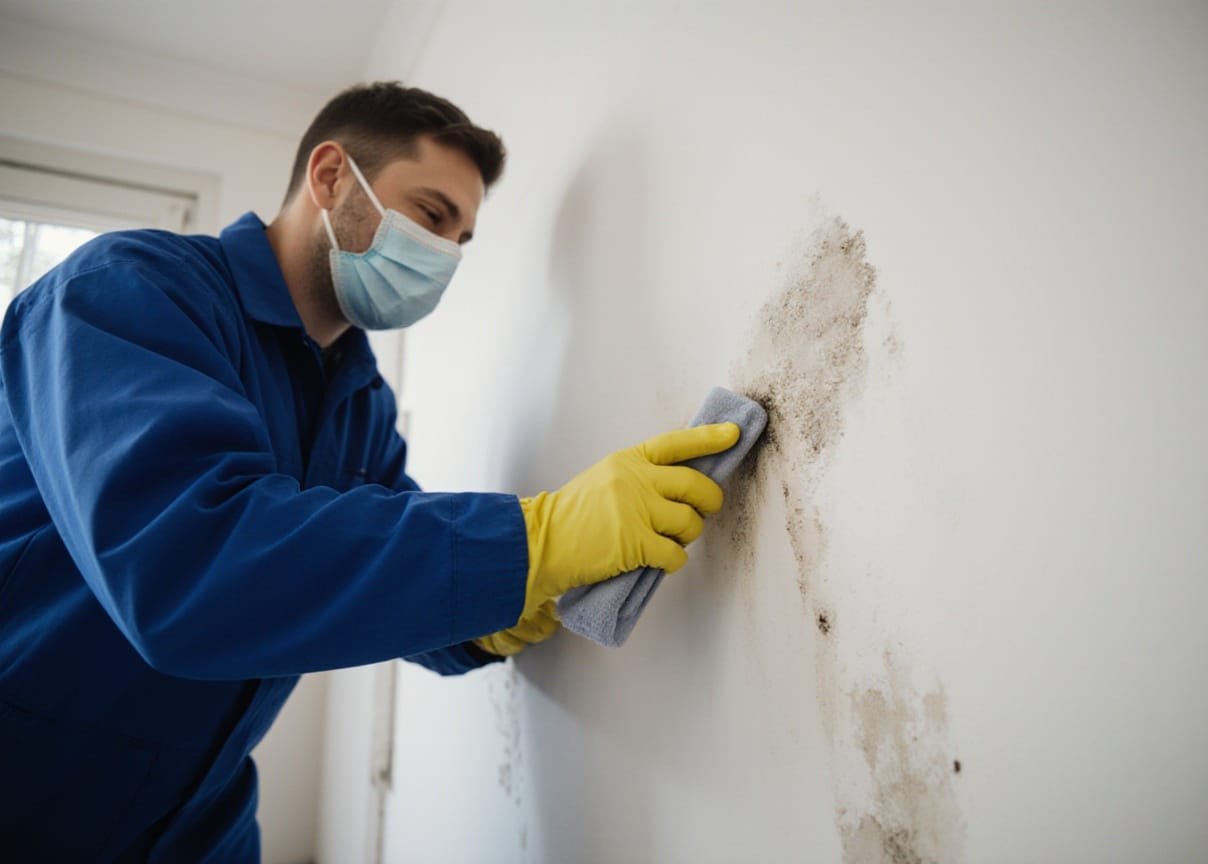
Many damp problems in Abbey Wood properties worsen gradually over time. Areas affected by ongoing moisture exposure may develop mould growth, damaged plaster, swollen woodwork, deteriorating paint finishes, and unpleasant damp odours. In rental properties, unresolved moisture issues can also create ongoing maintenance concerns for landlords and tenants alike.
A proper moisture diagnosis helps ensure the correct solution is recommended from the beginning. Rather than simply covering visible symptoms, our investigations focus on understanding the root cause of the damp problem so effective repairs and preventative measures can be carried out more confidently.

Local Experts
Handling Damp Properly

Detailed Checks
Finding the Real Cause

Proven Results
That Actually Last

Long-Term Fixes
Not Just Quick Cleans

Many damp issues inside Abbey Wood properties are caused by a combination of moisture buildup, poor ventilation, hidden leaks, and external water penetration. While some problems appear suddenly after heavy rainfall or plumbing failures, others develop slowly over months or even years. Early warning signs are often ignored because they initially appear minor, such as small discoloured patches, condensation around windows, or slight peeling paint. However, these symptoms frequently indicate larger underlying moisture problems that continue spreading behind surfaces.
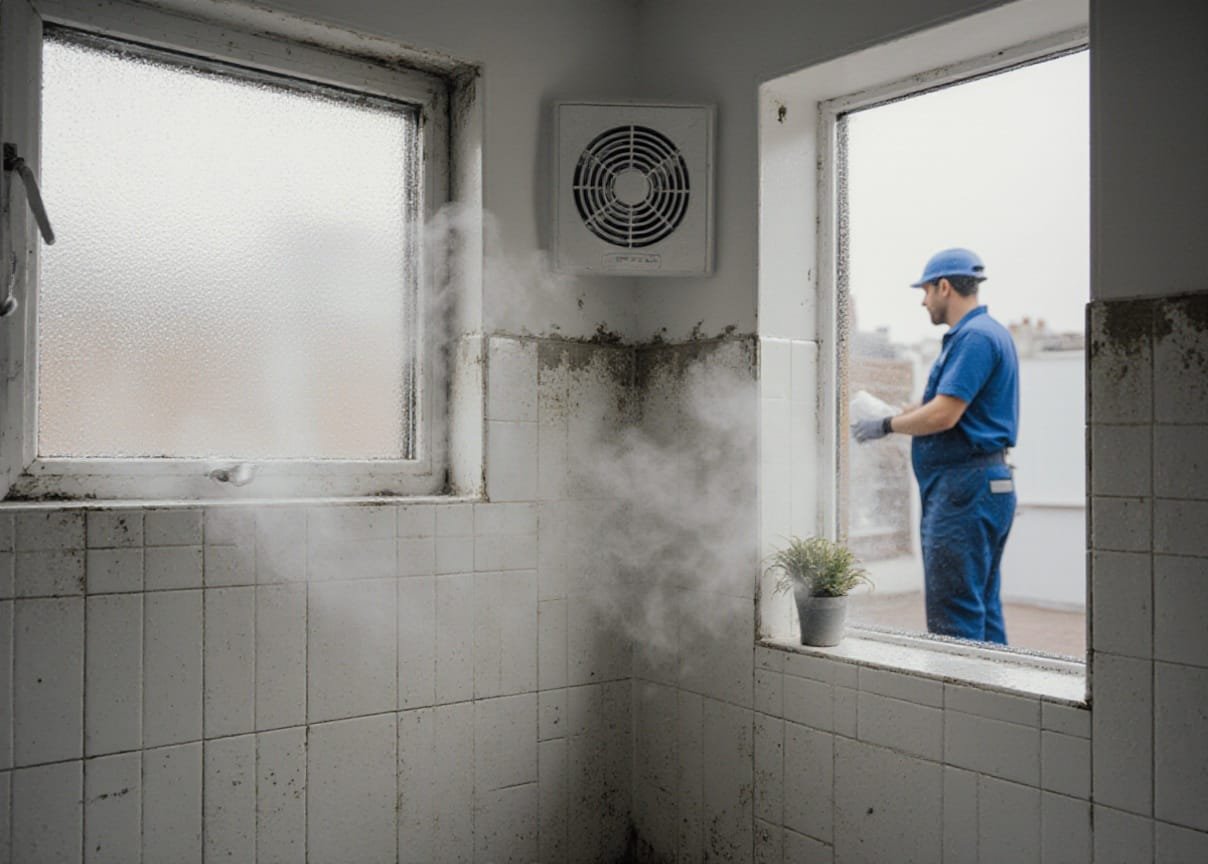
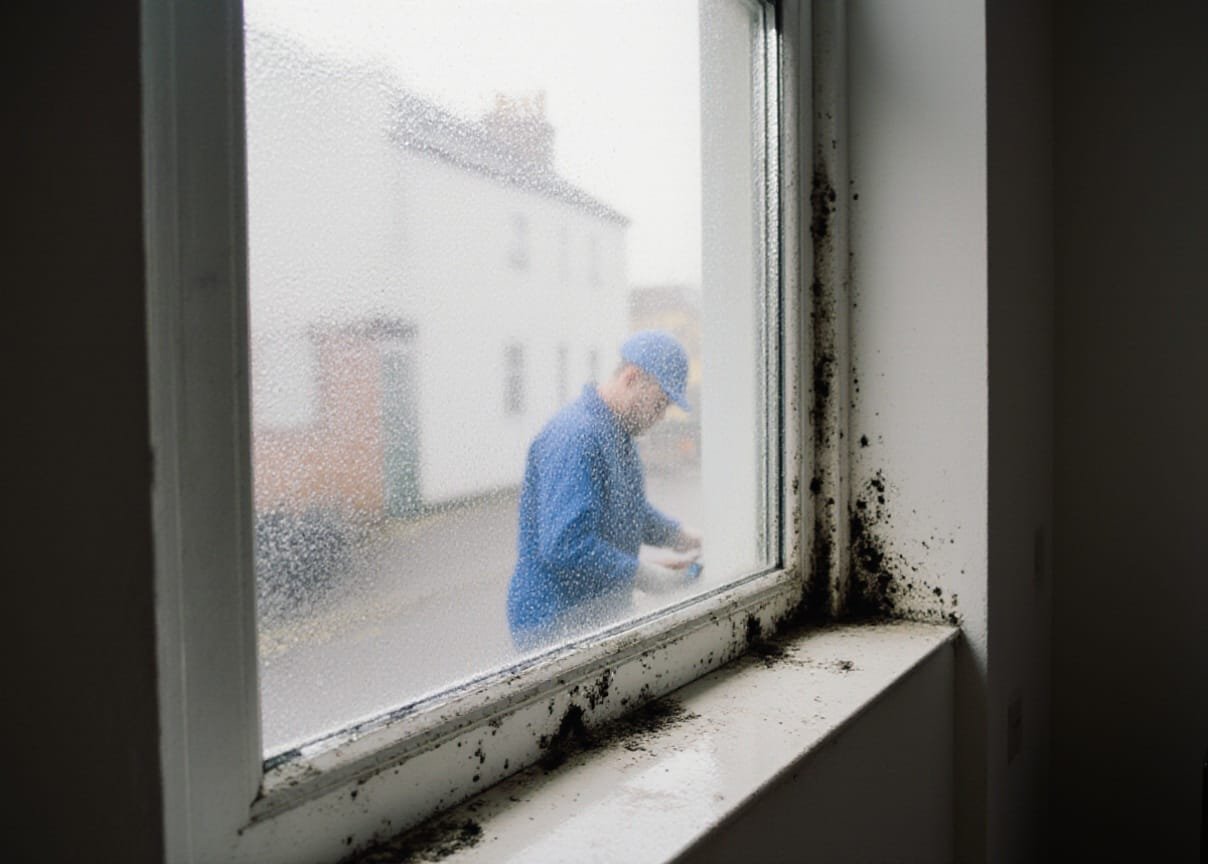
One of the most common causes of indoor damp is condensation buildup. Warm humid air produced by cooking, showering, and everyday living activities settles on colder surfaces where water droplets begin forming repeatedly. Over time, this creates ideal conditions for black mould growth, especially around external walls, ceilings, window frames, and poorly ventilated rooms. Bathrooms, kitchens, and bedrooms with limited airflow are particularly vulnerable to long-term condensation damage.
Hidden plumbing leaks are another major source of internal moisture. Small leaks beneath sinks, behind appliances, inside wall cavities, or beneath flooring may remain undetected for long periods while slowly saturating surrounding materials. In many cases, homeowners only notice the problem once visible damp staining, mould, or warped surfaces begin appearing. Professional leak detection and moisture diagnosis help identify these concealed issues before structural damage becomes more severe.
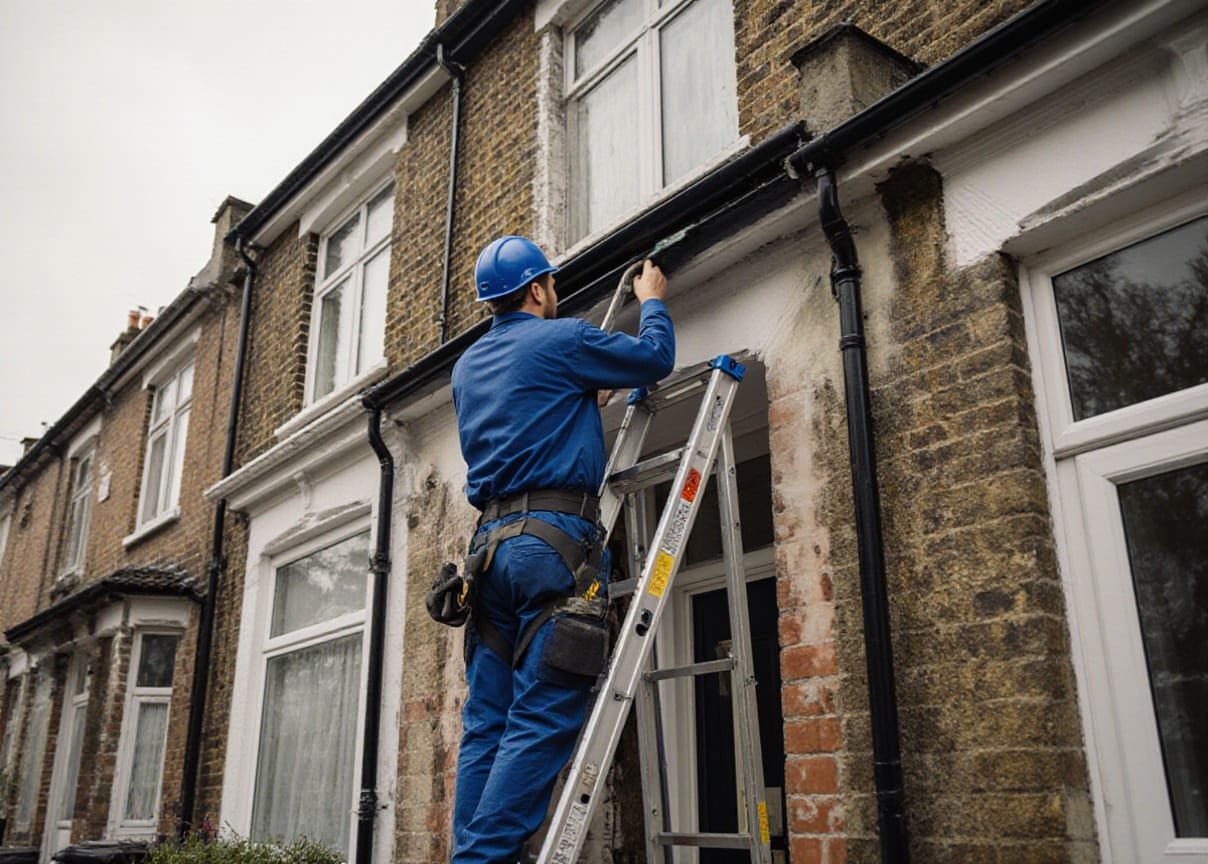
External defects can also allow water to penetrate into the building structure. Damaged pointing, cracked render, defective roofing, overflowing gutters, blocked drainage systems, and poorly sealed windows are all common causes of penetrating damp. During periods of heavy rain, water may gradually enter external walls and create internal damp patches that continue worsening over time. Properties exposed to strong weather conditions or older buildings with ageing materials are often more susceptible to this type of moisture intrusion.
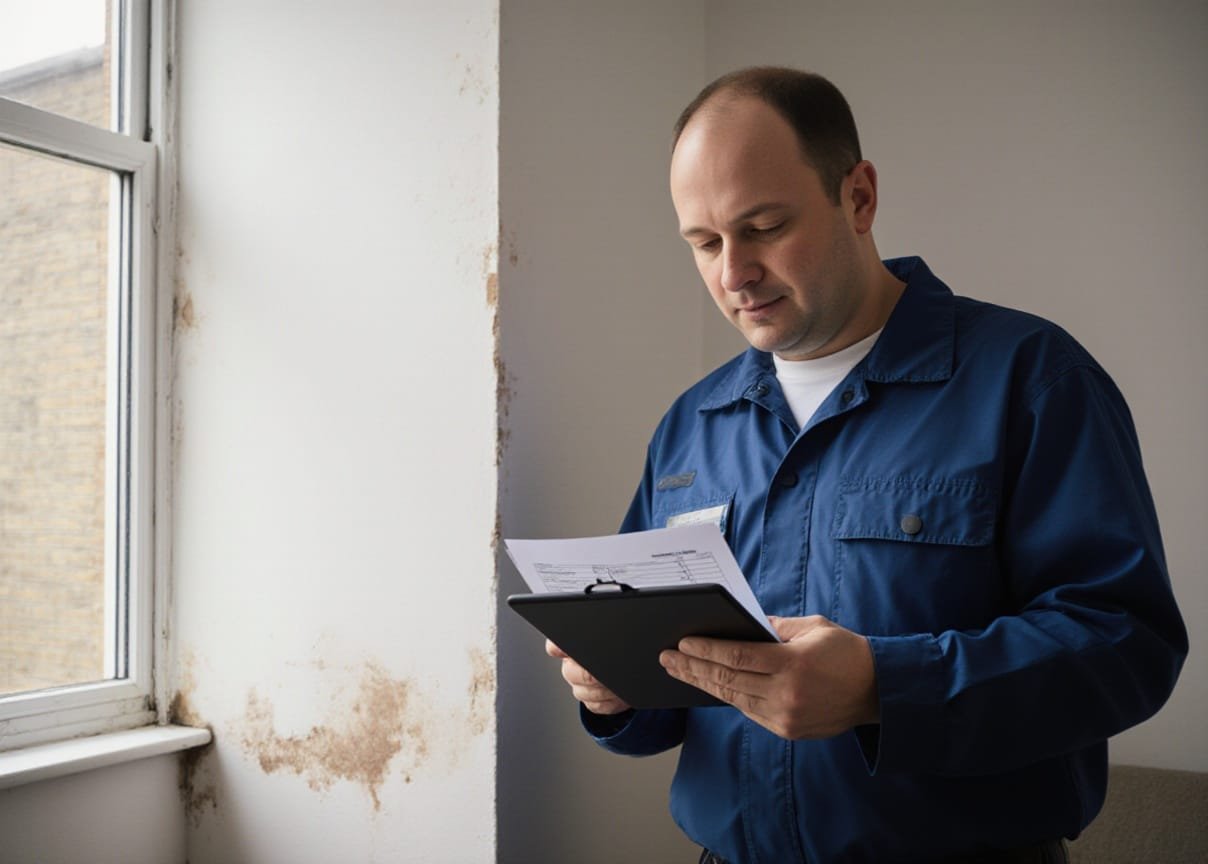
Our professional damp investigations in Abbey Wood focus on identifying how moisture is entering or developing inside the property. Using thermal imaging cameras, moisture meters, and detailed visual inspections, we assess affected areas and look for hidden damp conditions that may not yet be visible on the surface. This allows us to provide more accurate recommendations based on the actual cause of the problem rather than guessing or applying temporary cosmetic repairs.
Ignoring long-term damp issues can eventually lead to damaged plaster, weakened timber, deteriorating decoration, mould contamination, and unhealthy indoor conditions. A proper moisture assessment helps property owners understand the severity of the issue and what corrective measures are needed to prevent the problem from returning in the future.