Bathroom & Kitchen Moisture Problems
Condensation problems in Dulwich properties are commonly caused by poor ventilation, high indoor humidity, and limited airflow around colder surfaces. Our assessments help identify why moisture is building up inside the property and whether the issue is linked to ventilation failures, insulation problems, or everyday living conditions. We carry out detailed inspections to locate areas where condensation forms regularly and provide practical recommendations to improve airflow, reduce moisture buildup, and prevent recurring mould growth.

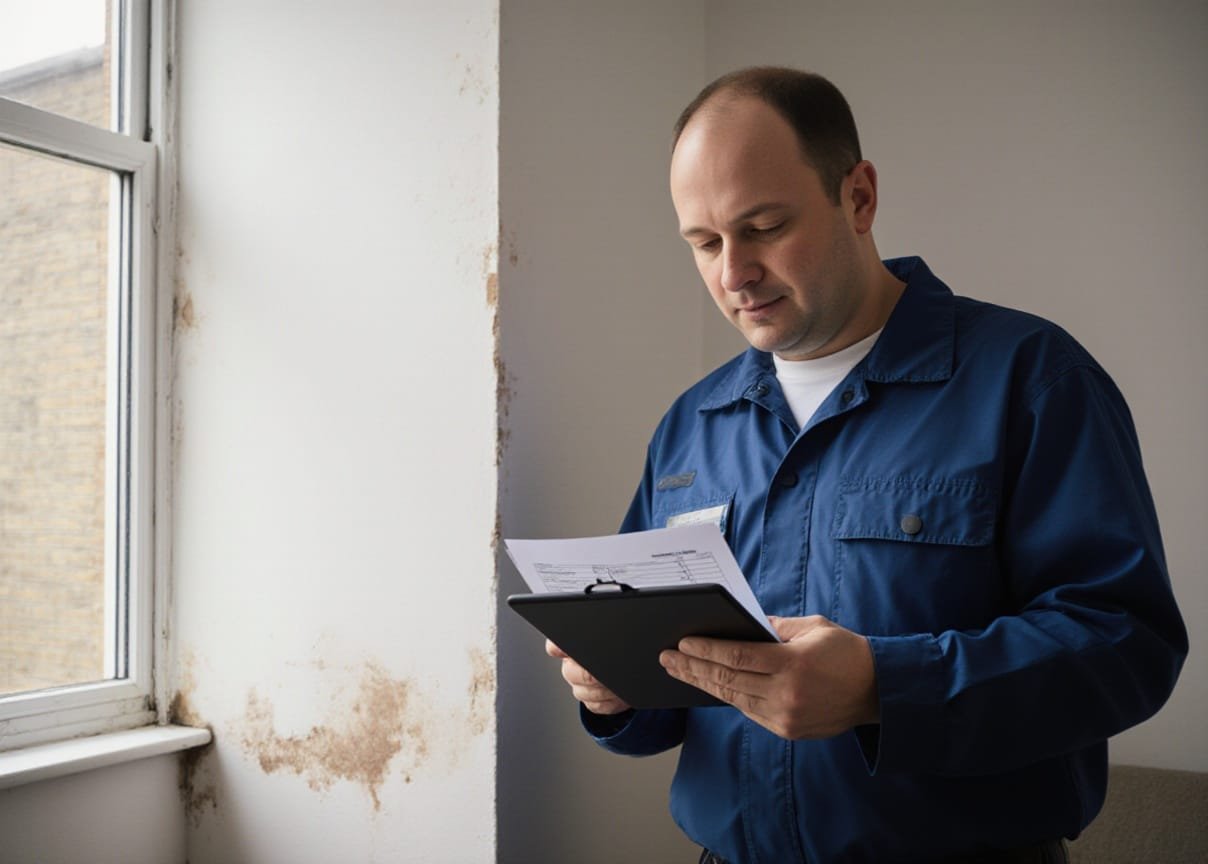
Condensation is one of the most common causes of damp and mould problems inside residential properties. In many Dulwich homes, excess moisture builds up gradually due to everyday activities such as showering, cooking, drying clothes indoors, and limited natural ventilation. When humid air cannot escape properly, water vapour settles on colder surfaces including windows, ceilings, external walls, and tiled areas. Over time, this repeated moisture buildup can lead to mould growth, peeling paint, damp smells, and visible water staining.
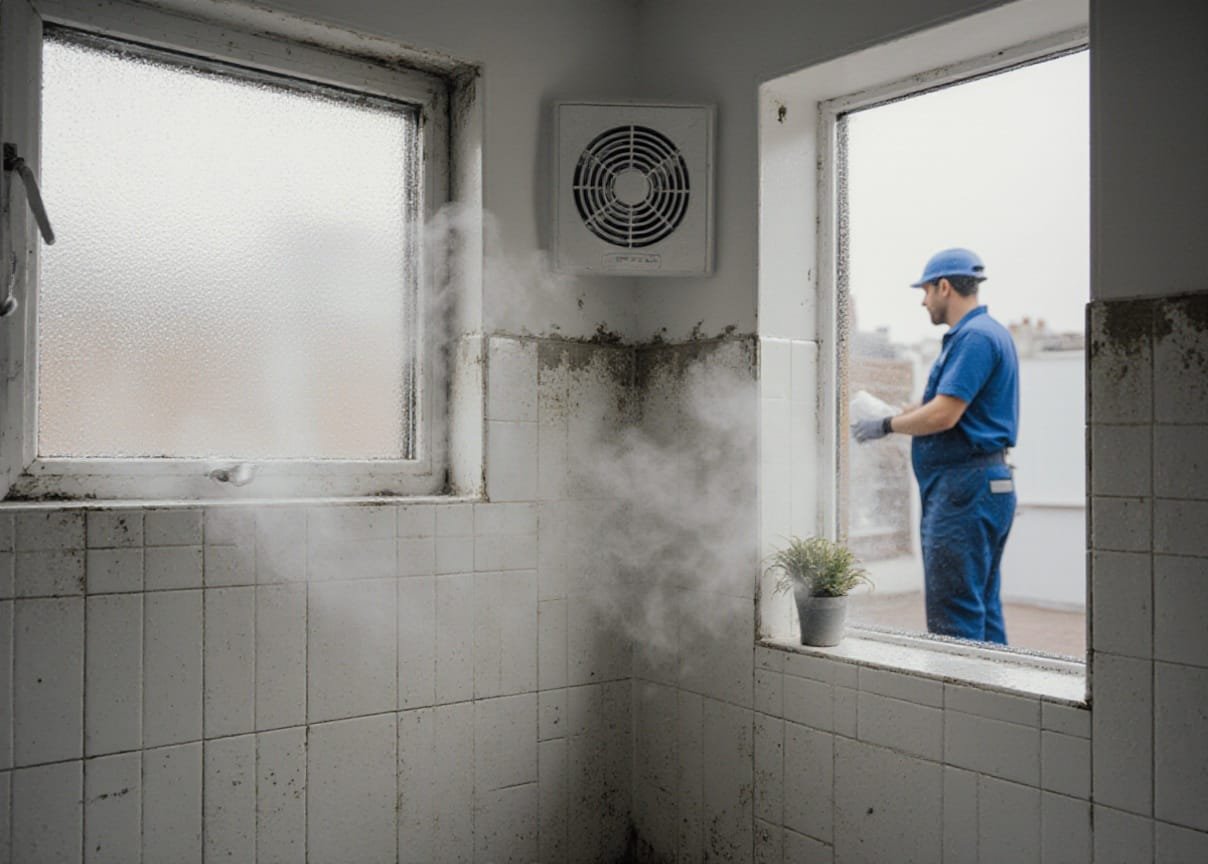
Poor ventilation is often the main reason condensation continues returning even after cleaning or redecorating. Bathrooms with weak extractor fans, kitchens without proper airflow, blocked vents, or rooms where windows are rarely opened can quickly trap humidity inside the property. Flats and modern insulated homes are especially prone to condensation problems because warm air remains sealed indoors for longer periods. In some cases, furniture placement against external walls can also reduce airflow and increase moisture buildup behind wardrobes, cupboards, or beds.
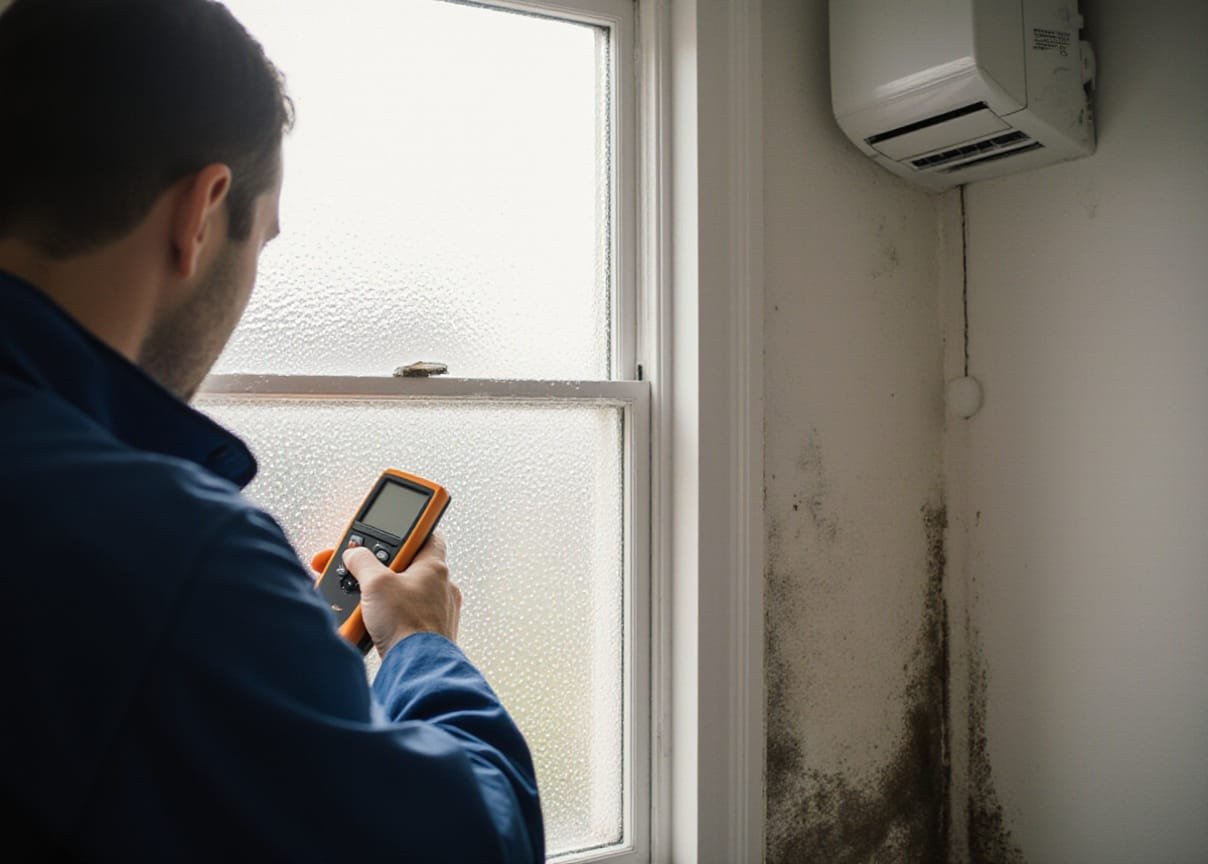
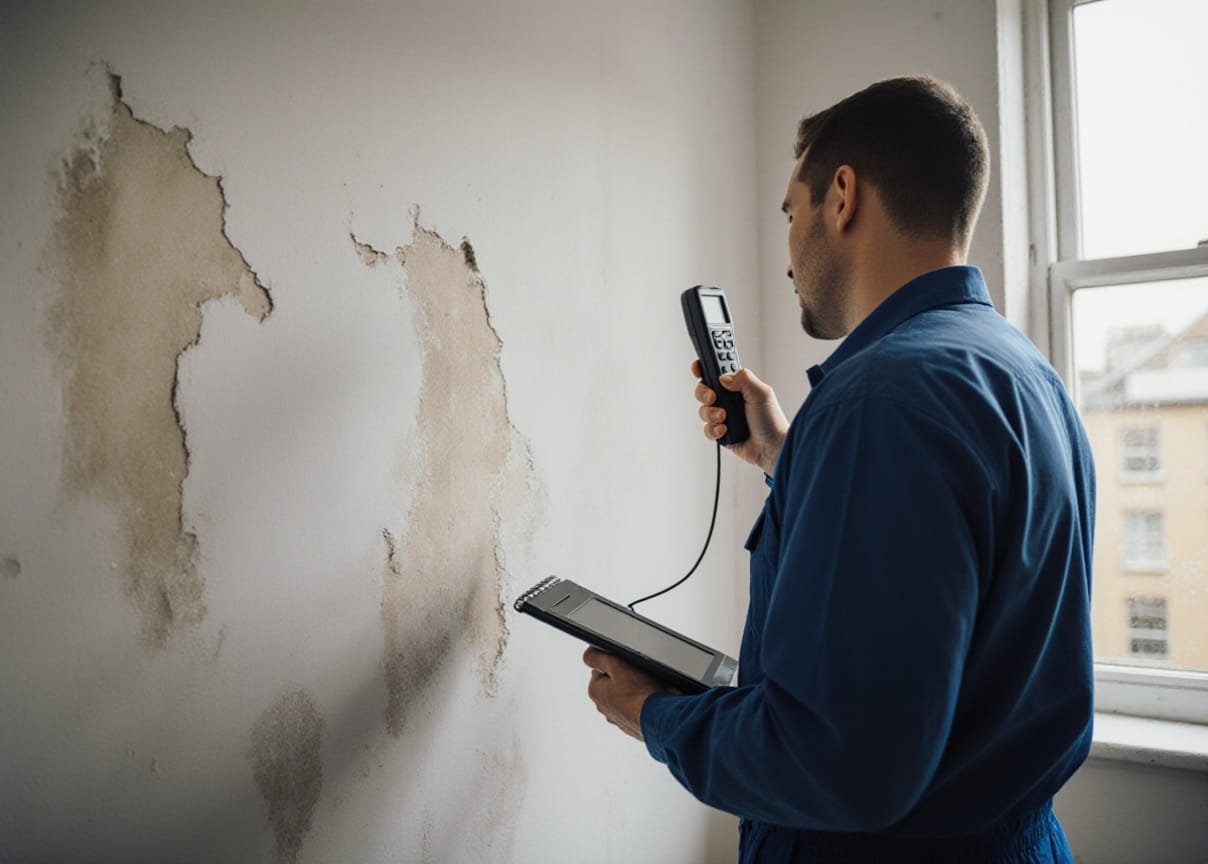
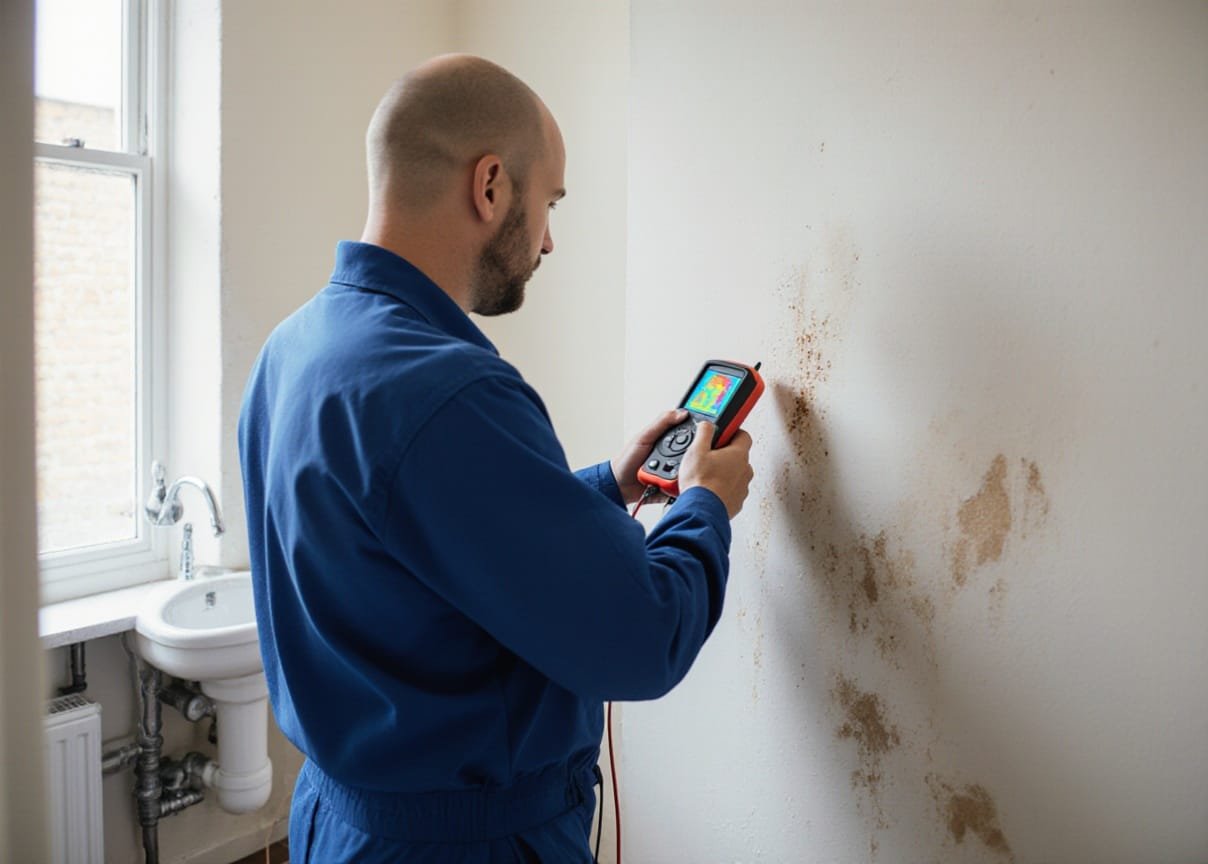
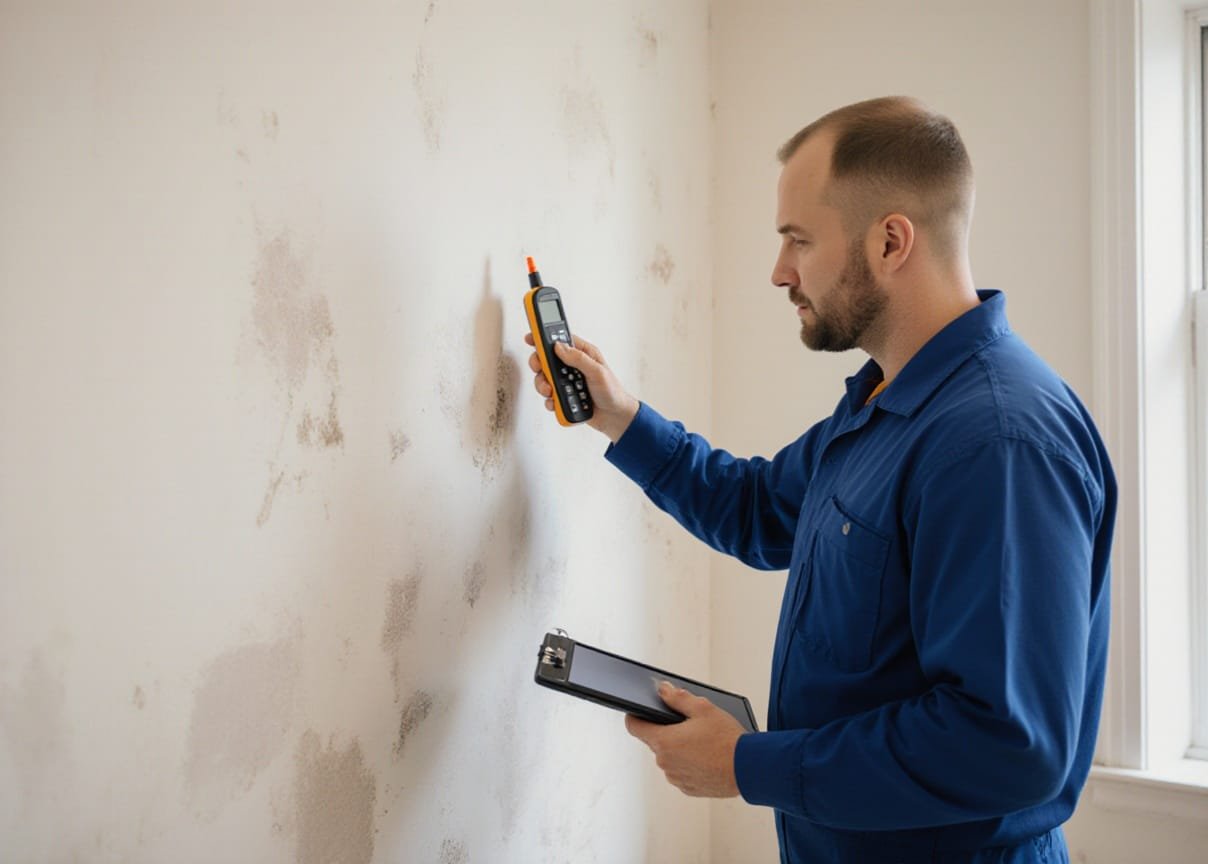
Our condensation and ventilation assessments in Dulwich are designed to identify the exact conditions causing excess humidity inside the property. We inspect extractor systems, airflow routes, window ventilation, insulation weaknesses, cold bridging areas, and visible signs of moisture accumulation. Professional moisture meters and thermal imaging equipment may also be used to detect hidden condensation zones and cold surfaces where damp problems regularly develop.
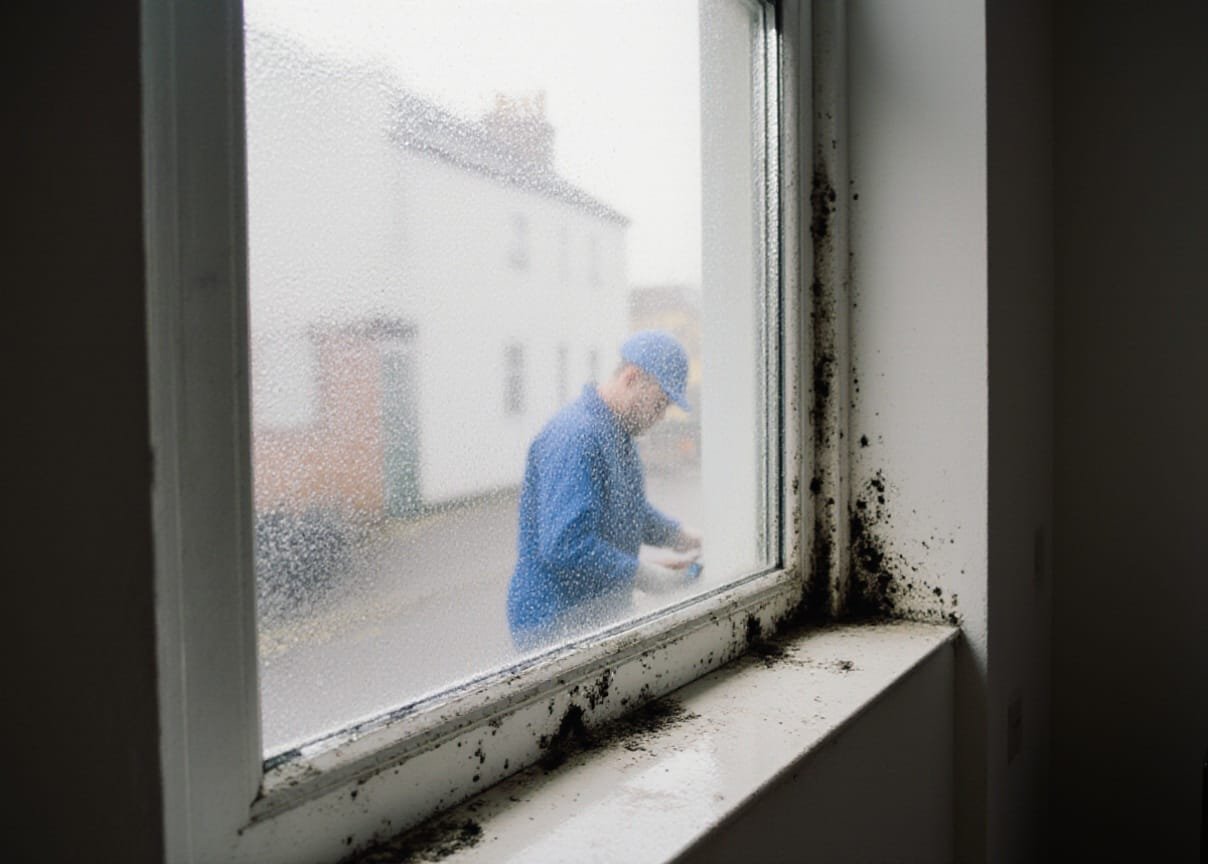
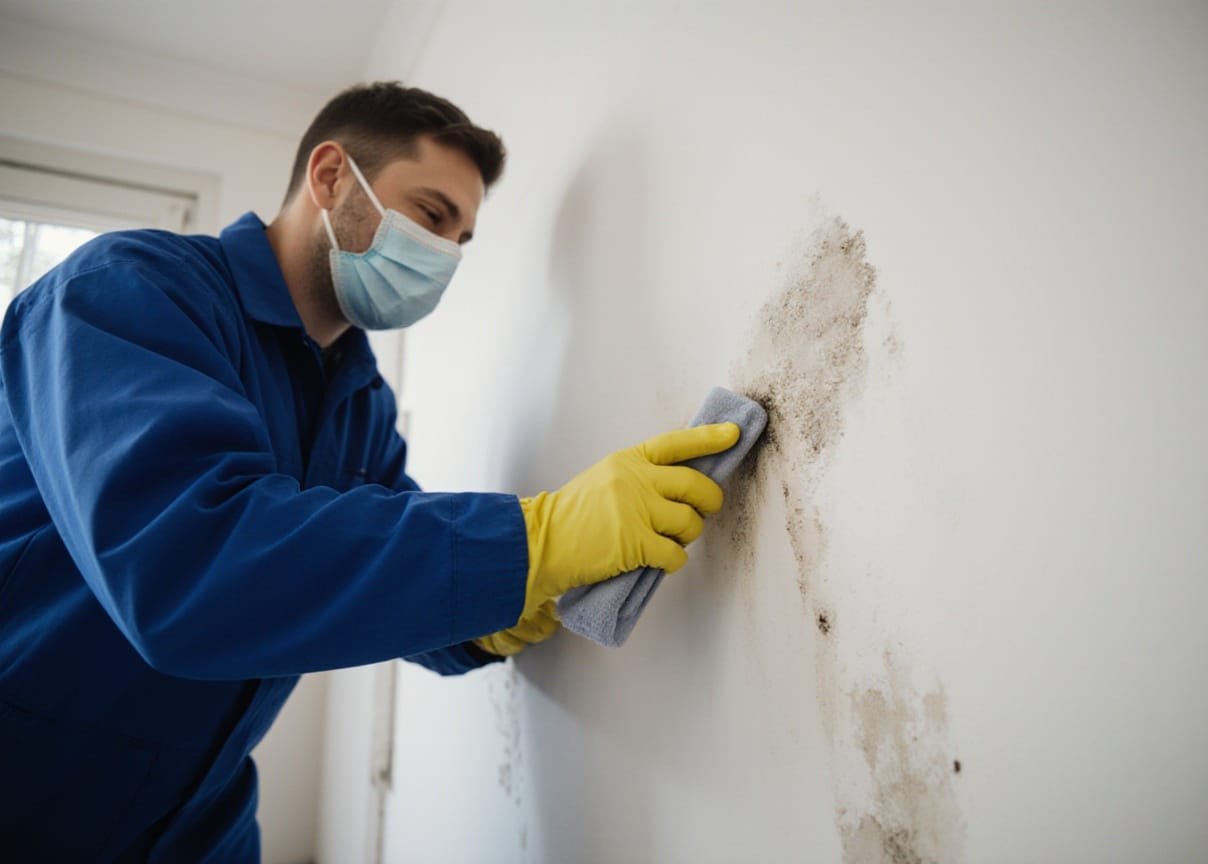
Many property owners assume mould is always caused by a leak, but condensation-related mould growth is extremely common in bathrooms, kitchens, bedrooms, and poorly ventilated living areas. Black mould around window frames, ceiling corners, silicone seals, and external walls is often a sign that humidity levels inside the property remain consistently too high. Treating the mould without addressing the ventilation issue usually results in the problem returning again.
A proper assessment helps determine whether the issue is linked to lifestyle moisture, inadequate extraction, insulation problems, or hidden damp conditions. Once the source of the condensation is identified, practical recommendations can be provided to improve airflow, reduce humidity levels, and prevent long-term moisture damage inside the property.


Local Experts
Handling Damp Properly

Detailed Checks
Finding the Real Cause

Proven Results
That Actually Last

Long-Term Fixes
Not Just Quick Cleans

Many condensation issues in Dulwich properties become ongoing problems because the underlying cause is never fully identified. Homeowners and tenants often clean visible mould or repaint affected areas, only for the damp patches and condensation to return a few weeks later. This usually happens when excess humidity inside the property continues building up faster than it can escape. Without proper ventilation and airflow management, moisture repeatedly settles on colder surfaces and creates the same conditions for mould growth again.
Bathrooms are one of the most common problem areas because they naturally produce large amounts of steam in a short period of time. If extractor fans are ineffective, damaged, or switched off too quickly after use, humidity remains trapped indoors. Kitchens can also contribute heavily to moisture buildup, especially in properties where cooking vapours spread into surrounding rooms without proper extraction. Even simple daily habits such as drying clothes indoors or keeping windows permanently closed during colder months can significantly increase indoor humidity levels.
Our ventilation assessments focus on understanding how moisture moves throughout the property. We inspect whether extractor fans are functioning correctly, if airflow is restricted between rooms, and whether certain areas are suffering from poor circulation or cold bridging. In some homes, condensation forms mainly around windows and external walls due to temperature differences between indoor and outdoor surfaces. In others, hidden ventilation defects may allow humidity to remain trapped inside loft spaces, cupboards, or enclosed rooms.
Long-term condensation problems can eventually damage decorative finishes, plasterwork, wooden fittings, flooring, and even parts of the building structure if ignored for too long. Persistent moisture may also create uncomfortable indoor conditions with heavy air, damp smells, and recurring mould outbreaks. A professional assessment provides a clearer understanding of what is causing the condensation problem and what practical steps are needed to reduce moisture levels permanently rather than temporarily hiding the symptoms.
Postcode coverage: SE21, SE22, SE23, SE24, SE26
Other locations we cover nearby: Dulwich