Bathroom & Kitchen Moisture Problems
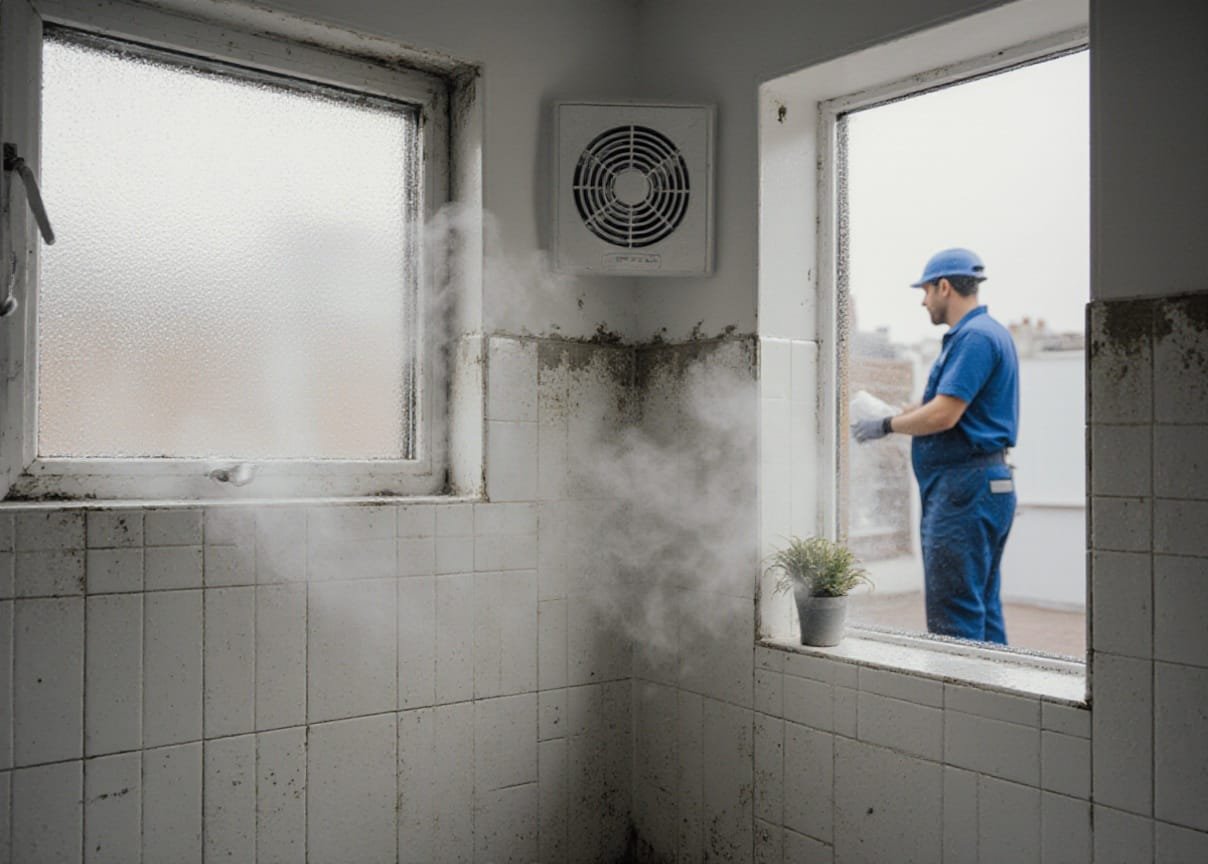
• Steam from daily use builds up quickly and leads to condensation on walls and surfaces
• Poor airflow means moisture doesn’t escape, creating ideal conditions for mould growth
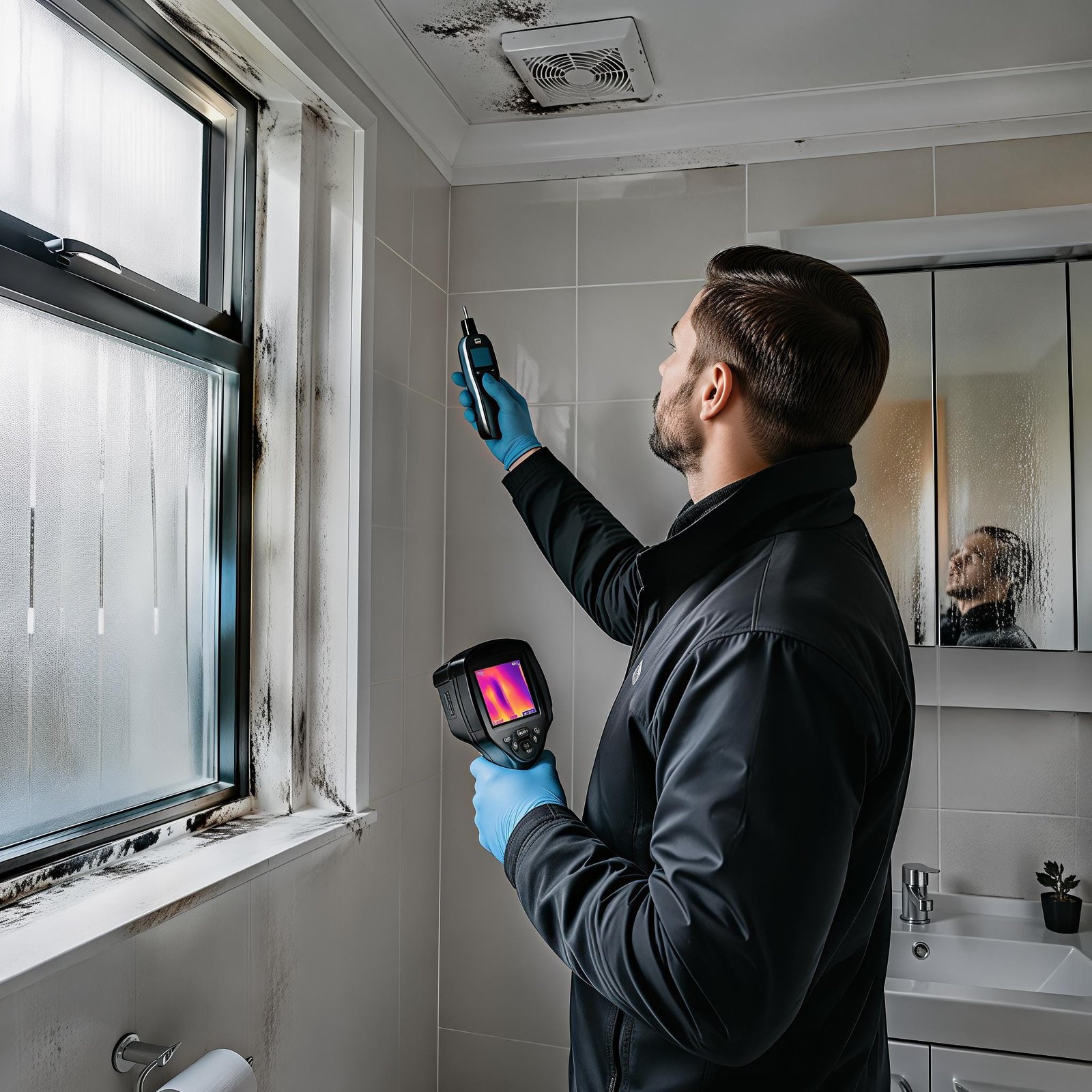
• Cold surfaces and corners often collect damp, especially around tiles, windows, and ceilings
Moisture problems in kitchens and bathrooms are usually caused by a combination of daily steam and limited ventilation rather than a single issue. Dealing with the source properly helps prevent mould from returning and keeps the space under control long term.

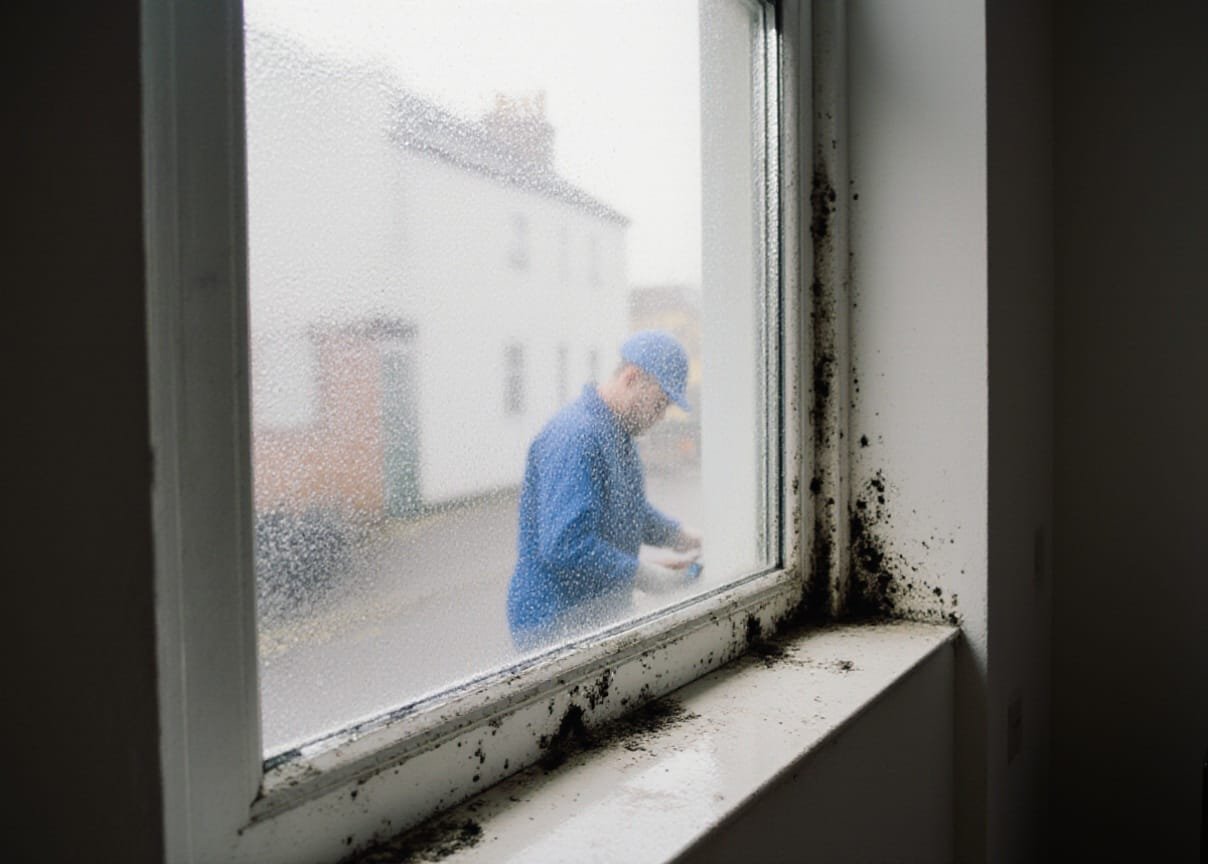
Kitchens and bathrooms are naturally exposed to higher levels of humidity due to daily use, but problems start when that moisture has nowhere to go. Activities like cooking, boiling water, and showering release large amounts of steam, which settles on cooler surfaces if airflow is limited. Over time, this leads to persistent condensation on walls, ceilings, and windows, creating the right environment for mould to develop.
In many London properties, especially flats, the issue is made worse by sealed windows, insulation upgrades, or underperforming extractor fans. While these features improve energy efficiency, they often reduce natural ventilation, meaning moisture stays trapped indoors. You might notice water droplets forming regularly, damp patches in corners, or early signs of mould around silicone, grout, or window frames.
Instead of focusing only on visible mould, the key is understanding how moisture moves through the space. Poor airflow, inconsistent heating, and everyday habits all play a role. Even small things, like drying clothes indoors or keeping doors closed after cooking or showering, can contribute to the problem over time.
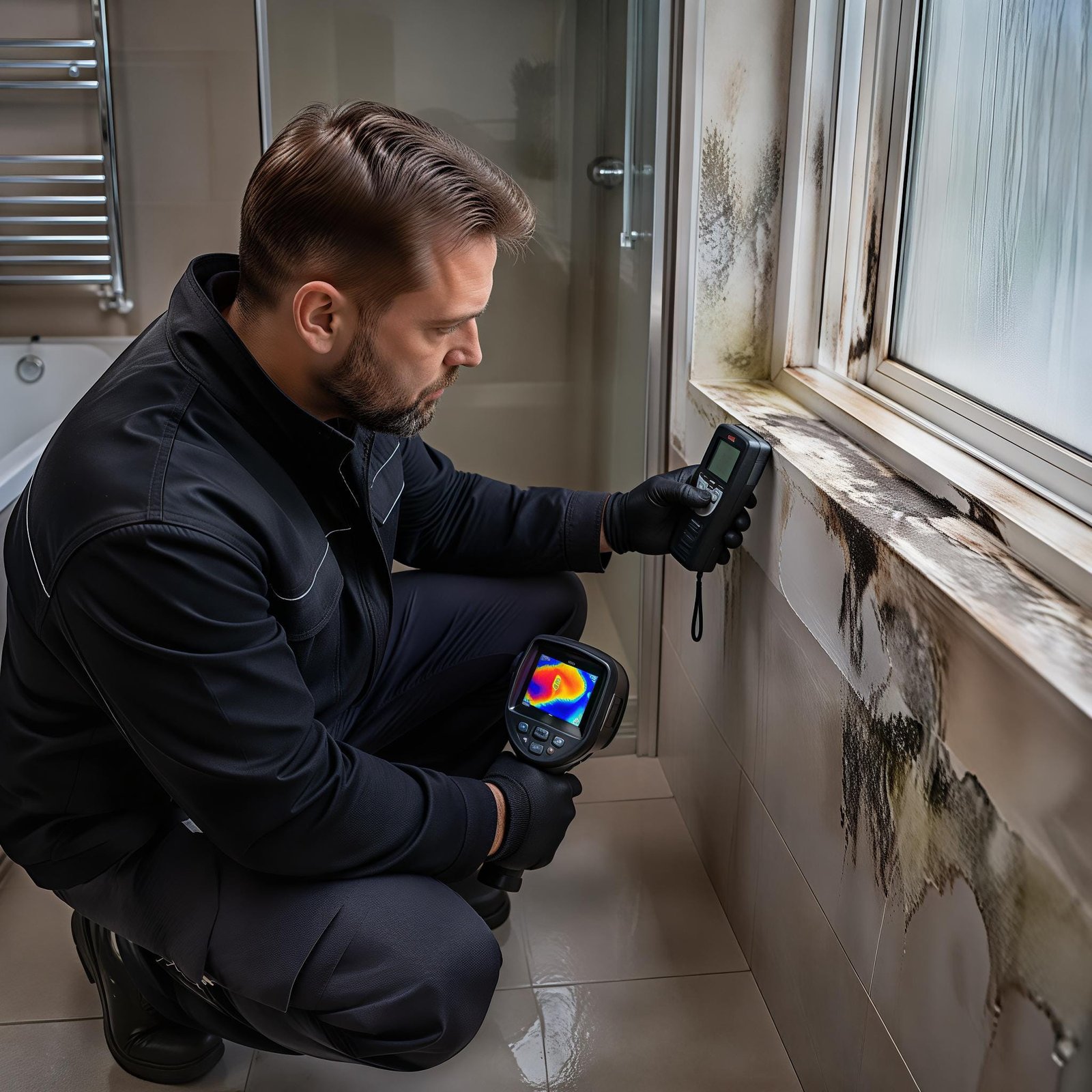
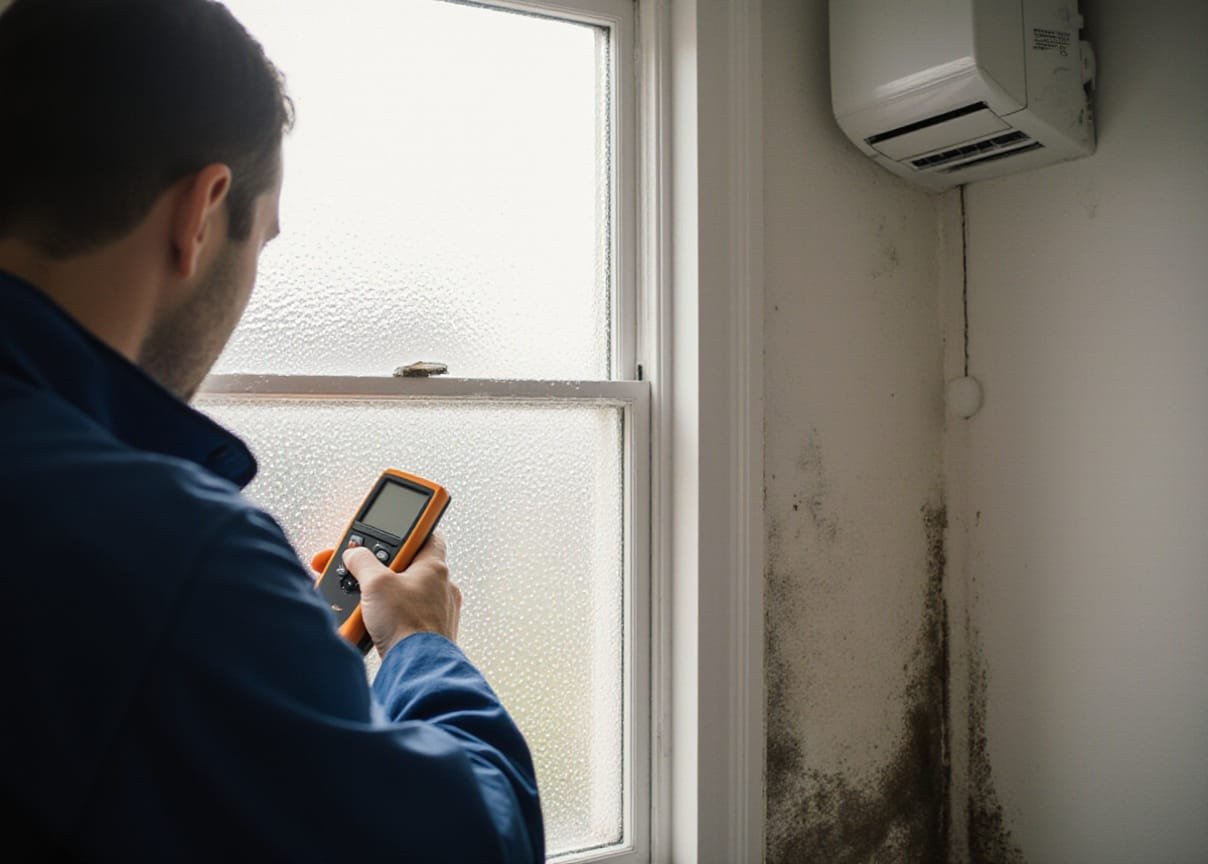
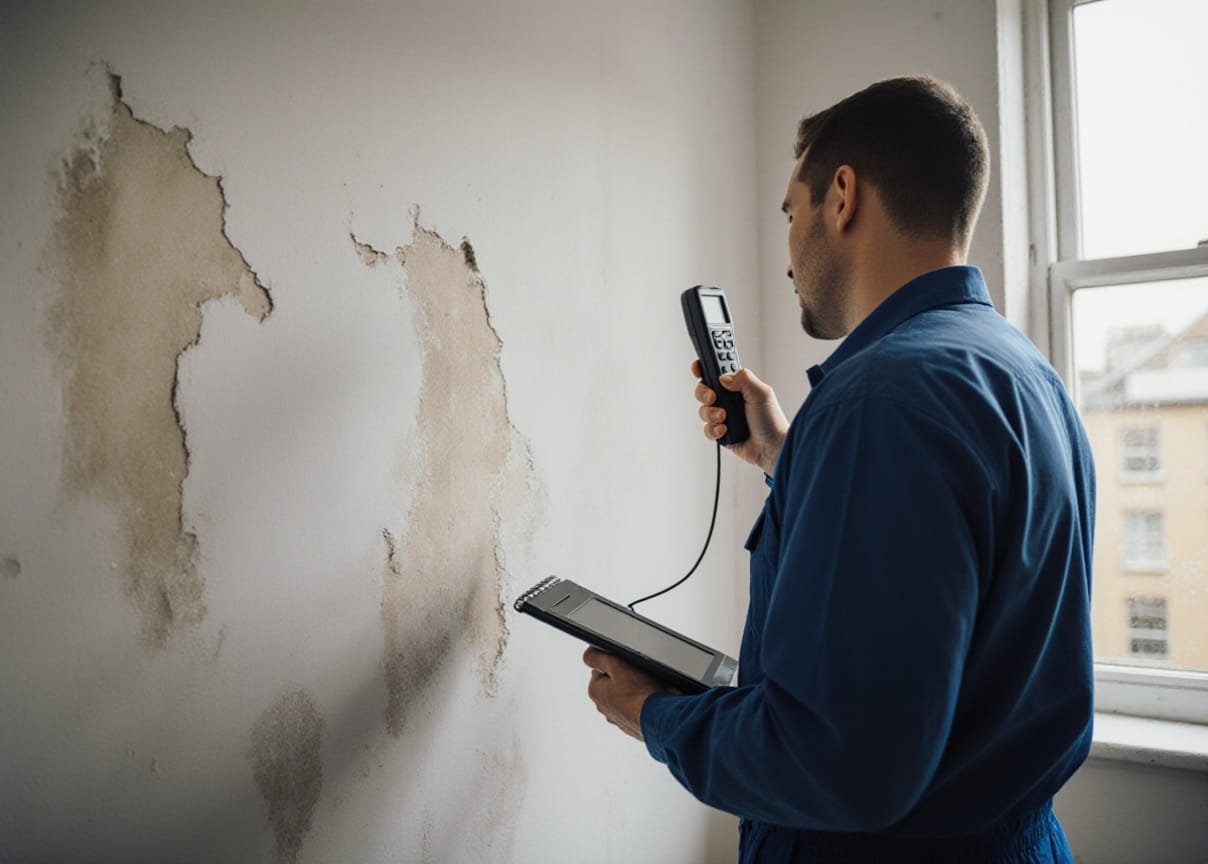
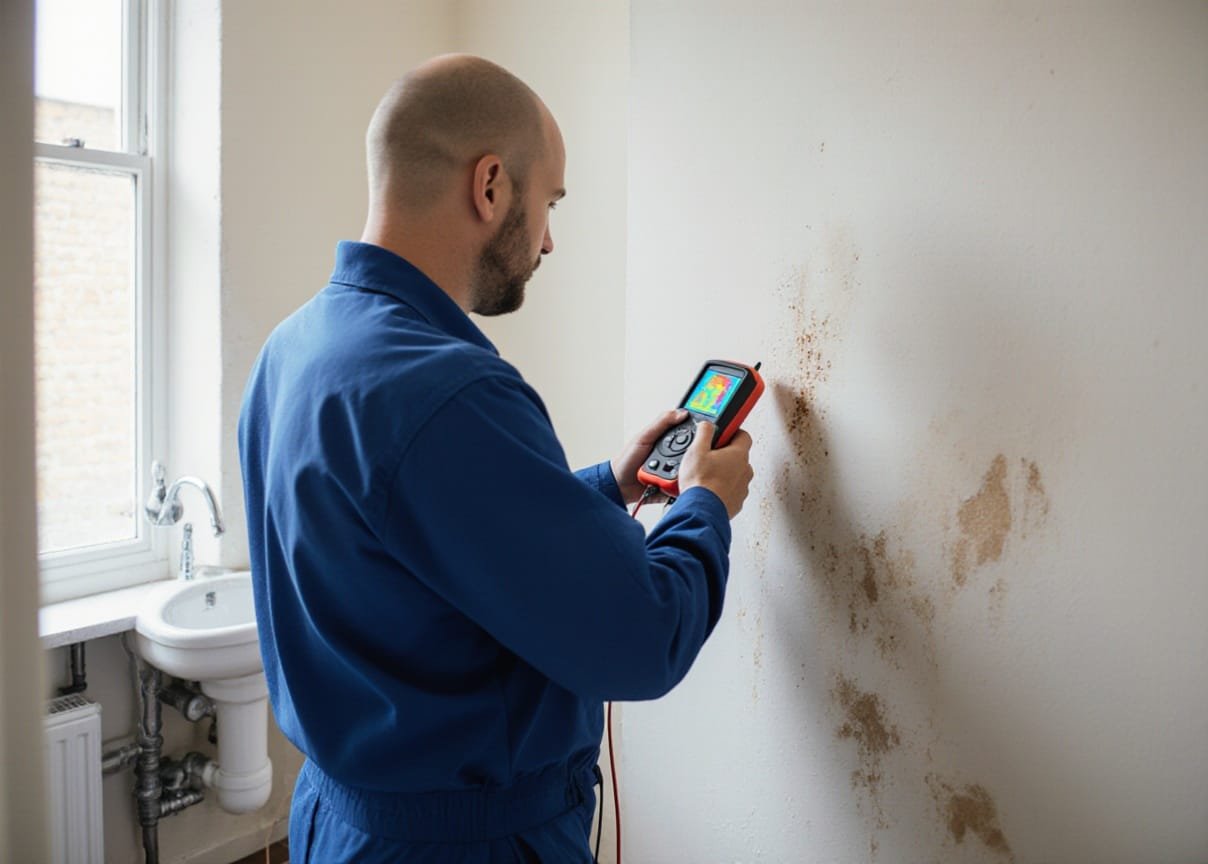
At Damp and Mould Specialist, the focus is on identifying where moisture is building up and why it isn’t escaping. That might involve checking ventilation points, airflow patterns, and how different areas of the room are affected. In many cases, simple adjustments can make a significant difference, but they need to be based on the actual conditions in the property.
Once moisture levels are brought under control, the environment becomes far less suitable for mould growth. This is what prevents the issue from returning, rather than relying on repeated cleaning.

Local Experts
Handling Damp Properly

Detailed Checks
Finding the Real Cause

Proven Results
That Actually Last

Long-Term Fixes
Not Just Quick Cleans

In many kitchens and bathrooms, the issue isn’t a one-off event but a pattern that builds over time. Even if surfaces are cleaned regularly, the same conditions that caused the problem in the first place often remain. Warm air carrying moisture naturally moves through the room and settles on colder areas, especially external walls, ceilings, and around windows. If this happens daily without proper control, it leads to a constant cycle of condensation and surface dampness.
One of the main reasons this continues is because the space may look dry at certain times of the day, but humidity levels stay elevated in the background. After cooking or showering, moisture lingers in the air longer than expected, particularly in properties where ventilation is limited or inconsistent. This is why mould often appears in the same spots — corners, behind units, or around fixtures — even after it has been removed.
Another factor is how different materials react to moisture. Tiles, paint, plaster, and silicone seals all absorb and release moisture at different rates. Over time, areas that stay slightly damp for longer periods become more vulnerable to mould growth, even if the rest of the room seems unaffected. This is common in kitchens with fitted units or bathrooms where airflow is blocked by layout or design.
At Damp and Mould Specialist, we focus on how these small conditions combine rather than looking at a single cause. By understanding where moisture settles, how long it stays, and how the space is used daily, it becomes easier to identify what needs to change. Sometimes it’s a matter of improving how air moves through the room, while in other cases it may involve addressing specific cold spots or moisture retention areas.
The aim is to break the cycle of repeated damp conditions. Once moisture stops building up in the same way, the environment stabilises and the risk of mould returning is significantly reduced.