Leak Detection & Hidden Water Source Checks

• Identification of hidden leaks behind walls, ceilings, and floors
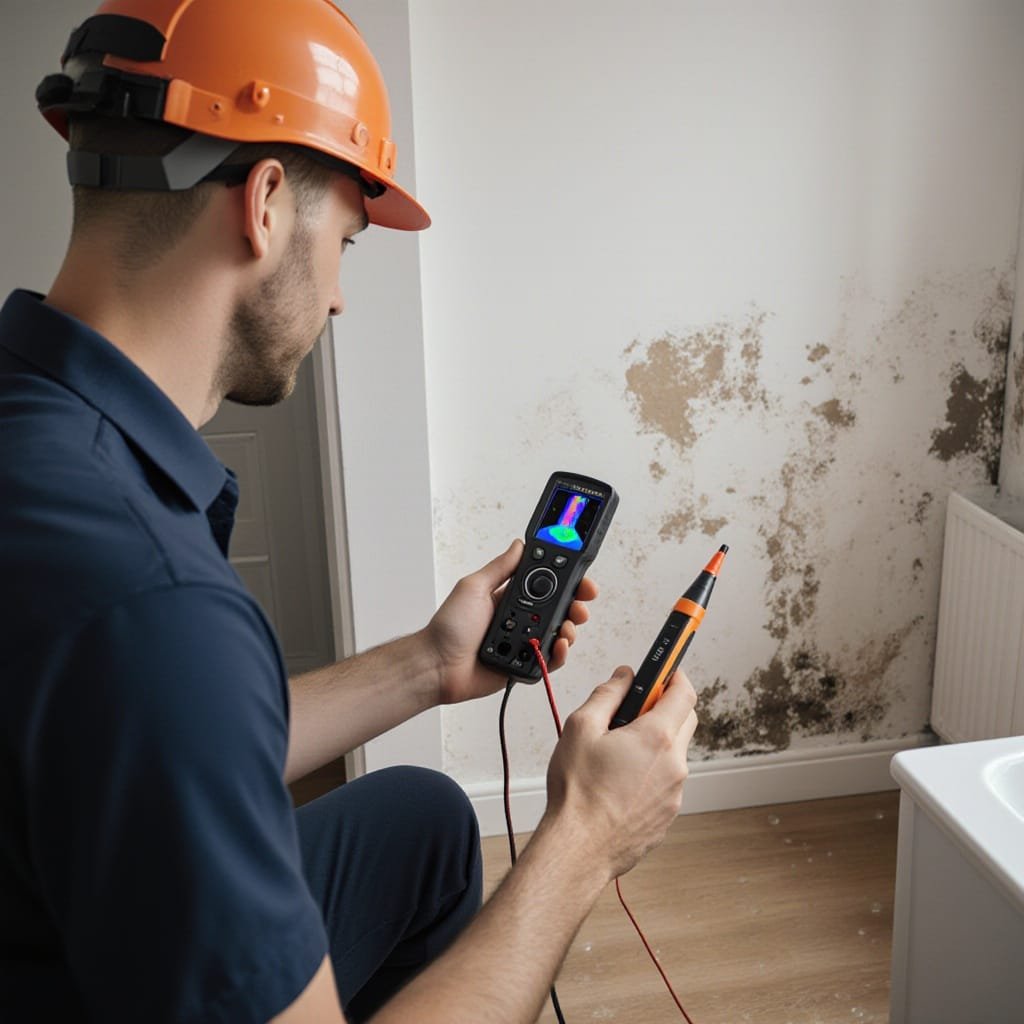
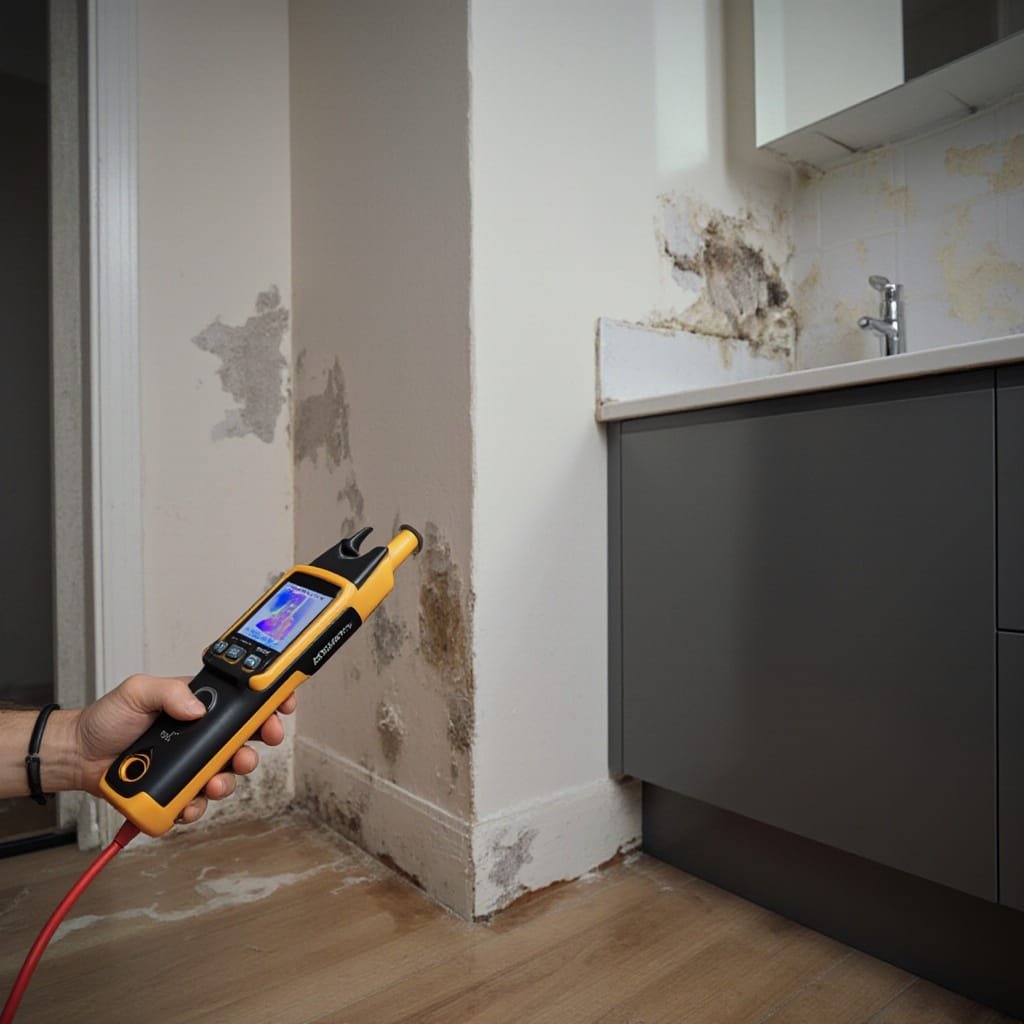
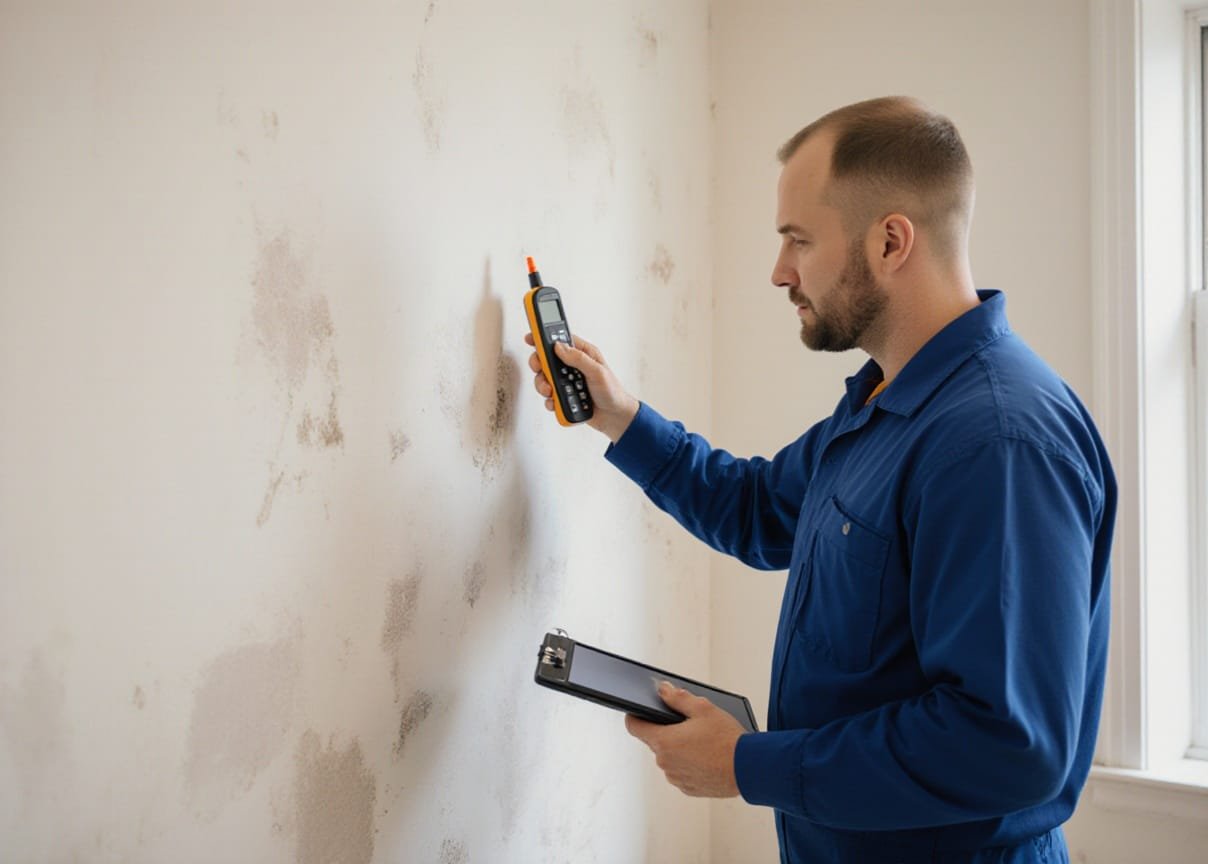
• Use of tools to detect moisture without visible signs
• Checks around plumbing, pipework, and fittings
• Assessment of areas where water may be slowly building up
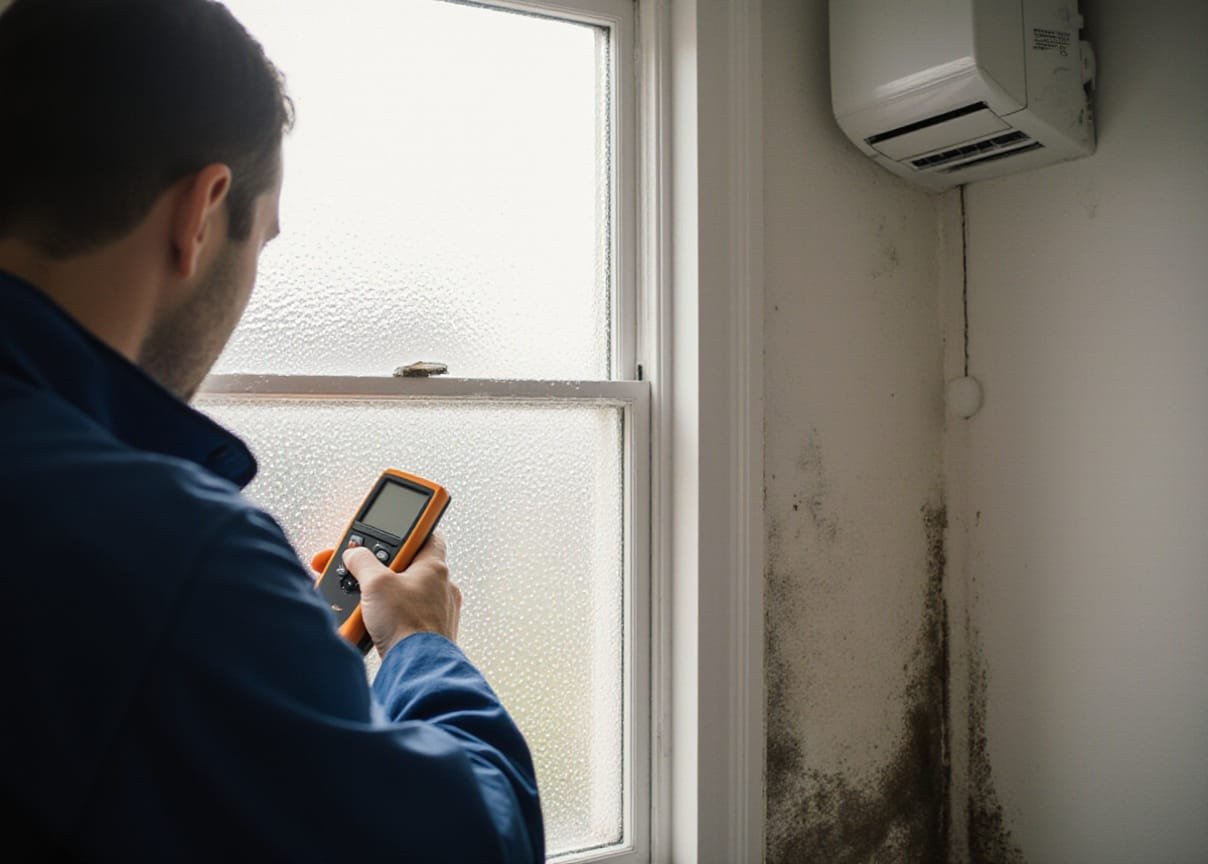
• Differentiation between leaks, condensation, and external moisture
• Clear findings with guidance on how to resolve the issue properly

Signs of Hidden Leaks and Moisture Build-Up

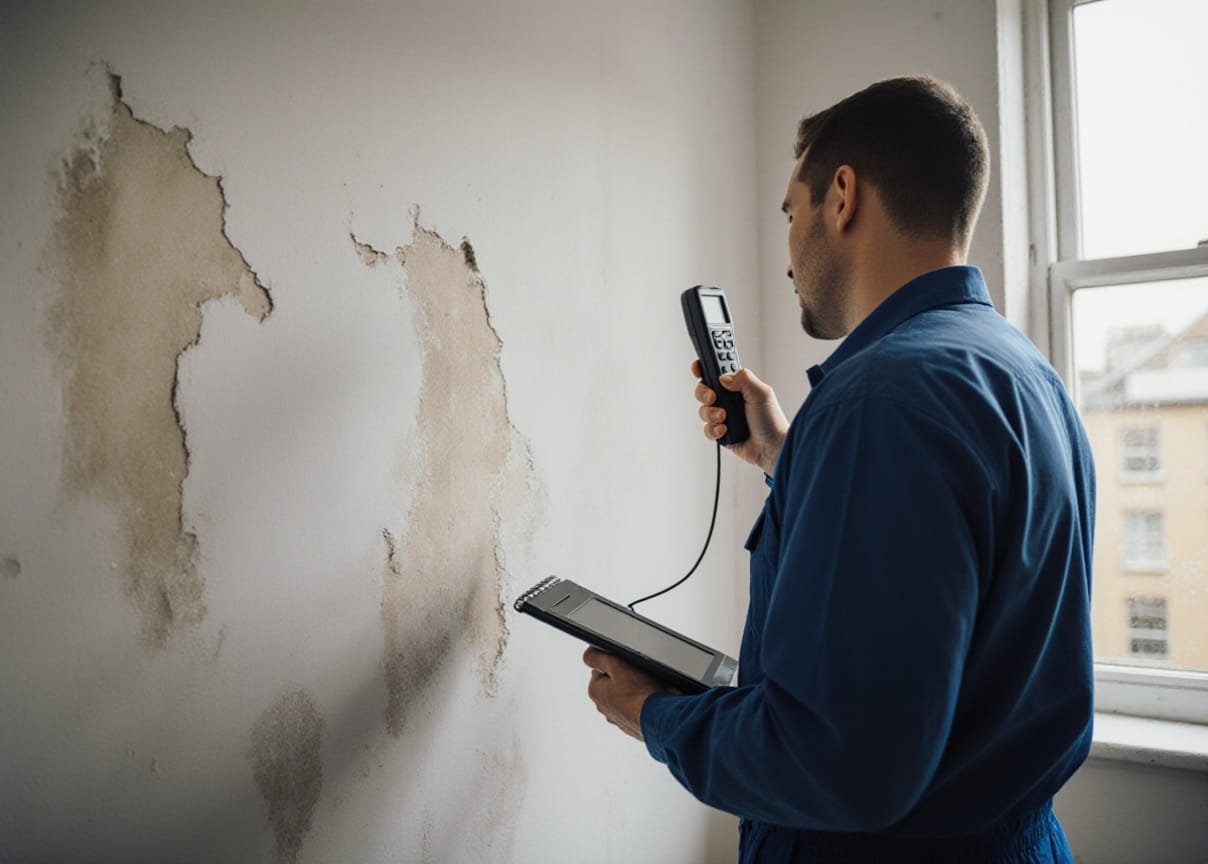
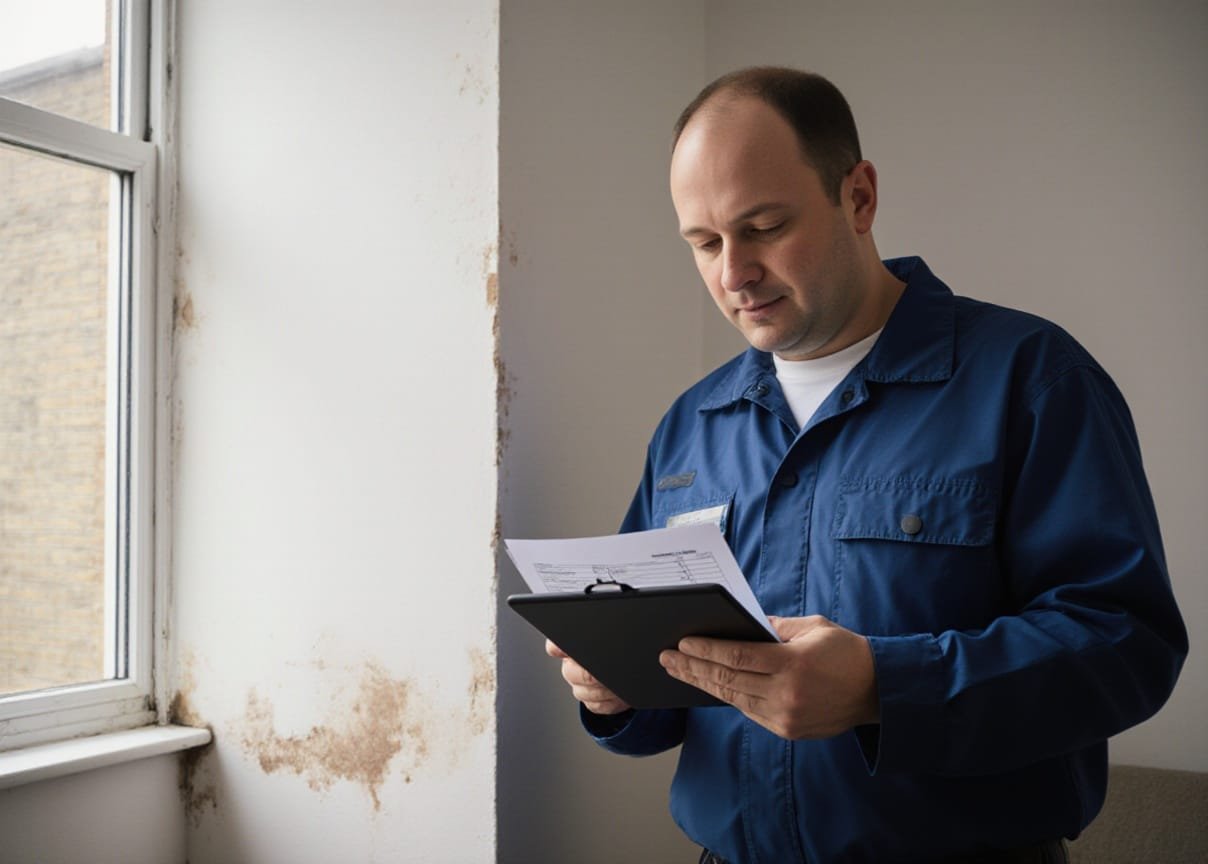
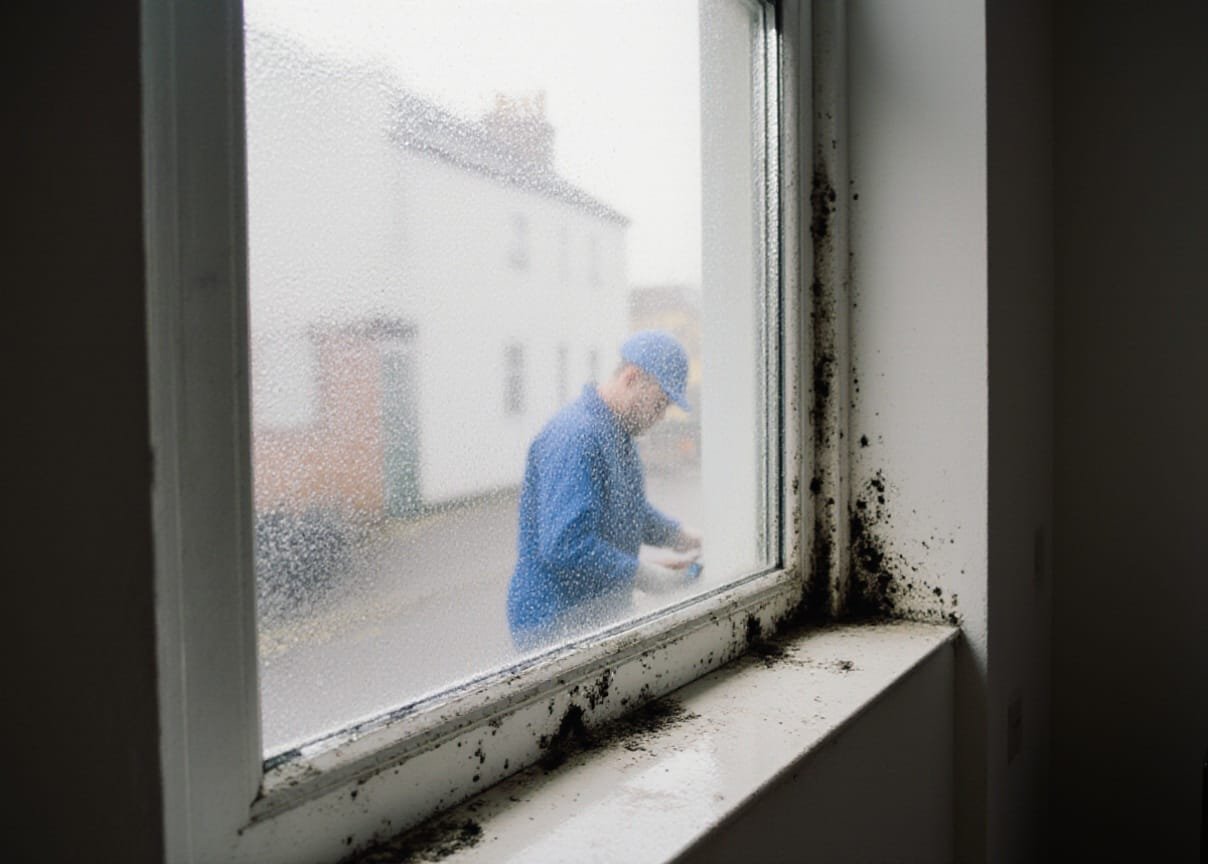
Hidden leaks don’t always present obvious symptoms, which is why they can go unnoticed for long periods. Instead of clear water damage, the early signs are often subtle and easy to overlook. You might notice a persistent musty smell, slight discolouration on walls, or areas that feel cooler than the rest of the room. These are often indicators that moisture is present beneath the surface.

In some cases, paint or plaster may begin to show small changes, such as light bubbling or uneven texture. These signs suggest that water is affecting the material from within rather than from direct exposure. Because the moisture is trapped, it can slowly spread, increasing the affected area over time without being immediately visible.

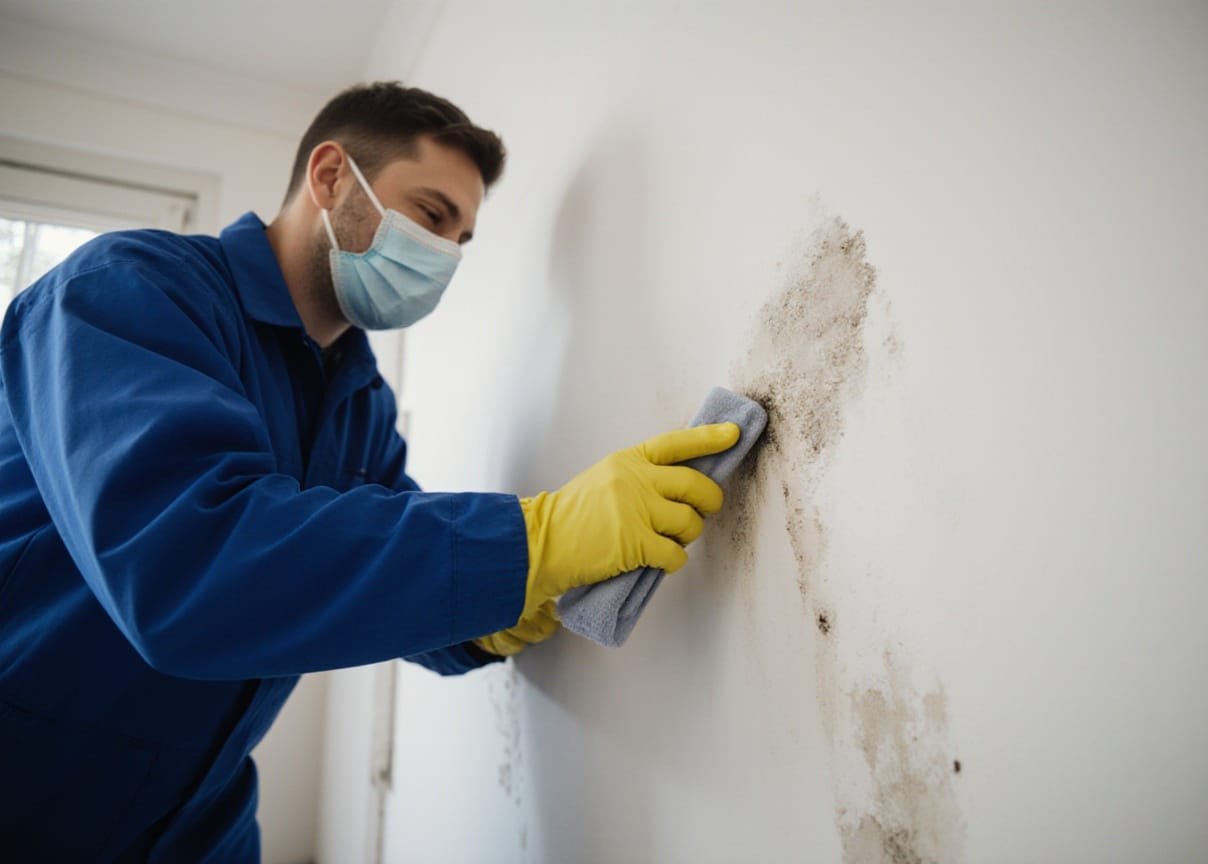
Another common sign is recurring damp in the same location despite cleaning or minor repairs. This usually means the source of moisture hasn’t been identified, and water is continuing to build up somewhere behind the surface. Over time, this can lead to mould development, especially in areas with limited airflow.

At Damp and Mould Specialist, identifying these early indicators is a key part of the process. By recognising patterns and understanding how hidden moisture behaves, it becomes easier to locate the source before the problem develops further.

Addressing hidden leaks early helps prevent more extensive damage and reduces the need for repeated repairs.

Local Experts

Handling Damp Properly

Detailed Checks

Finding the Real Cause

Proven Results

That Actually Last

Long-Term Fixes

Not Just Quick Cleans

What Customers Say About Our Damp and Mould Service

We had damp patches showing on one of the external walls and assumed it was going to be a big, expensive issue. The inspection was thorough and they explained it step by step. Turned out to be a mix of airflow and moisture build-up rather than something structural. Saved us a lot of stress and probably a lot of money as well.

5 stars rating
Daniel Hughes

From booking to the actual visit, everything was smooth. The inspection itself was detailed but easy to understand, which I really liked. They walked me through each issue and explained what mattered and what didn’t. It felt honest and practical, not exaggerated. I’d definitely recommend them if you’re dealing with mould problems.

5 stars rating
Emily Dawson

Very professional service. What stood out was that they didn’t rush through the job. They checked multiple areas in the property and explained everything in plain English. It wasn’t just about removing the mould, but understanding why it was there in the first place. You don’t often get that level of detail.

5 stars rating
Laura Bennett

We noticed a damp smell in the flat that we couldn’t get rid of, even after cleaning. They came out and found the source pretty quickly, which turned out to be something we hadn’t considered at all. Gave clear advice on what to fix and didn’t overcomplicate things. Solid, reliable service.

5 stars rating
Mark Reynolds

Really appreciated how straightforward everything was. They came in, checked the flat carefully, and pointed out things I hadn’t even noticed. There was no pressure to buy anything extra, just a clear explanation of what was going on and what I could do to improve it. It felt like proper advice rather than a sales pitch.

5 stars rating
Sarah Mitchell

We’d been dealing with mould around the bedroom window for months and kept wiping it off, but it always came back. I booked Damp and Mould Specialist expecting the usual quick clean, but they actually took the time to check the room properly. They explained it was mainly a condensation issue and showed me what was causing it. Made a few changes based on their advice and it’s been clear since. Wish I’d done this earlier.

5 stars rating
James Carter

Frequently Asked Questions

How do I know if there’s a hidden leak in my property?
Early signs include a musty smell, damp patches, or areas that feel colder or slightly wet without an obvious source of water.
Can a leak exist without visible water damage?
Yes, many leaks are slow and hidden, allowing moisture to build up behind surfaces before any clear damage appears.
Will a hidden leak always cause mould?
Not always immediately, but ongoing moisture creates the right conditions for mould to develop over time if it’s not addressed.
Do you need to break walls to find the leak?
In most cases, no. Moisture readings and inspection tools help locate the issue without unnecessary disruption.

How We Trace Hidden Moisture Without Unnecessary Disruption

Finding a concealed leak is rarely about one obvious clue. It’s a process of building a picture from small indicators and confirming them with measurements. We start by mapping where moisture is present and how it changes across the area. By taking readings at multiple points—on walls, ceilings, and adjacent surfaces—we can see patterns that suggest where water is likely entering or collecting.

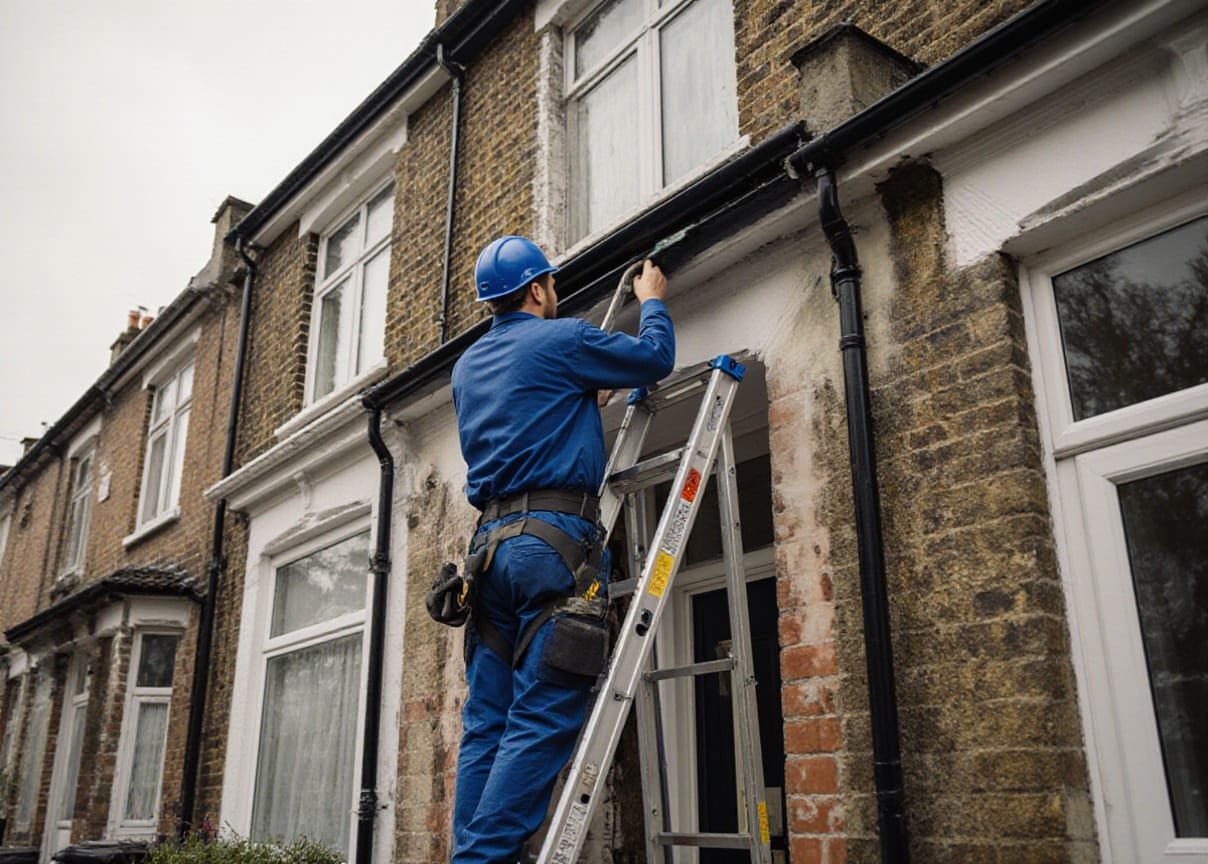
We also look at how the issue behaves over time. Some leaks show a steady level of dampness, while others fluctuate depending on usage or weather. For example, a problem that worsens after showers may point to plumbing or seal failures, whereas damp that increases after rainfall can indicate external ingress. Understanding these patterns helps narrow down the source without guesswork.

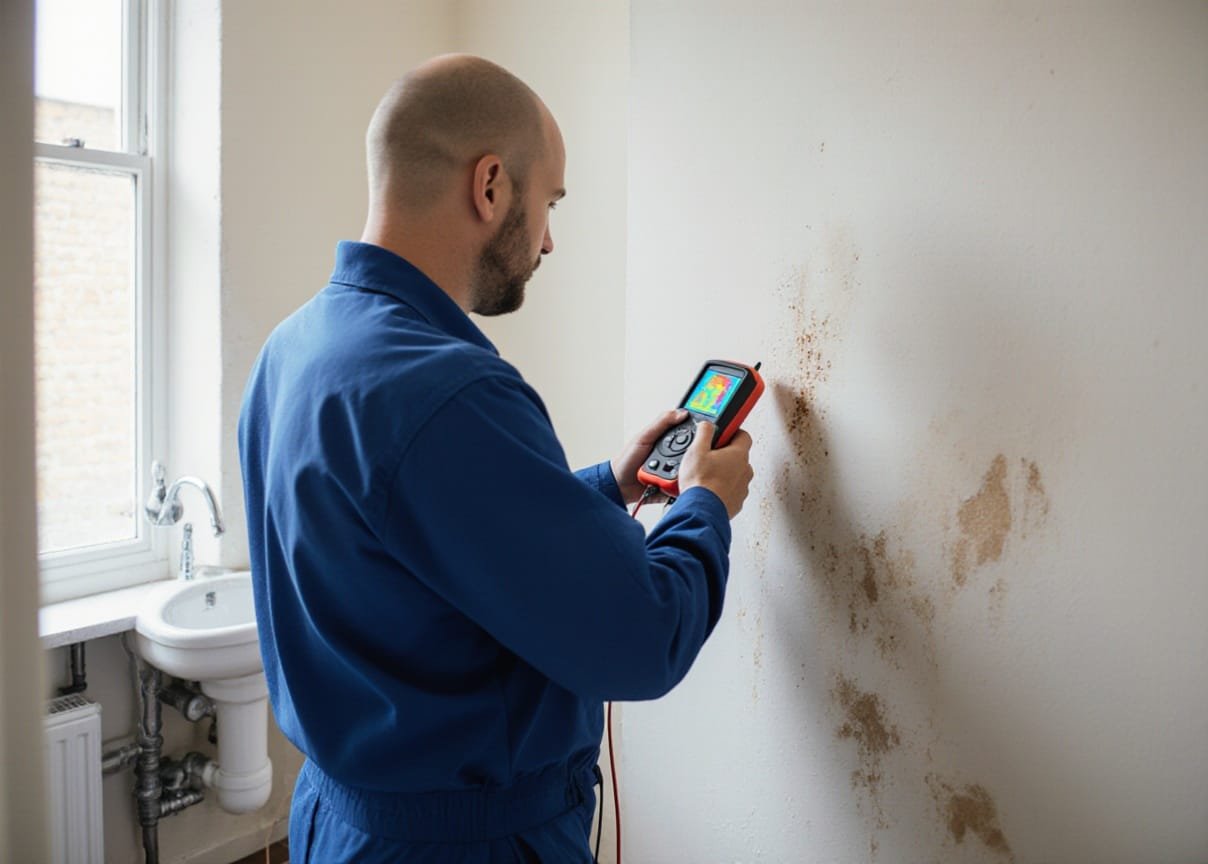
Access points are checked carefully. Areas around pipe runs, under sinks, behind appliances, and near service voids are common places where hidden moisture can develop. Where needed, we use non-invasive tools such as moisture meters and thermal imaging to identify cooler, damp zones behind finishes. This allows us to trace the likely route of water without opening up large sections unnecessarily.

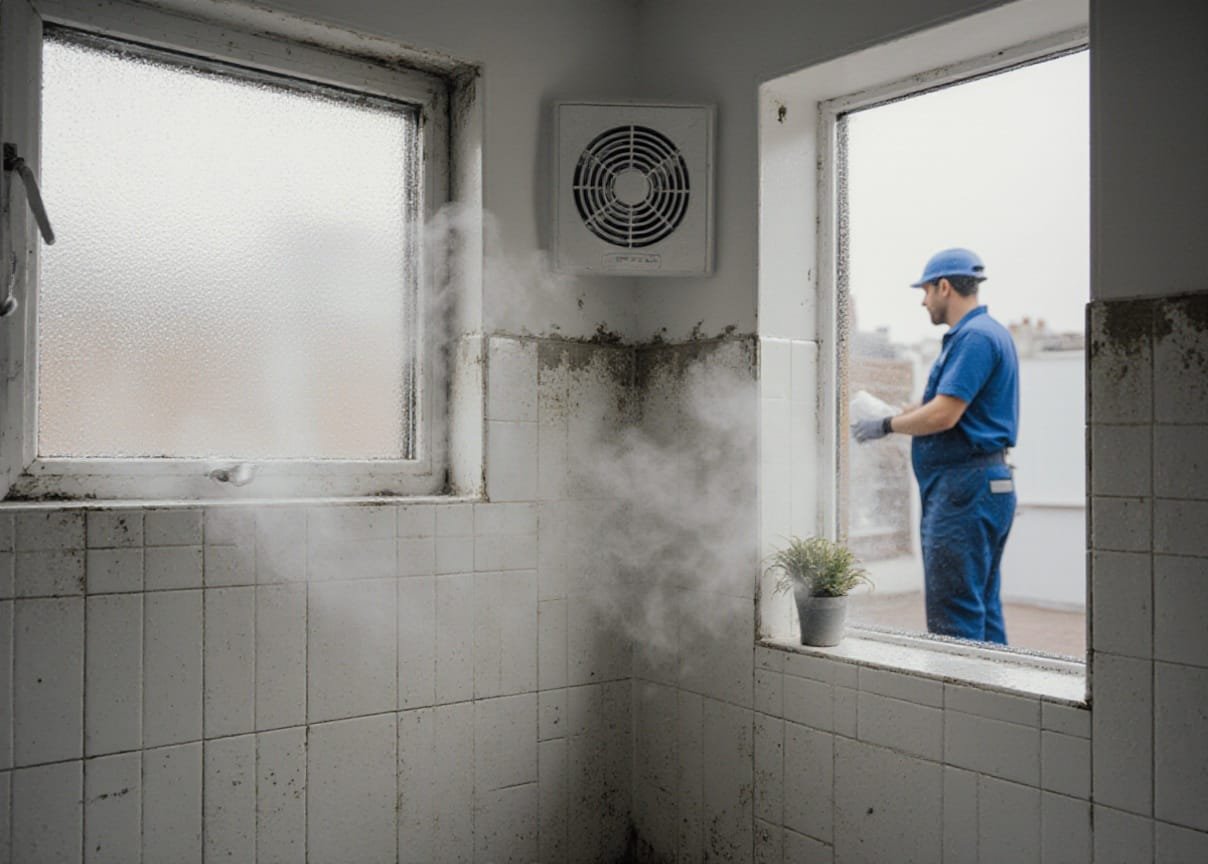
Another key step is ruling out other causes. Condensation can sometimes mimic a leak, especially on colder surfaces or in poorly ventilated rooms. By comparing readings and conditions, we separate condensation effects from genuine leaks, ensuring the solution targets the right issue.

At Damp and Mould Specialist, the aim is to be precise and practical. Once the source is identified, we outline the most direct way to resolve it, whether that’s a targeted repair, sealing a specific point, or adjusting how moisture is managed in the space. Addressing the exact cause early prevents wider damage and avoids repeated, surface-level fixes.