Condensation & Ventilation Assessment

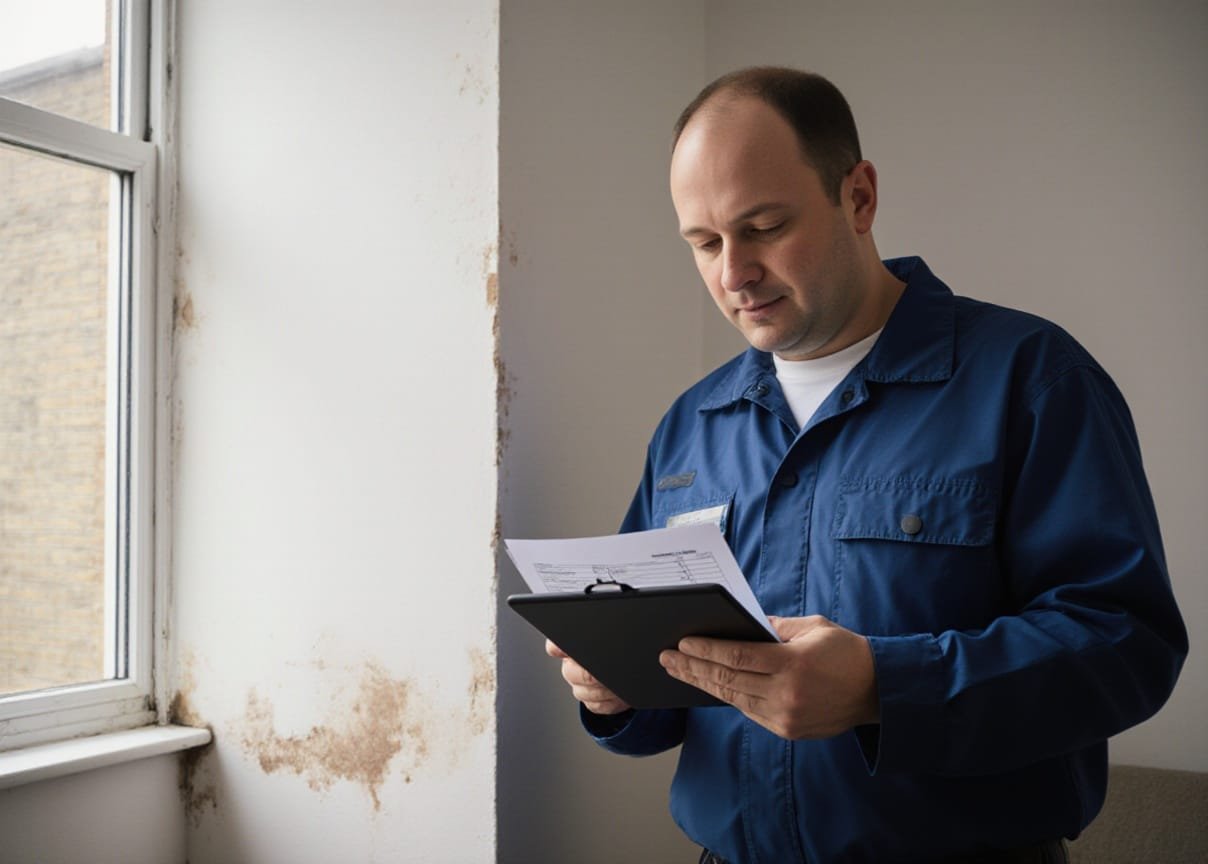
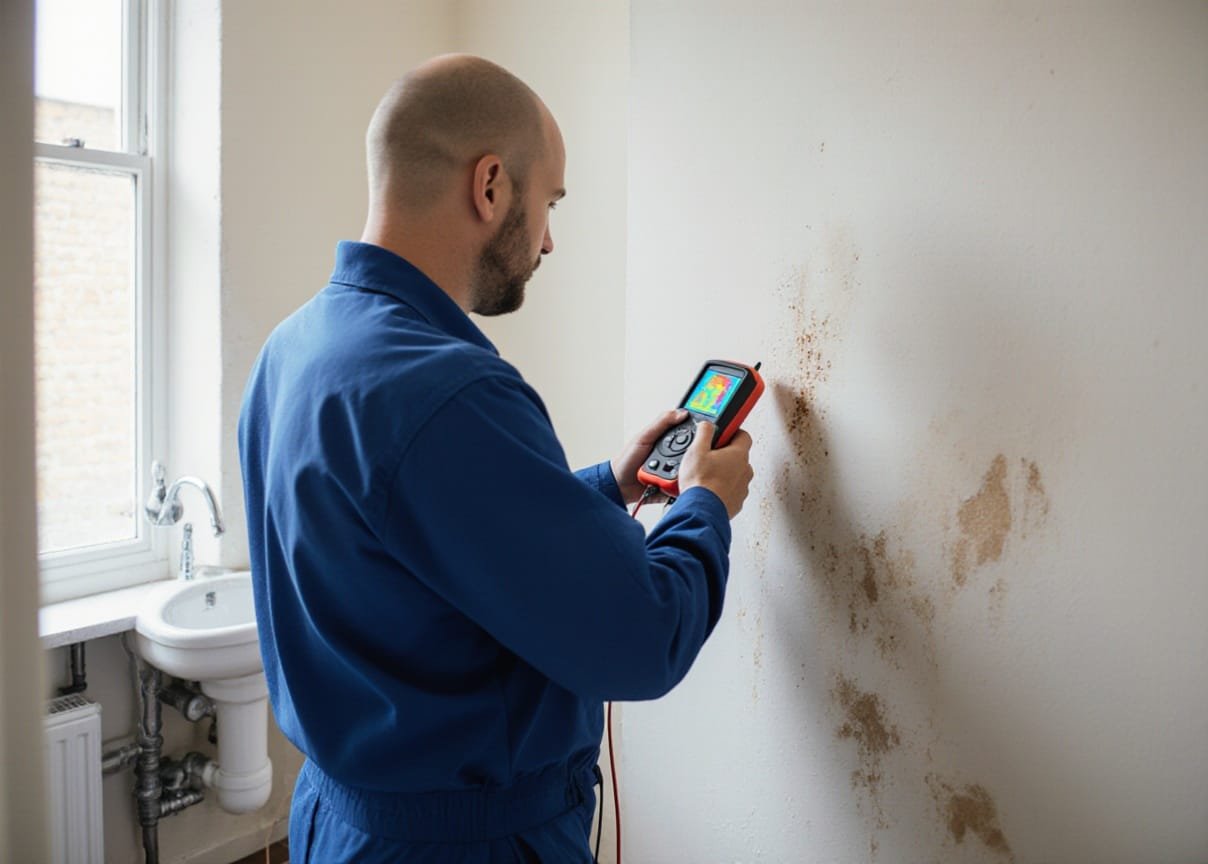
Condensation builds up when warm, moist air has nowhere to escape, often settling on windows, walls, and ceilings. Over time, this creates the conditions for damp and mould problems, especially in poorly ventilated areas. A proper assessment helps identify how moisture is behaving inside the property and what needs to change.

• We check airflow, humidity levels, and ventilation points across the property
• Clear findings on why condensation forms and how to control it properly

Understanding Condensation and Ventilation Issues

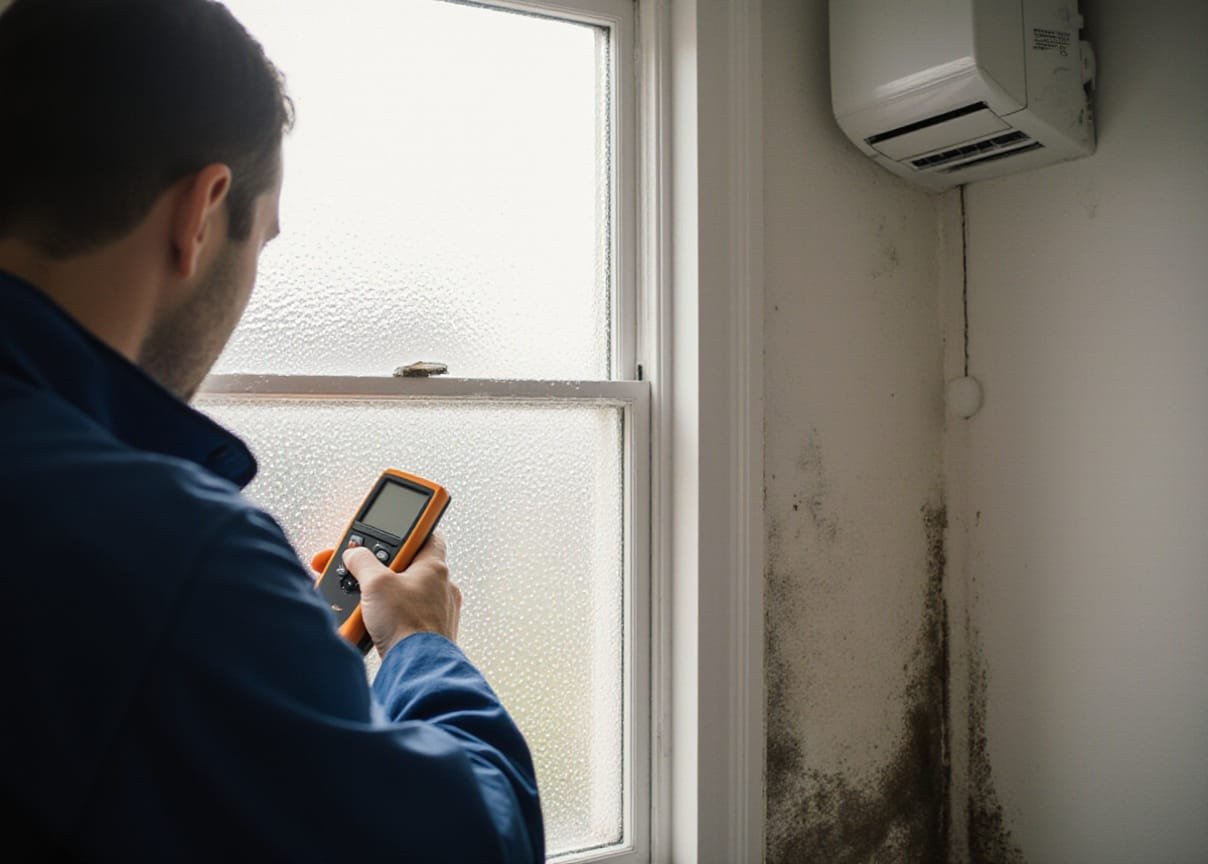
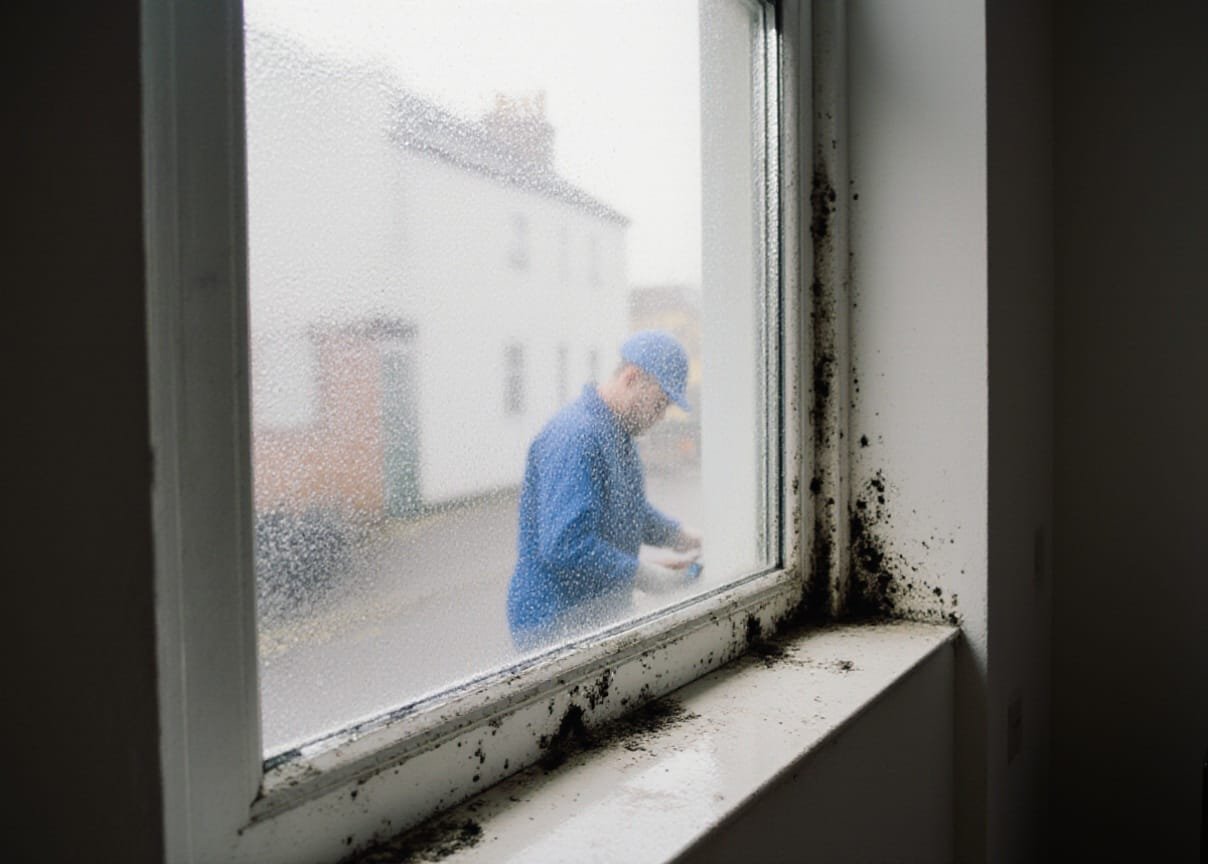
Condensation is one of the most common causes of damp and mould problems in London homes, but it often goes unnoticed until visible signs start to appear. It forms when warm, moisture-rich air comes into contact with cooler surfaces like windows, external walls, or ceilings. This happens naturally during everyday activities such as cooking, showering, or even breathing, but becomes a problem when that moisture isn’t properly managed.

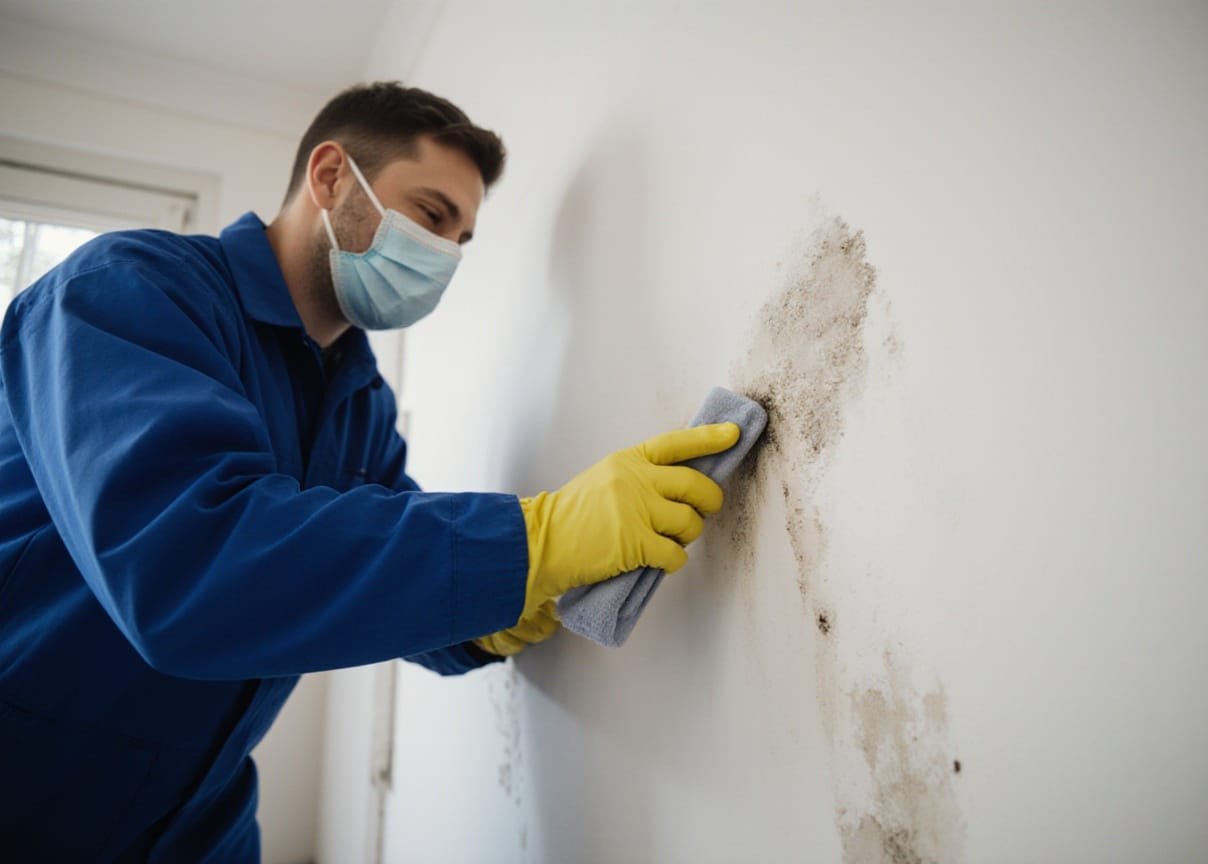
In many properties, especially flats or well-insulated homes, airflow is limited. Modern upgrades like double glazing and insulation help retain heat, but they can also reduce natural ventilation. As a result, moisture stays trapped indoors for longer, leading to regular condensation build-up on glass and walls. Over time, this creates ideal conditions for mould to develop, particularly in corners, around windows, and in rooms with higher humidity levels.

The challenge with condensation is that it’s not always consistent. You might notice it more during colder months or at certain times of the day, which can make it harder to identify the underlying cause. However, repeated patterns such as fogged-up windows, damp patches, or musty smells are clear indicators that the balance between moisture and ventilation isn’t right.

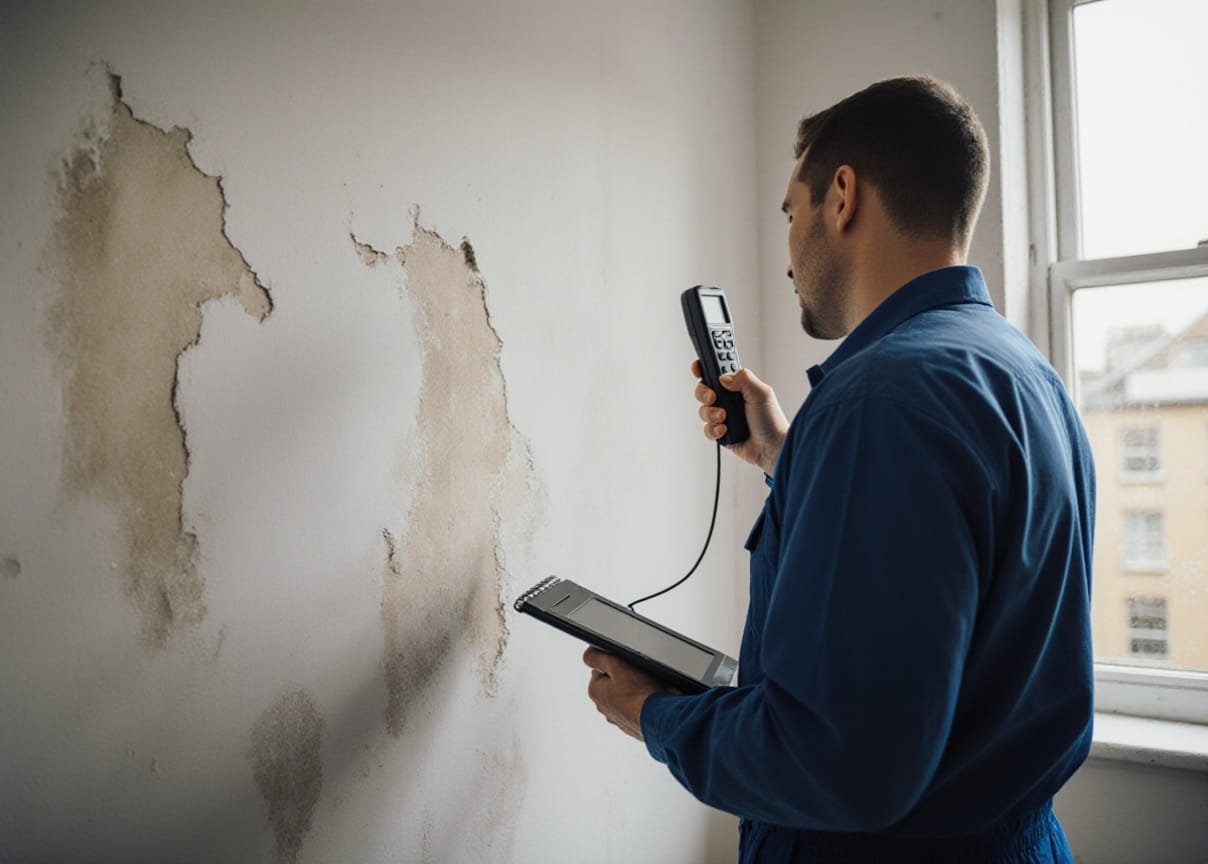
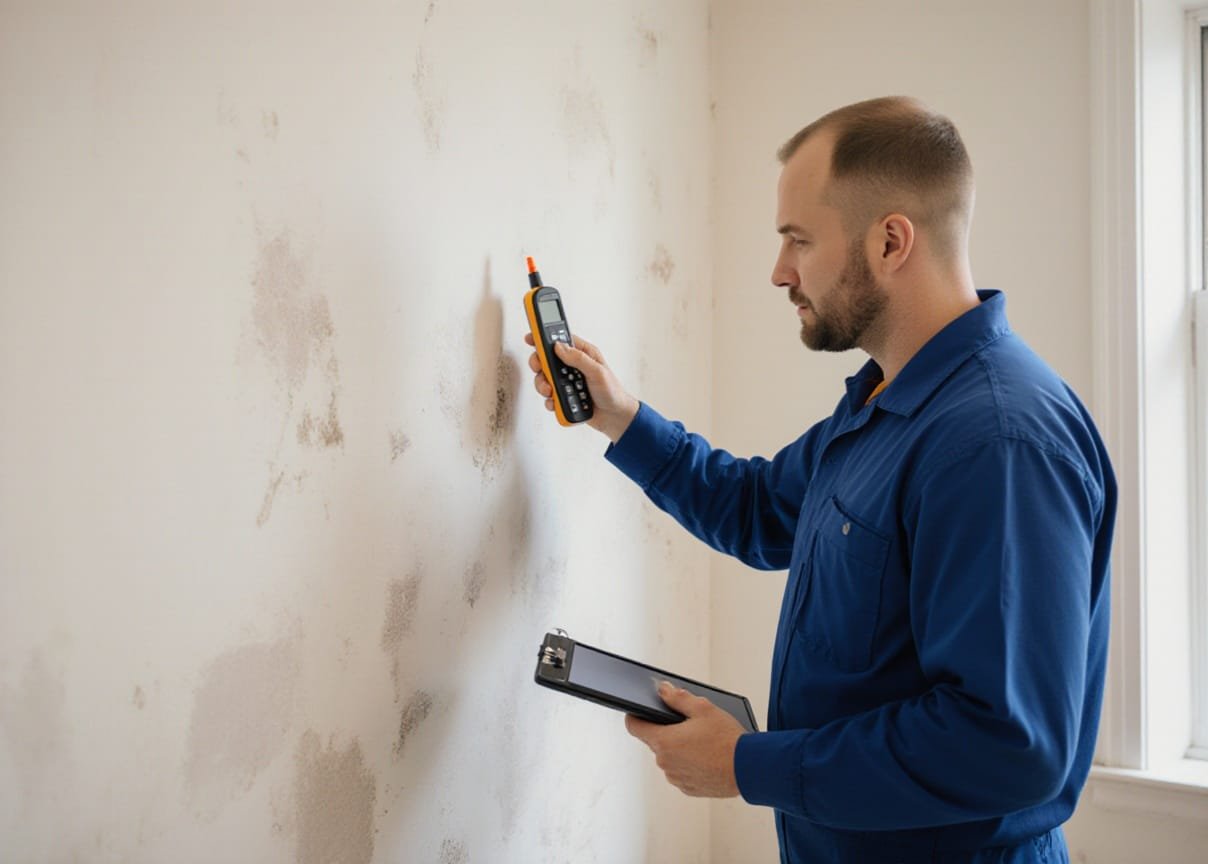
At Damp and Mould Specialist, the focus is on understanding how air and moisture move through the property. This includes checking ventilation points, airflow between rooms, and how different areas respond to temperature changes. In some cases, small adjustments to ventilation can make a significant difference. In others, the issue may be linked to how the space is used or structured.

By identifying where condensation is forming and why it isn’t clearing, it becomes possible to reduce moisture levels effectively. This helps prevent mould from developing and keeps the indoor environment more stable over time.


Local Experts

Handling Damp Properly

Detailed Checks

Finding the Real Cause

Proven Results

That Actually Last

Long-Term Fixes

Not Just Quick Cleans

What Customers Say About Our Damp and Mould Service

We had damp patches showing on one of the external walls and assumed it was going to be a big, expensive issue. The inspection was thorough and they explained it step by step. Turned out to be a mix of airflow and moisture build-up rather than something structural. Saved us a lot of stress and probably a lot of money as well.

5 stars rating
Daniel Hughes

From booking to the actual visit, everything was smooth. The inspection itself was detailed but easy to understand, which I really liked. They walked me through each issue and explained what mattered and what didn’t. It felt honest and practical, not exaggerated. I’d definitely recommend them if you’re dealing with mould problems.

5 stars rating
Emily Dawson

Very professional service. What stood out was that they didn’t rush through the job. They checked multiple areas in the property and explained everything in plain English. It wasn’t just about removing the mould, but understanding why it was there in the first place. You don’t often get that level of detail.

5 stars rating
Laura Bennett

We noticed a damp smell in the flat that we couldn’t get rid of, even after cleaning. They came out and found the source pretty quickly, which turned out to be something we hadn’t considered at all. Gave clear advice on what to fix and didn’t overcomplicate things. Solid, reliable service.

5 stars rating
Mark Reynolds

Really appreciated how straightforward everything was. They came in, checked the flat carefully, and pointed out things I hadn’t even noticed. There was no pressure to buy anything extra, just a clear explanation of what was going on and what I could do to improve it. It felt like proper advice rather than a sales pitch.

5 stars rating
Sarah Mitchell

We’d been dealing with mould around the bedroom window for months and kept wiping it off, but it always came back. I booked Damp and Mould Specialist expecting the usual quick clean, but they actually took the time to check the room properly. They explained it was mainly a condensation issue and showed me what was causing it. Made a few changes based on their advice and it’s been clear since. Wish I’d done this earlier.

5 stars rating
James Carter

Frequently Asked Questions

Why do my windows get condensation every day?
This usually means there is too much moisture in the air and not enough ventilation. Warm air from normal daily activities hits cold glass surfaces and turns into water droplets.
Is condensation a serious problem or just normal?
Some condensation is normal, but regular or heavy build-up can lead to damp patches and mould if it’s not controlled over time.
Will improving ventilation stop condensation completely?
Better ventilation helps reduce moisture levels, but results depend on how the property is used. In most cases, improving airflow makes a noticeable difference and helps prevent ongoing issues.
Can condensation cause mould even if there are no leaks?
Yes, mould can develop purely from trapped moisture in the air, even when there are no plumbing or structural problems.

How Ventilation Affects Moisture Levels Indoors

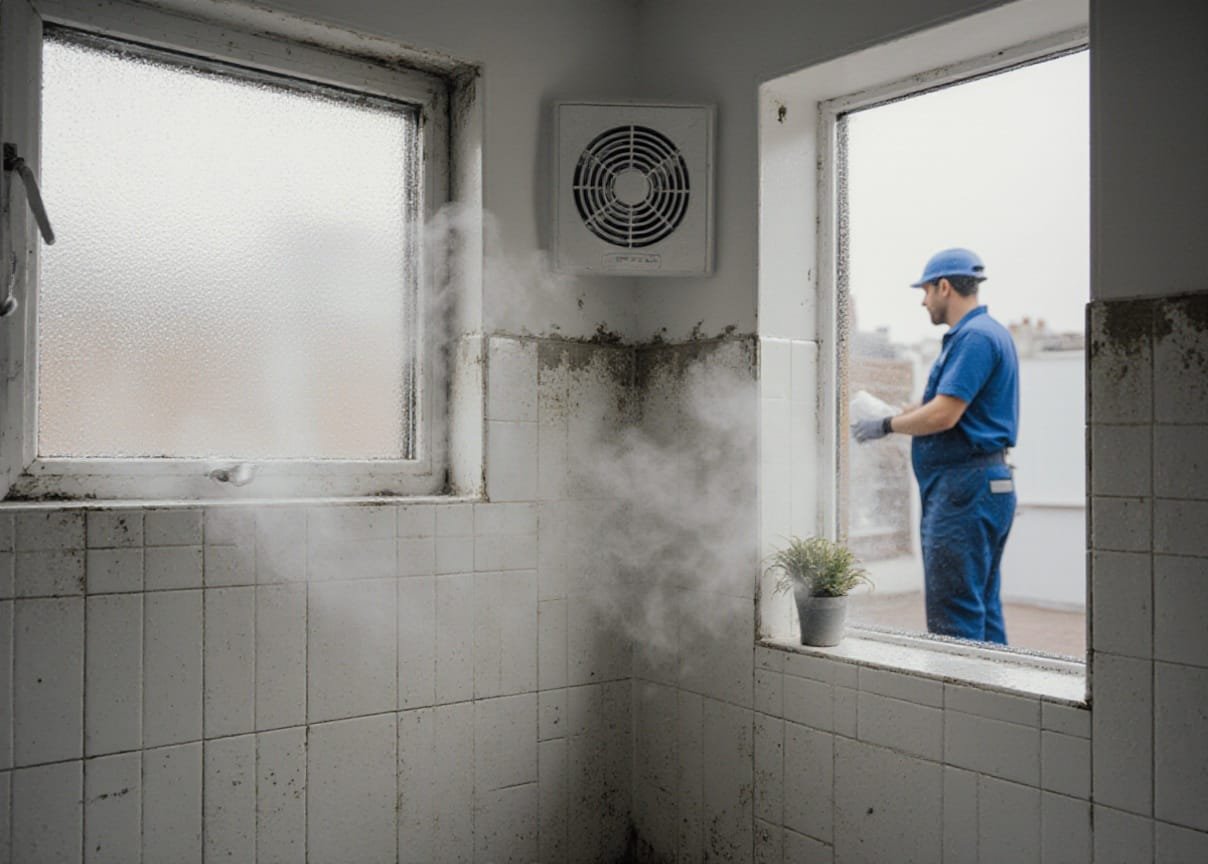
Ventilation plays a key role in controlling indoor moisture levels, especially in properties where daily activities generate a steady amount of humidity. When air is able to move freely through a space, moisture is carried away before it has a chance to settle on surfaces. Without that movement, even small amounts of steam can build up over time and lead to persistent condensation in the same areas.

One of the common issues is that ventilation may exist but not function effectively. Extractor fans might be installed but underused, airflow between rooms may be restricted, or vents could be partially blocked. These small limitations can reduce the ability of the property to manage moisture properly. As a result, certain areas remain consistently damp, even if the rest of the home feels dry.

Temperature differences also play a part. When some parts of a room stay cooler than others, they naturally attract more moisture from the air. This is why external walls, corners, and window edges are often the first places where condensation appears. If ventilation isn’t strong enough to balance this, moisture continues to collect in those spots.

At Damp and Mould Specialist, the focus is on how ventilation performs in real conditions, not just whether it’s present. By looking at airflow patterns, usage habits, and how different rooms interact, it becomes possible to understand why moisture is building up in certain areas. In many cases, small adjustments to how air moves through the property can improve conditions significantly.

Managing ventilation effectively helps stabilise the indoor environment and reduces the likelihood of recurring damp issues.