Mould Removal & Treatment

Mould should never be treated as just a surface issue, as it’s usually a sign of underlying moisture within the property.
Simply cleaning it without addressing the cause often leads to the problem returning in the same areas.
A proper approach focuses on both removing the mould and understanding why it developed in the first place.
This ensures the issue is handled in a way that is effective and long lasting.

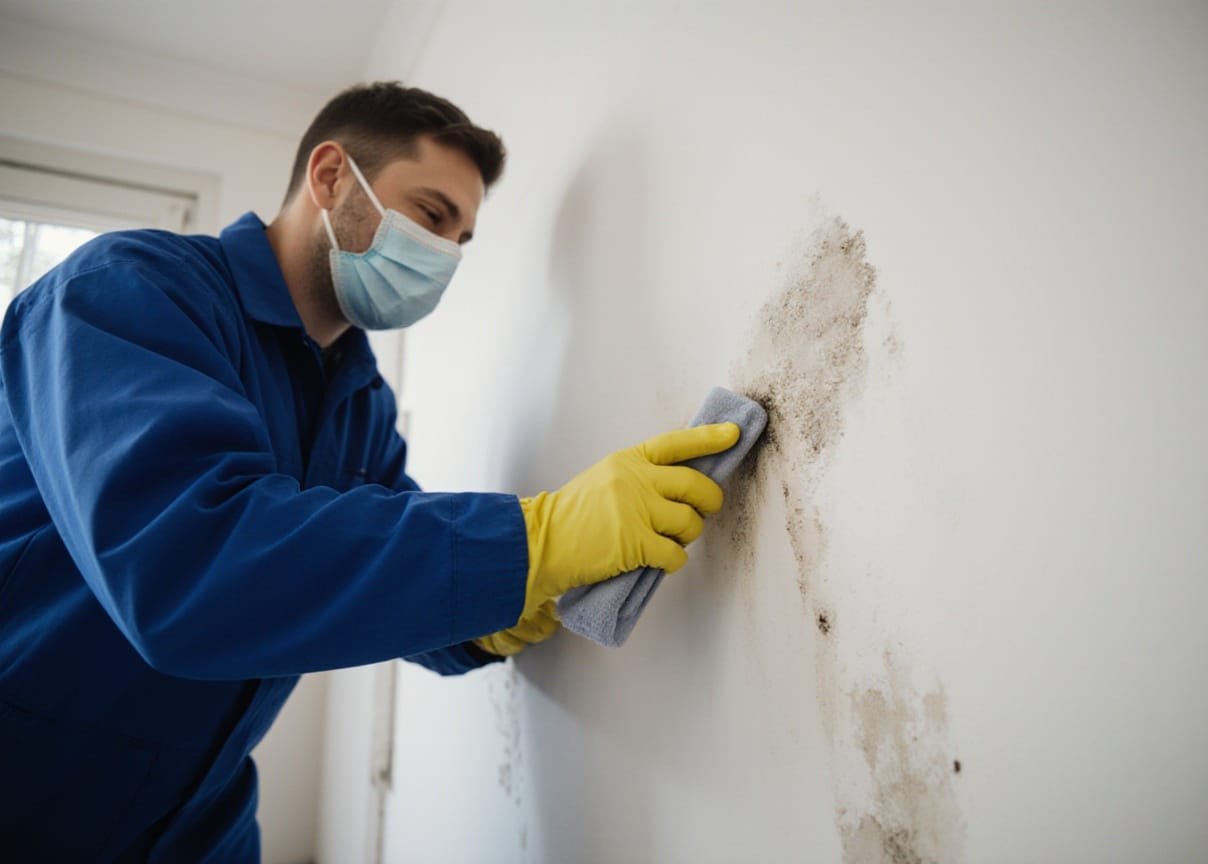
• Safe removal of visible mould growth from affected areas
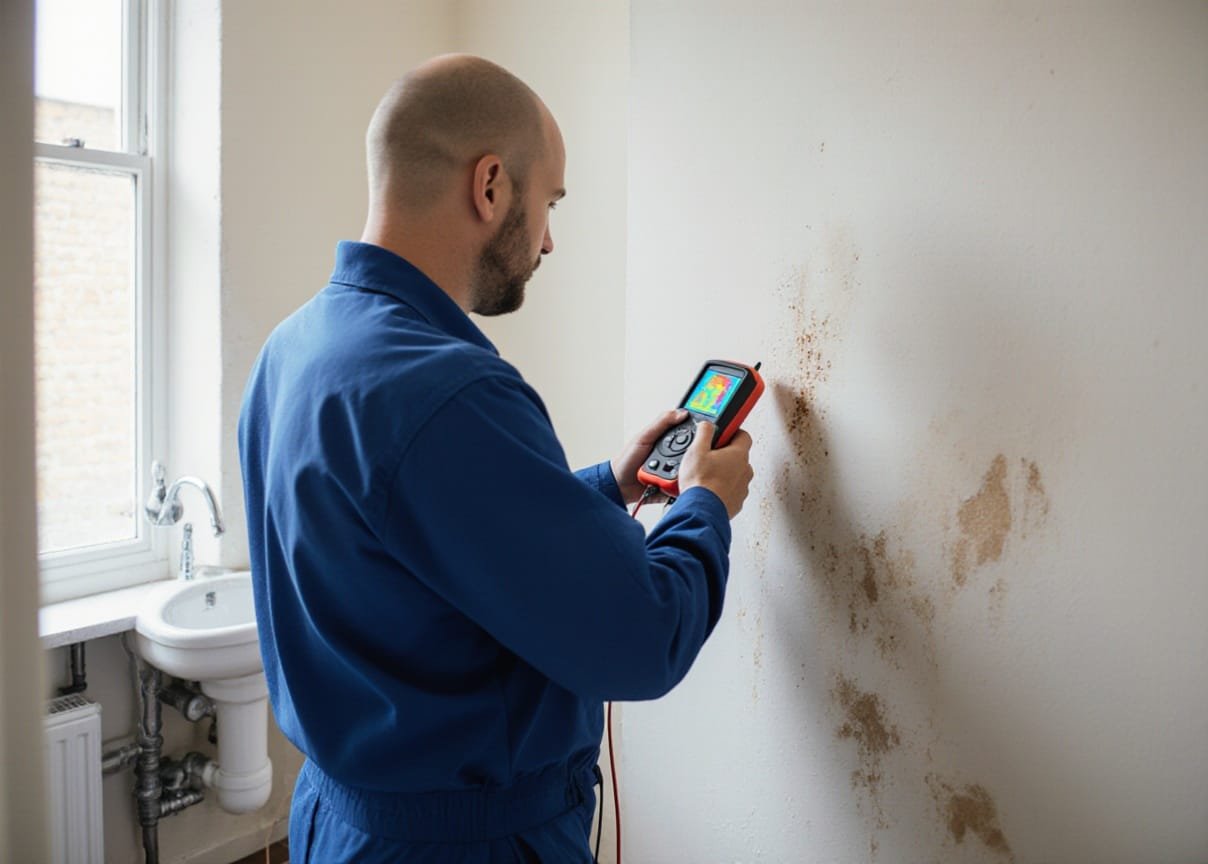
• Identification of the moisture source behind the issue
• Use of controlled methods to prevent spreading or regrowth
• Practical steps to help reduce conditions that allow mould to return

Treating mould properly means dealing with both the symptoms and the cause at the same time.
This helps prevent repeated problems and keeps the environment more stable over time.

How Mould Is Treated and Prevented Properly

Mould should never be treated as just a surface issue, as it’s usually a sign of underlying moisture within the property.
Simply cleaning it without addressing the cause often leads to the problem returning in the same areas.
A proper approach focuses on both removing the mould and understanding why it developed in the first place.
This ensures the issue is handled in a way that is effective and long lasting.

• Safe removal of visible mould growth from affected areas
• Identification of the moisture source behind the issue
• Use of controlled methods to prevent spreading or regrowth
• Practical steps to help reduce conditions that allow mould to return

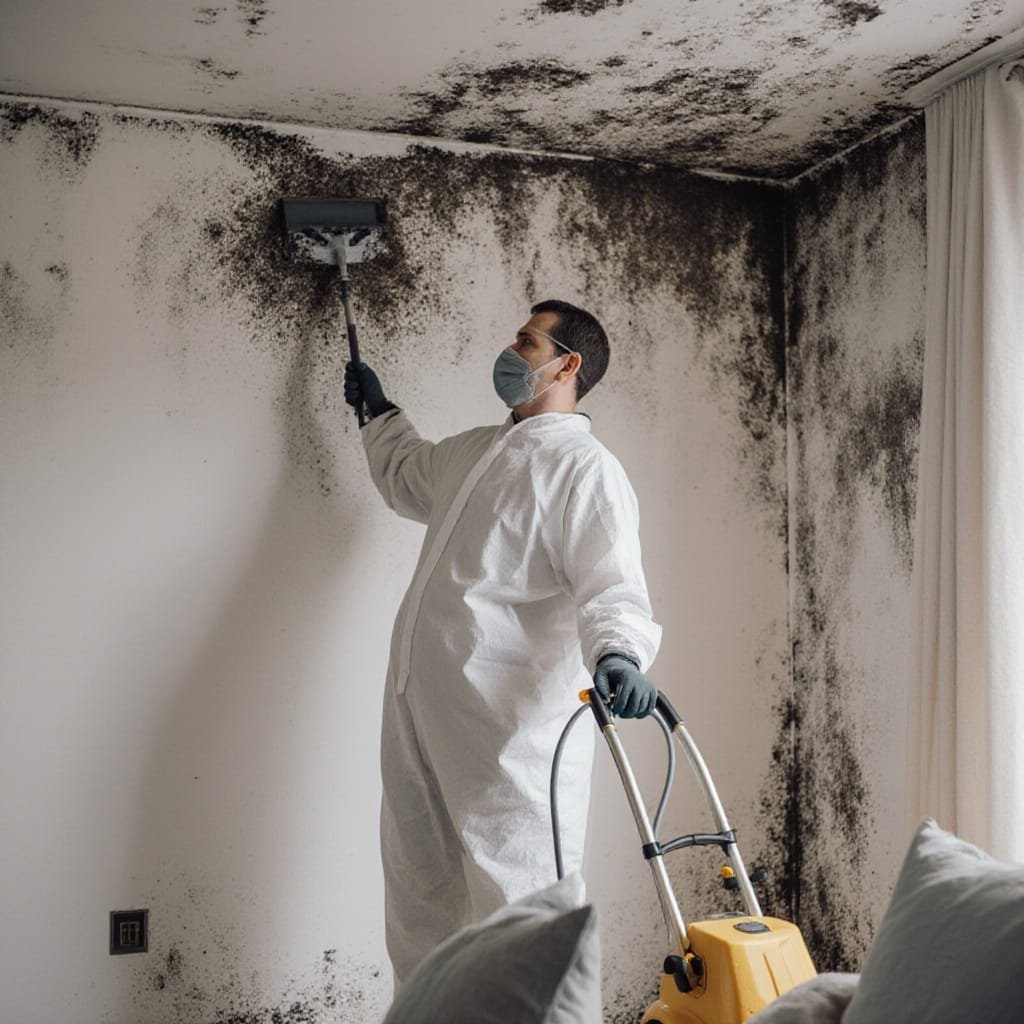
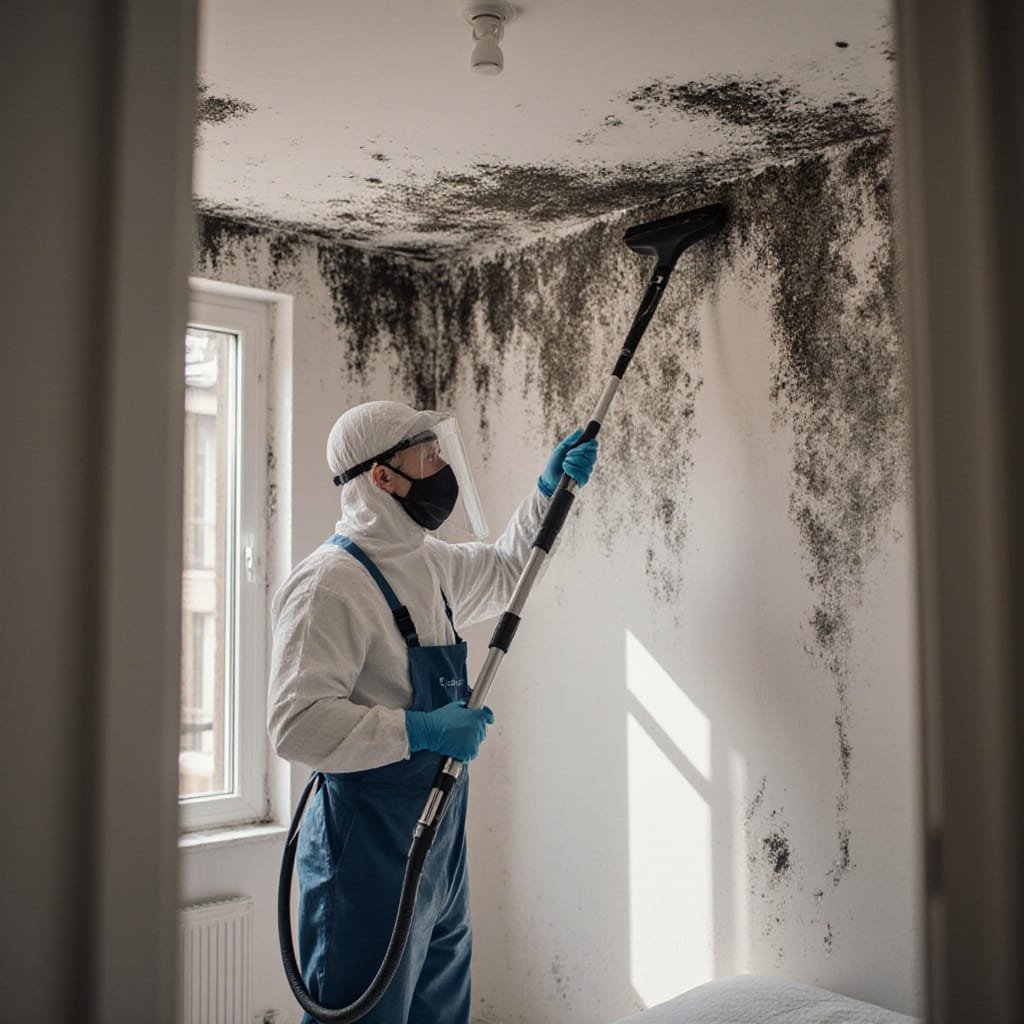
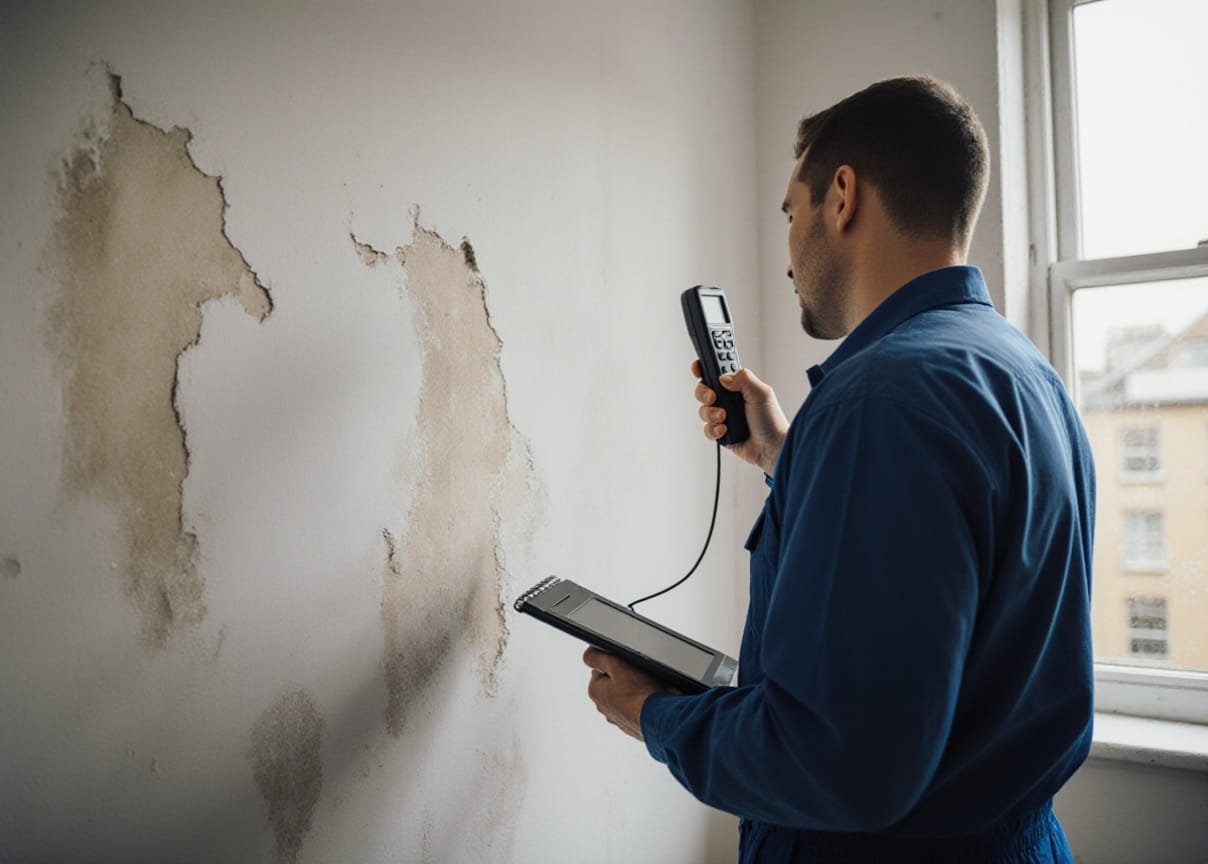
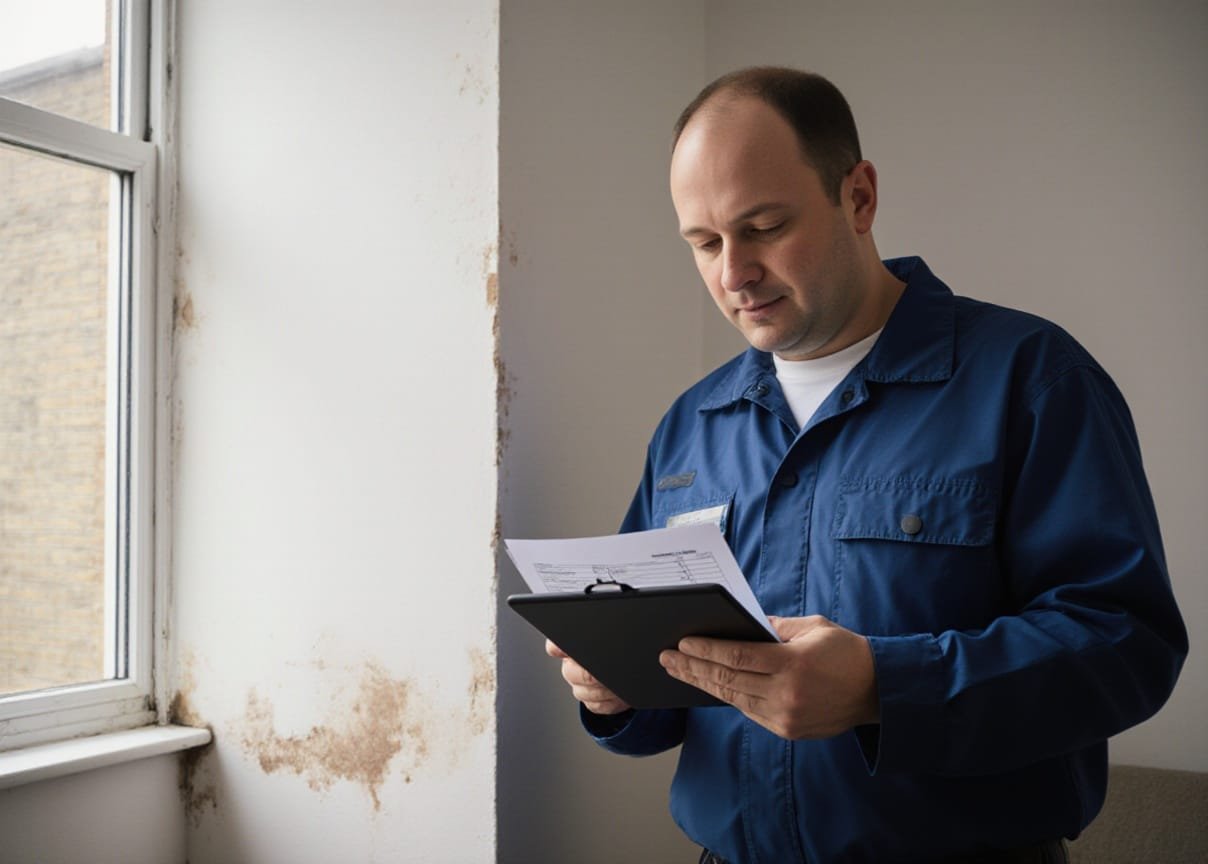
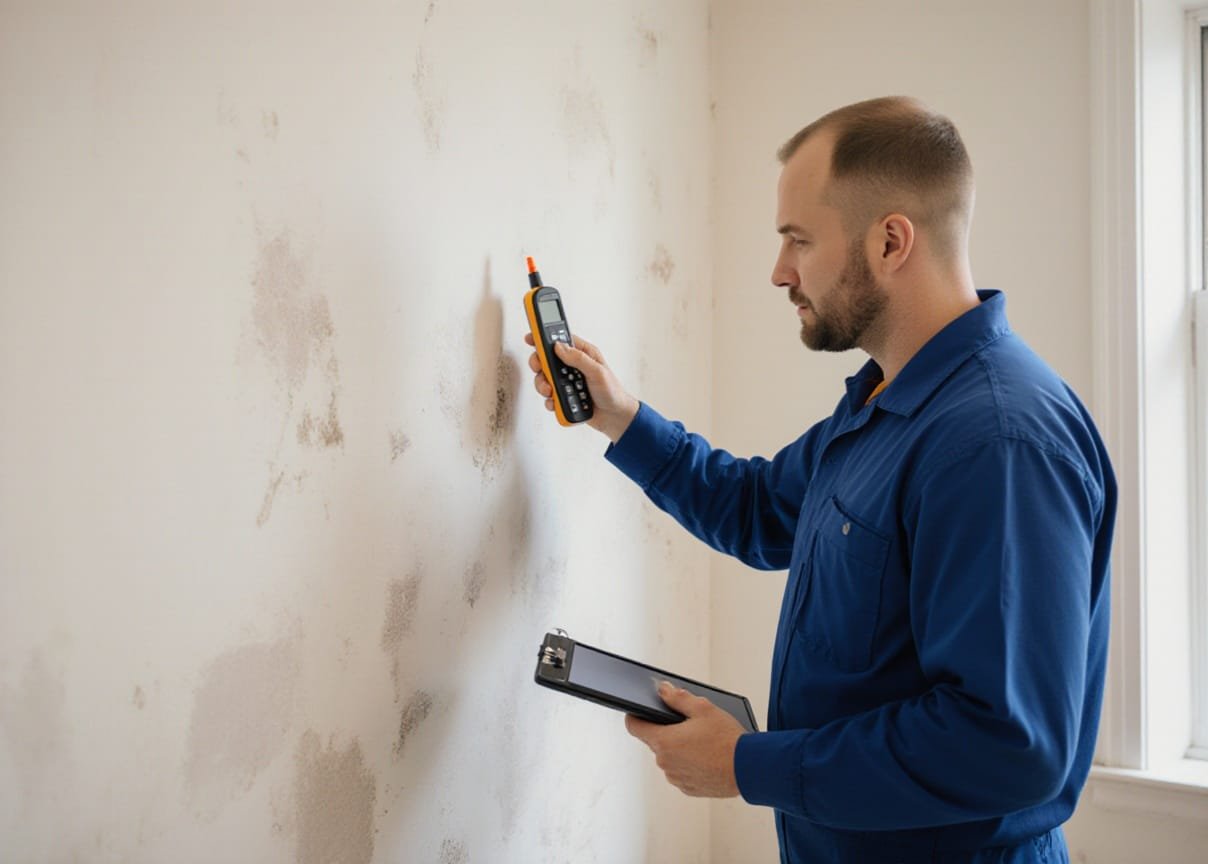
Mould removal needs to be handled carefully to avoid spreading spores to unaffected areas. In many cases, what appears to be a small patch on the surface can be part of a wider issue linked to moisture conditions within the room. That’s why the first step is always to assess how extensive the problem is and whether it is localised or affecting multiple areas.

The removal process itself involves treating the affected surfaces in a controlled way, ensuring that mould is properly cleaned without disturbing surrounding areas. This is important because improper handling can lead to spores becoming airborne and settling elsewhere. By using appropriate methods, the affected area can be dealt with safely while reducing the risk of further contamination.

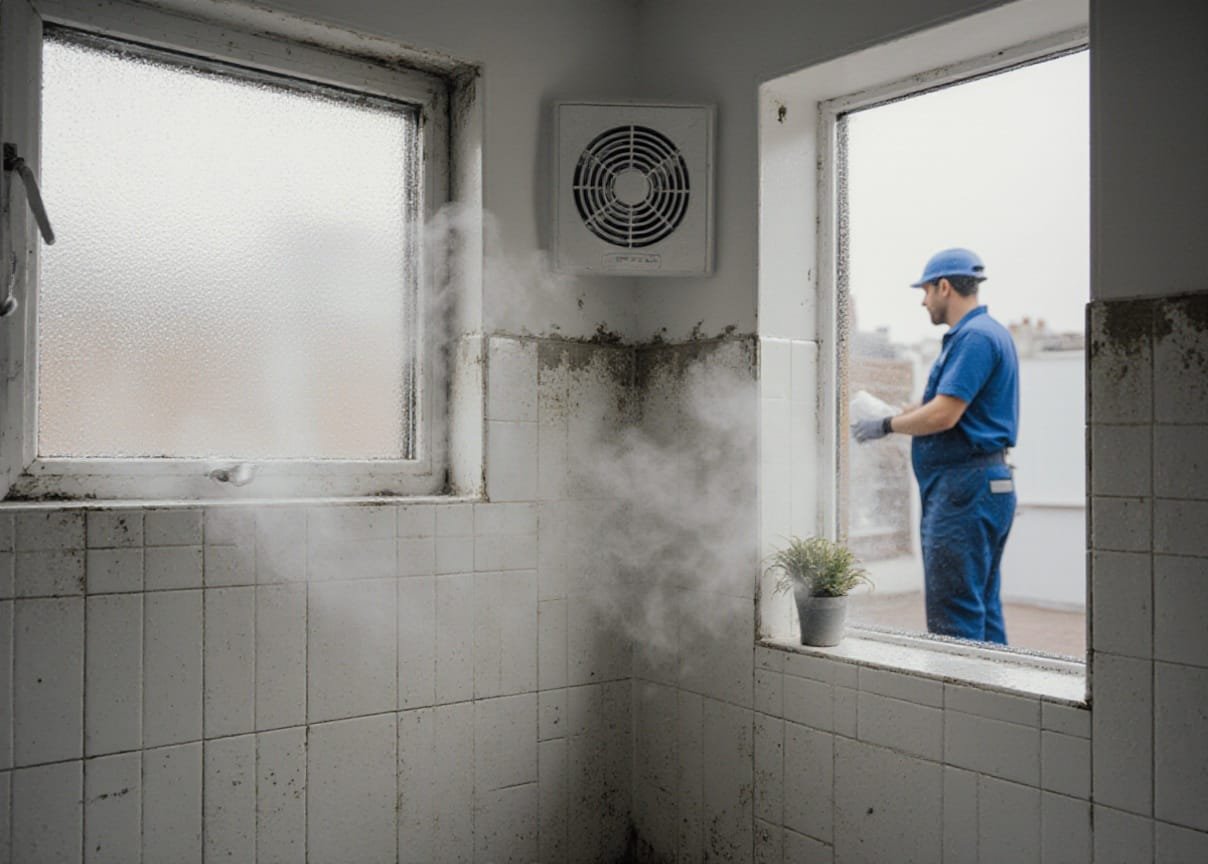
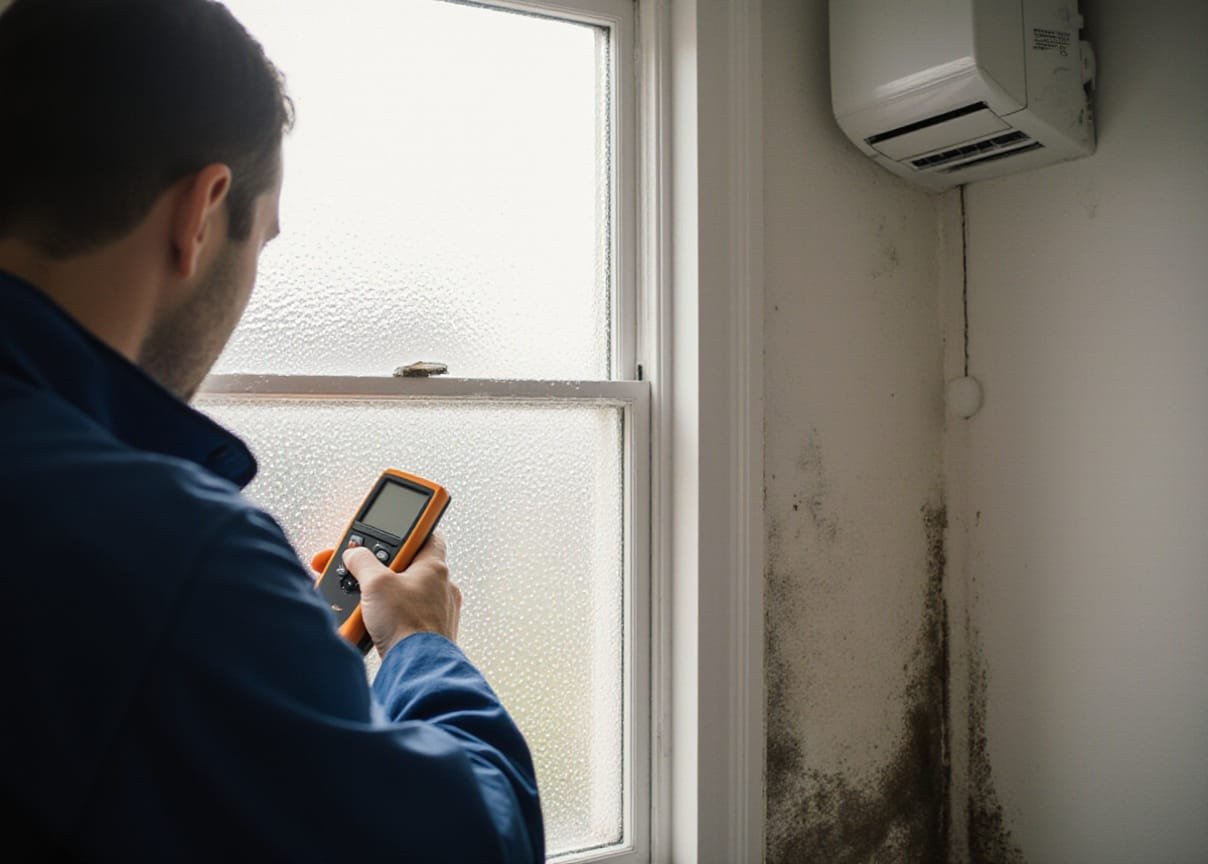
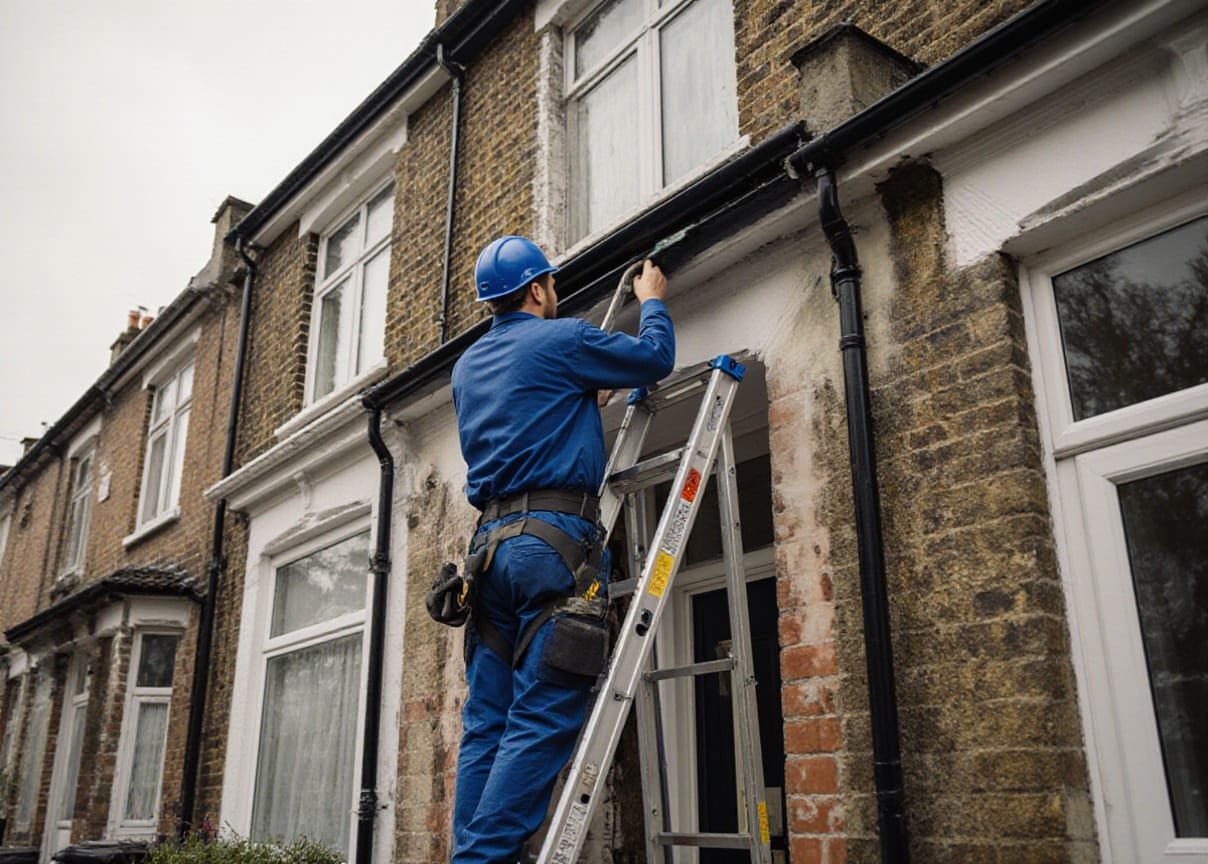
However, removing the visible mould is only part of the solution. Without addressing the cause, such as condensation, poor ventilation, or hidden moisture, the same conditions will remain and allow mould to return. This is why each case is looked at individually, taking into account how the space is used, how air moves through it, and where moisture is likely to build up.

In some situations, the solution may involve improving ventilation or making small adjustments to reduce humidity levels. In others, it may require addressing specific problem areas where moisture tends to collect. The goal is to create an environment where mould is less likely to develop in the first place.

At Damp and Mould Specialist, the focus is on combining proper treatment with practical guidance. This helps ensure that once the mould is removed, the conditions that caused it are also brought under control.

By taking a complete approach to mould removal and treatment, it becomes possible to achieve results that last rather than relying on repeated cleaning.

Local Experts

Handling Damp Properly

Detailed Checks

Finding the Real Cause

Proven Results

That Actually Last

Long-Term Fixes

Not Just Quick Cleans

What Customers Say About Our Damp and Mould Service

We had damp patches showing on one of the external walls and assumed it was going to be a big, expensive issue. The inspection was thorough and they explained it step by step. Turned out to be a mix of airflow and moisture build-up rather than something structural. Saved us a lot of stress and probably a lot of money as well.

5 stars rating
Daniel Hughes

From booking to the actual visit, everything was smooth. The inspection itself was detailed but easy to understand, which I really liked. They walked me through each issue and explained what mattered and what didn’t. It felt honest and practical, not exaggerated. I’d definitely recommend them if you’re dealing with mould problems.

5 stars rating
Emily Dawson

Very professional service. What stood out was that they didn’t rush through the job. They checked multiple areas in the property and explained everything in plain English. It wasn’t just about removing the mould, but understanding why it was there in the first place. You don’t often get that level of detail.

5 stars rating
Laura Bennett

We noticed a damp smell in the flat that we couldn’t get rid of, even after cleaning. They came out and found the source pretty quickly, which turned out to be something we hadn’t considered at all. Gave clear advice on what to fix and didn’t overcomplicate things. Solid, reliable service.

5 stars rating
Mark Reynolds

Really appreciated how straightforward everything was. They came in, checked the flat carefully, and pointed out things I hadn’t even noticed. There was no pressure to buy anything extra, just a clear explanation of what was going on and what I could do to improve it. It felt like proper advice rather than a sales pitch.

5 stars rating
Sarah Mitchell

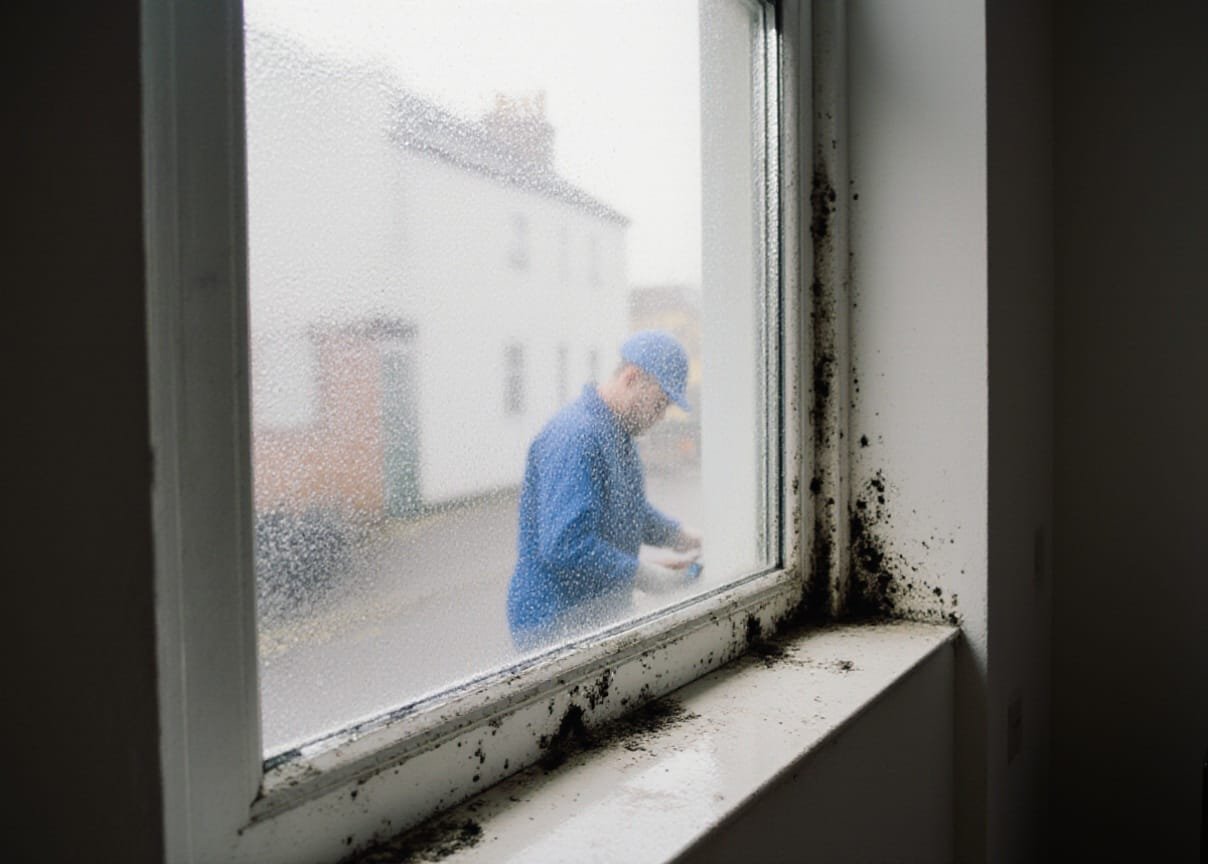
We’d been dealing with mould around the bedroom window for months and kept wiping it off, but it always came back. I booked Damp and Mould Specialist expecting the usual quick clean, but they actually took the time to check the room properly. They explained it was mainly a condensation issue and showed me what was causing it. Made a few changes based on their advice and it’s been clear since. Wish I’d done this earlier.

5 stars rating
James Carter

Frequently Asked Questions

Is mould removal enough to fix the problem permanently?
No, removing mould alone won’t stop it coming back unless the moisture source is identified and controlled.
Can I remove mould myself?
Small surface patches can be cleaned, but without addressing the cause, the issue usually returns. Larger or recurring problems need a proper assessment and treatment.
How long does mould treatment take?
It depends on the extent of the issue. Surface treatment can be done relatively quickly, but resolving the underlying cause may take longer.
Is mould harmful if left untreated?
Over time, mould can spread and affect indoor conditions, so it’s best to deal with it early before it becomes a recurring or larger issue.

What to Expect After Mould Treatment

Once mould has been treated, the immediate improvement is usually visible quite quickly. Surfaces look cleaner, and the affected areas are no longer actively growing mould. However, what matters most is how the space behaves after the treatment, as this determines whether the problem will stay under control or return over time.

In the first few days, it’s important that the treated areas are allowed to dry properly. Moisture levels within walls and surfaces don’t disappear instantly, especially if the issue has been present for a while. As conditions stabilise, you should notice that condensation reduces and surfaces remain drier for longer periods. This is a good indication that the environment is improving.

The long-term outcome depends largely on how well the underlying moisture issue has been managed. If ventilation has been improved, leaks have been addressed, or airflow has been adjusted, the space becomes far less suitable for mould growth. Without these changes, even a well-treated area can become affected again over time.

It’s also common for certain areas to require monitoring, especially spots that were previously prone to condensation, such as window frames, corners, or external walls. These areas may still be more sensitive to temperature differences, but with better moisture control, they should no longer support mould growth in the same way.

At Damp and Mould Specialist, the aim is to make sure the treatment is part of a wider solution rather than a one-off fix. This includes providing guidance on how to maintain stable conditions, whether that involves simple adjustments to ventilation, heating, or everyday use of the space.

Keeping moisture levels under control is the key factor in preventing mould from returning. With the right balance in place, the treated areas remain stable, and the need for repeated cleaning or treatment is significantly reduced.

Over time, maintaining these conditions becomes part of the normal routine, helping ensure that mould does not reappear and the property stays in a consistent, manageable state.