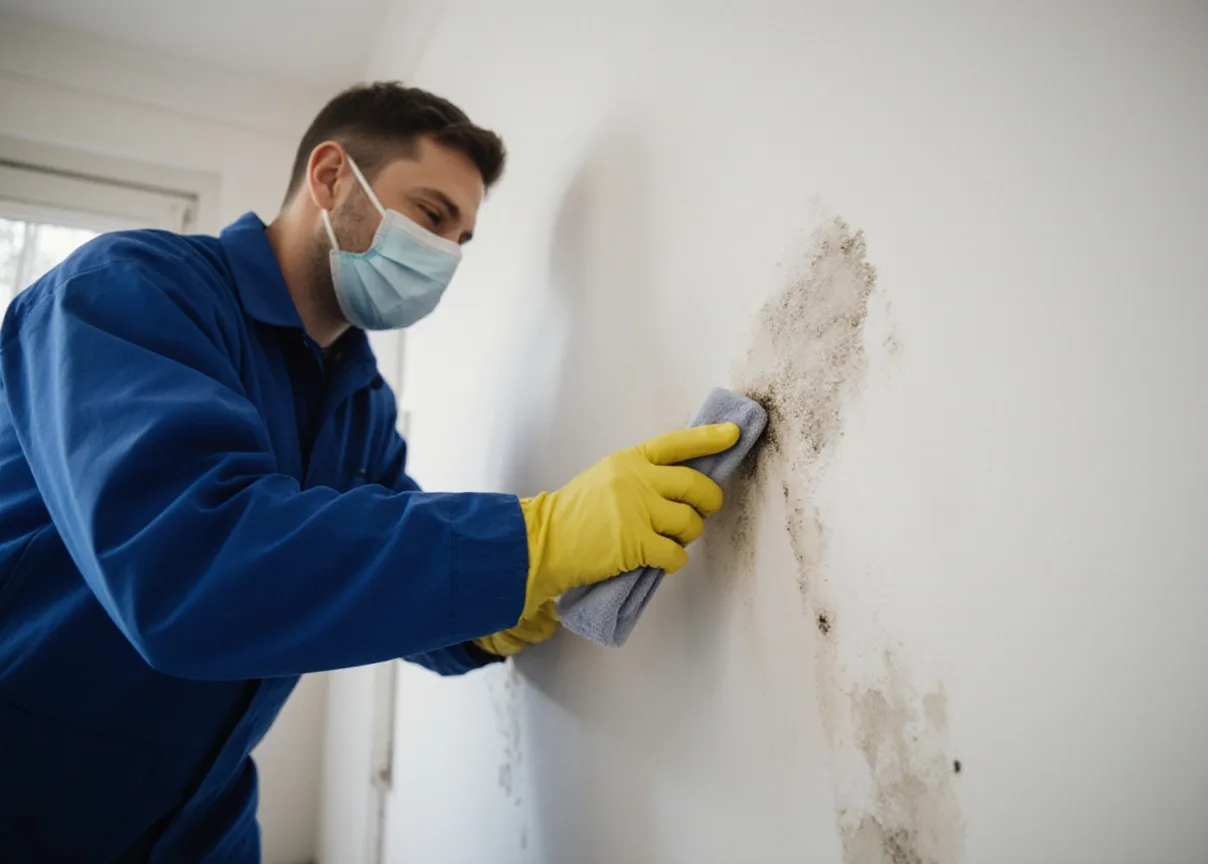
Damp Investigation & Moisture Diagnosis

Damp problems don’t appear without a reason, and treating the surface without understanding the cause often leads to the issue returning. A proper investigation focuses on how moisture is entering or building up inside the property, whether through condensation, leaks, or external sources. In many cases, the visible signs are only a small part of a wider problem affecting the structure or airflow. Identifying the source early helps avoid unnecessary work and ensures the right solution is applied from the start.

• Detailed checks to identify the exact source of moisture
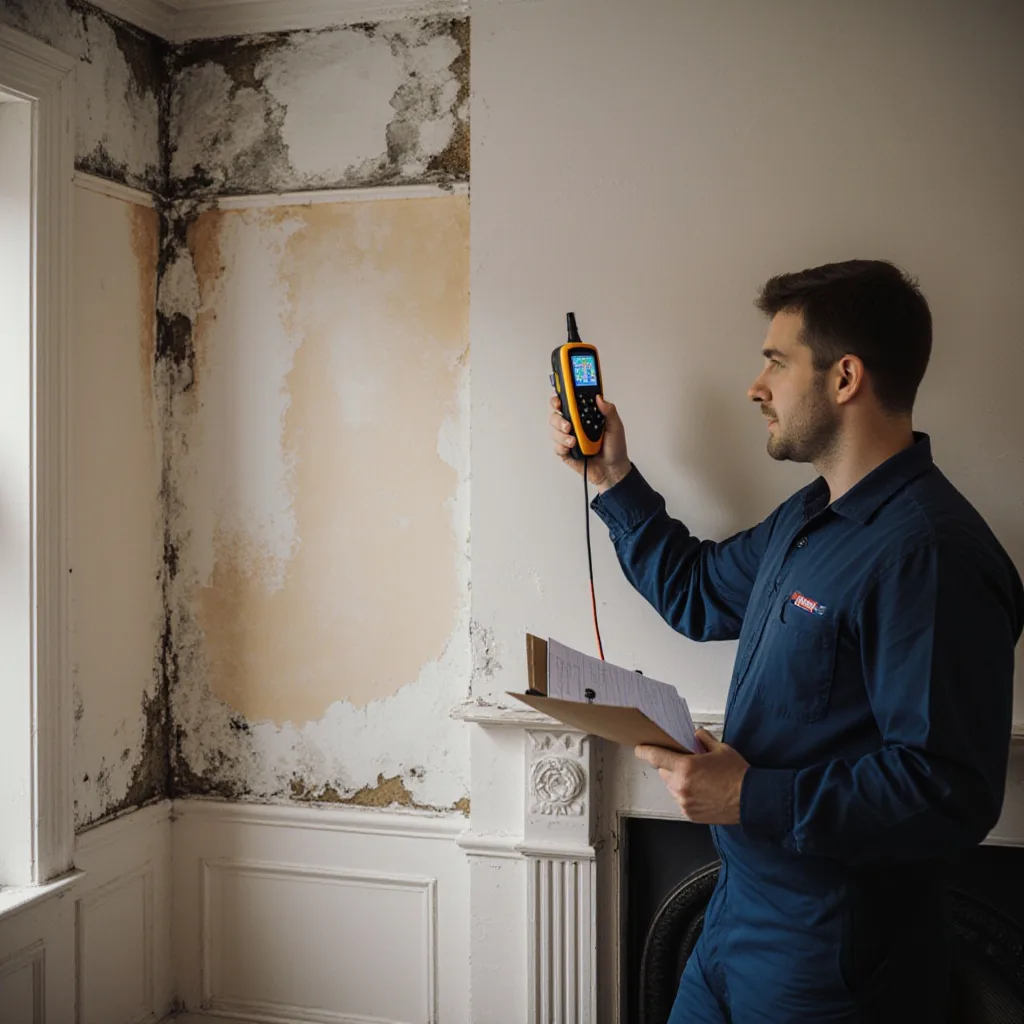
• Assessment of walls, ceilings, and affected areas using practical tools
• Identification of condensation, leaks, or external water ingress
• Clear explanation of findings without technical jargon
• Practical recommendations based on the actual cause, not assumptions

How We Identify the Source of Damp

Damp can develop in different ways, and the visible signs don’t always point directly to the real cause. Stains on walls, peeling paint, or a musty smell may suggest a problem, but without proper checks, it’s easy to misjudge whether it’s condensation, a hidden leak, or external moisture entering the property. This is why a structured approach to investigation is important.

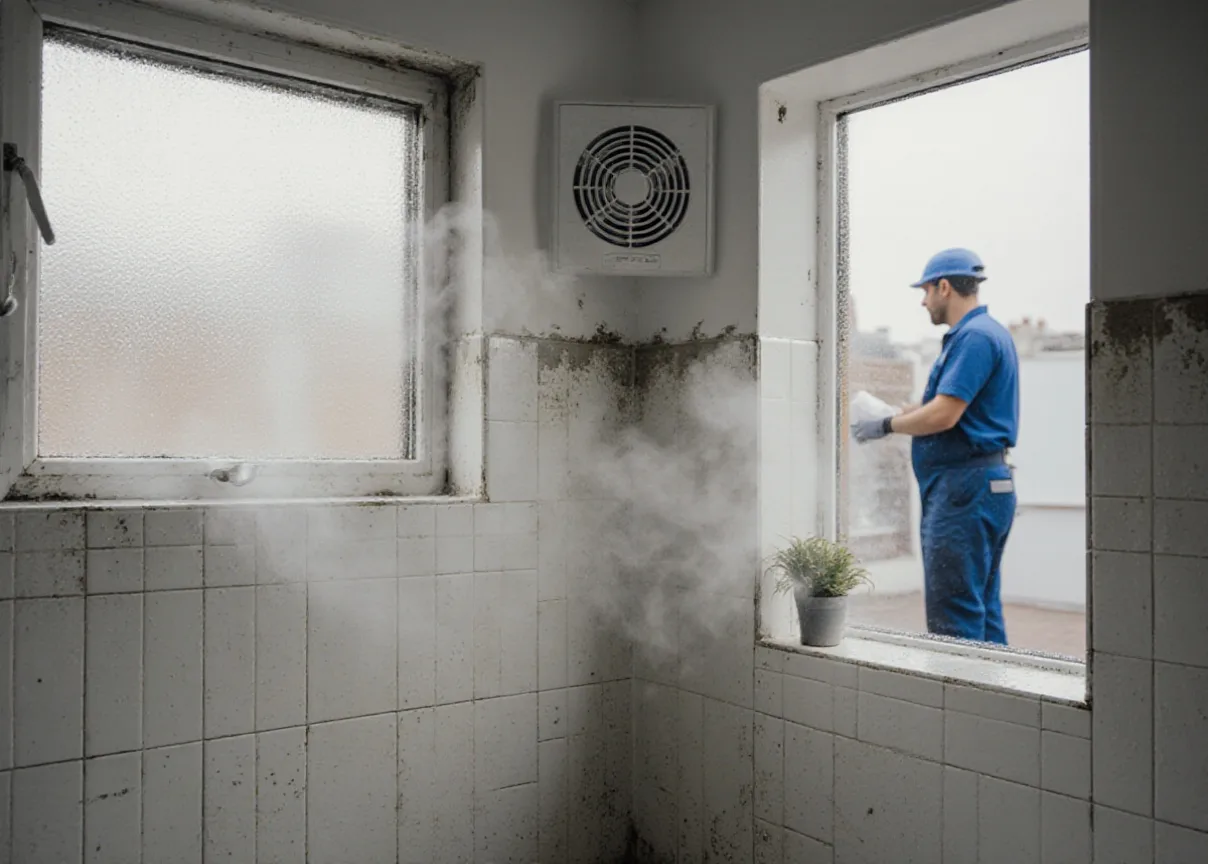
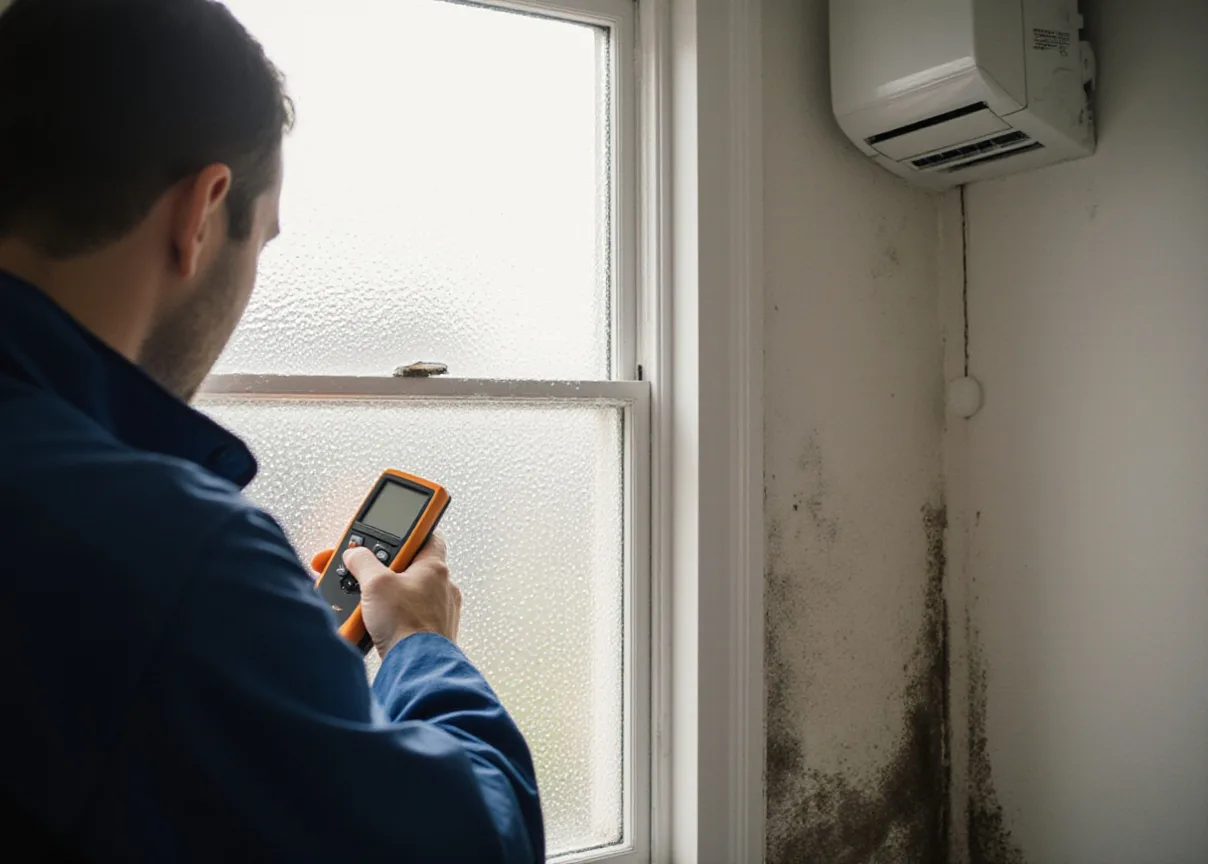
The process starts with understanding where the issue is appearing and how it behaves over time. Some damp problems are consistent, while others change depending on weather, heating, or daily use. By looking at patterns, it becomes easier to narrow down the likely source. Areas such as external walls, corners, ceilings, and around windows are checked closely, as these are common points where moisture builds up or enters from outside.

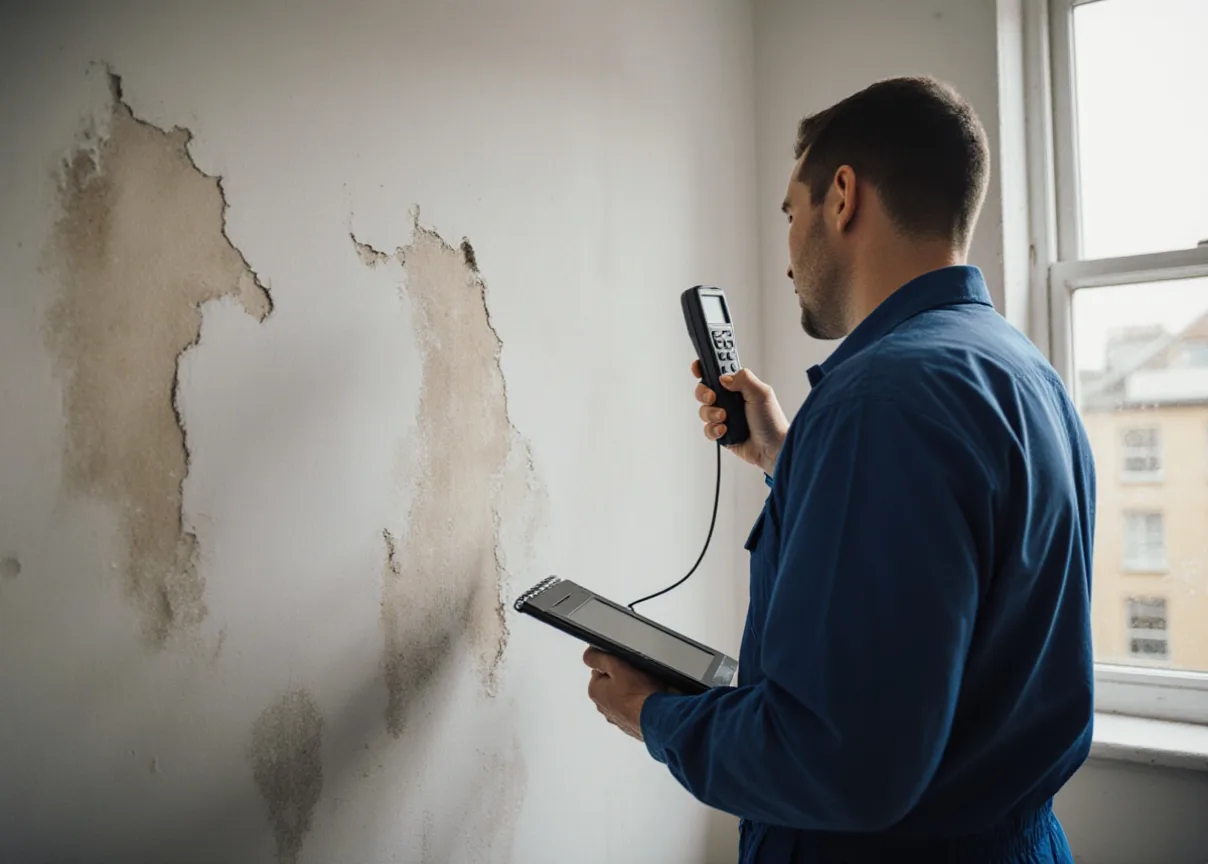
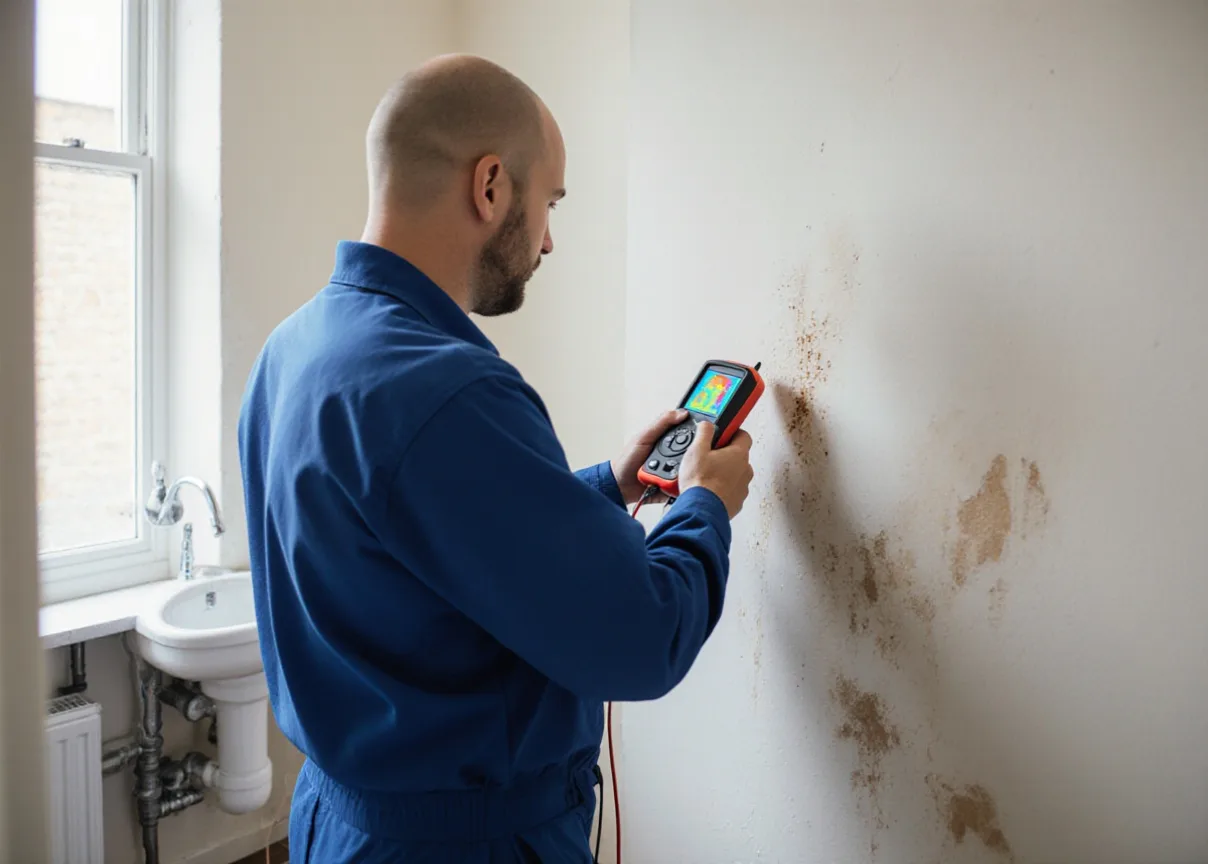
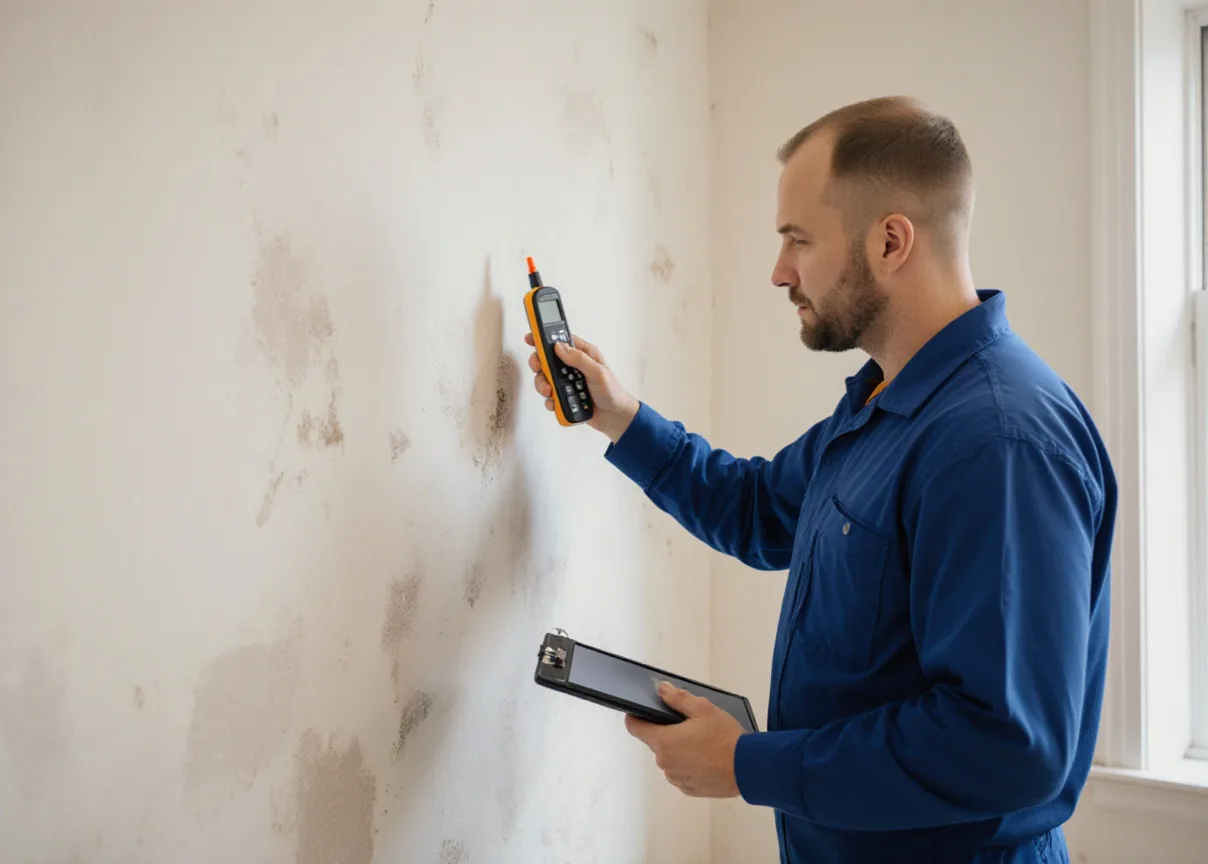
Tools like moisture meters are used to measure how much water is present in different surfaces, helping to confirm whether the damp is superficial or more deeply embedded. At the same time, surrounding conditions are considered, including airflow, insulation, and how the space is used. These factors often play a key role in how moisture behaves inside the property.

At Damp and Mould Specialist, the focus is on building a clear picture rather than jumping to conclusions. Once the source is identified, the next steps become much more straightforward, whether that involves improving ventilation, addressing a specific leak, or dealing with external exposure.

Getting the diagnosis right at the start helps avoid repeated issues and ensures any work carried out is based on the actual cause.

Local Experts

Handling Damp Properly

Detailed Checks

Finding the Real Cause

Proven Results

That Actually Last

Long-Term Fixes

Not Just Quick Cleans

What Customers Say About Our Damp and Mould Service

We had damp patches showing on one of the external walls and assumed it was going to be a big, expensive issue. The inspection was thorough and they explained it step by step. Turned out to be a mix of airflow and moisture build-up rather than something structural. Saved us a lot of stress and probably a lot of money as well.

5 stars rating
Daniel Hughes

From booking to the actual visit, everything was smooth. The inspection itself was detailed but easy to understand, which I really liked. They walked me through each issue and explained what mattered and what didn’t. It felt honest and practical, not exaggerated. I’d definitely recommend them if you’re dealing with mould problems.

5 stars rating
Emily Dawson

Very professional service. What stood out was that they didn’t rush through the job. They checked multiple areas in the property and explained everything in plain English. It wasn’t just about removing the mould, but understanding why it was there in the first place. You don’t often get that level of detail.

5 stars rating
Laura Bennett

We noticed a damp smell in the flat that we couldn’t get rid of, even after cleaning. They came out and found the source pretty quickly, which turned out to be something we hadn’t considered at all. Gave clear advice on what to fix and didn’t overcomplicate things. Solid, reliable service.

5 stars rating
Mark Reynolds

Really appreciated how straightforward everything was. They came in, checked the flat carefully, and pointed out things I hadn’t even noticed. There was no pressure to buy anything extra, just a clear explanation of what was going on and what I could do to improve it. It felt like proper advice rather than a sales pitch.

5 stars rating
Sarah Mitchell

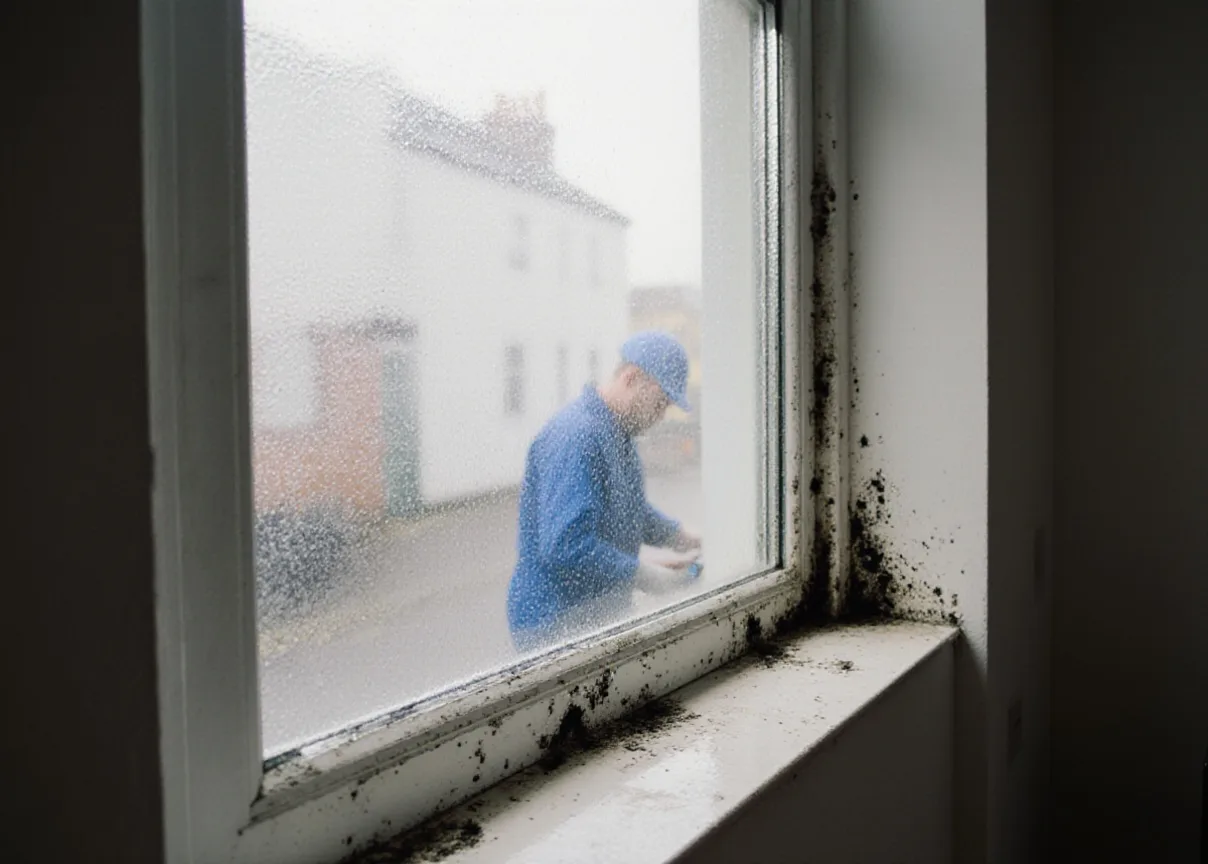
We’d been dealing with mould around the bedroom window for months and kept wiping it off, but it always came back. I booked Damp and Mould Specialist expecting the usual quick clean, but they actually took the time to check the room properly. They explained it was mainly a condensation issue and showed me what was causing it. Made a few changes based on their advice and it’s been clear since. Wish I’d done this earlier.

5 stars rating
James Carter

Frequently Asked Questions

How do you determine what’s causing the damp?
We assess the affected areas, measure moisture levels, and look at patterns over time to identify whether the issue is from condensation, leaks, or external sources.
Can damp be misdiagnosed?
Yes, it’s quite common. Surface signs can look similar, but the underlying causes are different, which is why a proper damp investigation is important before any treatment.
Do I need a damp investigation if I can already see mould?
In most cases, yes. Visible mould is usually a symptom, and without identifying the source of moisture, the problem is likely to return.
How long does a damp investigation take?
It depends on the size of the property and the complexity of the issue, but most inspections are completed within a few hours with clear findings provided.

What We Look for During a Damp Investigation

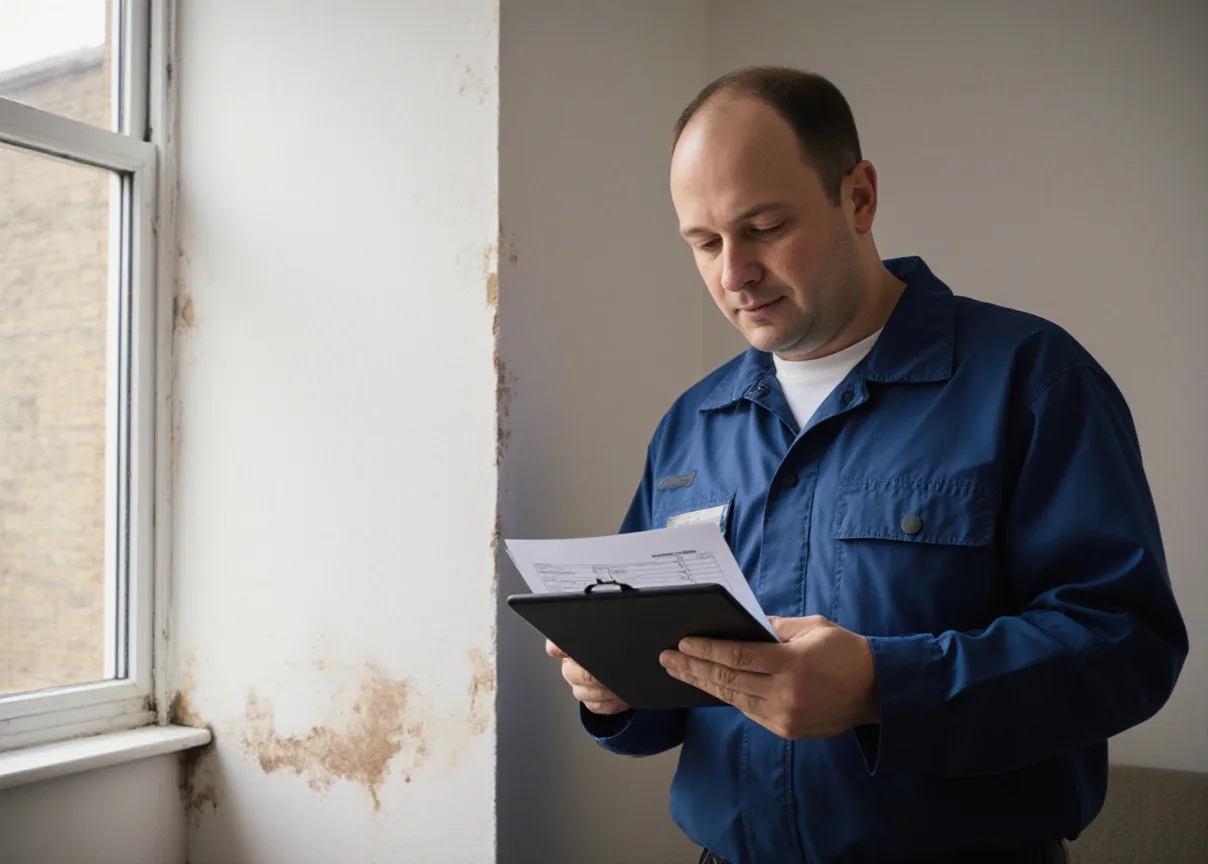
A thorough damp investigation goes beyond what’s immediately visible. While marks on walls or ceilings can indicate a problem, they don’t always show how far the issue extends or where it’s coming from. That’s why the inspection focuses on both the affected areas and the surrounding structure, looking at how moisture is behaving across different parts of the property.

One of the key things we assess is how moisture is distributed. Damp that appears in one area can sometimes originate from somewhere else, especially if water is travelling through materials like plaster or brick. By checking nearby surfaces and comparing moisture readings, it becomes easier to understand whether the issue is localised or part of a wider pattern.

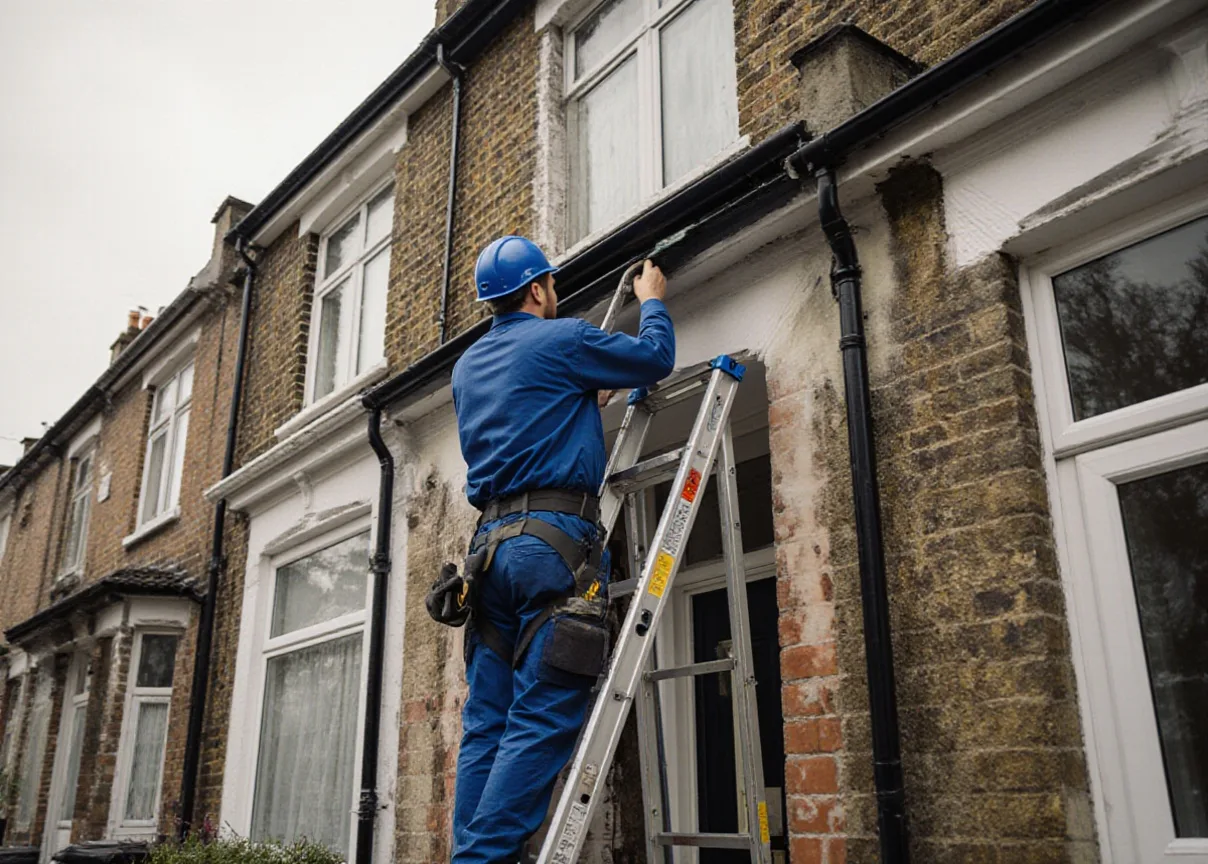
We also consider external factors. Weather exposure, the condition of walls, roofing elements, and drainage all play a role in how moisture enters a building. Even small faults outside, such as worn joints or minor cracks, can allow water to slowly penetrate over time. Internally, we look at how ventilation, heating, and layout affect the way moisture builds up and moves through the space.

Another important part of the process is recognising how different causes present themselves. Condensation, for example, tends to form on colder surfaces and follow a consistent daily pattern, while leaks or ingress may create more irregular or concentrated damp areas. Understanding these differences helps avoid confusion and ensures the correct cause is identified.

At Damp and Mould Specialist, the aim is to piece together all of these elements into a clear explanation. Once the source is confirmed, any recommended steps are based on evidence rather than assumptions. This approach reduces the risk of repeated issues and helps ensure the problem is dealt with in a way that is both effective and long lasting.